Public spaces need more than a neat finish
In a public building, the metalwork has to do a job every day. It must guide people safely, keep queues in order, protect edges and steps, and stand up to constant use without becoming loose or sharp. That is why our public building work starts with the way the space is used, not only with the look of the railing or gate.
We work on municipal offices, clinics, community halls, libraries, sports facilities, schools, walkways and stair runs. Around Knysna, Sedgefield and George, coastal humidity and salt in the air can punish mild steel quickly, so stainless makes sense where long life and lower maintenance matter. We also plan for cleaning chemicals, load shedding related access issues and the practical need for safe movement after hours.
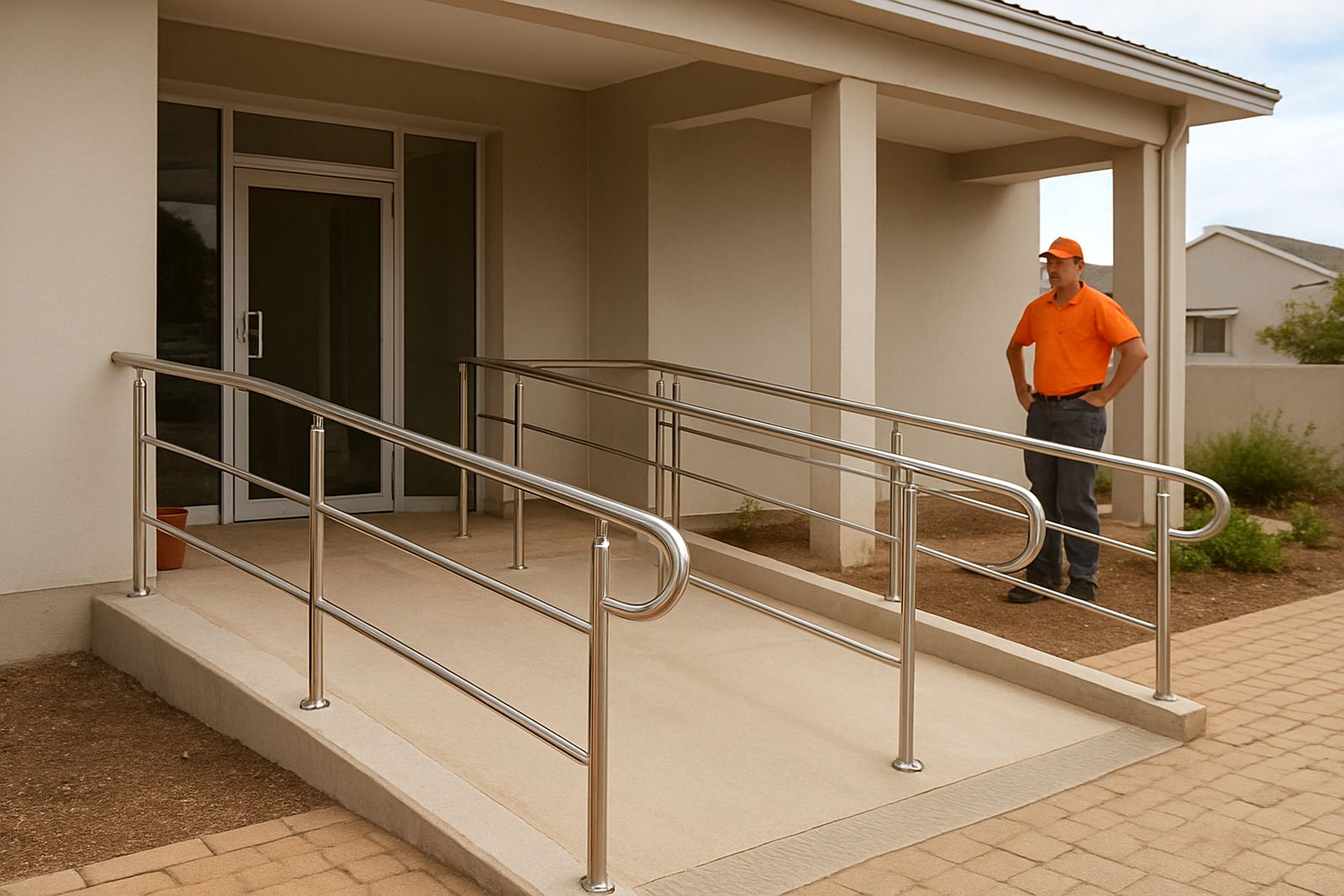
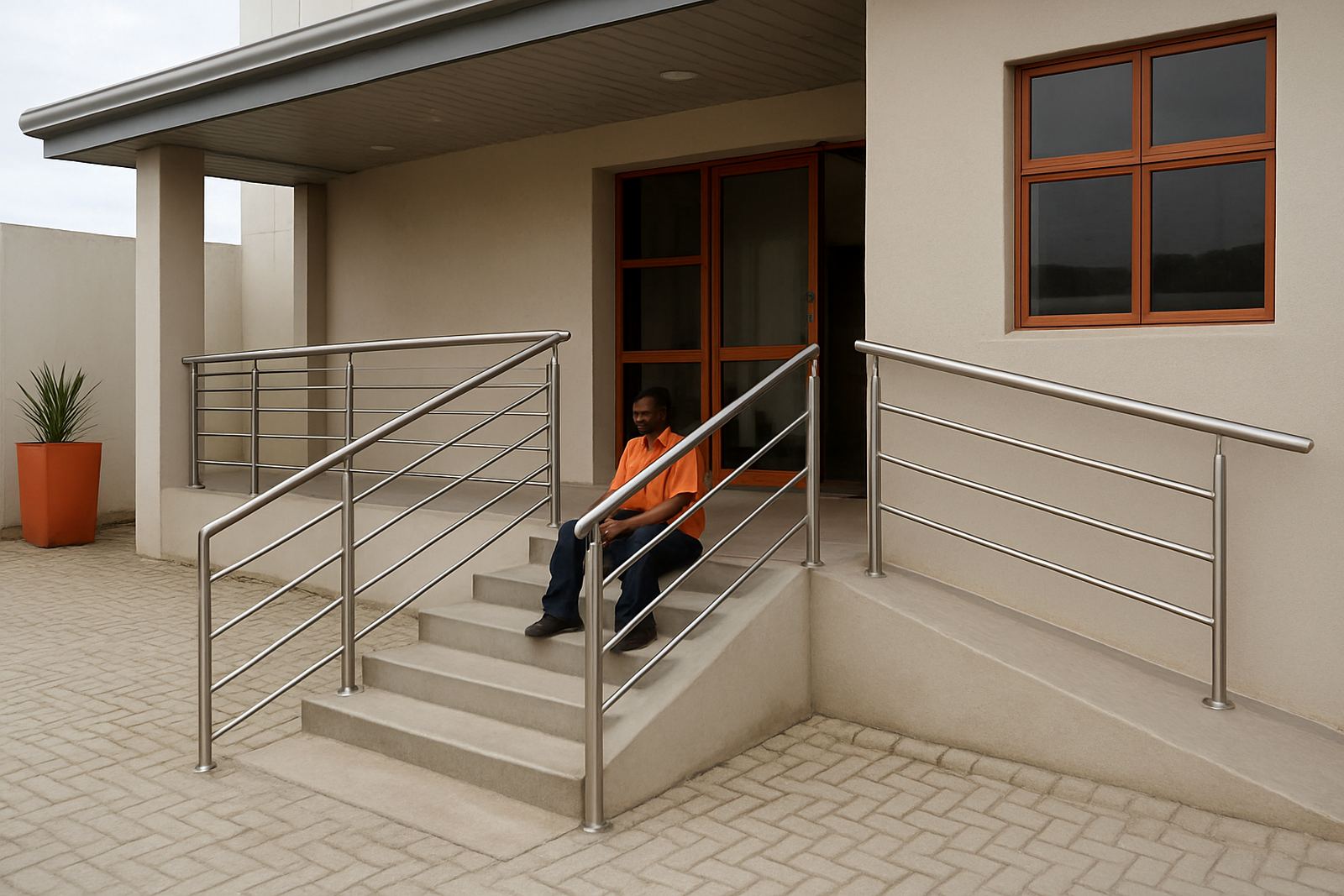
Typical public jobs include balustrades at stairwells, queue barriers at service counters, access handrails, ramp rails, security gates, perimeter infill sections and protective guards around plant rooms or raised edges. If the building has mixed traffic, we will normally separate pedestrian flow, staff access and delivery points so people are not crossing each other in tight spots.
Typical equipment for municipal and community facilities
The right set-up depends on the building, but most public projects use a combination of simple, serviceable components that are easy to maintain and hard to damage. We can fabricate to suit new builds, upgrades or repairs to existing structures.
- Wall-mounted handrails for corridors, stairs and ramps
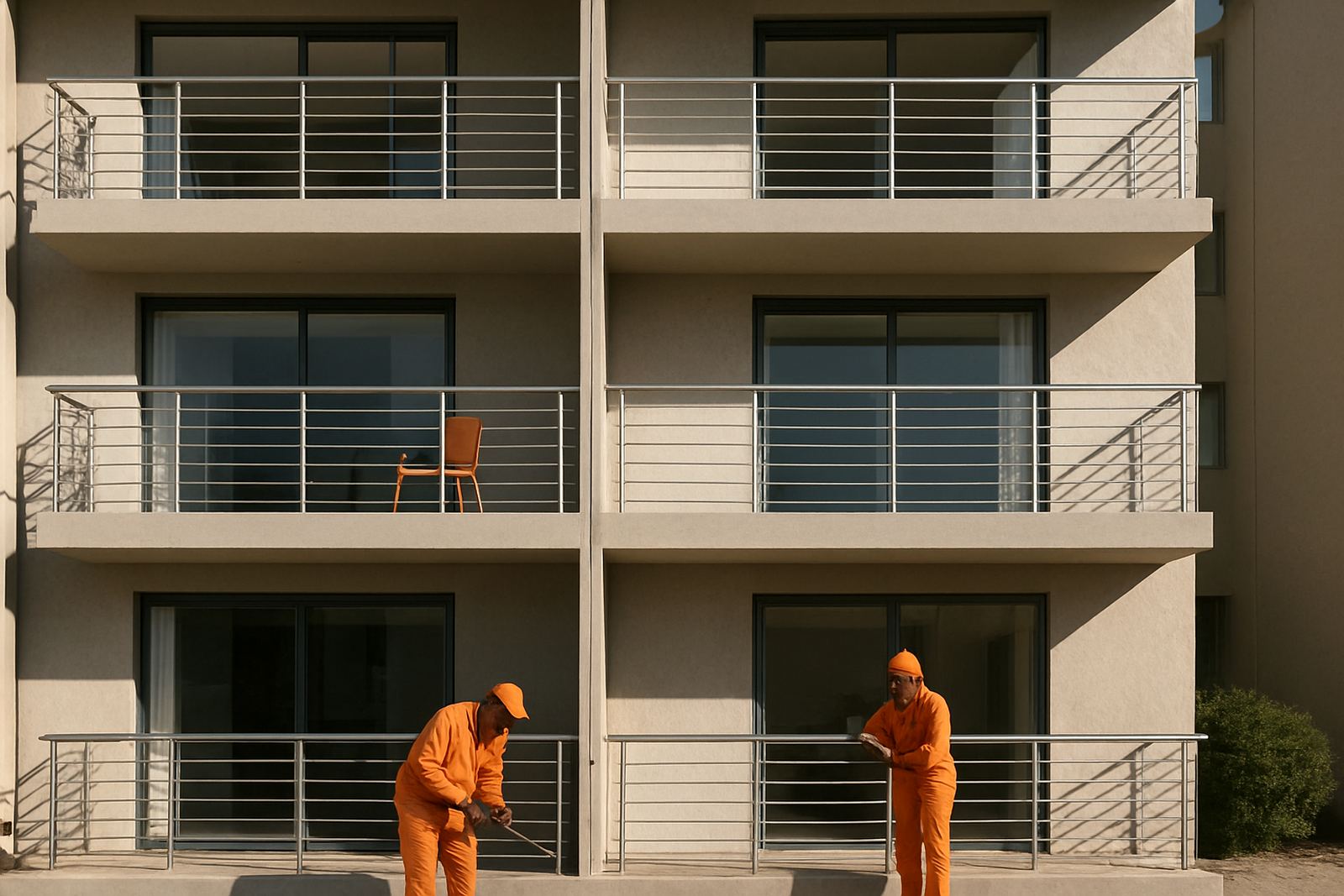
- Post-and-rail balustrades for stair edges and elevated walkways
- Queue rails and guide barriers for reception areas and payment points
- Access gates with suitable locks, stops and closers
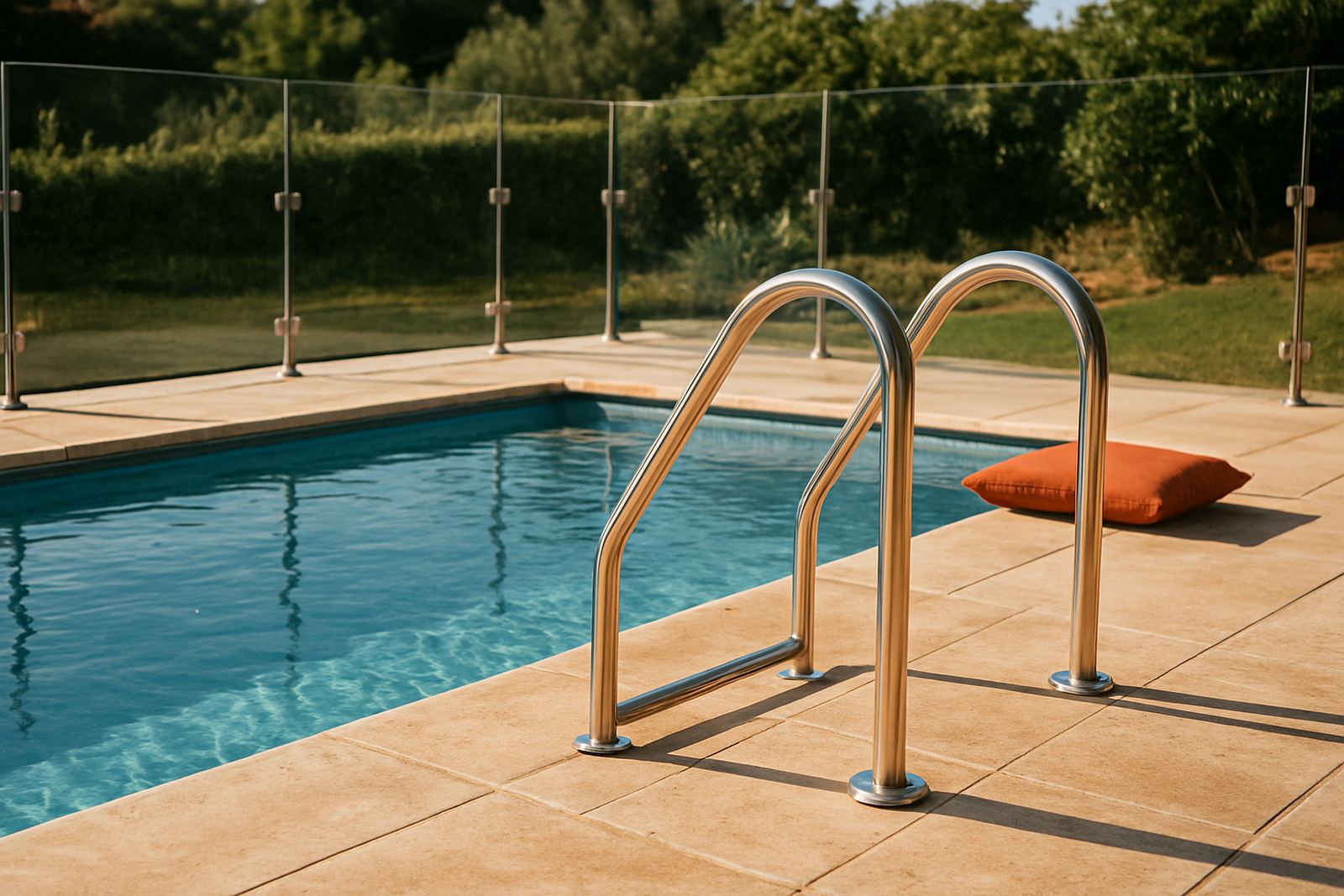
- Glass fitment where visibility matters in foyers or entrance areas
- Floor plates, core-drilled posts and bracketed fixings for different substrates
- Surface restoration and repairs where older stainless has marks or corrosion from poor maintenance
In facilities with wheelchair access, we pay attention to rail height, return ends and clear widths so the route stays practical. If a building gets regular public traffic, we usually recommend fixing methods that reduce wobble and make future maintenance easier, because once a loose rail starts moving it quickly becomes a safety issue.
Layout planning that saves money later
Good planning starts on site. We measure the full run, check wall strength, identify expansion joints, slopes, drainage points and any existing services hidden in the floor or wall. On older municipal buildings in Knysna or Mossel Bay, this step is especially important because drawings do not always match the actual structure.
For public buildings, the layout should let people move naturally without blocking fire exits or access routes. Handrails need clear landings at turns, gates need enough swing space, and barriers should not create dead ends where crowds can bunch up. Where possible we advise on post spacing, rail return details and fixing positions before fabrication begins, because changes after cutting and welding add time and cost.
We also consider cleaning access. Public facilities are washed down often, and if rails sit too close to a wall or a kerb the staff end up fighting the building every week. A few extra millimetres planned now can save repeated call-outs later, its a small point but it matters in busy facilities.
- Confirm the final floor finish before measuring, especially where tiles or screed are still due
- Keep at least one accessible route open during installation if the building remains in use
- Allow for lockable service access where gates or covers may need later inspection
- Check the fixing surface for plaster, concrete strength or hidden voids
Common mistakes we see on public jobs
A lot of expensive problems come from trying to install without proper measuring or without thinking through the daily use of the building. In public work, small errors get noticed quickly because hundreds of people may use the same rail or gate every week.
One common mistake is choosing the wrong fixings for the substrate. A neat rail can still fail if it is anchored into weak plaster or uneven brickwork. Another is placing a barrier too close to a doorway or stair nose, which makes the area awkward and sometimes unsafe. We also see rails made without proper returns, so the ends become a snag point for clothing, bags or wheelchairs.
Finish is another issue. Coastal areas need a proper stainless specification and decent workmanship at welds, cut ends and brackets. Poorly dressed welds and contaminated surfaces can stain early, especially in places like Wilderness and Plettenberg Bay where the air carries more moisture. Where existing stainless is already dull or marked, surface restoration can often bring it back to a presentable state instead of replacing every piece.
Budget ranges for public building stainless work
Pricing depends on the length of the run, access, fixing conditions, finish and whether glass, gates or special hardware are included. For a basic handrail or barrier in a public building, smaller jobs may start from about R4,500 to R12,000. Medium stair or ramp runs often sit in the R12,000 to R35,000 range. Larger municipal or multi-point projects with multiple sections, gates, glass panels or special fixings can run from R35,000 to R120,000 and beyond.
On live sites, the cost can rise if work has to happen after hours, around public access times or in stages to keep the building open. Old concrete, rusted brackets, badly set columns or repairs to damaged edges also add time. We prefer to measure first and quote on the real site condition rather than guess, because hidden problems are common in public facilities and it is better to price them honestly from the start.
If budget is tight, we can phase the work. For example, a municipality might start with the main access stairs, then add queue rails or secondary handrails later. That keeps the building safe while spreading cost over two or three rounds.
How we work across Knysna and the Garden Route
Our base is in Knysna Industria and we work across Knysna, Plettenberg Bay, Sedgefield, Wilderness, George and Mossel Bay. For public building projects, we handle site measuring, shop drawings, fabrication, onsite installation, glass fitment, gate hardware fitment, repairs and maintenance checks. That makes it easier for councils, schools and community organisations that need one team to manage the job from start to finish.
We are used to working around operating facilities where there are people moving through the building, so we plan deliveries, installation times and site protection carefully. If you need a new handrail run, a safer entrance barrier or a replacement gate section, we can talk through the use case first and then build the metalwork to suit it.
For enquiries, contact projects@sisonkemanufacturing.co.za.