What We Fit On Jetties, Pontoons And Waterside Sites
Sisonke Stainless handles marine fitouts for private jetties, guesthouses, boat access points and light commercial waterside structures from Knysna to Mossel Bay. We work with stainless rails, boarding ladders, grab handles, cleats, support brackets and custom fittings sized for the structure and the way people actually use it.
In coastal work, the small details matter. We plan for splash zone exposure, constant moisture, movement from timber or composite decking, and the cleaning access needed once salt starts building up. That means the fixing pattern, tube size and bracket layout are chosen before we cut steel, not after.
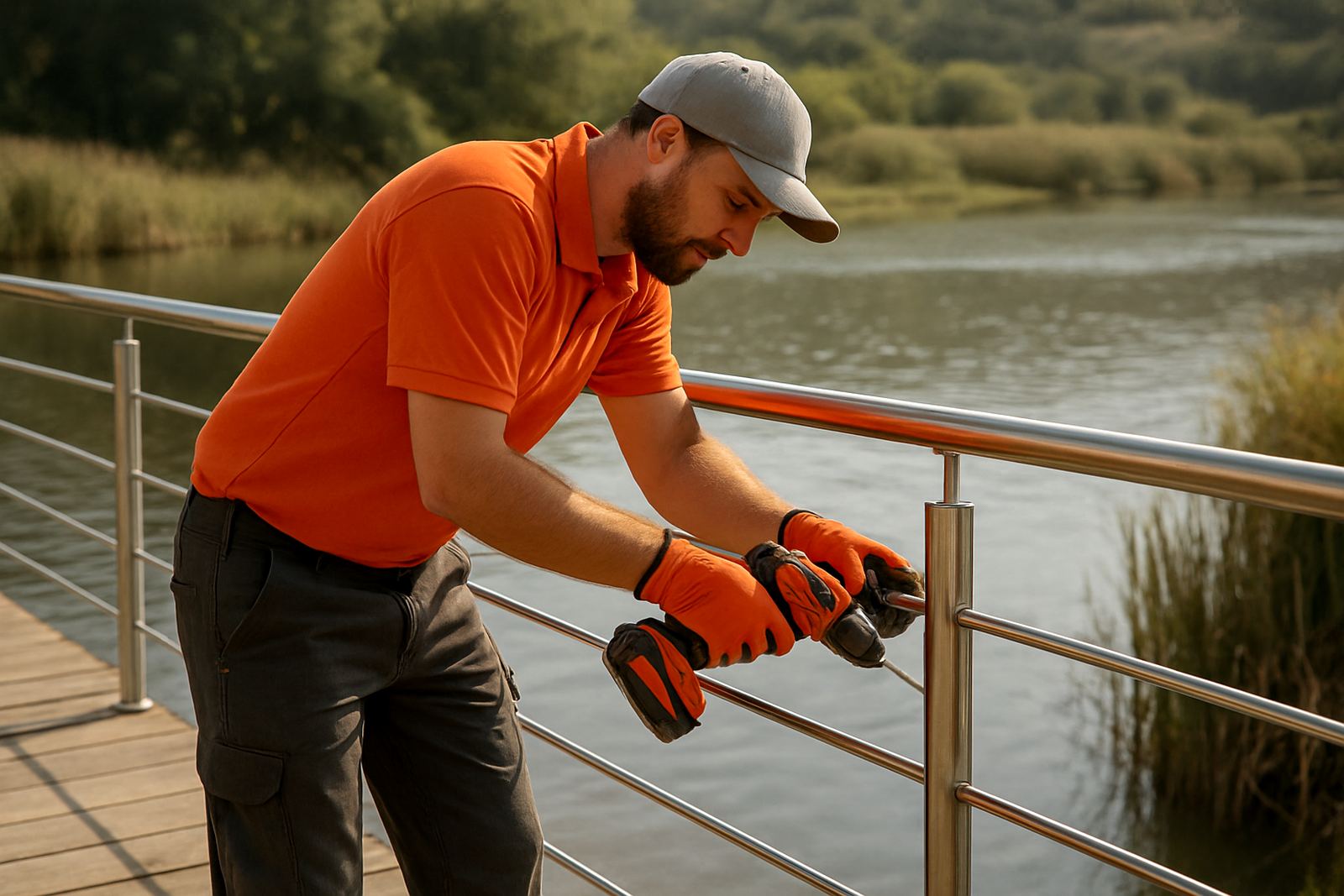
- Handrails for steps, ramps and boarding points
- Ladders for tidal access, pontoons and launch areas
- Custom brackets, plates and support fittings
- Replacement of rusted or bent marine hardware
- Stainless components for waterside maintenance access
How We Measure, Fabricate And Install
We start with a site visit and measure the available edge, fall, deck height and clearance to water. If there are existing fixings, timber movement or old repairs, we check those too because marine structures often move more than people expect. From there, our team prepares shop drawings and confirms the fixing method before fabrication begins.
Most marine fitouts follow a practical order: site measuring, fabrication in the Knysna Industria workshop, trial checks, then onsite installation. Where needed, we coordinate glass fitment or gate hardware as part of the same job so the site is finished in one visit or one planned return. On exposed sites we keep tolerance tight, because a few millimetres out can leave a rail line looking off or a ladder sitting hard against the edge.
- Site measuring and noting tide, access and working space
- Shop drawings for approval before cutting starts
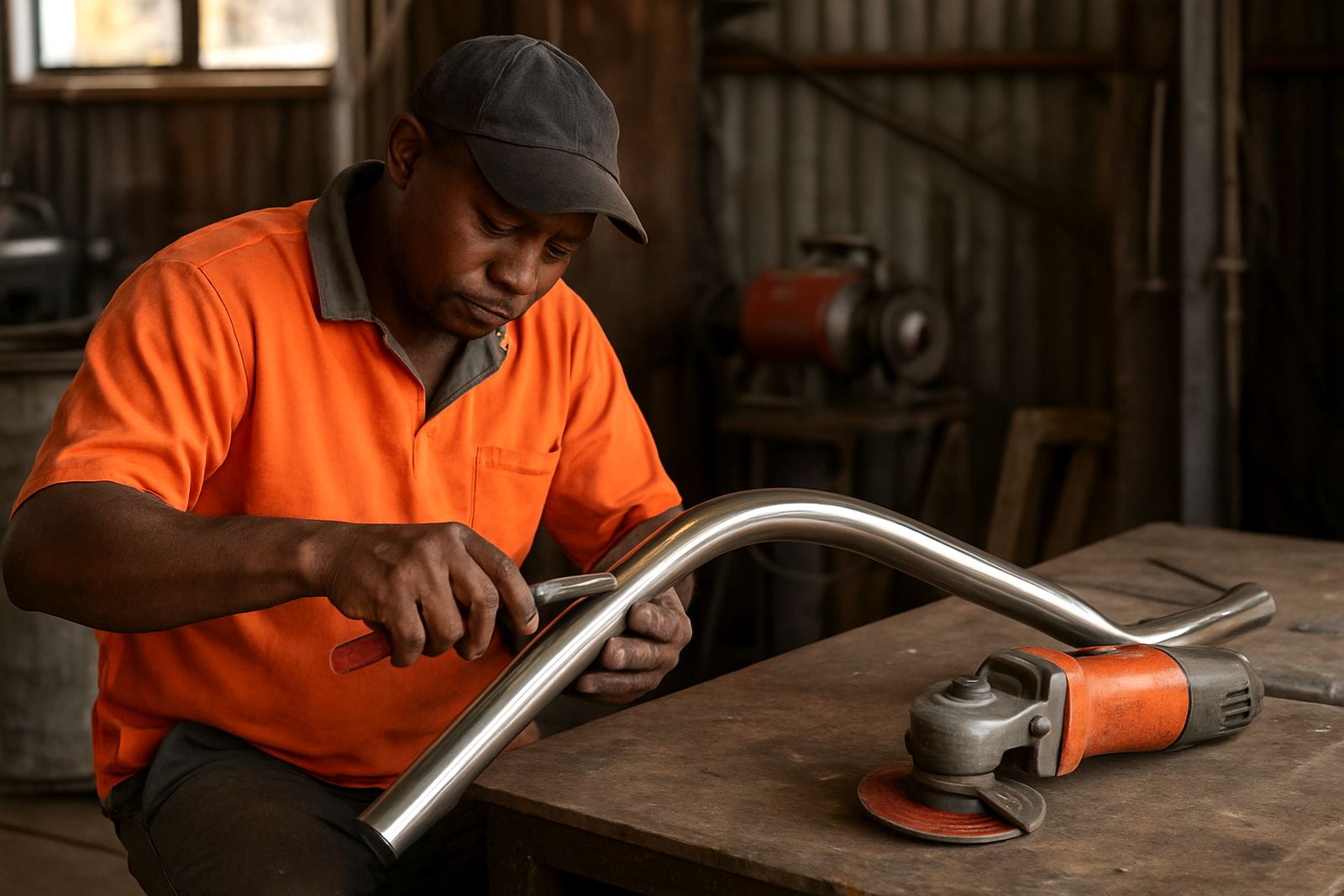
- Fabrication of rails, ladders and mounting parts
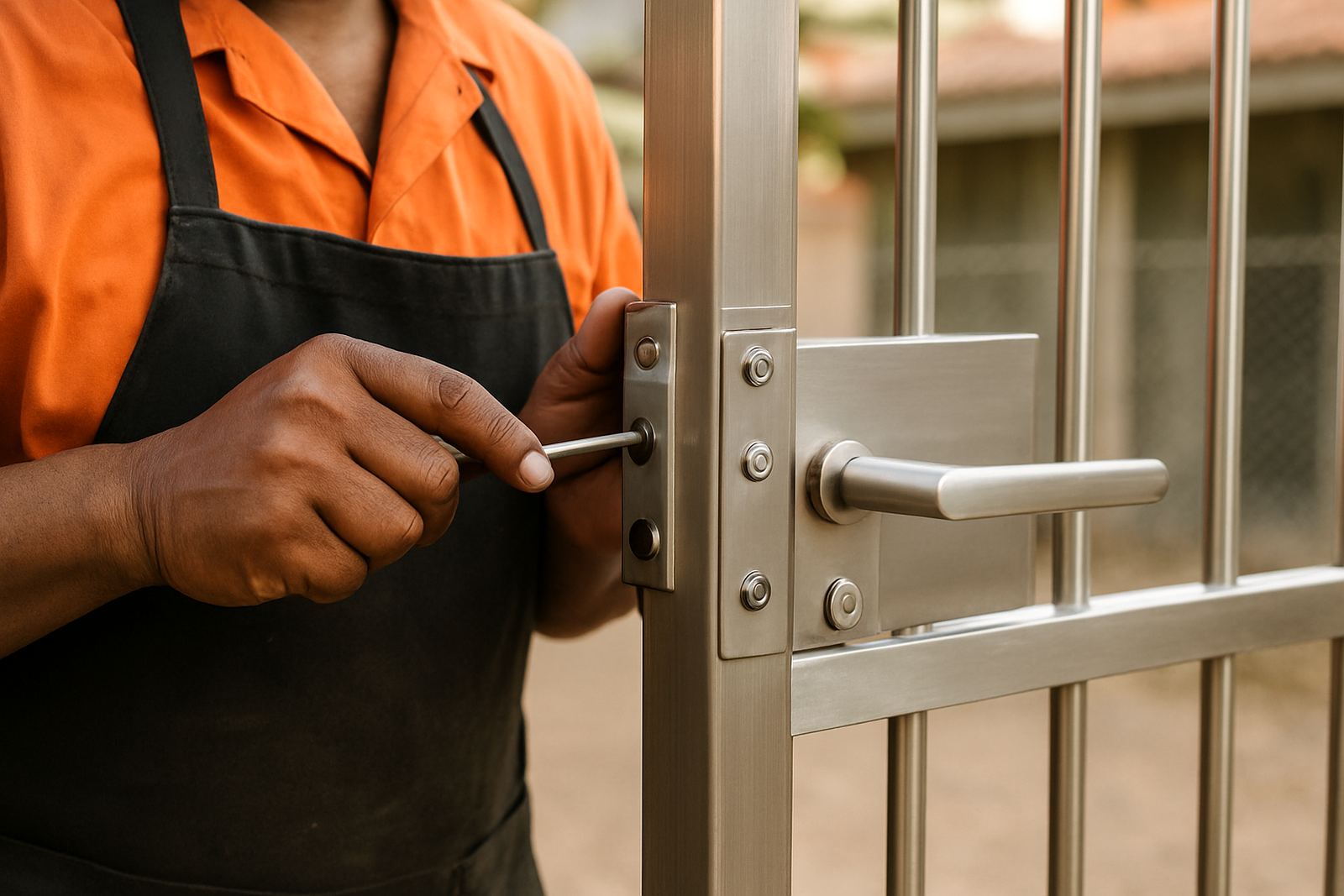
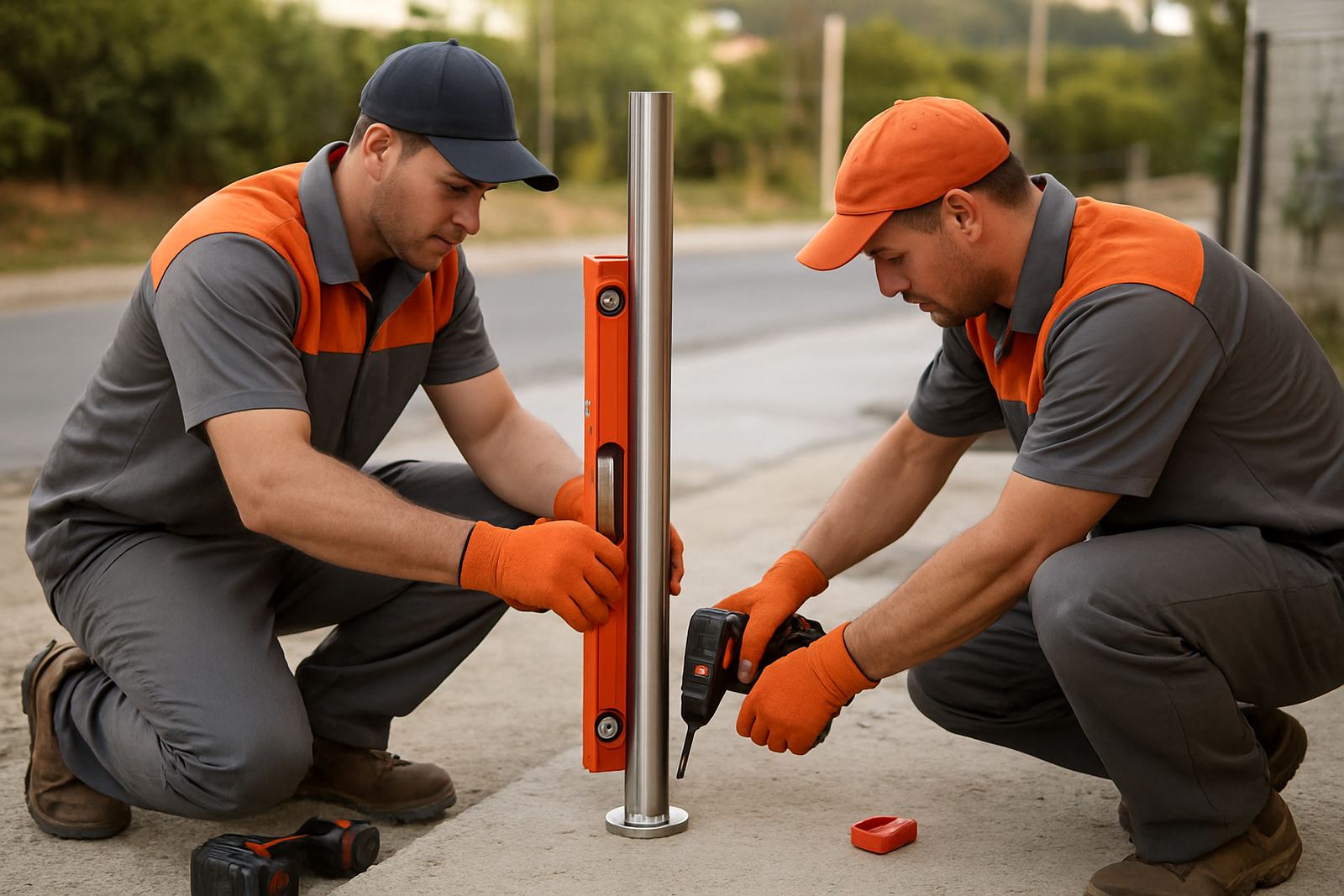
- Onsite fitment with drilling, anchoring and alignment
- Final check for level, height and safe hand grip positions
Materials And Specs We Use For Coastal Conditions
For waterside work we generally specify stainless in grades suited to coastal exposure, with welded joints cleaned and finished so they are easier to maintain. In splash zones and high exposure areas, we look at tube wall thickness, bracket spread and fastener choice carefully. Where a project needs extra strength, we may increase section sizes or add hidden stiffeners rather than leaving a heavier looking rail with poor balance.
Common marine fitout specs include 32 mm to 50 mm tube for handrails, ladder rungs spaced for safe stepping, plate thickness set to suit the fixing load, and a finish that is easy to wash down. If the site is near open water, we also factor in corrosion from salt spray, warm sun, and the cleaning schedule the owner can realistically keep up with. That helps avoid a situation where the rail looks good on day one but starts staining after the first wet season.
Turnaround, Access Planning And Working Around Weather
Turnaround depends on the size of the fitout, site access and whether we are replacing old hardware or starting from scratch. A straightforward rail or ladder can move quickly once measurements are confirmed, while bigger jetties or sites with tricky access may need more planning. On the Garden Route, we also work around weather, tidal windows and local site rules, which can affect when we bring tools and how we stage the install.
For customers in Knysna, Plettenberg Bay, Sedgefield, Wilderness, George and Mossel Bay, we keep communication clear so there are no delays waiting for a missed measurement or a missing fixing. If the site is active, we schedule around use as far as possible so the area stays safe and accessible. It is better to lose an hour to tide timing than to force a bad install and come back twice.
- Small replacement items: often a few working days after approval
- Standard rail and ladder fitouts: usually planned over 1 to 2 site visits
- Complex waterside work: allow extra time for access and weather changes
- Emergency repairs: subject to workshop load and site conditions
Pricing Based On Site Conditions And Hardware Choice
We price marine fitouts according to the actual job, not a flat one size fits all rate. The main factors are site access, total metres of rail, number of fixings, ladder height, material grade, finish, and whether we are removing old steel first. If the site needs marine-grade fasteners, extra brackets, or a more involved installation method, that gets allowed for upfront.
Our quoting approach is practical and transparent. We measure, confirm the scope, then price the fabrication and installation separately where needed so you can see what is included. If there is a way to repair instead of replace, we will say so. In waterside work, a careful repair can sometimes buy another few years of service without turning the whole structure into a bigger bill than it needs to be.
Maintenance Checks That Help Stainless Last Longer
Even stainless in a coastal setting needs regular care. We recommend maintenance checks every 6 to 12 months depending on spray exposure, foot traffic and how often the site gets washed down. These checks pick up loose fixings, surface staining, damaged welds, ladder wear and any movement at the base plates before it becomes a bigger repair.
A simple wash with fresh water goes a long way on jetty and waterside sites. If the site sits in heavy salt air or gets splashed often, more frequent cleaning is worth it. We can also help with stainless repairs and surface restoration where the finish has dulled or the hardware has started marking from neglect. A small service now is usually cheaper than a full replacement later, especially where the sea keeps working on the fittings day after day.
- Check fixings and anchors for movement
- Inspect welds, brackets and hand contact points
- Wash down salt deposits with fresh water
- Schedule repairs before staining becomes deep corrosion
Key facts
| Service area | Knysna, Plettenberg Bay, Sedgefield, Wilderness, George and Mossel Bay |
|---|---|
| Typical products | Handrails, ladders, brackets, cleats, support plates and custom fittings |
| Common tube sizes | 32 mm to 50 mm |
| Work stages | Site measuring, shop drawings, fabrication, installation and final check |
| Maintenance interval | Every 6 to 12 months, depending on exposure |
| Workshop base | Knysna Industria, with onsite installation across the Garden Route |