What tube balustrades are made for
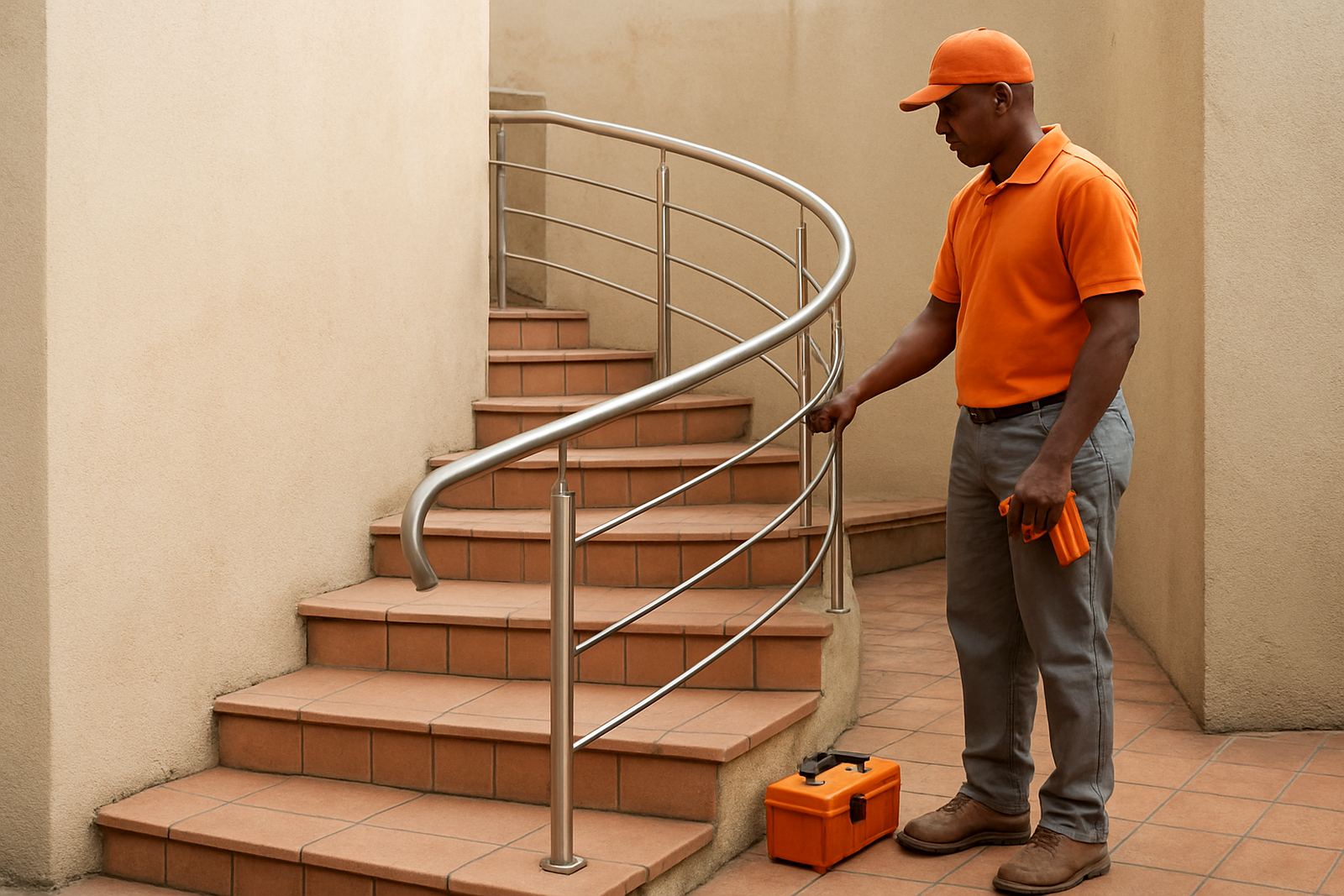
Tube balustrades use stainless steel tubes for the top rail, mid rails and posts, with a layout that keeps people safe without looking heavy. They are a good choice where you want a neat line, clear visibility and a finish that holds up in coastal air. In Knysna, Sedgefield and Plettenberg Bay we fit them on stairs, patio edges, jetty access points, raised decks and walkways at homes, guest houses and small commercial sites.
The tube format works well for both indoor and outdoor use. It is common on timber decks, concrete stairs and tiled landings because the sections can be set out to match the opening exactly. When the spacing is right, the balustrade feels solid under hand and still allows light through the space. For property owners, that matters because it keeps the view open while meeting safety needs.
Typical sizes, tube options and finish choices
We make tube balustrades to suit the site, not the other way round. Standard layouts often use a 38 mm to 50 mm top rail, with 19 mm to 25 mm infill tubes and posts spaced to match the length and load on the run. Heights are usually set between 900 mm and 1 000 mm for domestic stair and deck work, with higher set rails possible where the site calls for it.
- Top rail: round or square profile, usually 38 mm, 50 mm or similar
- Infill tubes: spaced to reduce climbing points and keep the line neat
- Posts: floor mounted, side mounted or fixed to a steel frame
- Finish: brushed satin or polished finish, depending on the look and exposure
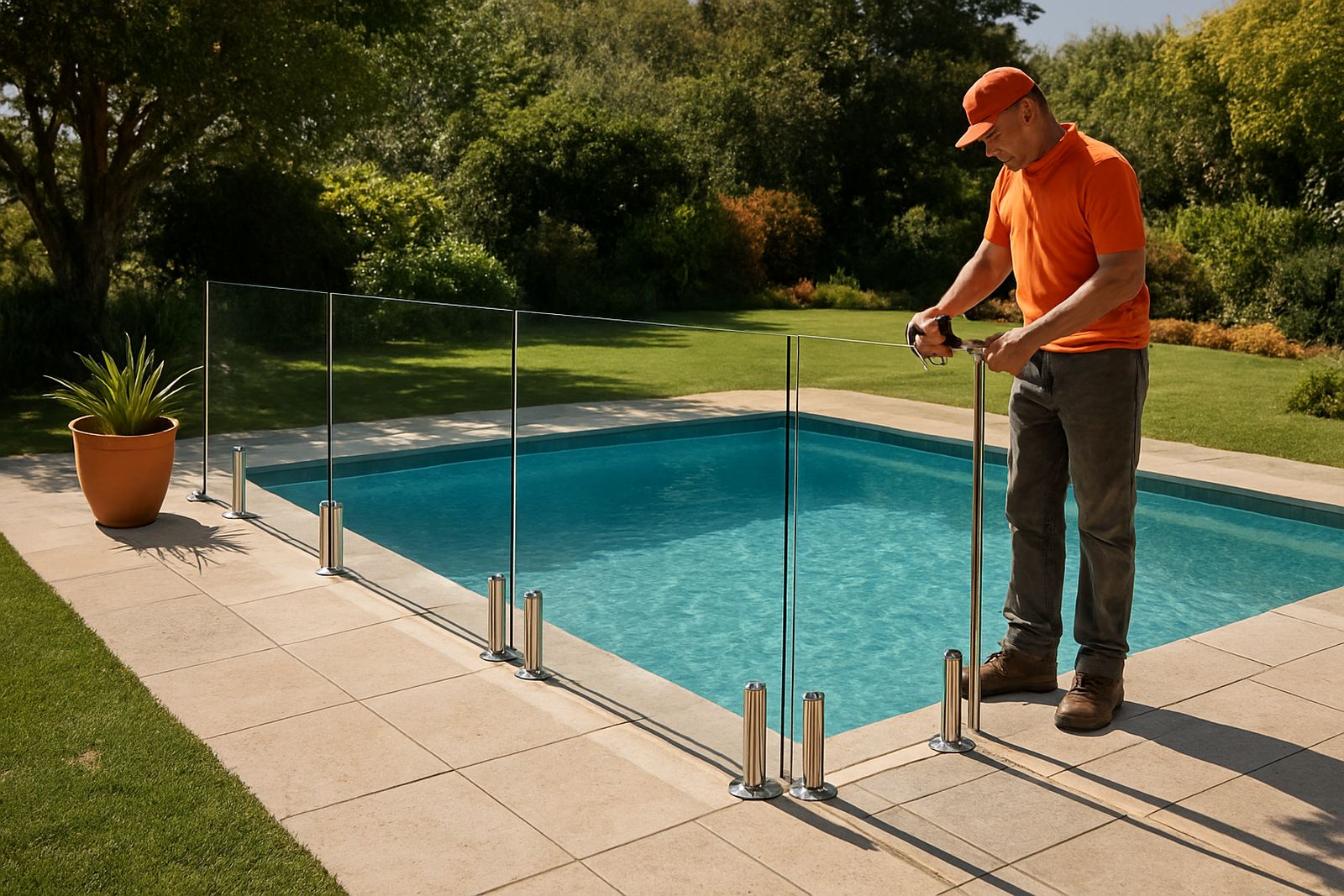
- Glass add-ons: possible on selected sections where wind or splash control is wanted
For coastal areas near Wilderness, George and Mossel Bay we normally discuss grade selection and finish early on. Salt air, spray and regular moisture can mark the surface over time, so the right material and maintenance plan matter. A brushed finish is often easier to keep looking even, and a polished finish can work well where the client wants a brighter look.
Where tube balustrades suit best
Tube balustrades are practical on sites where there is foot traffic, changing levels or exposed edges. They are commonly fitted to front stoops, first floor balconies, pool surrounds, stairs between living areas and garage access steps. Lodges and holiday homes use them because they are tidy to clean and do not block the view from a deck or terrace.
They also suit rental property upgrades where the owner wants a strong, low maintenance barrier that does not need regular repainting. In the Garden Route, weather changes can be hard on painted steel or untreated fittings, especially where moisture sits overnight. Stainless helps reduce that problem, and if the balustrade is detailed properly at the base it is less likely to trap dirt, water or leaves.
- Home staircases and split level floors
- Deck edges and balcony fronts
- Walkways and raised platforms
- Lodge, guesthouse and rental property upgrades
- Pool access areas and garden steps
How we install it on site
We start with site measuring, because a balustrade that fits properly is easier to install and safer in use. Our team checks the finished floor level, edge conditions, fixing points and any changes in slope before the workshop makes the parts. Shop drawings are used where the run has corners, returns or a mix of stair and level sections.
Onsite installation normally needs drilling, fixing and alignment work, and for welded sections we use workshop power at our Knysna Industria base before delivering the finished parts. No gas supply is needed from the client for a standard balustrade install, but if site work requires cutting or local adjustment we bring the tools and consumables. Access can matter on narrow sites in old Knysna streets, so we also plan delivery and handling around stairs, parking and neighbour access. Our installation lead checks that posts are plumb, rails are level and the finish is tidy before handover.
If the balustrade is being fitted with glass panels on selected sections, we allow for the extra fixing detail and clearances needed at the clamps or channels. That helps avoid loose movement later, especially where wind pressure is part of the site condition.
Care in coastal air and regular servicing
Stainless steel still needs care, especially near the sea. Salt film, dust and hand marks can build up on tube balustrades if they are not washed down now and then. A simple rinse with clean water and a soft cloth usually keeps the surface in good shape. For heavier buildup, a mild soap solution works better than harsh cleaners or abrasive pads.
We recommend more regular cleaning for homes in Plettenberg Bay, Sedgefield and Mossel Bay where the air carries more moisture and salt. If the balustrade is beside a pool, it should also be checked for chemical splash, because that can affect fittings over time. Maintenance checks can include tightening fixings, checking welds, looking for discolouration and making sure the posts have not shifted after heavy use. A small bit of attention now can save a bigger repair later.
- Wash down with clean water after salty weather
- Use soft cloths, not steel wool
- Check fasteners and brackets every few months
- Inspect for marks around pool chemicals or fertiliser spray
- Report loose rails or movement early
What to confirm before you order
Before ordering a tube balustrade, it helps to confirm the exact run length, the finished height needed, and whether the balustrade is going onto concrete, timber, steel or masonry. You should also decide if you want posts on top of the surface or fixed to the side, because that changes the bracket detail and the overall look. If there are steps, ask for the stair angle and number of risers to be checked properly.
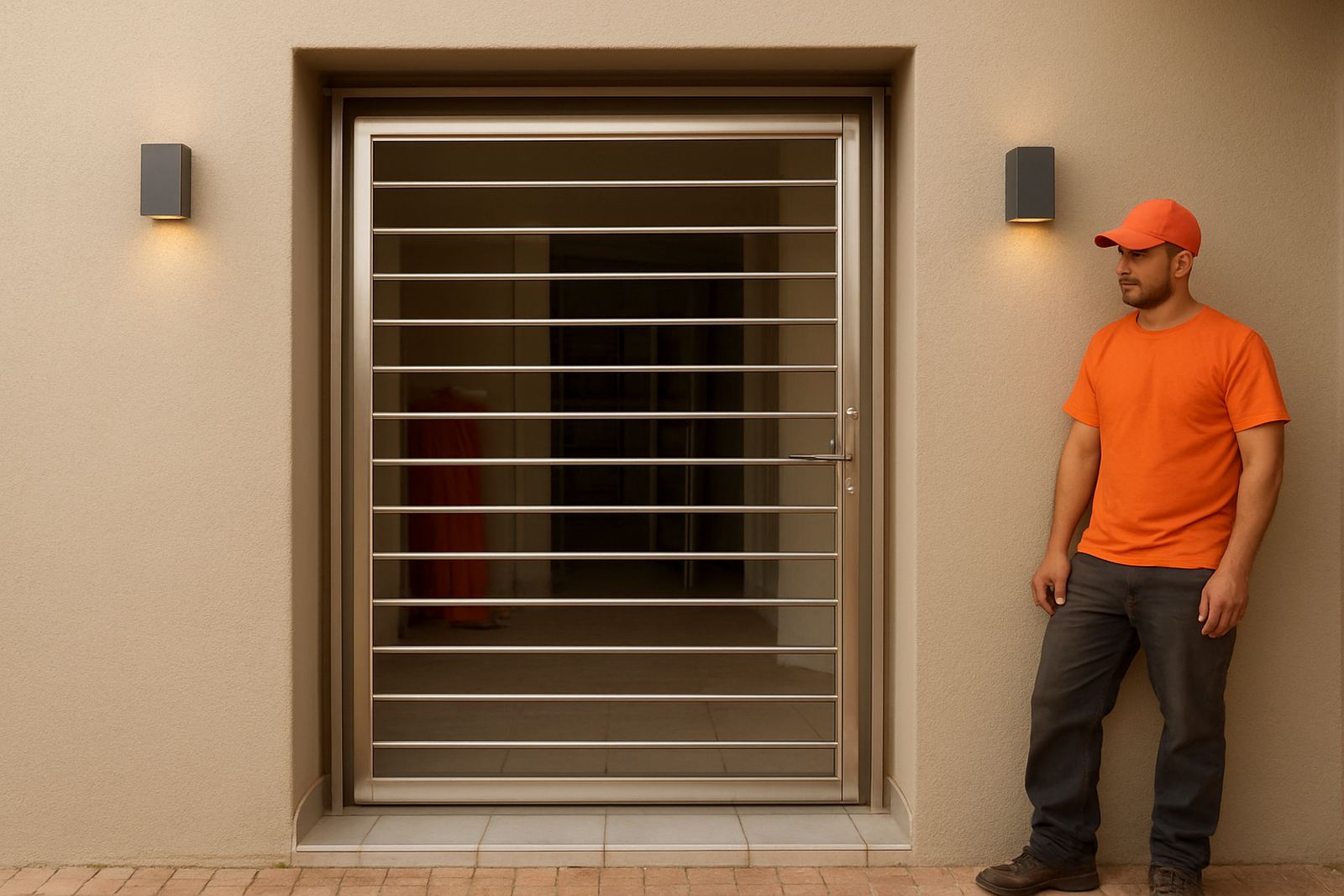
It is also worth asking how the balustrade will handle the local environment. A lodge near the lagoon, for example, may need a different maintenance plan from a house inland in George. If you are adding gate sections, child safety details or glass panels, say so at the measuring stage so the shop drawings can include them. The more complete the brief, the fewer changes needed on site and the cleaner the final finish.
For owners and contractors, the main thing is to make sure the balustrade is not just good-looking, but suited to the actual use of the space. A family deck, a rental unit and a marine access walkway all need slightly different detailing, and that is where proper measuring makes the difference.
Key facts
| Material | Stainless steel tube construction for indoor and outdoor use |
|---|---|
| Common tube sizes | 38 mm to 50 mm top rail, 19 mm to 25 mm infill tubes |
| Typical height | 900 mm to 1 000 mm for most domestic runs, higher where specified |
| Fixing options | Top mounted or side mounted posts, subject to site conditions |
| Finish options | Brushed satin or polished finish |
| Service area | Knysna, Plettenberg Bay, Sedgefield, Wilderness, George and Mossel Bay |