Why the same stainless can look so different
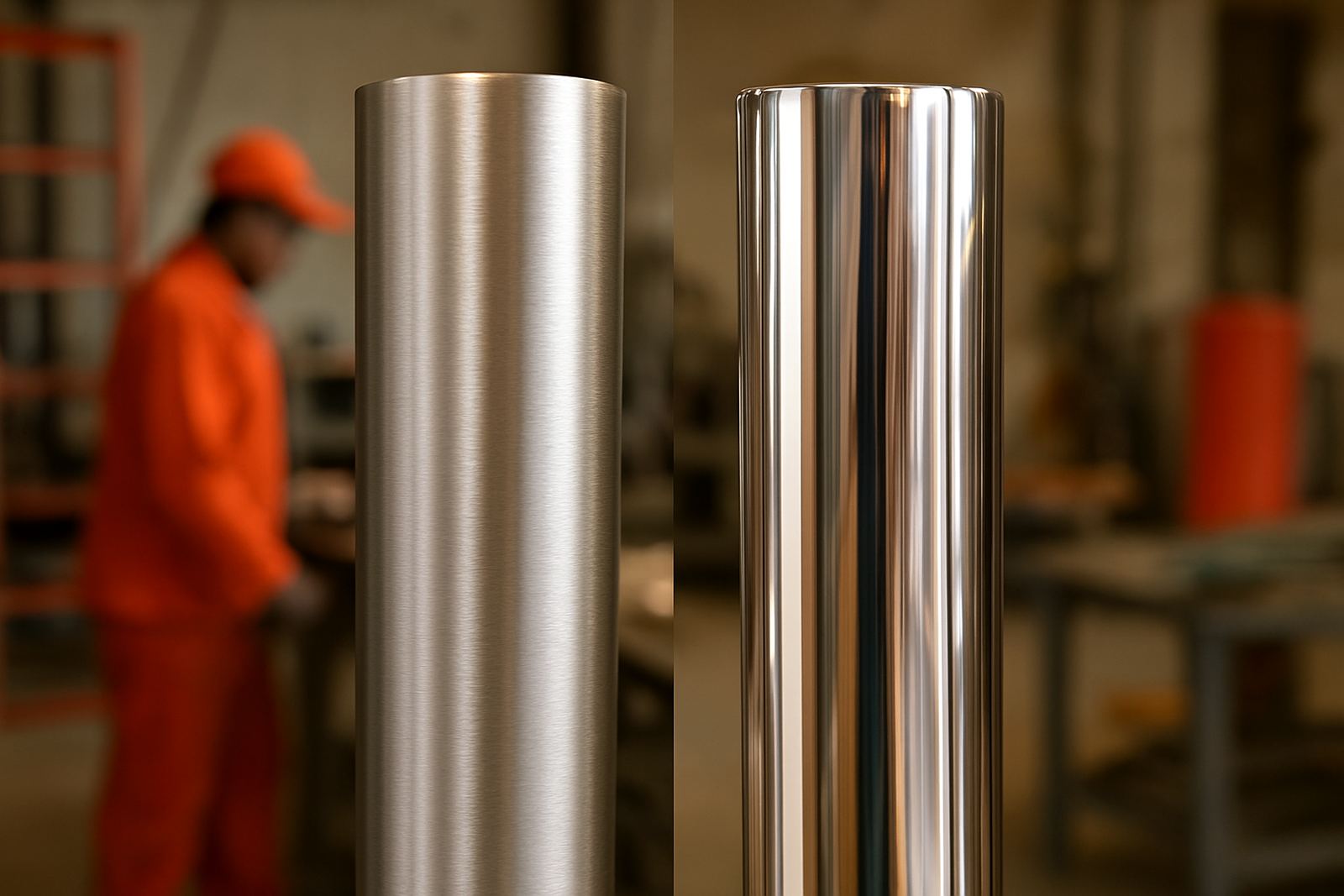
When people ask for stainless steel, they often mean the look as much as the material. A brushed finish has a fine directional grain, while a polished finish is smooth and reflective. Both can work well on balustrades, gates, handrails and marine parts, but they suit different jobs.
At our Knysna Industria workshop, we usually start with the use of the item. A gate that gets touched every day needs a finish that hides fingerprints and small scratches. A handrail near a holiday rental may need something that stays neat with less wiping. The finish choice changes how the item ages, especially in coastal humidity and salt carry from the bay.
Brushed stainless for everyday wear and easier upkeep
Brushed stainless has a softer, more practical look. The grain helps disguise marks from hands, cleaning cloths and light scuffs from keys or bags. For many homes in Sedgefield, Wilderness and Plettenberg Bay, that makes it a solid choice for balustrades and handrails that people use daily.
- Hides small scratches better than a mirror finish
- Shows fewer fingerprints
- Works well on larger surfaces like railings and gate frames
- Usually suits modern homes and simple commercial spaces
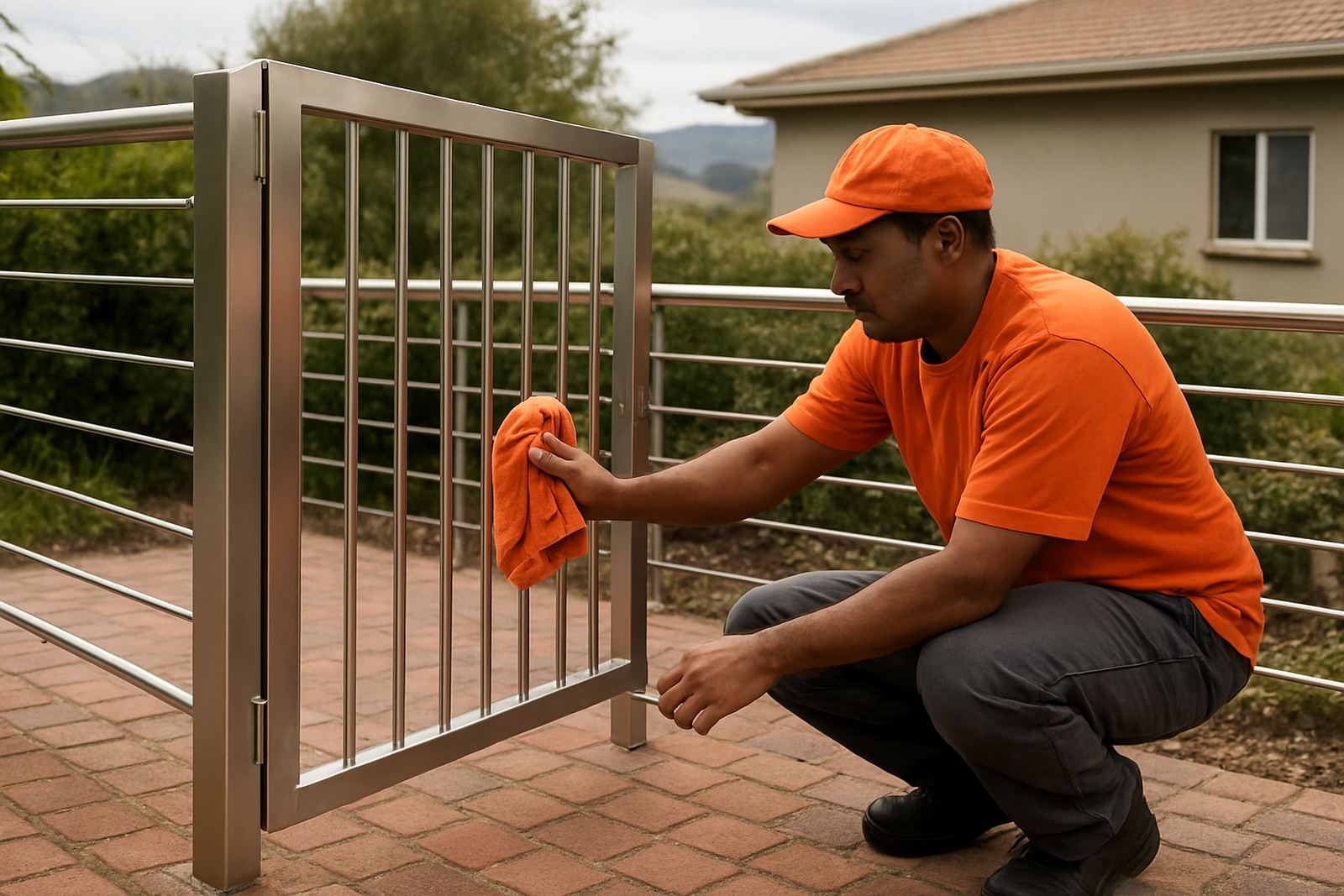
It is also easier to keep tidy when loadshedding means cleaning may happen at odd times with less water or less light. A quick wipe with a soft cloth and mild cleaner is usually enough. If the item has been fabricated and fitted properly, the brushed finish can stay neat for years with only light maintenance.
Polished stainless where reflecton and detail matter
Polished stainless has a bright, clean appearance and can lift the look of an entrance, staircase or feature piece. It is often chosen where the client wants a sharper finish, or where the item needs to match glass and other smooth materials. In a restaurant, office foyer, or upmarket house in Knysna Heights, it can make a strong first impression.
The trade-off is maintenance. Polished surfaces show fingerprints, water spots and fine scratches more easily. If the item is near the coast, regular wiping matters because salt film builds up faster than many people expect. That does not mean polished stainless is a problem, only that it asks for more care, and a bit more discipline when cleaning.
- Best for feature areas and visible finishes
- Needs more frequent cleaning
- Shows marks faster in high-touch areas
- Can look very neat when maintained properly
Coastal conditions in the Garden Route change the decision
Knysna, George and Mossel Bay all bring different levels of sea air, wind and moisture. Near the coast, even good stainless will collect grime, salt and fine airborne dirt. A finish that looks great in a dry inland area may need more attention here. That is why we often talk clients through the daily reality before we cut or weld anything.
For a holiday home in Brenton-on-Sea, a brushed handrail might be the practical answer because it will be used by many different people and cleaned between bookings. For a polished feature on a reception counter in George, the main concern may be appearance under lighting. The right answer is not always the prettiest one on day one, it is the finish that still looks right after 12 months of use.
Where each finish works best on the property
Some projects call for one finish throughout. Others work better with a mix. We often suggest brushed for the high-contact parts and polished for feature details. That keeps maintenance sensible without losing the cleaner look where people notice it most.
- Brushed: balustrade posts, handrails, gates, pool surrounds, service areas
- Polished: feature rails, visible trims, lift surrounds, display edges, decorative parts
- Mixed finish: public entrances, staircases and marine fitouts where both appearance and handling matter
On custom work, the finish should also suit the fabrication method. A neat weld, proper grinding and careful final dressing matter just as much as the surface sheen. If the prep is poor, even the best finish will look tired quickly, so the workmanship has to match the brief from the start.
How we help clients choose before fabrication starts
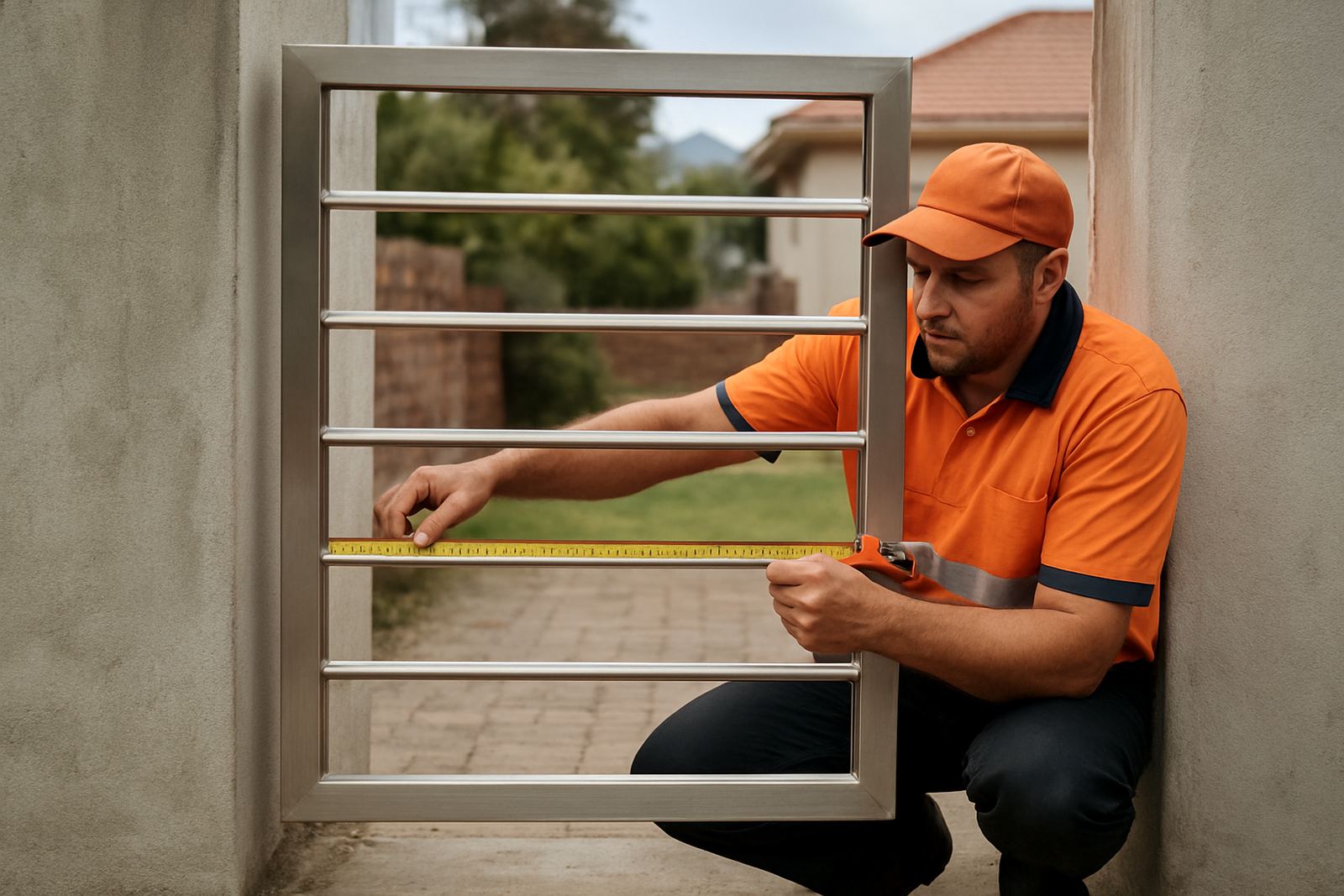
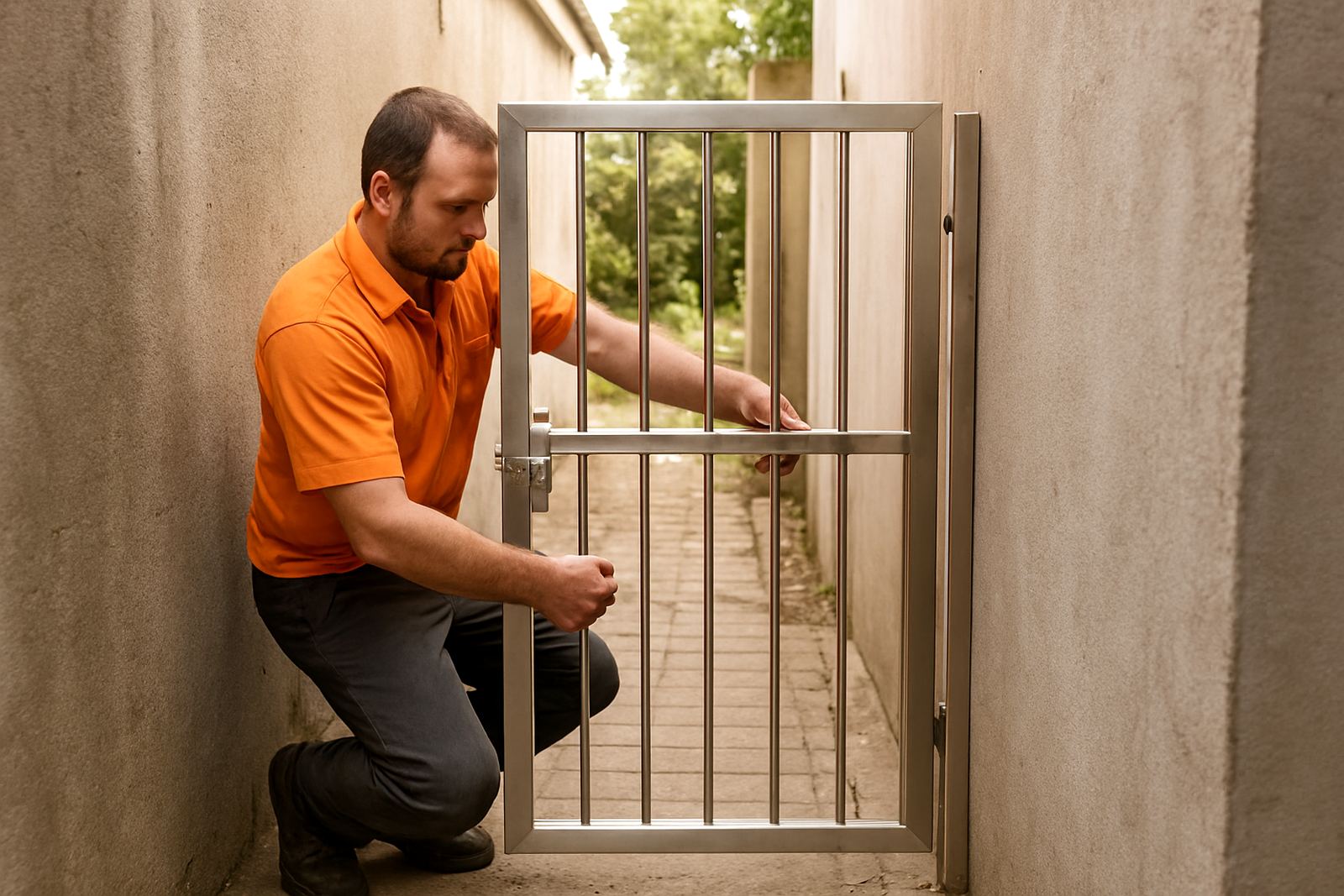
At Sisonke Stainless, we measure on site, prepare shop drawings and talk through finish options before production begins. That saves time later and avoids replacing parts because the wrong surface was chosen for the job. We also consider gate hardware fitment, glass fitment and marine fitouts where the finish has to work with other materials.
For example, a client in Plettenberg Bay wanted a staircase balustrade for a rental unit that faces the sea. The first thought was polished because it looked brighter. After checking the traffic through the property, we recommended brushed for the main rail and polished only on the small visible trims. It kept the look neat, reduced fingerprints, and made the weekly cleaning easier for the manager. That kind of practical call is often the difference between a project that looks good and one that stays good.
If you are comparing brushed and polished stainless for a home, shopfront or coastal property, think about who will touch it, how often it will be cleaned, and what the weather will do to it over time. That is usually where the answer is found.