Why the first month matters on the Garden Route
Freshly installed balustrades, handrails and gates settle in during the first few weeks. Fasteners can ease slightly, sealant may finish curing, and daily use shows up spots that were not obvious on day one. In Knysna, Sedgefield and Wilderness, coastal moisture can also leave light marks on new stainless if it is not wiped down after rain or spray.
A proper first month routine does not mean heavy maintenance. It means checking the work in normal use, keeping the surface clean, and spotting anything early while the fix is still simple.
Start with a 48-hour visual check
Two days after installation is a good time to walk the full job with the installer or site contact. Look for loose fittings, marks from handling, and any movement where the stainless meets glass, masonry or timber. If a gate was fitted, test the latch, hinges and stops a few times under normal use.
- Check that all screws and caps are seated properly
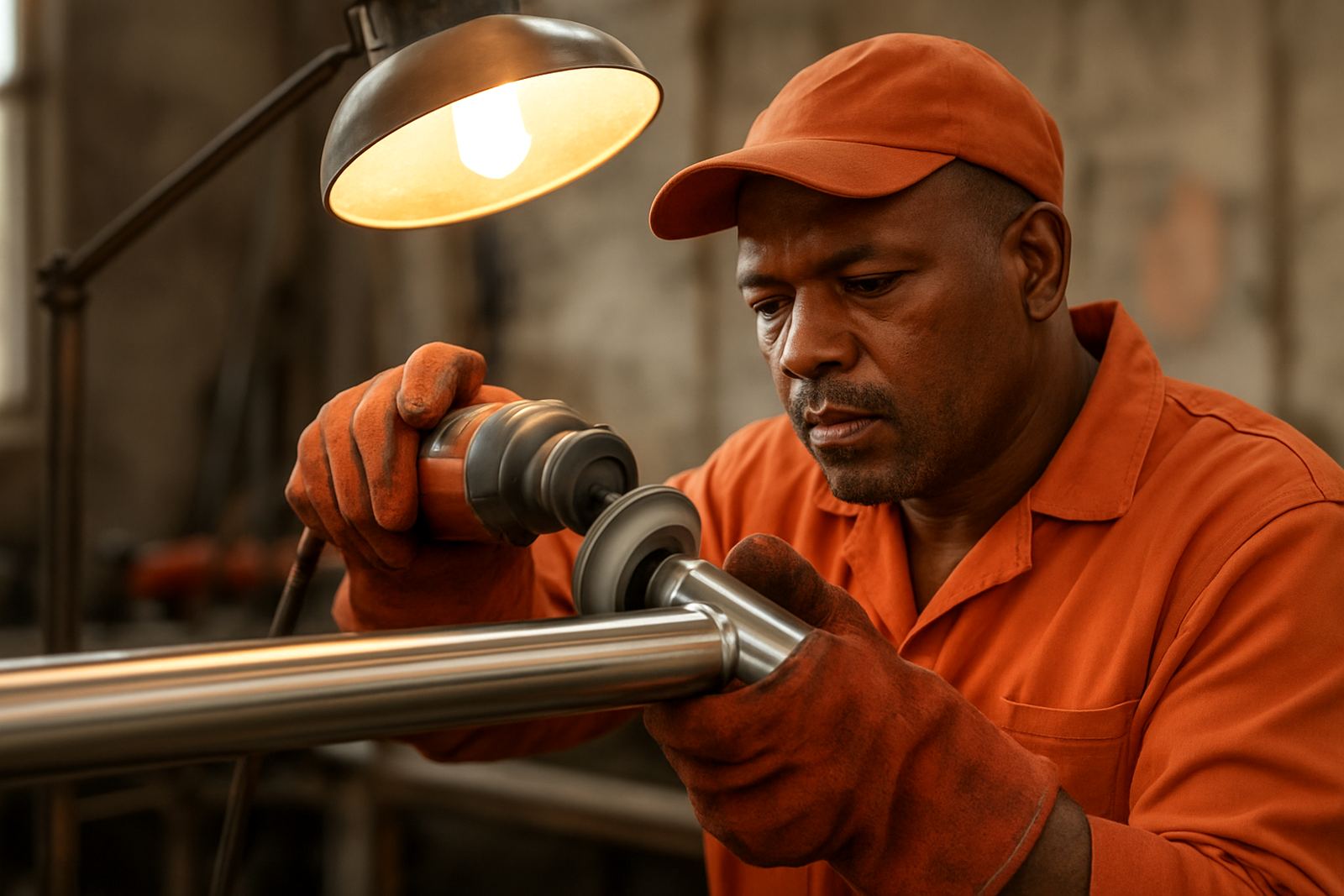
- Look for glue, pencil marks or grinding dust left behind
- Make sure glass clamps and standoffs are not pinching unevenly
- Open and close moving parts slowly to listen for rubbing
If something is not right, report it early. A small tweak on a new fitout is far easier than repairing wear later.
Cleaning that protects the finish
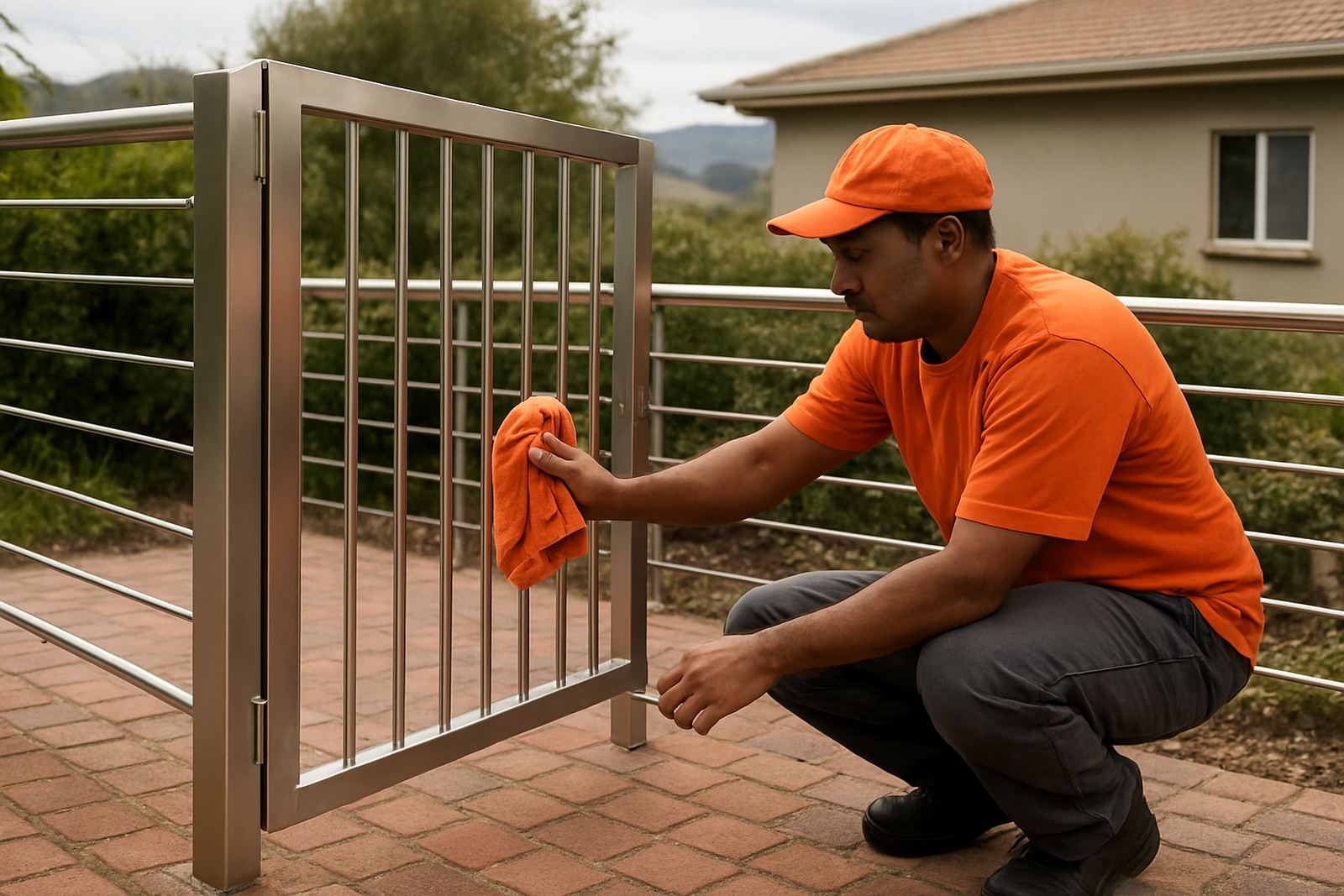
For the first month, keep to mild cleaning. Use clean water and a soft cloth, then dry the surface off so droplets do not leave marks. On coastal jobs in Plettenberg Bay or Mossel Bay, a quick rinse once a week is often enough to remove salt before it settles.
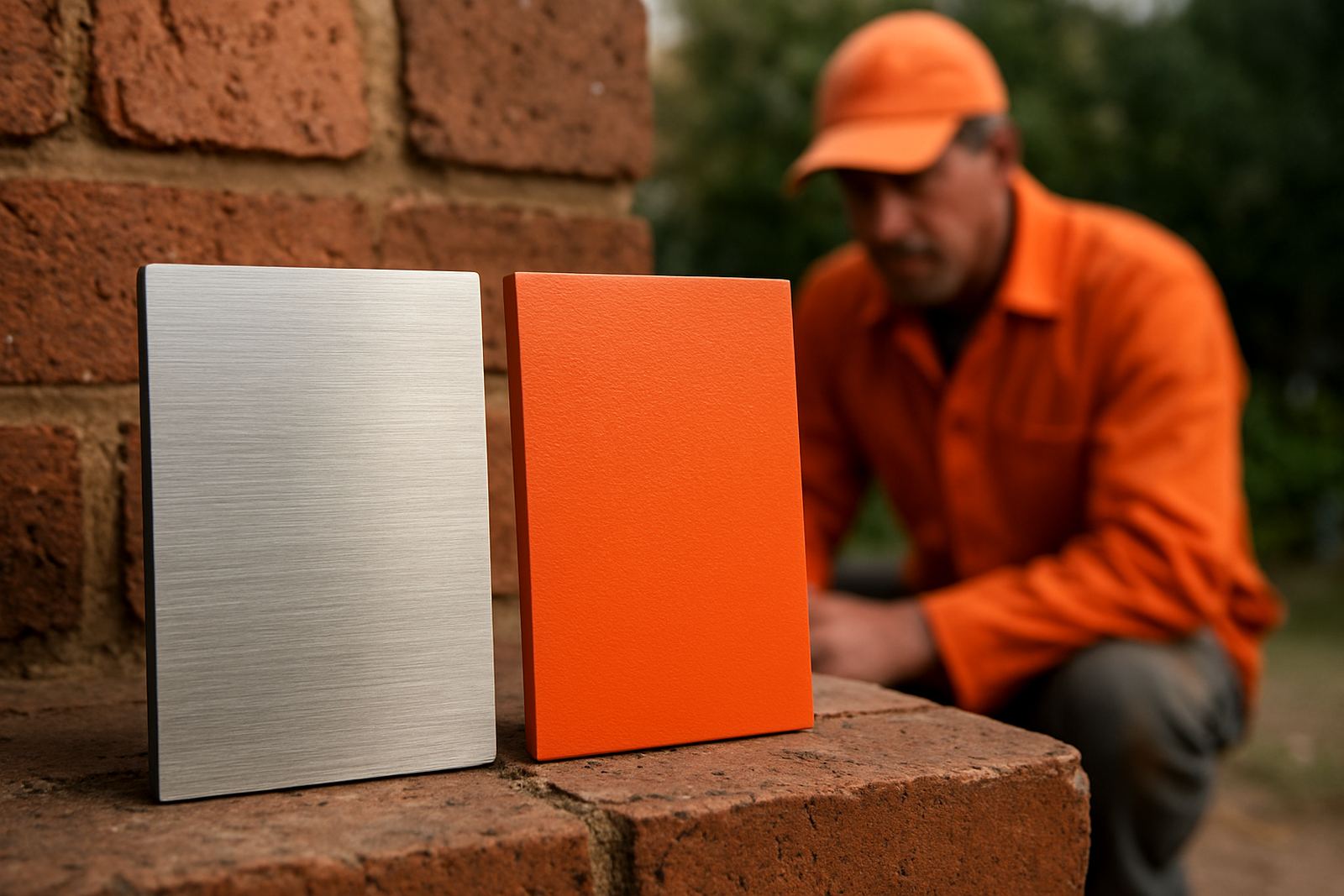
Avoid abrasive pads, steel wool, and strong acids or harsh cleaning products. These can scratch the finish or leave the surface dull. If there is construction dust nearby, rinse first before wiping, because dry grit can score the metal. It sounds simple, but many problems start with the wrong cloth.
What to watch for on gates, handrails and balustrades
Different products need slightly different checks. A gate works hard from day one. A handrail gets touched often. A balustrade holds steady and should stay true under load. During the first month, keep an eye on the areas that move or carry most use.
- Gates: hinge tightness, latch alignment, stop position and any dragging on the floor
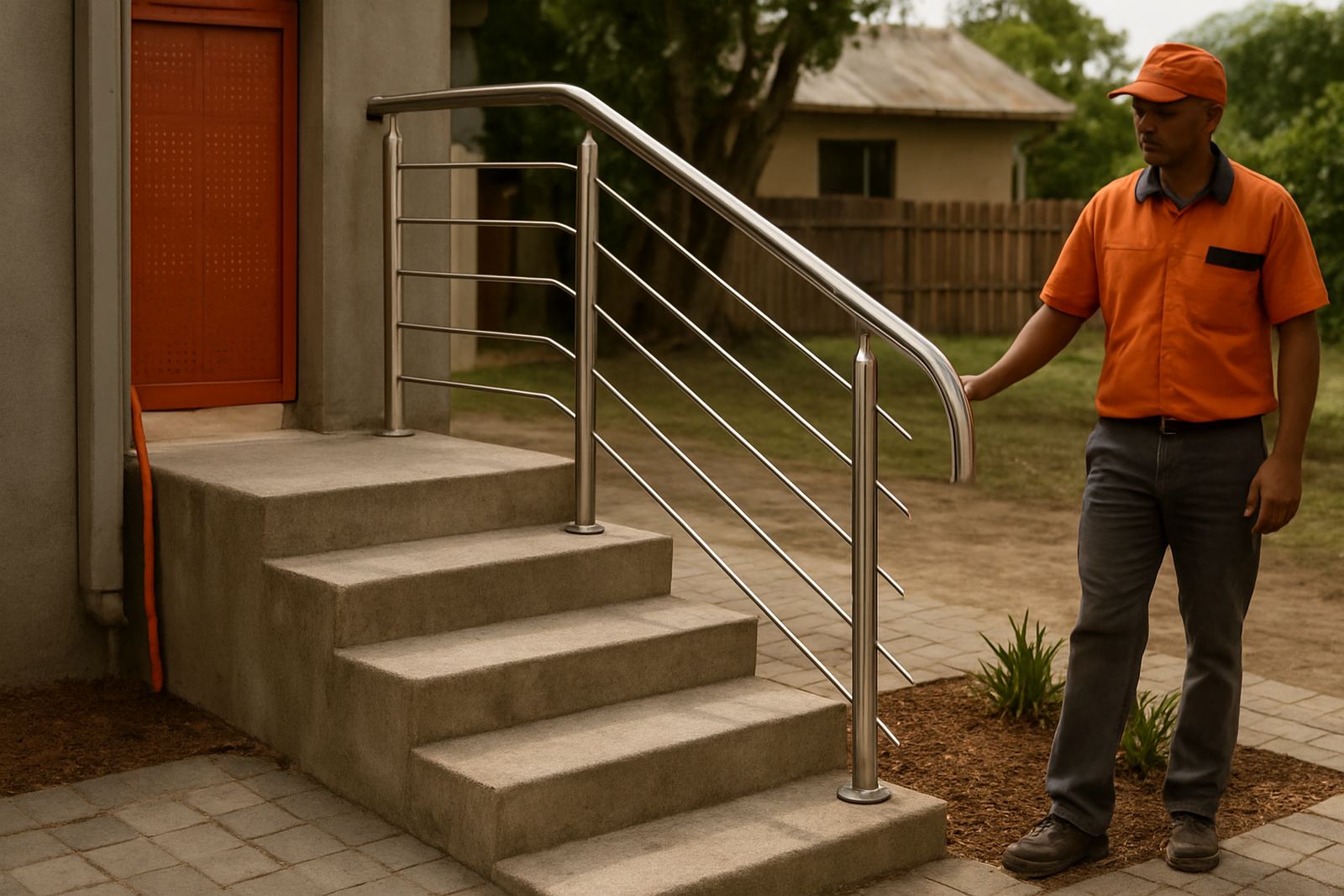
- Handrails: firmness at wall brackets and joints, especially on stair runs
- Balustrades: glass seating, post caps, base plates and any sign of wobble
- Marine fitouts: extra attention to salt build-up, fasteners and dissimilar metal contact
At one Knysna home near the lagoon, a gate and front balustrade were checked after the first week. The hardware was fine, but the lower hinge needed a small adjustment because the paving had settled slightly after heavy rain. Catching that early saved the owner from wear on the latch and a noisy swing later.
Keeping stainless safe during building and move-in
Many first-month issues happen because the site is still busy. Paint splashes, cement dust, plaster, tile grout and moving furniture can all mark the finish. If other trades are still on site, ask them to keep tools and ladders away from the stainless where possible.
Use simple site habits to protect the installation:
- Cover nearby work areas before sanding or painting
- Do not lean wet timber or bags of cement against stainless posts
- Move appliances, bins and boxes carefully past handrails
- Wipe off any cement or plaster soon as possible, before it hardens
Once materials like grout or mortar cure on the surface, removal takes longer and can leave visible marks. A small amount of care during move-in helps the finish stay clean from the start.
When to call for a maintenance check
Most installations will settle without drama, but certain signs mean it is time to call for a look. If a gate starts dropping, a handrail feels loose, or a balustrade shows movement at the fixings, do not leave it. Likewise, if you see rust-coloured staining, it should be checked quickly so the cause can be found and sorted.
Surface marks from fingerprints or coastal deposits are normal, but pitting, repeated squeaks, or water entering a fixed joint need attention. On a beachfront or river-facing property, an early maintenance check in the first month can be a smart part of the handover, not an extra cost later on.
A simple first-month routine that works
If you want a plain rule for the first month, keep it this simple: inspect, clean, dry, repeat. That routine suits homes, guesthouses and small commercial sites from George to Knysna Industria. It takes only a few minutes, and it helps stainless keep its finish in our humid coastal climate.
Use this short schedule:
- Week 1: visual check after installation and again after the first heavy rain
- Week 2: light clean with water, soft cloth and dry wipe
- Week 3: test gates, latches and brackets for movement
- Week 4: final walk-through and note any touch-ups needed
Once the first month is done, the installation usually moves into normal low-maintenance care. That is where stainless does its job best, with only regular washing and sensible use.