Start With How the Gate Will Be Used
Before you choose a gate layout, think about daily use. A pedestrian gate for a side path has very different needs from a main driveway gate that opens ten times a day for cars, deliveries and school runs. In Knysna and the wider Garden Route, we also look at space, slopes, coastal moisture and whether the property gets strong wind off the lagoon or sea side.
A good design begins with clear measurements at site. That means the opening width, the wall or pillar positions, the available swing path, the ground level and where the lock and hinges can sit safely. If the gate is for a home in Sedgefield or a small guesthouse in Wilderness, the layout should let people move through easily without fighting a stiff latch or a narrow opening.
As a rule, we try to match the gate to the way the property functions. If the opening is used by older people, children, staff or visitors carrying bags, the walkway should not feel cramped. If the gate is for a business yard, it needs to stand up to repeated use and allow quick access for vehicles and maintenance staff.
Pedestrian Gates: Simple, Narrow and Easy to Lock
Pedestrian gates are usually the cleanest option for side entrances, garden paths and walk-through access points. The standard width depends on the opening, but many fall between 800 mm and 1 000 mm clear opening, which gives enough room for one person, a trolley or a bin without wasting space. In coastal areas we often keep the layout plain and practical, with fewer pockets where salt and dirt can collect.
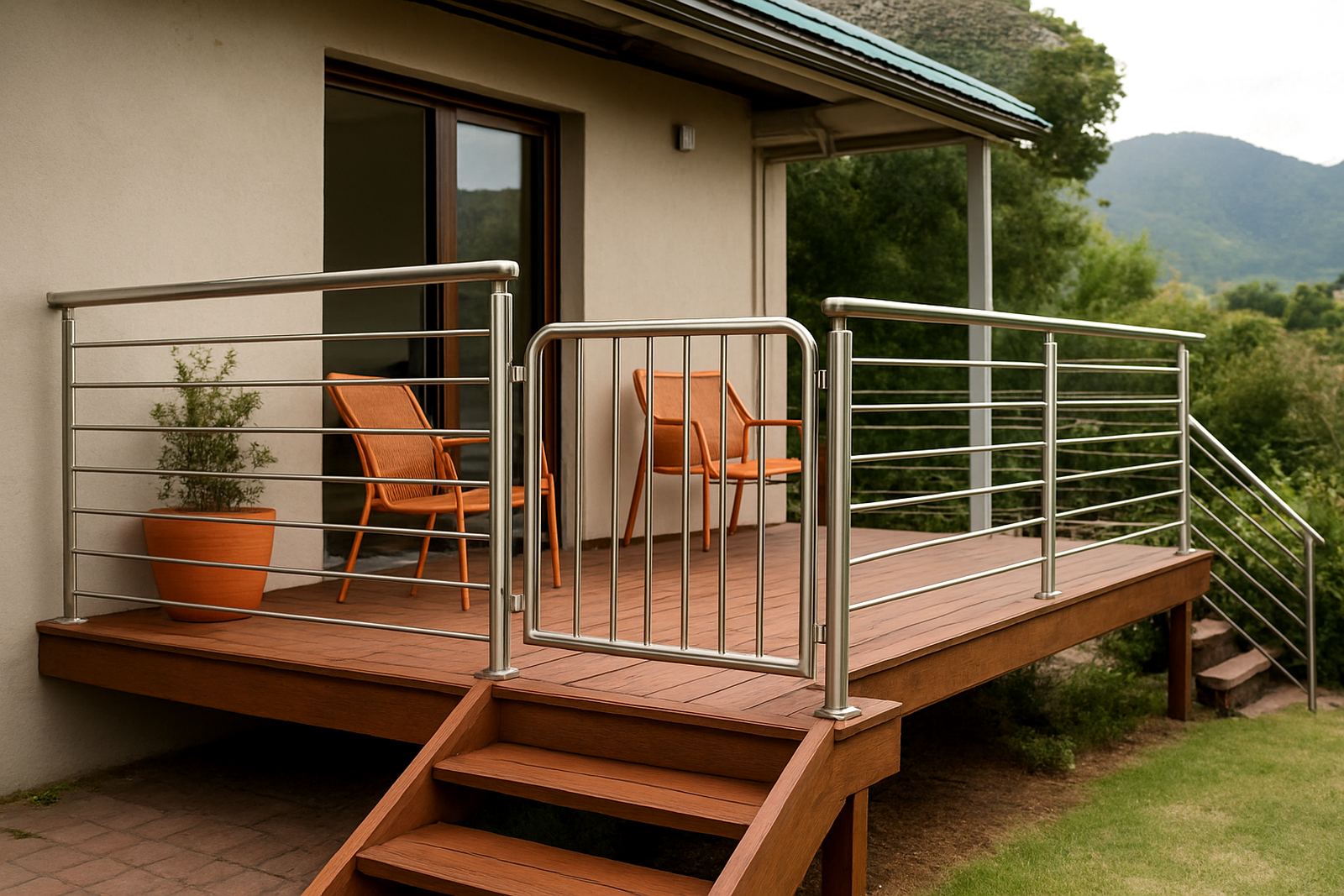
For homes in Plettenberg Bay or Knysna, a pedestrian gate can be matched to boundary fencing, balustrade lines or driveway gates so the property looks consistent. The frame should allow for straight hinges, a solid closing edge and a lock position that is easy to reach. If the wall is not square, we can adjust the gate leaf and the posts to stop the latch from binding later.
Useful details to decide on early:
- Clear opening width for daily use
- Left-hand or right-hand opening direction
- Latch or lock position at a comfortable height
- Whether the gate must open inward or outward
- Space for a door closer or magnetic lock if required
For seaside properties, stainless is often chosen because it handles humidity better than mild steel. It still needs care, but it gives you a better chance of avoiding rust stains on paving and paintwork.
Swing Gates: Best for Straight Driveway Access
Swing gates are still a very common choice for driveways where there is enough room for the leaves to open freely. They suit homes with level forecourts, wide entrances and driveways that do not sit too close to a boundary wall or a public pavement. If the property is on a slope, the swing path must be checked carefully because a gate that drags on the ground will wear quickly and can become hard to use.
There are two main layouts. A single swing gate uses one leaf across the full opening, while a double swing gate splits the opening into two leaves. A single leaf is often simpler for pedestrian use or smaller driveways, while double leaves can look neat on wider entrances and reduce the weight on each hinge set. On larger properties in George or Mossel Bay, double gates often make sense where there is enough turning room and the driveway surface is even.
Things that affect the choice:
- Driveway width and vehicle turning space
- Wall or pillar strength for hinge support
- Wind exposure at the property
- Ground level and any slope across the opening
- Whether the gate must be manual or automated later
A practical point many owners miss is gate weight. Stainless looks neat, but the frame still needs to be sized properly so the hinges do not take strain. If the gate is too heavy for the posts, the alignment will move over time and the latch line will start to fail.
Sliding Gates for Tight Space and Steeper Sites
Sliding gates are the better choice where there is not enough room for swing leaves, or where the driveway sits close to a pavement, garden path or parked vehicles. They are also useful where the ground falls away or rises sharply, because the gate travels along a fixed line instead of swinging through an arc. In Knysna Industria and around town, we often see sliding gates used on properties where every metre counts.
There are two main layouts here as well. A ground-track gate runs on a lower track and is useful when the opening and driveway can stay clean enough for the wheels and rail. A cantilever gate does not need a ground track across the opening, which helps in sandy, leafy or uneven areas, but it needs more support space to one side. That extra space must be planned from the start or the whole layout becomes awkward.
Sliding gates work well for:
- Narrow driveways with no swing room
- Properties near the road edge or pavement line
- Sites where wind pressure makes swing leaves difficult
- Yards where vehicles need fast access
- Homes with automation plans for later fitting
For many Garden Route properties, a sliding gate is also easier to manage in heavy rain because it does not need a big clear opening arc. If the track or guide points are set correctly, the gate can stay smooth and stable with less effort from the user.
Style Choices That Affect Daily Use
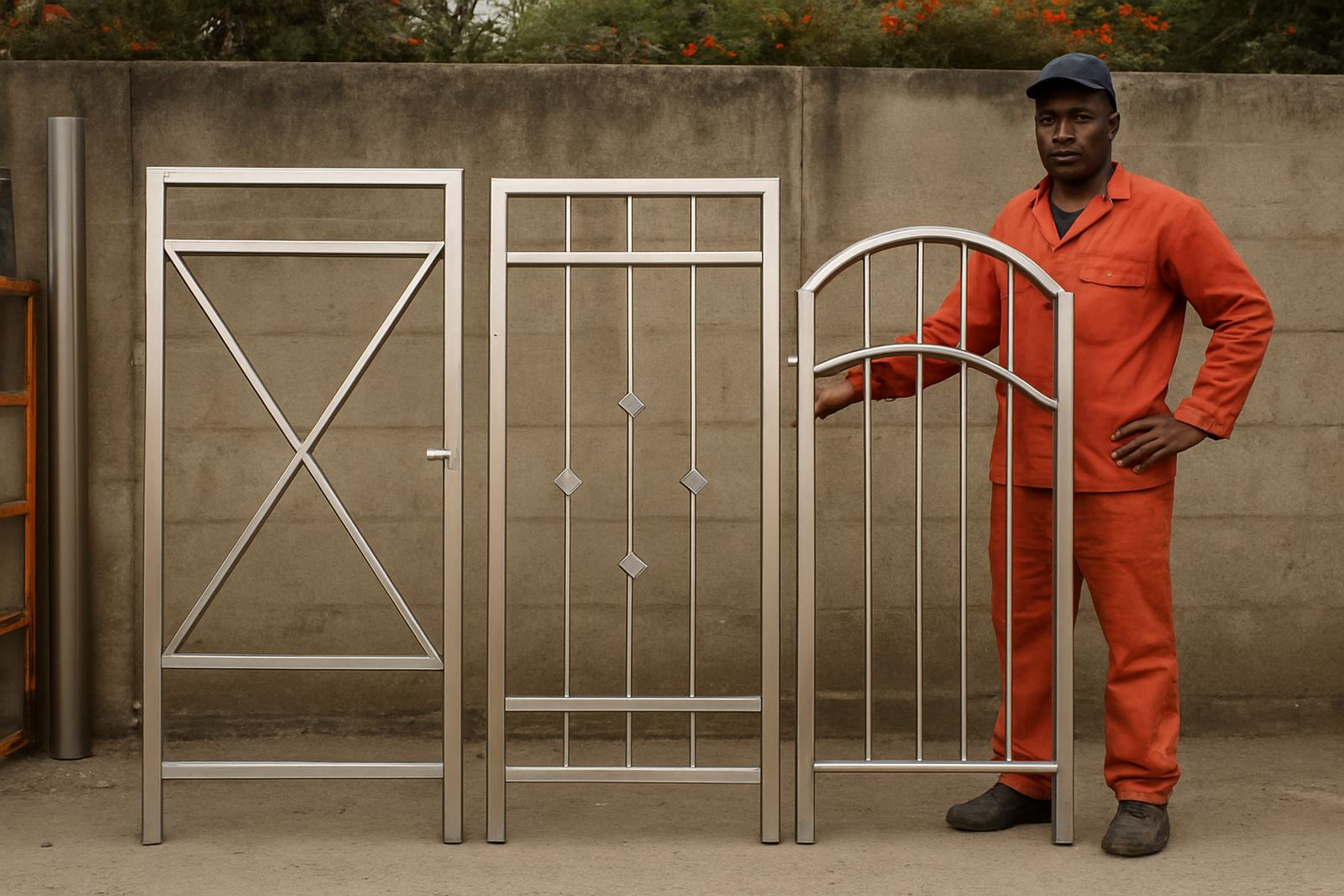
Gate design is not only about open and close movement. The frame layout, infill spacing and finish all affect how the gate performs. A fully solid stainless gate gives more privacy but catches more wind. A more open design reduces wind load and often looks lighter at the entrance. For coastal homes and business frontages, that balance matters because wind can push a leaf hard against the hinges and catch points.
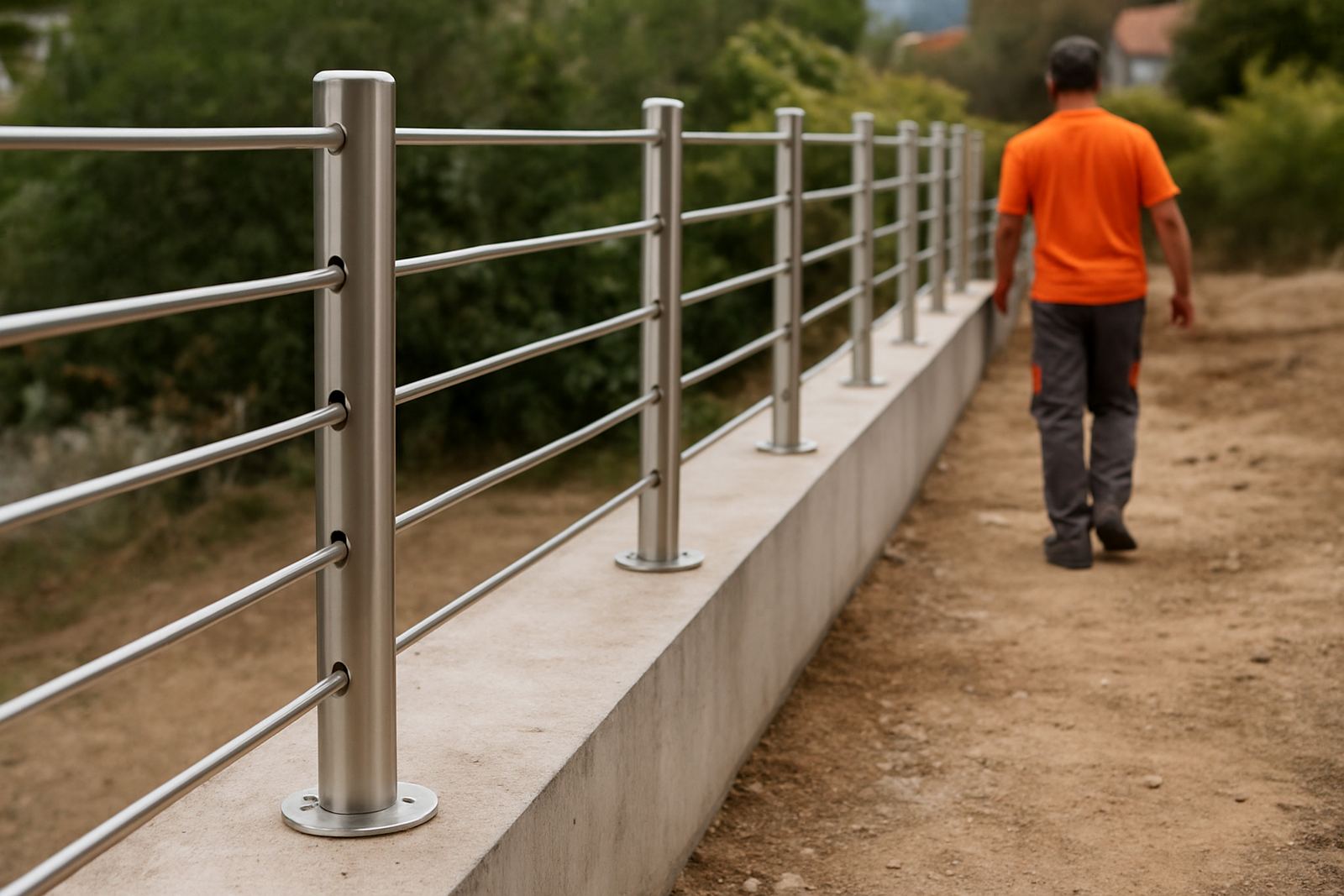
The most common style options include straight horizontal bars, vertical bars, sheet infill, mixed bar and tube patterns, and combinations with glass panels where the opening allows it. On properties near the lagoon or beachfront, we usually think about how much maintenance the owner wants to do. A simple open pattern is easier to keep clean than one with many tight corners.
Practical style choices to consider:
- Open pattern for wind relief
- More private infill for front entrances
- Straight lines to match modern boundary work
- Rounded edges where children use the gate often
- Finish that suits nearby balustrades or handrails
The gate should also suit the rest of the property. If there are stainless handrails, balcony railings or marine fittings already on site, we try to keep the finish consistent so the whole job looks planned, not pieced together.
A Knysna Example: Choosing the Right Layout First Time
A recent local type of job would be a family home in Knysna with a narrow side entrance, a sloping driveway and strong afternoon wind. A single swing gate at the driveway would have caused problems because the leaf would have needed extra clearance and the wind would have put strain on the hinges. In that case, a sliding gate for the driveway and a separate pedestrian gate at the side path would have been the better mix.
That split layout keeps access simple. Visitors use the pedestrian gate, vehicles use the sliding gate and the owner does not have to force one gate to do two jobs. It also helps when load-shedding affects electric access systems, because the manual backup and lock positions can be planned around the actual layout instead of being added later as an afterthought.
For sites in Plettenberg Bay, Sedgefield, Wilderness, George and Mossel Bay, this same thinking applies. The right gate design is the one that suits the opening, the weather and the way the property gets used every day, not just the one that looks neat on paper.
Measure, Make and Install With the End Use in Mind
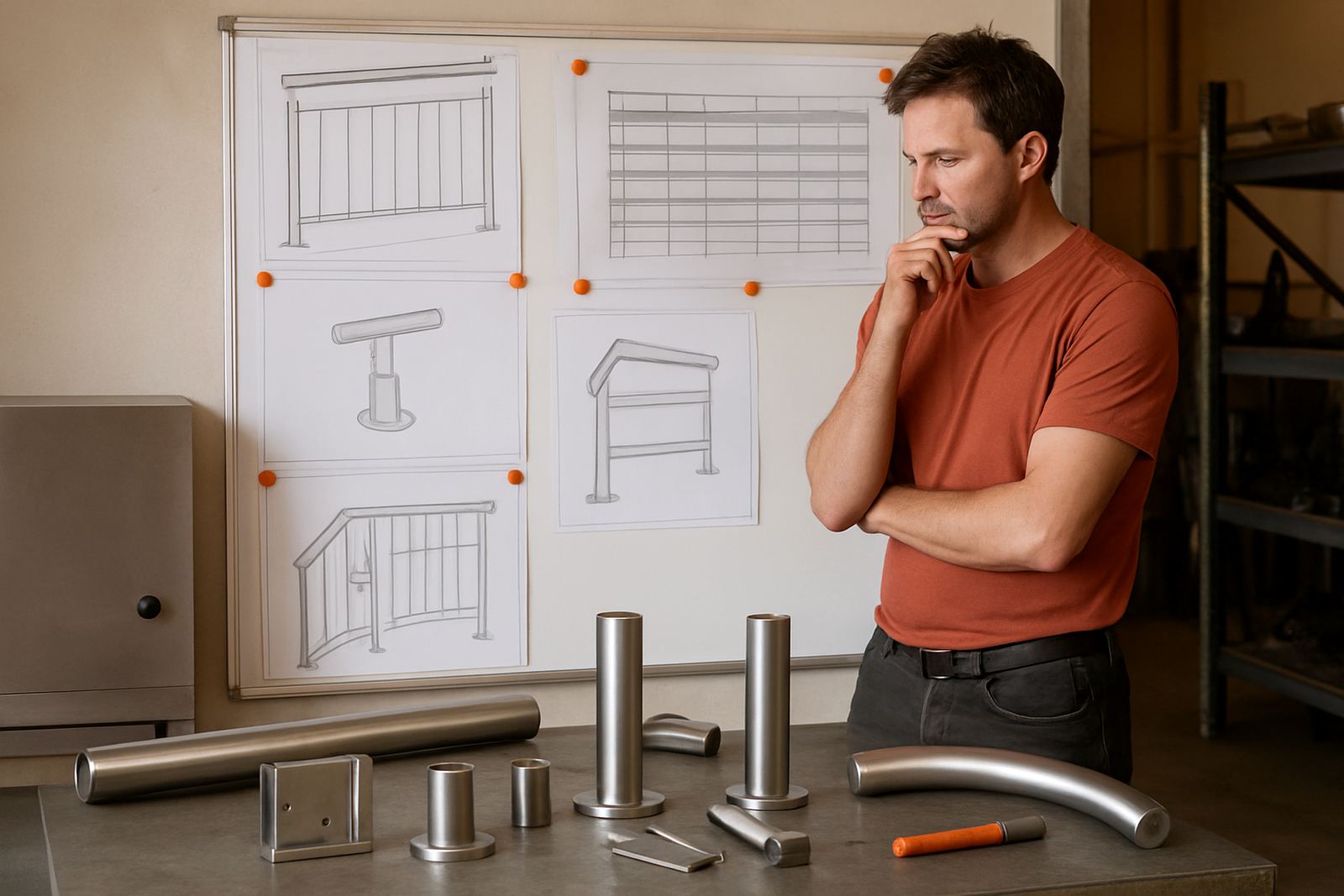
The best gate layout comes from good measuring, sound fabrication and proper installation. We usually start by checking the opening, ground conditions, wall strength and where hardware will sit. Then the shop drawing can show hinge side, lock side, swing direction, track position or guide brackets so there are no surprises on site.
When the gate is being made, small details matter. The frame must stay straight, the welds must be cleaned properly and the hardware must suit the gate weight. On installation day, we check clearances again, because a gate that looks fine in the workshop can behave differently once it is on a real site with wind, slope and uneven paving.
Good gate planning saves time later and reduces repair calls. If you choose the layout around the site conditions from the start, the gate will usually close better, wear less and stay easier to use over the years.