Why a stainless job takes the time it takes
Most people phone for a balustrade, handrail or gate and want to know the finish date straight away. That is fair, but stainless work is built in steps. A site must be measured correctly, the design confirmed, shop drawings approved, material ordered, items fabricated, then fitted on site. If one step shifts, the whole programme shifts with it.
In Knysna and the Garden Route, lead time also depends on the practical side of the job. A steep driveway in Sedgefield, a narrow stairwell in Wilderness, or a holiday home in Plettenberg Bay that is occupied over weekends can all affect when we measure and when we install. Even a simple handrail may need a return visit if the builder has not finished the surrounding plaster, tiles or concrete edge yet.
What happens after the first measure
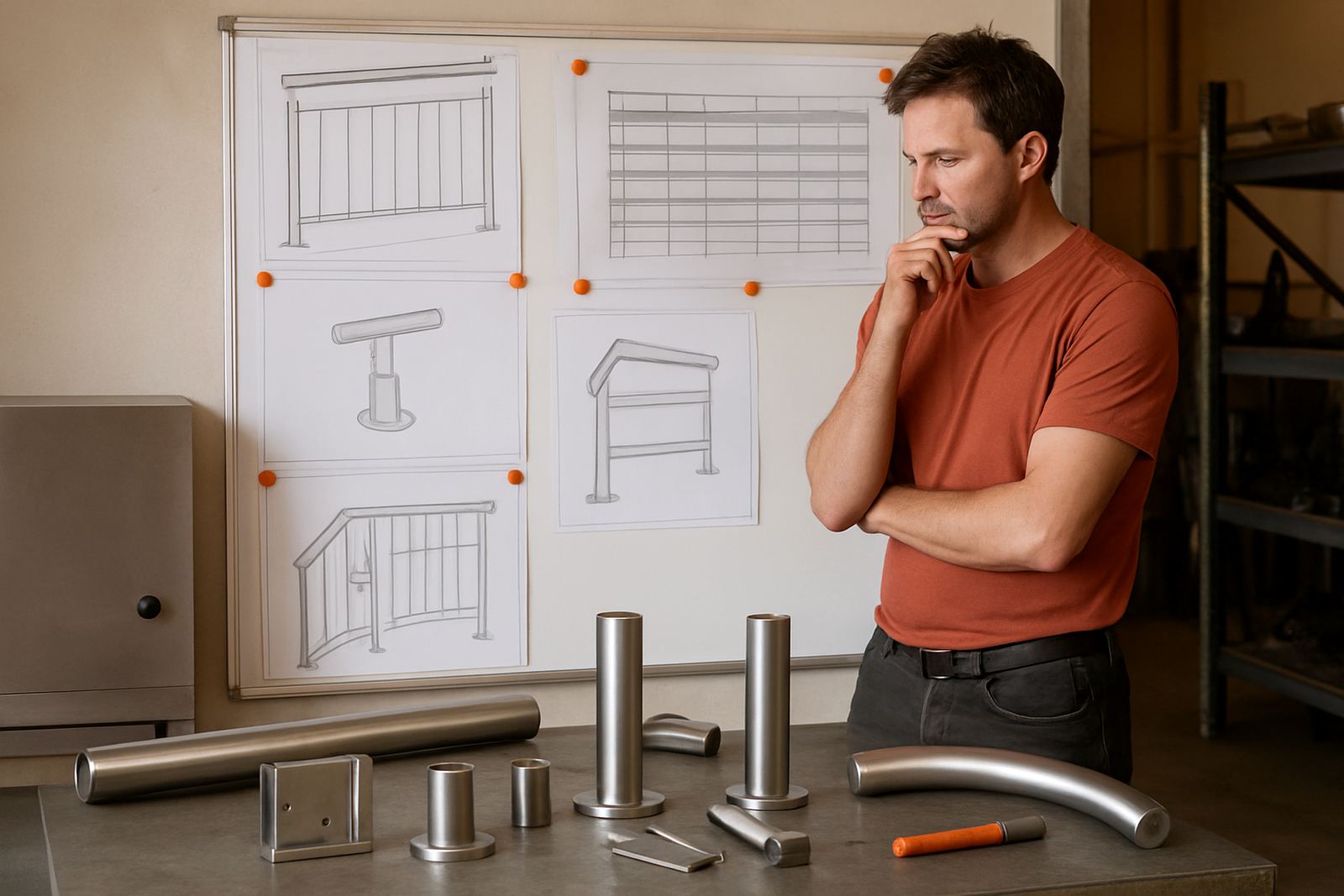
Once we measure on site, the workshop has to turn those dimensions into drawings and fabrication details. This is where the job becomes specific. Hole positions, fixing points, post heights, glass infill allowances and gate clearances all need to be right. If the opening is not square or the wall finishes are not complete, we may need to allow for an adjusted fit on site.
- Site measuring and photo notes
- Shop drawings for approval
- Material cutting and prep
- Welding, grinding and finishing
- Dry fit checks before delivery
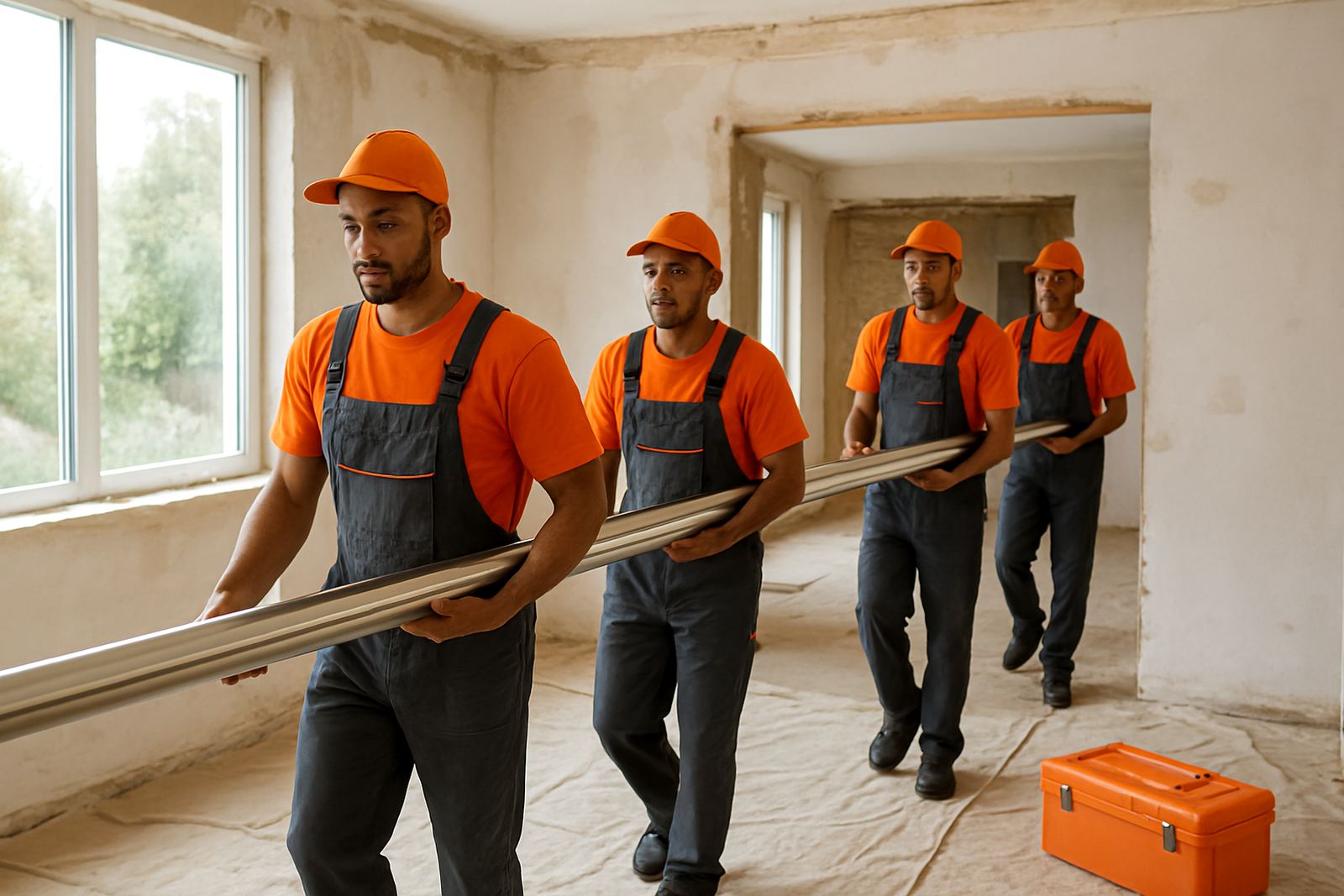
On a good run, a straightforward balustrade can move through these steps without delay. On a busy season, or if the project is tied to a builder's schedule, the waiting time is often in the handover between trades. That is normal, and it is better than rushing a bad measurement.
The biggest factors that change the programme
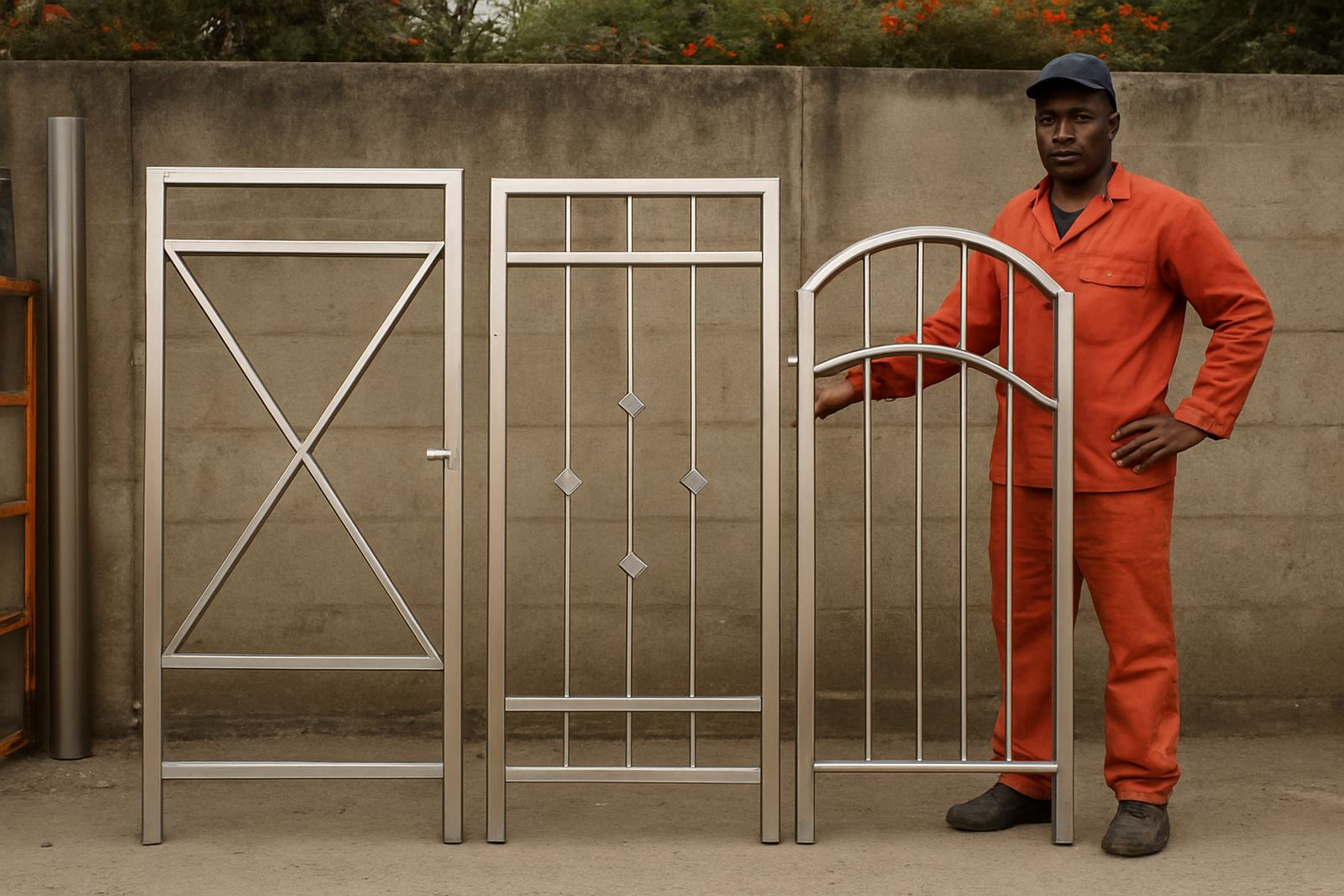
Different jobs carry different lead times. A basic stainless handrail with simple brackets is faster than a custom gate with hardware fitment, glass panels, and site welding. Surface restoration on an older installation can also take time because we first need to check the condition of the steel, the fixings and any corrosion around the base plates.
These are the main things that affect timing:
- Job complexity and number of components
- Whether drawings need client or architect sign off
- Material grade and sheet or tube availability
- Site readiness, including tiles, paint and masonry
- Access for installation teams and equipment
- Weather, especially coastal wind and rain
Along the coast, humidity can slow some finishing work and wet weather can make external installation unsafe. In George or Mossel Bay, strong wind on an exposed balcony may mean we hold off for a better day rather than force a lift or a glass fitment.
How local conditions in the Garden Route affect timing
Local conditions matter more than many people expect. In Knysna Industria, we can move a job through the workshop side quickly, but once we are on site the project has to work around traffic, parking, body corporate access rules and the client’s own programme. In a busy holiday area, access may be limited to certain hours so residents are not disturbed.
Load-shedding can also affect fabrication and fitting. If power cuts interrupt machine time, welding setup or on site drilling, that can push a job by a day or two. We build in planning for that where we can, but it is still part of doing work in South Africa. It is one reason we keep clients updated as the job moves from one stage to the next.
For marine fitouts and coastal repairs, we may also allow extra time for corrosion checks, cleaning and final sealing. A handrail fitted a few streets from the water is not treated the same as one inland. The salt air is not kind, so the process needs to be careful from the start.
A practical example from Knysna to Plettenberg Bay
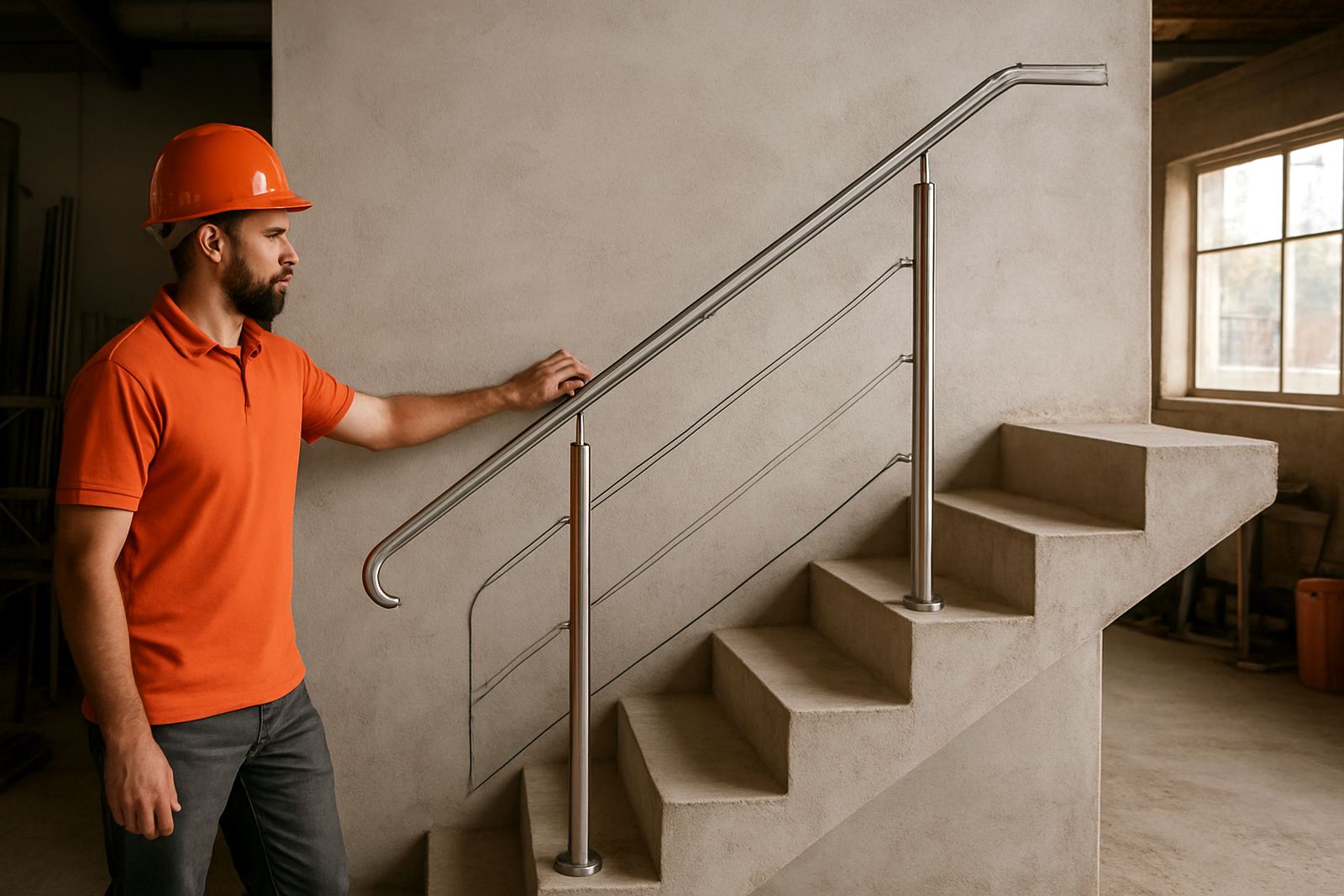
Take a common project: a stainless balustrade for a holiday home between Knysna and Plettenberg Bay, with glass panels and a matching stair handrail. First we measure the staircase and balcony edges. Then we prepare shop drawings and confirm the fixing detail with the owner or contractor. After that, the workshop fabricates the posts, top rails and brackets, then the glass fitment is scheduled once the steel is ready.
If the plaster around the stair void is still fresh or the paving around the balcony is not finished, we may need to wait before final installation. That protects the finish and avoids damage. A job like this can move quickly when all trades are aligned, but if a builder slips by a week, we usually have to adjust our slot too.
The useful lesson is simple. A project is not delayed because the stainless is slow. It is delayed because the site is not yet ready, or because the client wants changes after drawings have been approved. Clear decisions early on save time later.
How to keep your project moving
You cannot control the weather or the power schedule, but you can reduce avoidable delays. The best way is to be ready before we arrive for measure, and to keep decisions tight once the drawings are issued. If the gate needs a latch, ask for it early. If you want a specific glass height or a particular handrail return, say so before fabrication begins.
- Have the site ready before the measure appointment
- Confirm finishes and fixing points early
- Keep the builder, owner and installer on the same page
- Approve drawings without long gaps
- Plan around holidays, rain and load-shedding
We also recommend allowing a small buffer if the job is for a rental unit, guest house or coastal home that must stay open to visitors. That little bit of space helps when there is a change in weather, a late delivery or another trade still on site.
What you can expect from our team
At Sisonke Stainless, we handle the full process from site measuring to installation across Knysna, Sedgefield, Wilderness, George, Mossel Bay and Plettenberg Bay. Our team keeps the job practical: measure properly, draw it correctly, fabricate it to suit the site, and fit it with as little fuss as possible. If repairs or maintenance are all that is needed, we will say so rather than push for replacement.
For a quick enquiry, send project details to projects@sisonkemanufacturing.co.za with photos, rough dimensions and the town name. The more we know upfront, the easier it is to give you a fair lead time and a realistic installation window.