Why glass railings suit view-focused properties
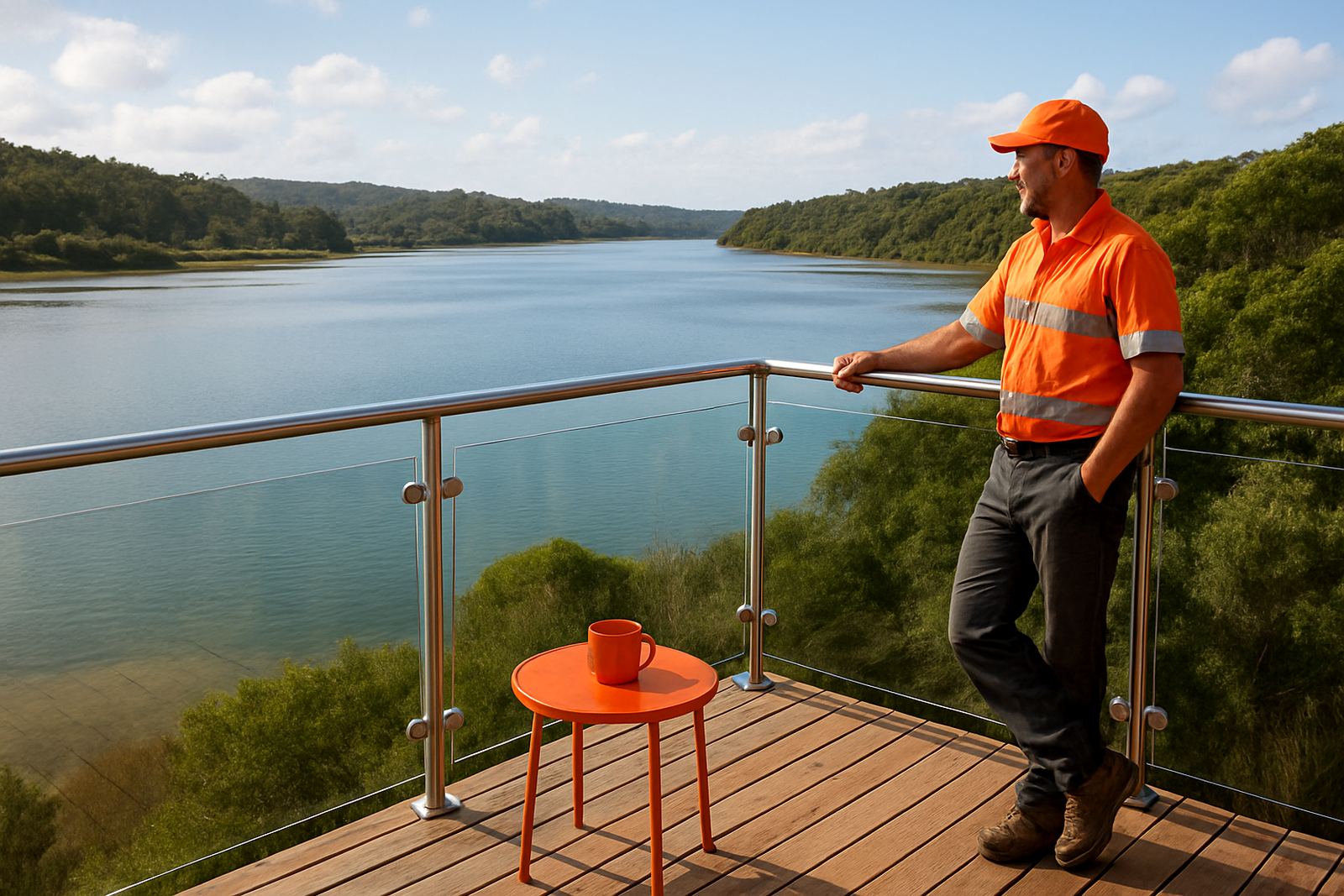
When a deck, stoep or stairway looks over water, fynbos or a garden, a solid wall can close in the space. A glass balustrade keeps the line of sight open, so the property still feels connected to the outside. That is one reason these railings work well on homes in Knysna, Sedgefield, Wilderness and Plettenberg Bay where the view is part of the value of the place.
The other reason is practical. Glass panels can mark the edge clearly without making a small area feel busy. On a narrow landing or a coastal patio, that lighter look makes the space easier to use. For owners who want safety but do not want to block daylight, it is a sensible option.
Stainless steel stands up well to coastal air
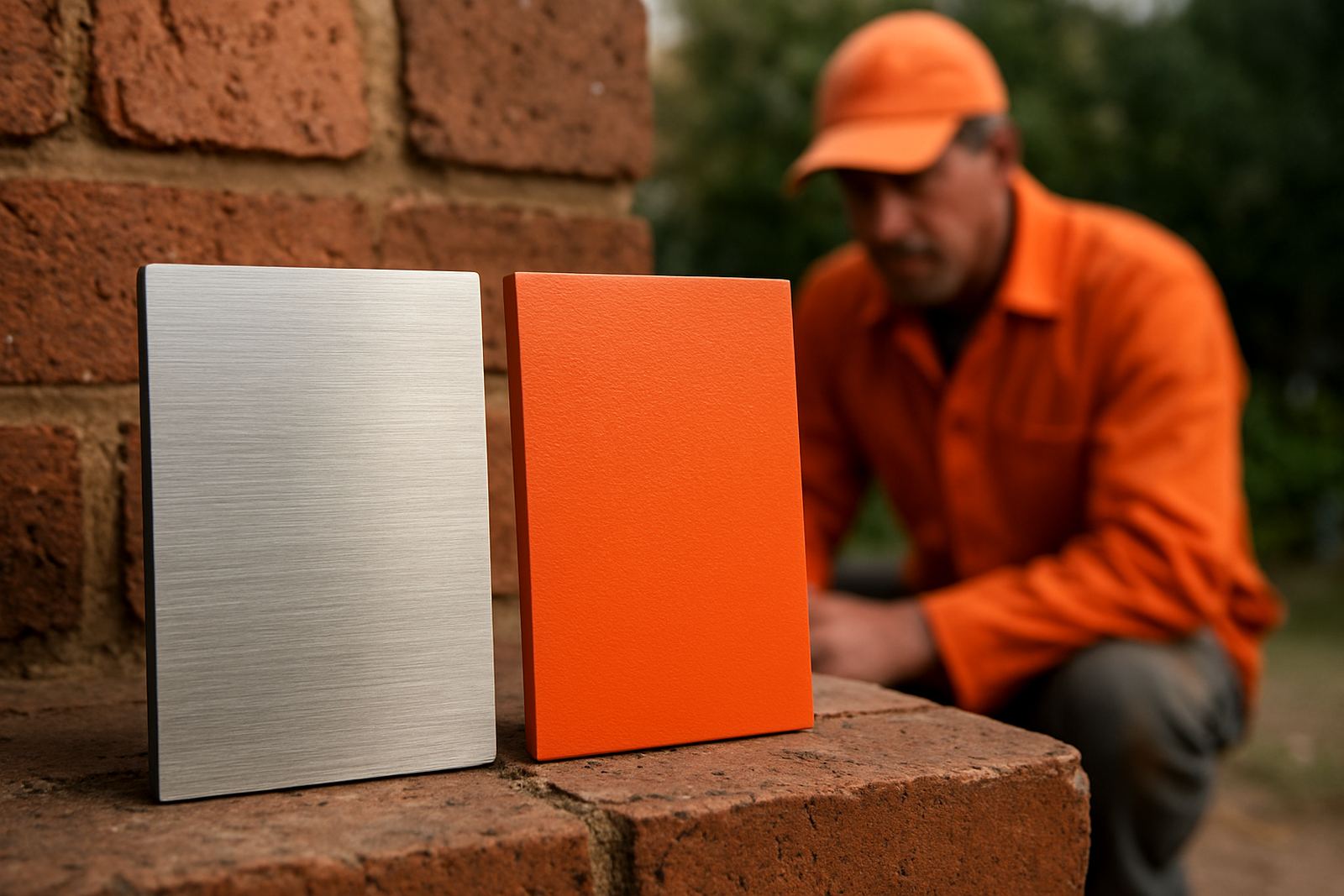
Along the Garden Route, salt in the air can shorten the life of mild steel and weak coatings. Stainless steel is preferred because it handles moisture better and keeps its finish longer, especially where fittings are washed by rain or sea spray. It still needs the right grade, good detailing and regular cleaning, but it gives you a better starting point.
At Sisonke Stainless we often recommend stainless for top rails, posts, clamps and fixings on coastal jobs. The glass is only one part of the system. The hardware, base plates and anchors matter just as much, particularly where a balustrade sits near a pool, harbour edge or exposed upper deck.
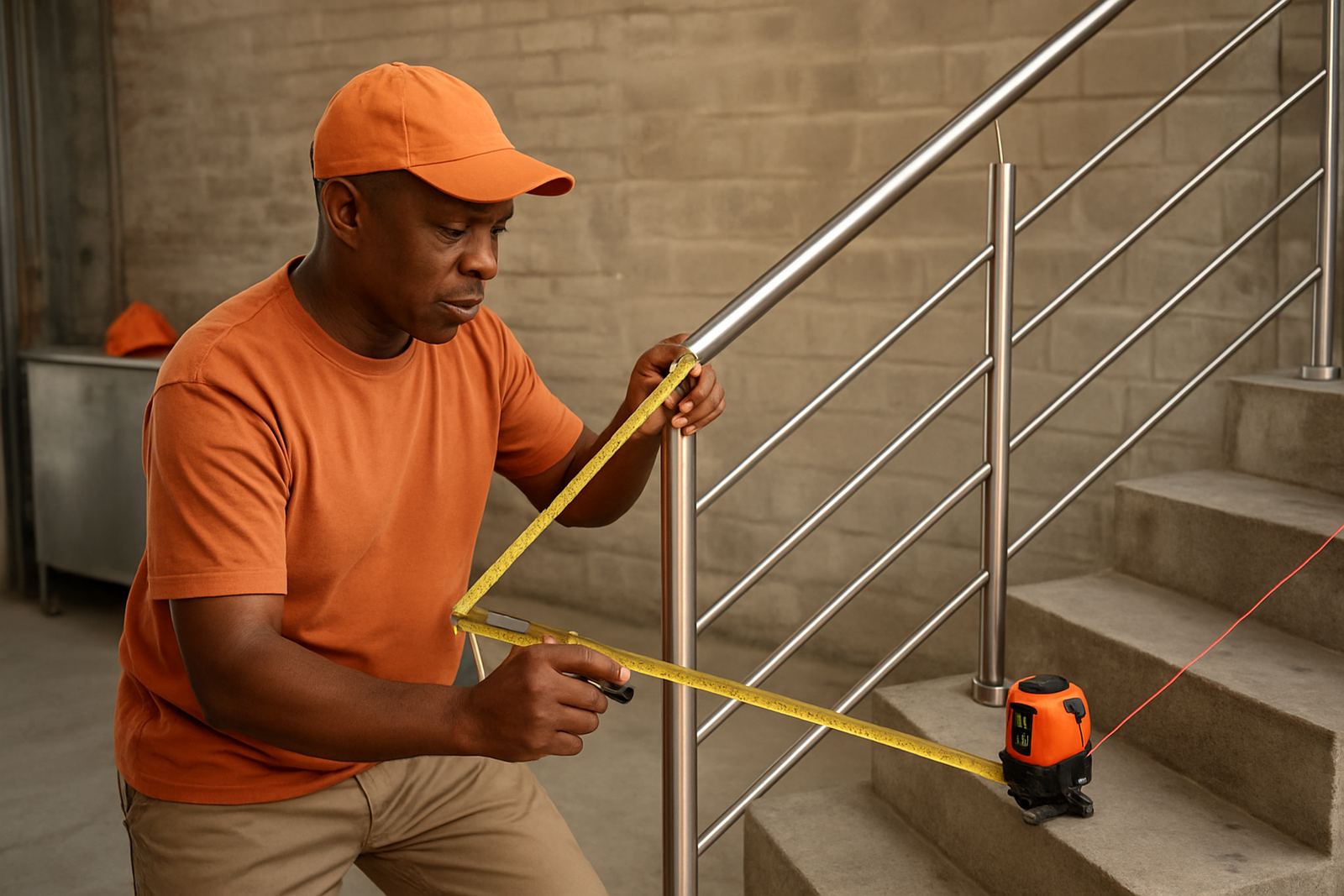
If a client asks why a railing has to be measured and fabricated carefully, this is the answer: a few millimetres out can leave uneven gaps, stressed glass or awkward joins. That is not something you want on a staircase used every day.
Where glass and stainless make the most sense
This type of balustrade suits more than luxury homes. It works on family houses, guest lodges, apartments, holiday units and offices that want a cleaner finish. The right design depends on how the space is used and what local rules apply. In some cases, privacy, wind exposure or safety for children may affect panel height, spacing and fixing method.
- Stairs where natural light needs to pass through
- Decks and balconies with a sea or lagoon view
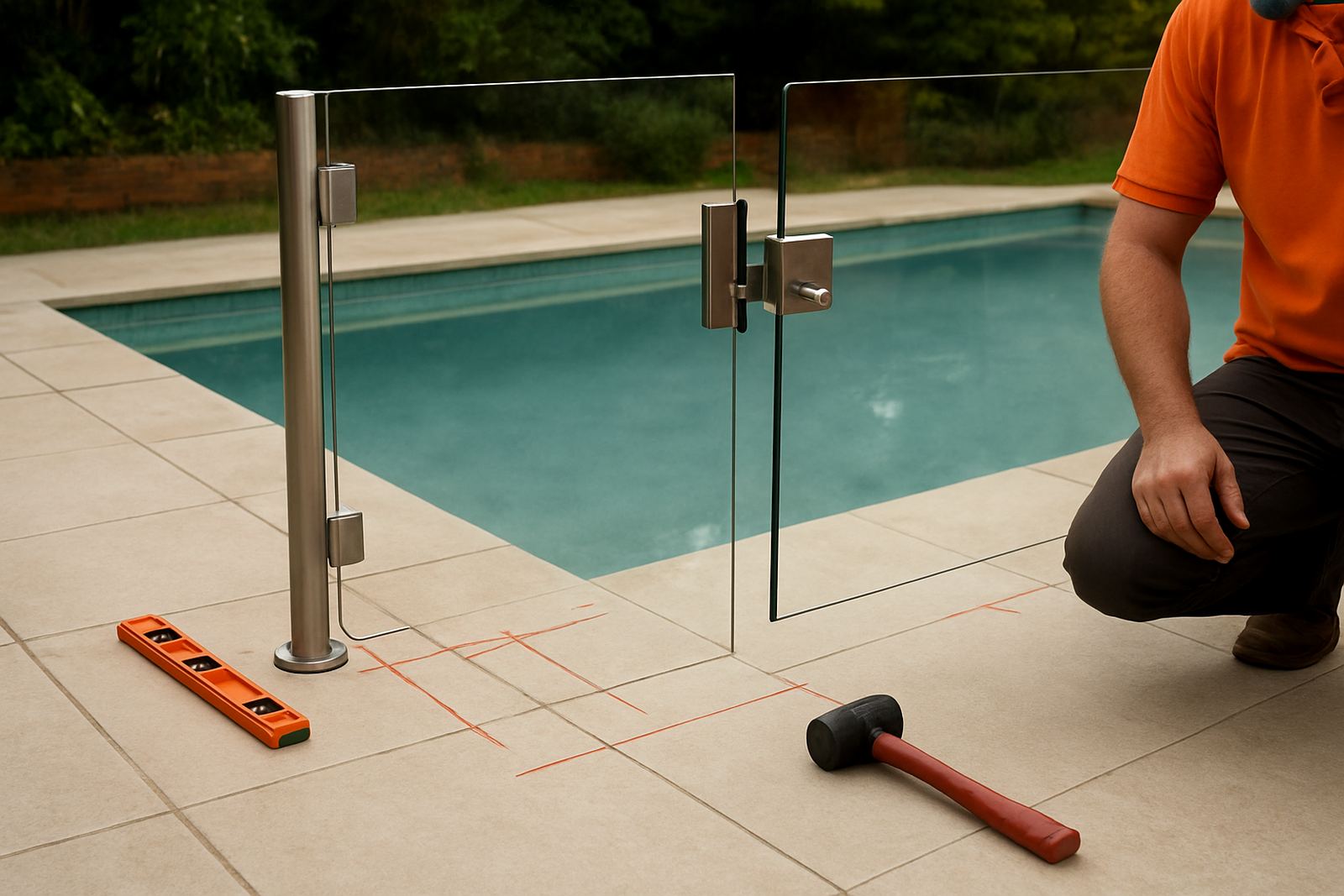
- Pool surrounds that need a neat barrier
- Commercial entrances where a clean finish matters
- Marine areas where fittings face heavy moisture
For a landlord or body corporate, it also helps that glass and stainless are easy to explain and easy to maintain. Tenants and guests can see where the barrier is, and the structure does not date as quickly as some painted systems.
What to check before you choose a design
Before any installation, the team should measure the site properly and look at the fixing points. A timber deck, concrete slab and steel frame each need different hardware and different preparation. If there is a slope, drainage issue or uneven edge, that must be dealt with before the balustrade goes in.
It also helps to decide early whether you want framed glass, semi-frameless or a cleaner post-and-panel layout. Each option changes the look, the cost and the amount of cleaning needed. On a windy site, for example, more structure may be needed to stop movement and rattling.
- Check the structure can take the load
- Confirm the glass thickness and panel size
- Allow for gate positions and access routes
- Choose fittings suited to outdoor use
- Plan for cleaning and future maintenance
Maintenance is simpler than many people expect
Glass balustrades are often chosen because they look tidy with less visual weight, but they still need care. The glass should be cleaned with a suitable non-abrasive product, and stainless fittings should be wiped down regularly, especially near the coast where salt build-up can happen quickly after a few windy days.
In our area, load-shedding also affects how people use outdoor spaces, especially where stair lights, gate motors or security systems are linked to the same area. A balustrade should not create extra maintenance stress. Good access to fasteners, solid fixings and sensible detailing make future checks easier.
If the balustrade is part of a gate or access route, it is worth checking hinges, latches and any glass edge protection during routine maintenance. Small issues caught early are cheaper to sort than cracked hardware or loose supports later on.
A local example from the Garden Route
On a recent Knysna project, a homeowner wanted to keep an upstairs view of the lagoon and still make the landing safe for children and visitors. A full wall would have blocked the light, and a painted railing would have needed more upkeep in the damp air. We measured the site, prepared shop drawings and fabricated stainless supports with glass panels to suit the edge of the balcony.
The result was a barrier that did its job without taking over the space. The owner kept the view, the room stayed bright, and the fittings matched the rest of the exterior more neatly than the old structure had done. That is the real value of this kind of work: it solves a practical problem while improving how the place feels day to day.
Jobs like that are common from Knysna to George and Mossel Bay. The site may change, but the goal is the same. Keep the view open, keep the edge safe, and use materials that can handle local weather better than most people expect.
What Sisonke Stainless can handle on site
Our Knysna workshop handles site measuring, custom fabrication and onsite installation across the Garden Route. We also fit gate hardware, do stainless repairs and carry out maintenance checks when a balustrade or handrail needs attention after years of weather, movement or building changes.
If you are planning a new balcony, staircase or pool edge, it is worth speaking to a team that understands both fabrication and installation. A neat glass rail only stays neat when the measurements, fixings and finish all work together. That is especially true in coastal towns where humidity and wind do not give weak details much mercy.