Why the coastal climate changes the answer
Inland, mild steel can do a good job when it is primed, painted and kept up to date. On the coast, that same product has to fight salt in the air, damp mornings, wind driven spray and long wet periods. In places like Knysna, Sedgefield and Plettenberg Bay, those conditions shorten the life of mild steel unless the coating system is watched closely.
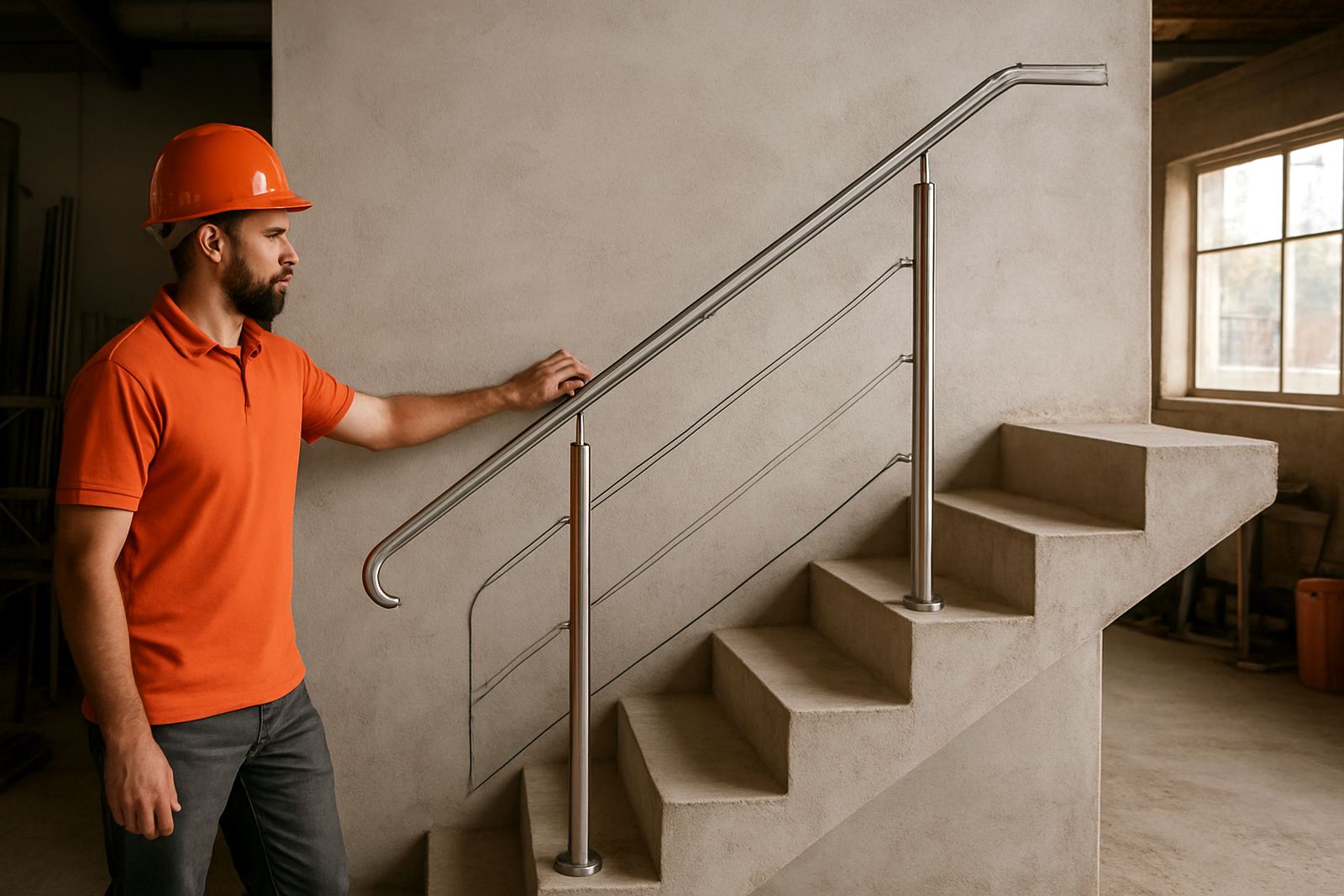
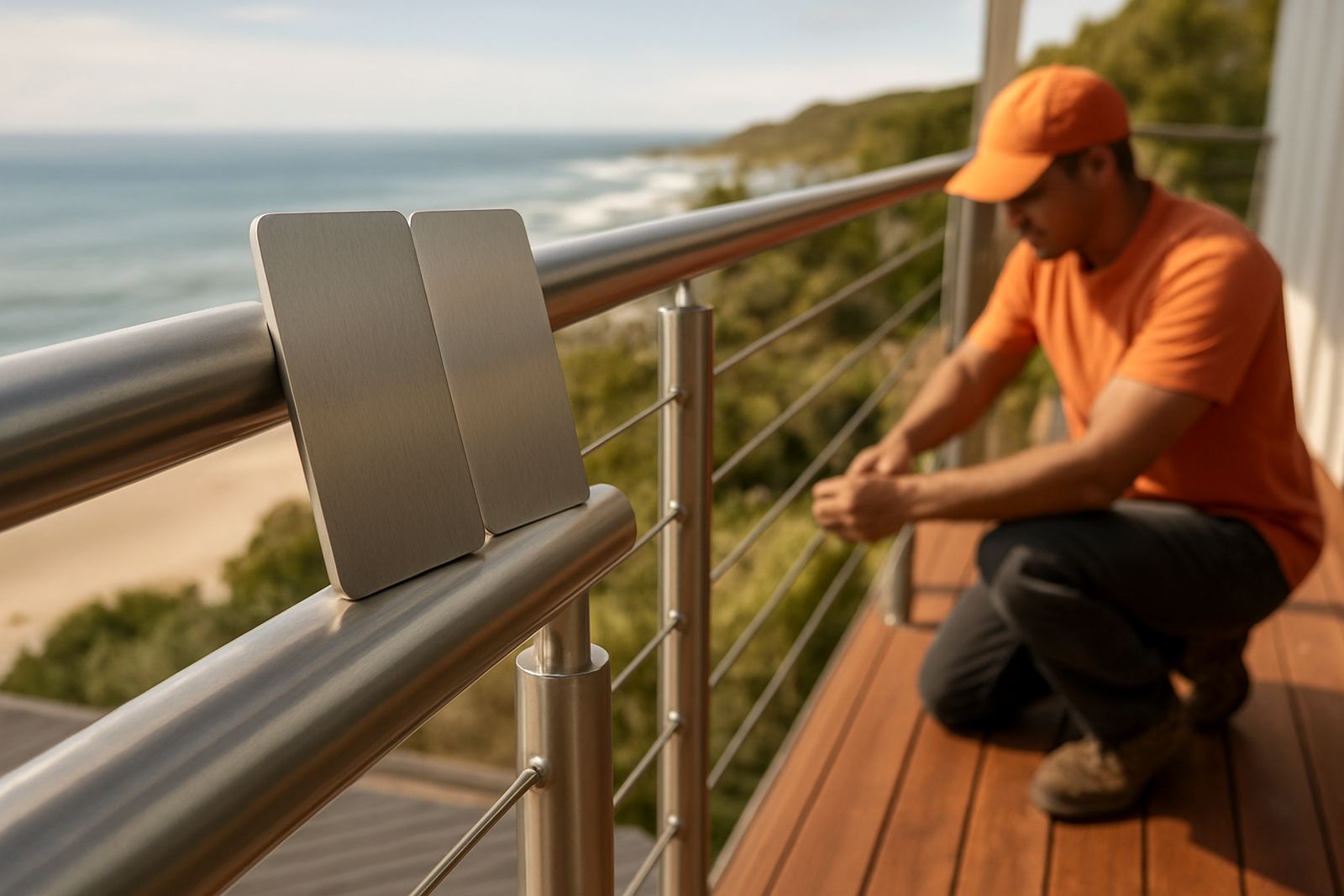
Stainless steel is not indestructible, but it is far better suited to exposed coastal work because the chromium in the material forms a protective layer. When that layer stays clean and intact, the steel resists corrosion far better than painted mild steel. For handrails, balustrades, gates and marine parts, that means less rust showing through, fewer repairs and a neater finish for longer.
For property owners, the practical difference is simple. Mild steel often asks for more sanding, repainting and touch ups. Stainless usually asks for cleaning and the occasional maintenance check instead.
Where stainless usually wins on value
Stainless costs more up front, so people often compare only the quote. That is not the full picture. Once you add repainting, rust treatment, site access and downtime, stainless can be the better spend for parts that are outside all year.
It is a stronger choice where a fitting is touched often, washed down regularly or expected to stay neat for a long time. On a coastal property, that often includes stair handrails, pool balustrades, gate frames, marine brackets and custom fixings near splash zones.
- Handrails and balustrades on exposed decks
- Gates and latches near the sea or a river mouth
- Boat and jetty fittings that need regular wash-downs
- Parts where paint damage would be hard to reach later
If a component is hard to access once installed, stainless is usually worth stronger consideration because the maintenance work later can become awkward and expensive.
Where mild steel still makes sense
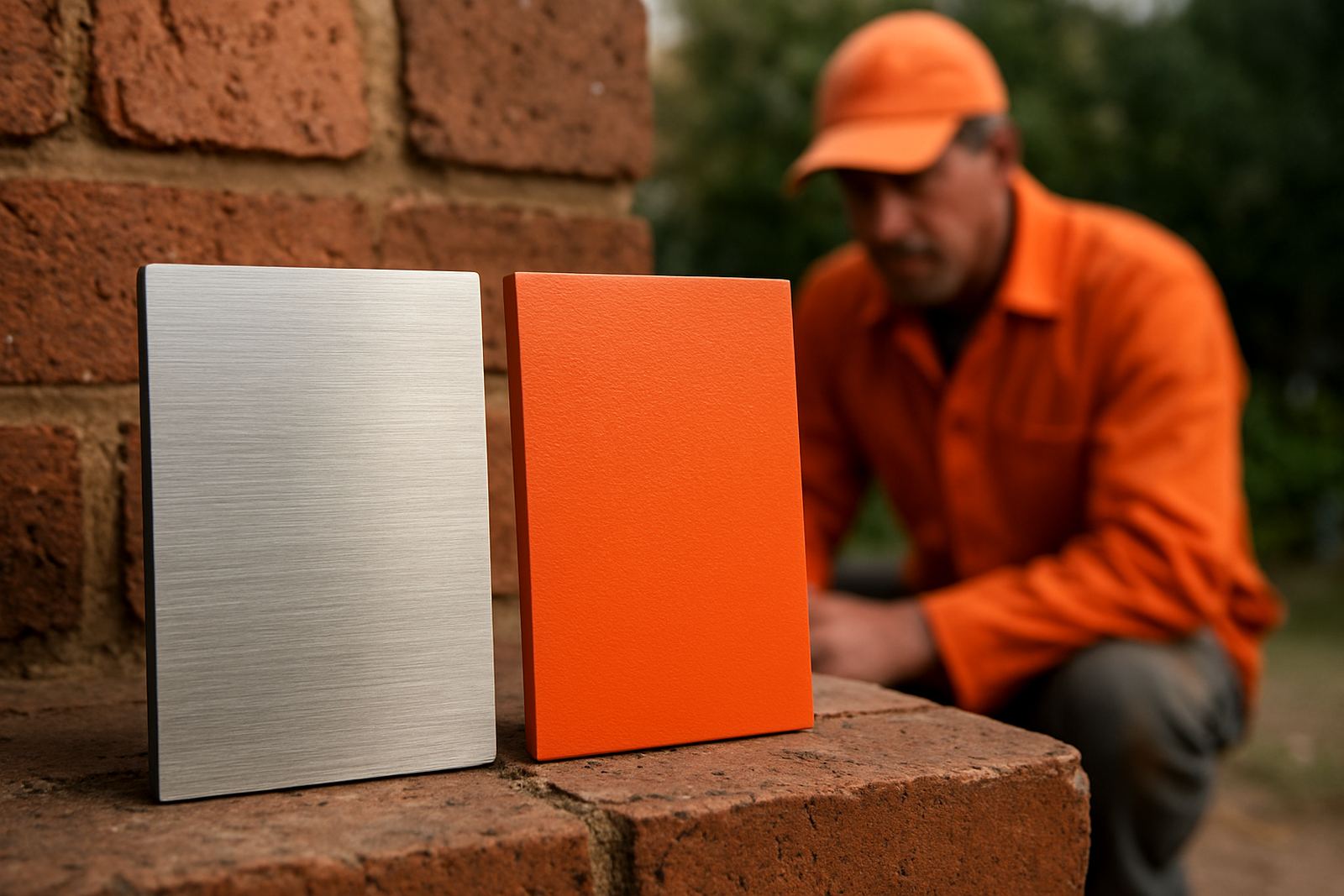
Mild steel still has a place, especially where the item is inside, sheltered or intended for a painted finish that can be maintained properly. In a workshop or under a deep roof overhang, it can be cost effective and perfectly serviceable.
It also suits projects where weight, shape or budget make a painted solution more practical. A decorative gate in a protected courtyard, for example, may do well in mild steel if the owner is happy with a repaint cycle and the installation detail keeps water out of joints.
- Indoor brackets and supports
- Sheltered frames under cover
- Painted items with easy future access
- Short life cycle parts where low initial cost matters most
The key is honesty at the start. If a mild steel item is going into a salty, wet or windy spot, the owner should know it will need more care. Otherwise the savings can disappear quickly.
What happens when coating systems fail
The trouble with mild steel in coastal work is not only rust at the surface. Once water gets into a scratch, weld seam or bolt hole, corrosion starts moving under the coating. It can lift paint, stain paving and weaken small fittings long before the item looks badly damaged.
We see this often on gates where water sits inside the bottom rail, or on handrails where dissimilar metal fasteners and salty moisture meet. A coating system can work well for a while, but it depends on preparation, dry weather during application and proper upkeep after installation. On the Garden Route, that is not always easy.
Stainless still needs sensible detailing. If salt and dirt are left sitting on the surface, even stainless can show tea staining over time. That is why good design, neat welding and proper cleaning matter just as much as the material itself.
A Knysna example from the field
For a coastal home in Knysna, a client once asked for a balustrade on a timber deck with a gate leading down to a path. The first thought was painted mild steel because the project budget was tight. After looking at the exposure, drainage and cleaning access, stainless was the better option. The area catches wind from the water and the lower posts are close to wet ground after heavy rain.
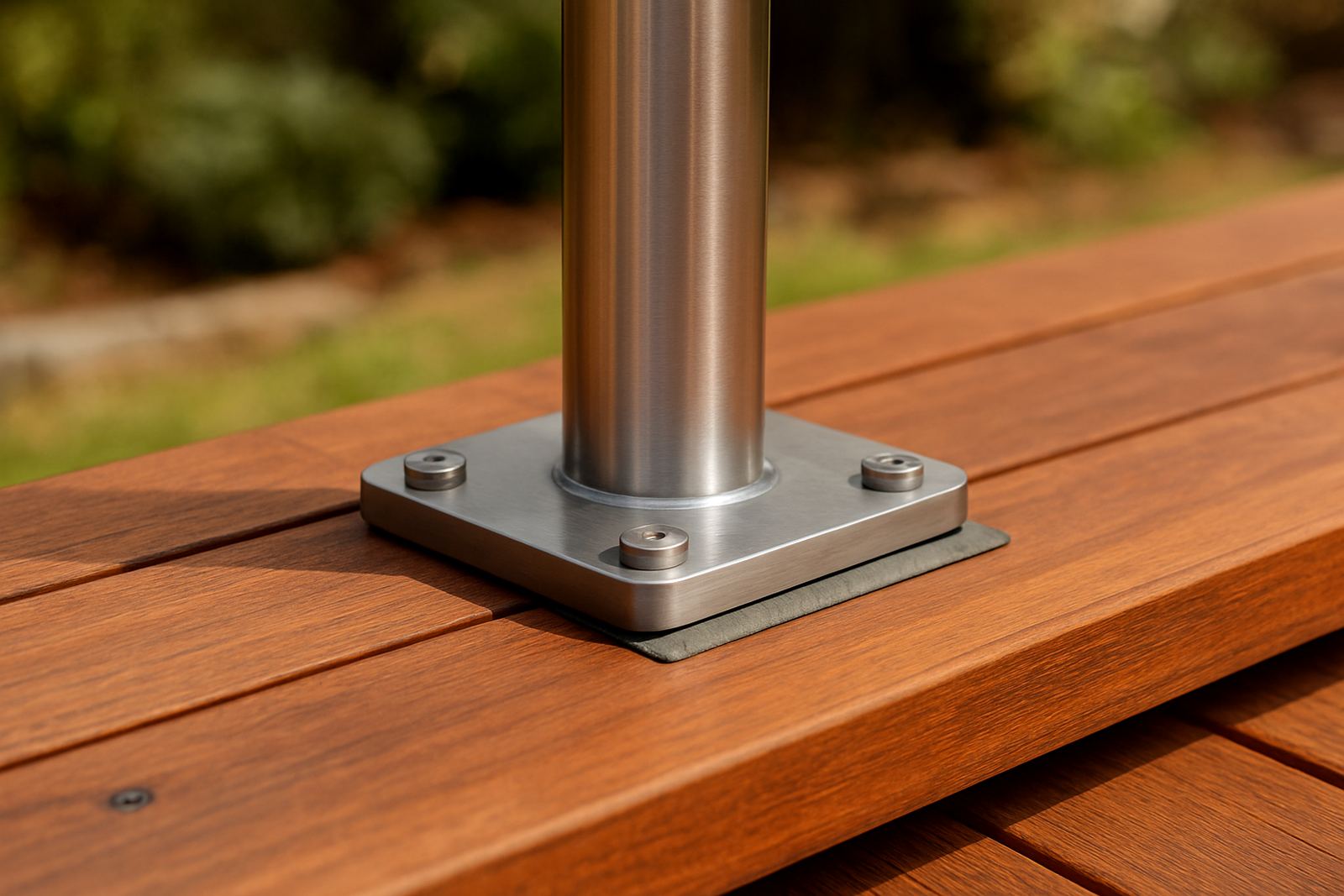
We measured on site, prepared shop drawings and fabricated the handrail system in the workshop at Knysna Industria. The installation included glass fitment at the balustrade sections and stainless gate hardware so the fixings matched the main structure. It took a bit more on day one, but the owner avoided a future repaint cycle and the finish still looks clean after several seasons.
That is the sort of call we help make every week across Knysna, Wilderness, George and Mossel Bay. Sometimes mild steel is the right answer. Many times, on the coast, stainless is simply the safer long term choice.
How to choose the right material before you order
Before you choose between stainless and mild steel, look at the exposure, the maintenance plan and how easy the item will be to reach later. If the answer is not clear, a short site visit usually saves money. Measuring properly on site also helps avoid waste and awkward adjustments at installation.
Ask these questions early:
- Will the item sit in salt air, spray or constant damp?
- Can the owner repaint or inspect it every year?
- Will the fitting be hard to access once the project is complete?
- Are there timber, glass or other materials that need matching hardware?
- Do municipal or body corporate rules affect the finish or design?
For many coastal projects, the answer leads back to stainless because it gives a cleaner result with less upkeep. For sheltered work, mild steel can still be a practical choice. The point is to match the material to the site, not just the budget.