Why the same stainless part behaves differently inside and outside
Inside a building, stainless steel is usually protected from rain, salt air and constant temperature swings. That means a handrail in a foyer, a counter trim in a kitchen or a cover plate in a reception area can be made with a cleaner finish and fewer weatherproofing details. Outside, the same item faces moisture, UV, wind, bird droppings, dust and in places like Knysna and Plettenberg Bay, salty air carried inland from the coast.
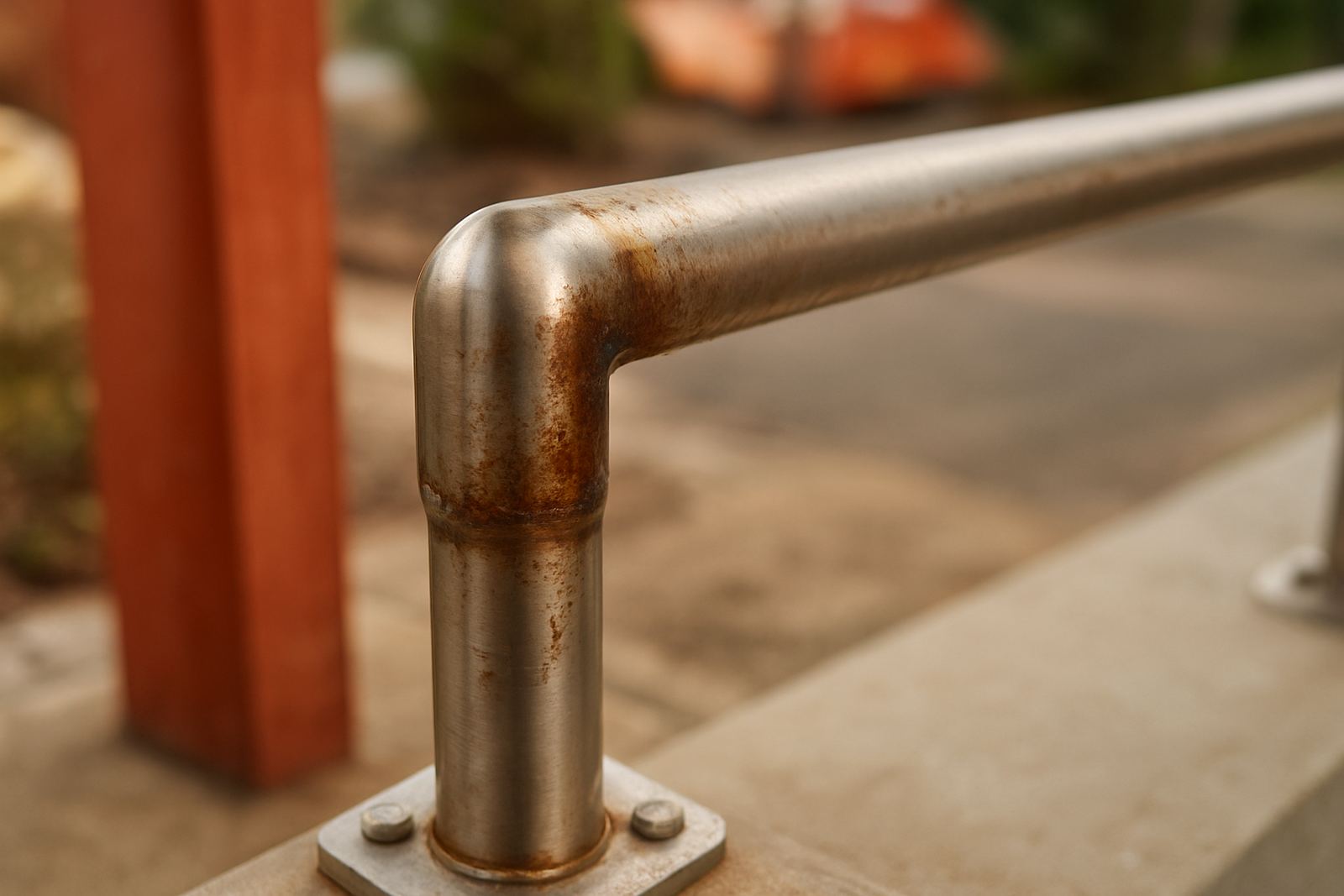
For a workshop in Knysna Industria, that changes everything from the grade chosen to the way joints are made. Outdoor work needs better drainage paths, fewer water traps and careful attention to fixings so the stainless does not sit against mild steel or damp timber. Even the best metal can stain if it is left with trapped grit or sealed where water cannot dry out.
Material choice, grade and finish for each setting
Indoor jobs can often use a lighter specification because the environment is controlled. Outdoor installations usually need a higher corrosion resistance, especially within a few kilometres of the sea. The first question is not only what the item must look like, but where it will live and how often it will be washed down. In Mossel Bay, Sedgefield or Wilderness, a coastal balcony handrail needs more thought than the same handrail in a dry corridor.
Finish matters as well. A smoother finish is easier to clean and less likely to hold dirt, but a mirror bright look is not always practical on a gate or balustrade that gets daily touch. For outside work we often recommend a finish that can handle fingerprints, salt spray and small scratches a bit better, while still matching the property. Indoors, the brief may lean more toward appearance and detailing around tile lines, joinery or glass.
- Indoor work: cleaner detailing, lighter weather exposure, more focus on appearance.
- Outdoor work: higher corrosion resistance, better drainage, stronger fixings and sealant control.
- Coastal work: extra care around salt build-up, dissimilar metals and regular cleaning.
Fabrication details that matter before the first weld
Good fabrication starts with site measuring and proper shop drawings. That sounds basic, but it is where indoor and outdoor work split. Inside, tolerances are often tighter because the item sits against finished plaster, tiles, ceilings or joinery. Outside, the item must allow for slope, uneven concrete, water run-off and movement from heat. A gate or handrail that fits neatly on paper can still bind if the post spacing, slab fall or wall plumb is ignored.
We also plan for fixings from the start. Indoor parts can often be anchored in a more controlled way. Outdoor parts need fixings that suit the base material and the environment, whether that is concrete, brick, composite decking or a steel frame. If glass is involved, the support points and clamp positions must be checked early so there are no surprises at install. A few extra millimetres in the wrong place can turn a simple job into a long day.
Installation on site is where indoor and outdoor jobs really separate
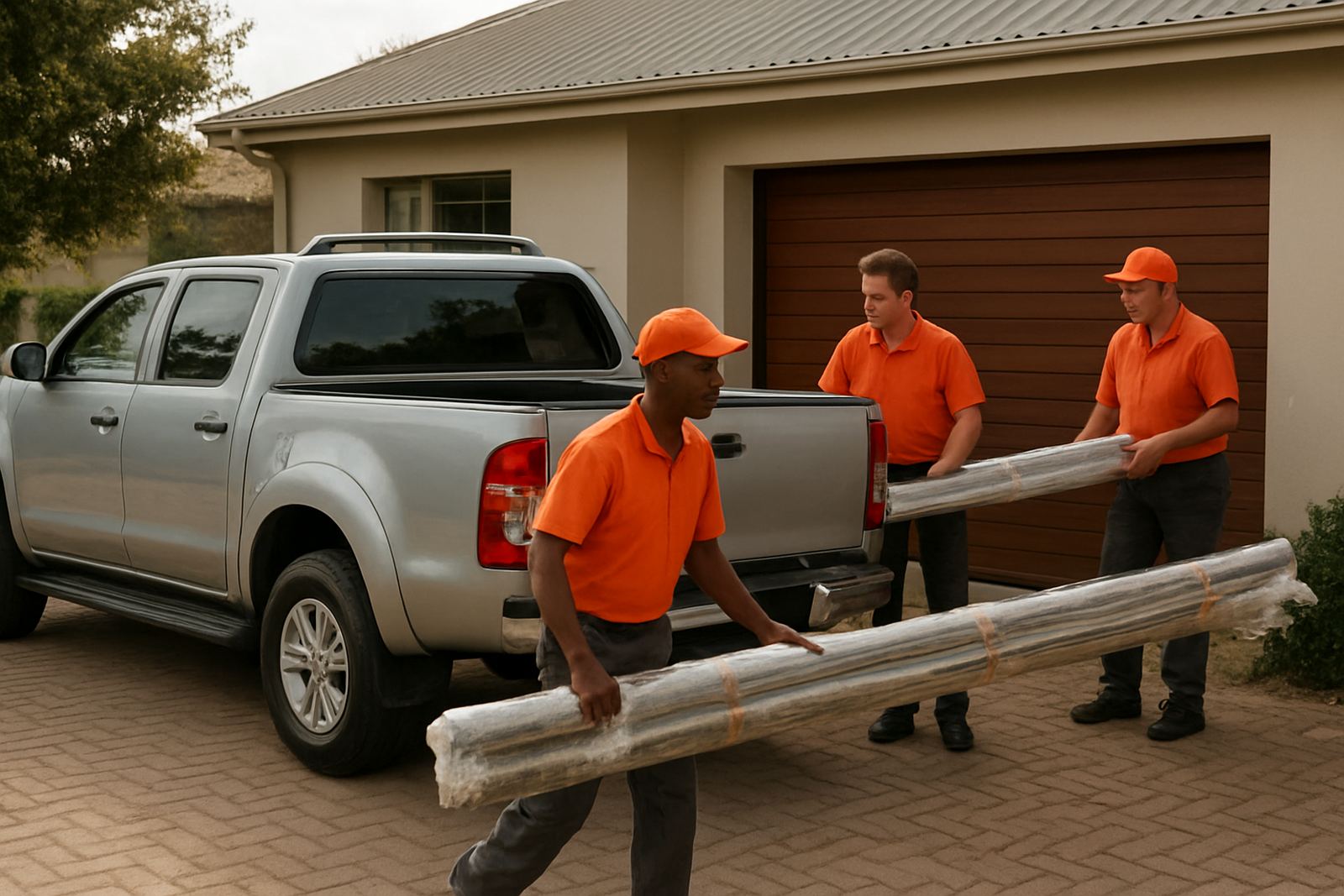
Indoor installation is usually about protection and neatness. The team works around finished surfaces, keeps dust down and makes sure the item is square, level and safe to use. Outdoor installation has a different pressure. The weather can change in an hour, the slab may be damp, and access can be tight on a driveway, courtyard or coastal balcony. That is where a site installation lead earns his keep.
For outdoor work we check sealing, drainage, fastener cover and the order of assembly. If a handrail posts into concrete, we look at standing water around the base. If a gate gets hardware fitment, we make sure the hinges, locks and stops can handle wind load and daily use. In George or George outskirts, where the weather can turn from humid to wet very quickly, a rushed install usually shows later as rust marks, loose brackets or a gate that starts dragging.
- Check slab levels and falls before drilling.
- Keep dissimilar metals apart where possible.
- Seal correctly but do not trap water in closed sections.
- Allow access for cleaning and routine maintenance.
Indoor balustrades, trims and custom parts need a different touch
Inside a home, office or guest house, stainless is often part of the finish package. A balustrade may need crisp alignment with glass fitment, stair nosings and floor finishes. A small cover plate or bracket can become very visible, so weld dressing and edge finishing matter. In this setting, a neat line and consistent sheen often count as much as strength.
Indoor custom parts also need to respect the surrounding materials. Stainless against soft timber, stone or painted plaster should not cause rubbing, staining or vibration noise. Where a client wants maintenance to stay low, we suggest shapes that are easy to wipe down and hard for dust to settle on. That is especially useful in holiday homes that sit empty for parts of the year and need less attention between visits.
Outdoor gates, marine fitouts and maintenance in the Garden Route
Outside, the brief often includes more than the metal itself. A gate may need hardware fitment, a marine job may need better resistance to salt exposure, and a balustrade may need maintenance checks after winter rain. In Knysna and the surrounds, humidity can hang around for days, so small scratches and cut edges should be treated properly. If the surface is damaged, it should be restored before the stain marks spread.
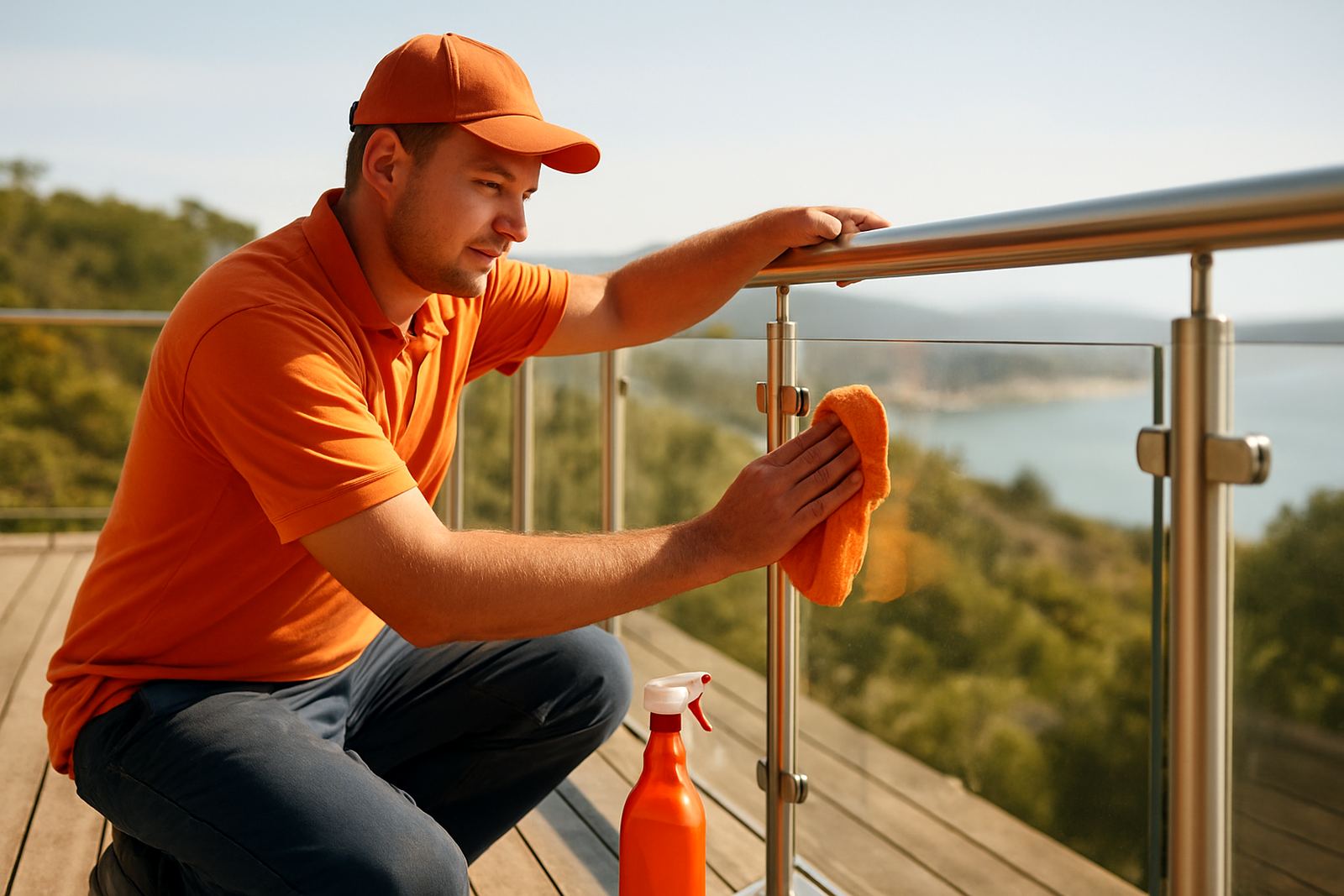
Practical maintenance keeps outdoor stainless looking right for longer. A rinse with clean water, a check on fixings and a quick look at sealant lines can prevent bigger repairs later. For properties close to the lagoon or the sea, we often suggest periodic checks after the wet season and again before the holiday rush. That way a loose bracket or corroded fastener is caught before it causes damage.
- Rinse coastal installations with fresh water on a regular basis.
- Inspect hinges, latches and clamps after heavy rain or strong wind.
- Do not use harsh cleaners that leave residue on the surface.
- Schedule maintenance before the busy season, not after a failure.
A local example from Knysna to Plettenberg Bay
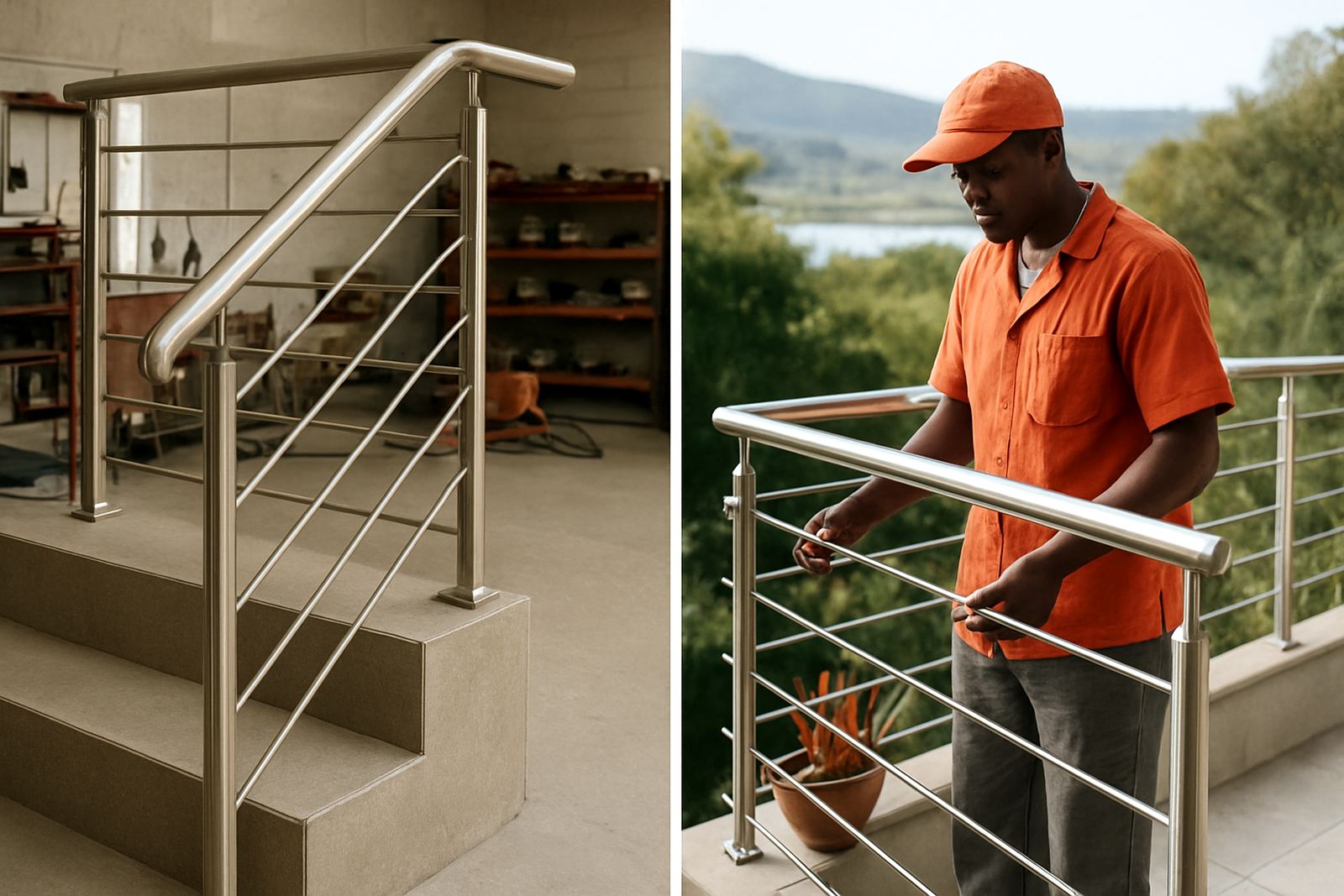
A recent type of job we see often is a property with a stainless balustrade inside a stairwell and a matching section on an outdoor deck. The indoor section can focus on clean lines and a bright finish, while the outdoor section must handle wind, rain and salt in the air. If both sections are built the same way, the outside part usually ages faster. If both sections are overbuilt the same way, the inside part can look heavy and cost more than it needs to.
The better approach is to match the fabrication to the setting. That means measuring properly, choosing the right hardware, planning for drainage and knowing when to use a different finish. It also means working with a team that handles design, fabrication and installation as one process. For homeowners, builders and body corporates across Knysna, Sedgefield, Wilderness, George, Plett and Mossel Bay, that saves time and avoids call-backs.