1. Before the truck leaves Knysna Industria
Most smooth installations start the day before, not on the driveway. We confirm the address, access points, parking space, site contact and whether the area is ready for lifting, drilling or welding. On tighter sites in Knysna, Plettenberg Bay or Sedgefield, that extra check saves time and avoids damage to paving, paint or glass.
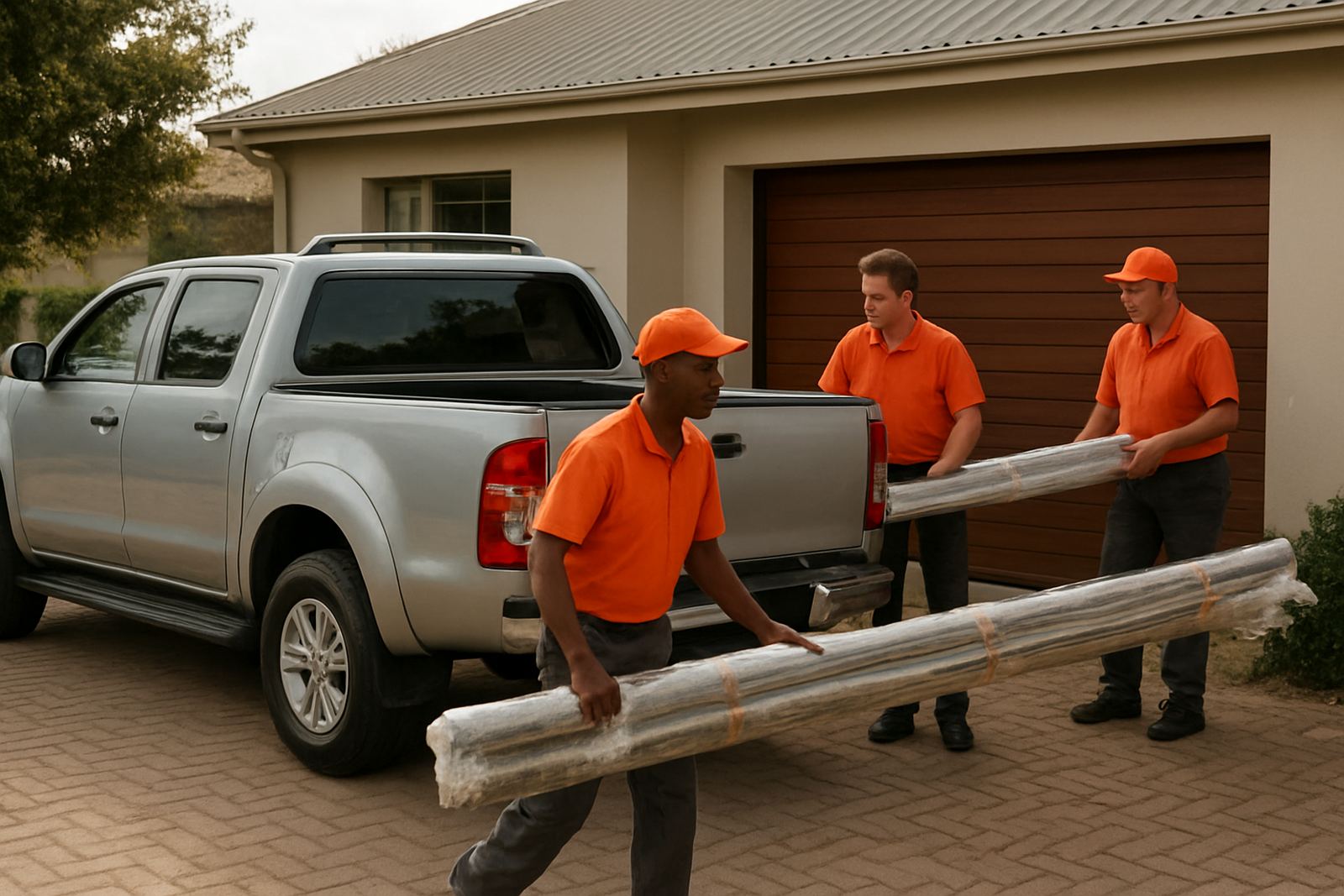
We also make sure the correct items are loaded in order. That includes the fabricated sections, fixings, brackets, handrail returns, glass clamps, gate hardware and any touch-up materials. If the job is near the coast, we double-check that all fasteners and consumables suit the conditions because salt air can shorten the life of the wrong hardware. A little prep here keeps the day moving and keeps the client from waiting around.
- Site address and contact person confirmed
- Access checked for trucks, ladders and tools
- Installation parts packed by sequence
- Weather and wind conditions reviewed
- Special items like glass or marine fitouts loaded last for protection
2. Arrival, walk-through and safety checks
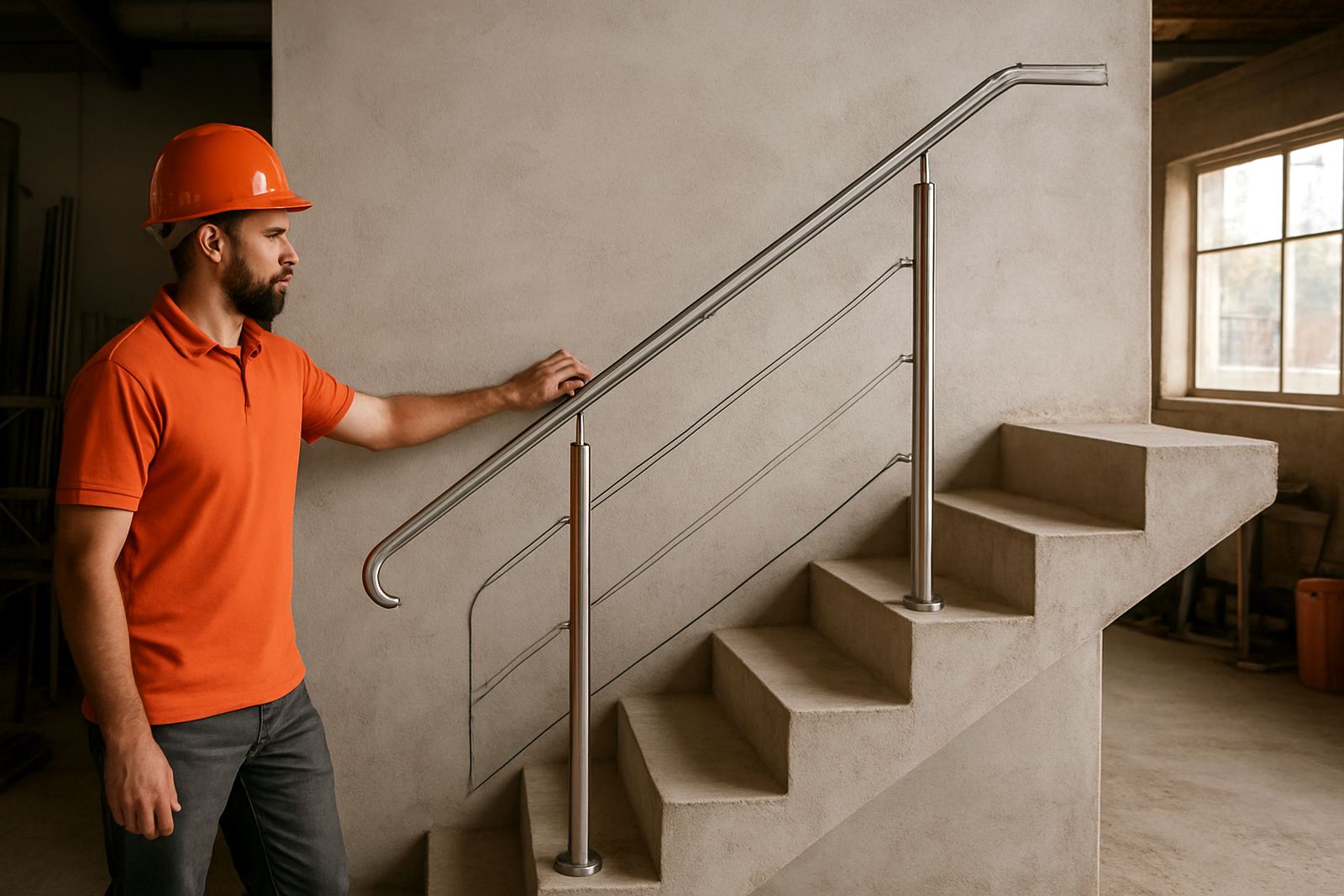
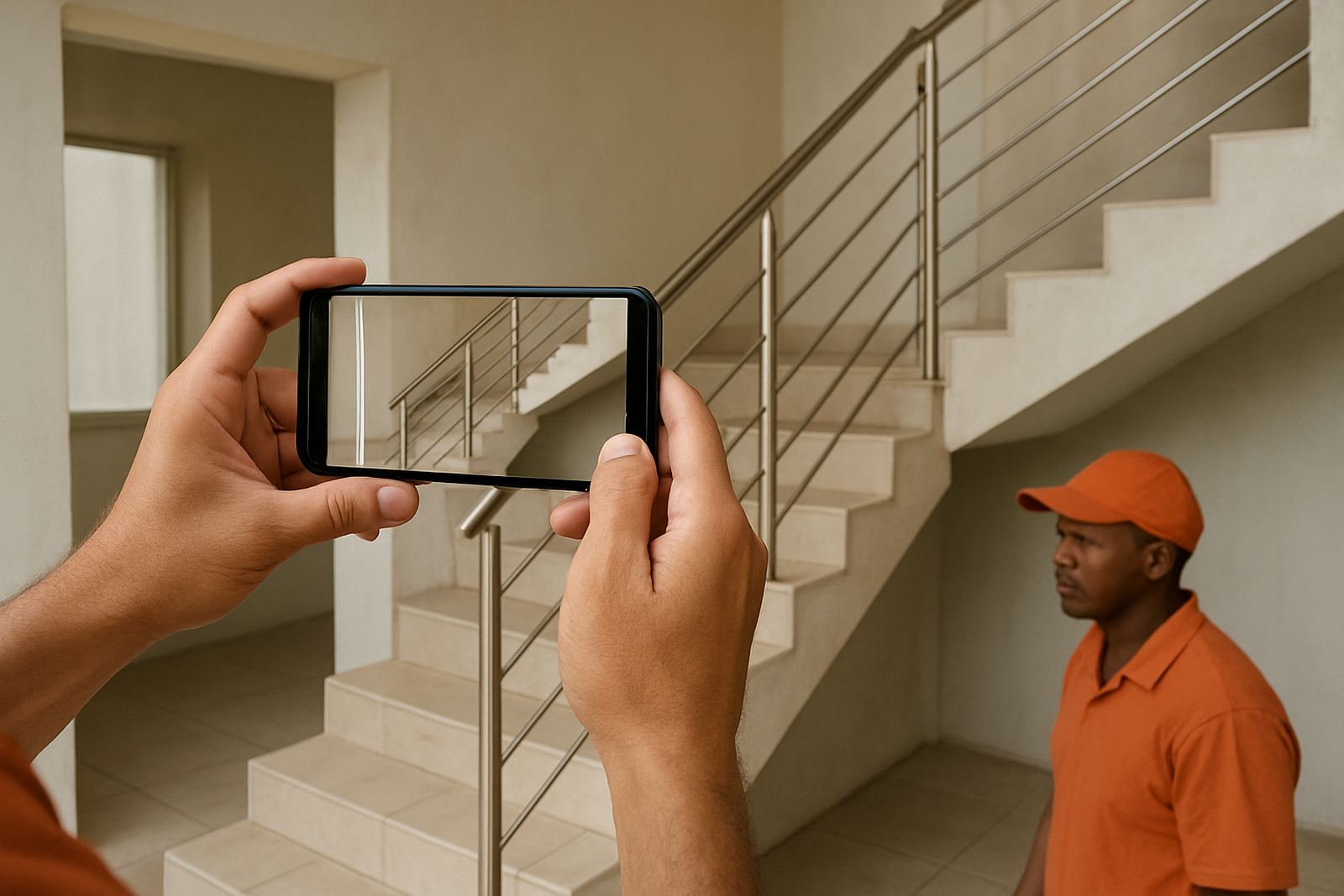
When the team arrives, the first step is a short walk-through with the client or site contact. We compare the site to the approved drawings and confirm the fitment points, clearances and any last minute changes. If something is different from the original plan, we talk it through before tools come out. That way there is no guessing on the day.
Safety comes first, especially on balconies, staircases, boundary walls and busy commercial sites. We set out barriers where needed, keep the work area tidy and make sure the team has the right protective gear. In George or Mossel Bay, where wind can pick up quickly, we also think about how to secure loose items and glass during fitment. Clients sometimes worry the process will be noisy or messy, but good preparation keeps disruption low.
- Site walk-through with the client
- Final measurements compared against drawings
- Hazards identified before work starts
- Work zone marked off if needed
- Tools and material placed so the site stays orderly
3. Delivery and positioning of the stainless items
Once the site is ready, the fabricated items are unloaded and positioned close to their final location. This matters with long handrails, heavy gates and larger balustrade sections because lifting them more than once increases the risk of scratches or damage. We handle the pieces carefully and use the right lifting method for the weight and shape of each item.
For custom pieces, the order of fitment is important. A gate may need its posts checked first, while a balustrade run may need the end brackets, centre supports and glass set out in stages. On some properties the access is tight and the load shedding schedule has already affected other contractors, so we work efficiently while still keeping the fit accurate. The aim is a clean fit with no forcing and no ugly gaps.
- Items unloaded in fitting order
- Fixing points checked against the structure
- Protective wrapping removed only when needed
- Surfaces kept clear of grinder dust and debris
- Team checks for any transport marks before fitment starts
4. Fitting, drilling and onsite adjustments
This is where the fabrication meets the actual building. No two sites are exactly the same, especially with older homes in Knysna or coastal properties in Wilderness where walls may be out by a few millimetres. Our site installation lead and workshop team work together to make sure the pieces sit square, level and secure. Small adjustments are normal, but they are done carefully so the finished work still looks neat.
Depending on the job, we may do drilling, anchoring, welding, glass fitment or gate hardware fitment on site. If a bracket needs a slight repositioning or a gate latch needs fine tuning, we sort it there and then. We do not leave a half-finished item and hope it will settle itself later, because stainless work has to function properly from day one. That includes smooth gate movement, proper handrail height and tidy ends on every run.
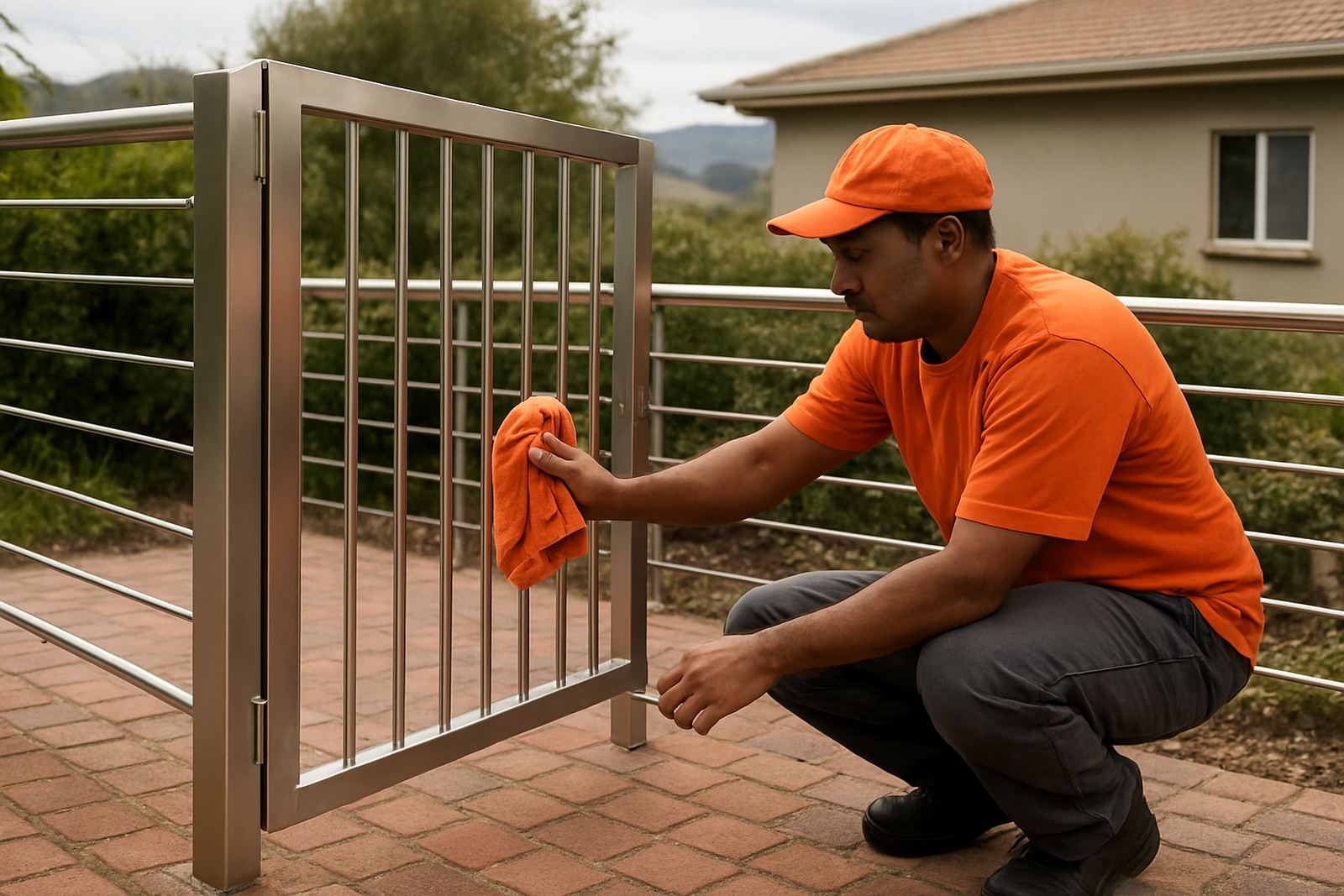
For marine fitouts and repairs, we also pay attention to cleaning the work once the fitting is done. Salt spray and fingerprints can affect the finish, and a proper wipe down helps the stainless keep its look.
5. Clean-up, handover and final checks
Before we leave, we run through a final check with the client. We test gates, check handrails for firmness, confirm glass panels are seated correctly and make sure any hinges, latches or catches work the way they should. If there are maintenance notes or care advice, we explain them in plain language. Clients should know what to expect in the first few weeks and when to call us if something needs a look.
Clean-up is part of the job, not an extra. We remove offcuts, swarf, packing and drilling dust so the area is safe to use. On residential jobs that may mean sweeping a patio or wiping fingerprints off a balustrade. On commercial or shared sites, it may mean clearing a passage, staircase or loading area so normal use can carry on. A proper handover means the site is ready, not left for somebody else to tidy.
- All fixings checked and tightened
- Gates opened and closed several times
- Handrails and balustrades tested for movement
- Glass and stainless surfaces cleaned down
- Client receives care and maintenance notes
6. A local example from the Garden Route
Take a typical balcony job in Plettenberg Bay. The owner wants a stainless balustrade with glass, and the access road is busy during holiday season. The team arrives early, unloads carefully and speaks to the client before starting. The fixing points are checked against the slab, because even a small shift in the concrete can affect the line of the balustrade.
By lunchtime the posts are set, the glass is fitted and the top rail is aligned. After that comes the clean-up and final walk-through. The owner sees exactly how the gate latch or handrail finish works, and if there is a future maintenance check needed, it gets noted. That kind of install day is what clients across Knysna, Sedgefield, Wilderness, George and Mossel Bay should expect: clear communication, tidy work and a result that suits the site, not just the drawing.
When stainless items are made locally and installed by the same team, problems are easier to spot and sort out. That is useful on coastal jobs where weather, humidity and municipal timelines can complicate things. It is also why site measuring, shop drawings and install day all belong to one process rather than separate jobs done by different people.