What passivation does after fabrication
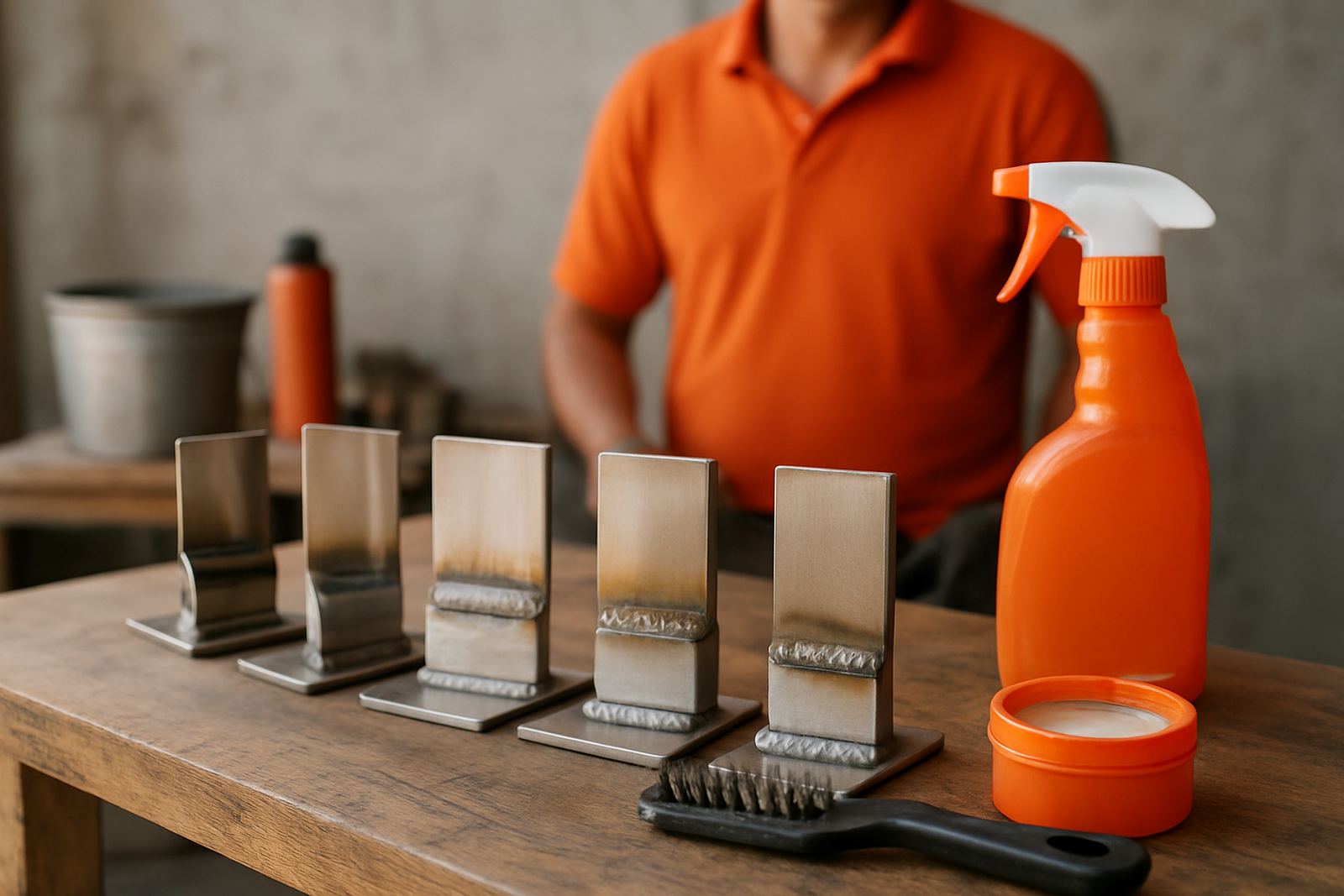
After stainless steel has been cut, welded, ground and handled, the surface is no longer as clean as the name suggests. Tiny iron particles from tools, dust from the workshop and heat tint from welding can sit on the metal and start brown staining later. Passivation is the process of cleaning that surface so the stainless can form its own protective layer again.
It does not make stainless steel magic. It does not repair poor welding or stop damage from acidic cleaners, but it does help the material do the job it was made for. For balustrades, handrails, gates and custom parts around Knysna, Plettenberg Bay and George, it is one of those jobs that can save a client from early rust marks and repeat call-outs.
Where contamination comes from in the workshop
Most staining starts before the item ever leaves the shop. If stainless is worked on the same bench, with the same discs or wire brushes used on mild steel, small particles can be transferred into the surface. Even fingerprints, oily marks and grinding dust can leave trouble behind once the item is installed near the coast.
- Cutting and grinding tools that have touched carbon steel
- Welding heat marks, especially around joints and corners
- Workshop dust, oil and marker residue
- Handling with dirty gloves or bare hands
- Site contamination from cement, plaster or steel filings
In a place like Knysna Industria, where a balustrade may be fabricated in the morning and fitted near salt air by the afternoon, the standard of cleanliness has to start early. A good fabricator plans for it from the first cut.
A practical passivation sequence that makes sense
There are different methods depending on the job, the finish and the access on site. The main point is that passivation should happen after fabrication is complete, and after welding scale and surface marks have been dealt with. On decorative items, a clean satin finish often needs extra care because marks show up fast in daylight.
At a working level, the sequence is usually simple: remove loose contamination, clean the surface, treat the affected areas, rinse properly and let the item dry clean. If the job has glass fitment, hinges or gate hardware, those parts need to be protected so the cleaning step does not stain other materials.
- Finish all welding and grinding first
- Remove heat tint and surface marks where needed
- Clean away oil, dust and metal particles
- Apply the chosen passivation treatment correctly
- Rinse and dry without leaving chemical residue
A rushed rinse can leave streaks or patchy results. If you have ever seen a rail with one side looking fine and the other showing faint tea-coloured lines, that is often a sign that the cleaning was not completed evenly.
Why coastal jobs need extra attention
The Garden Route brings beauty, but also moisture, salt and long periods of damp air. In Wilderness, Sedgefield and Mossel Bay, stainless parts can sit in a humid environment for months without much direct sun. If the surface has contamination on it, those conditions make staining show up faster.
Passivation is especially useful on outdoor balustrades, pool barriers, gate frames and marine fitouts where stainless will be handled often and exposed to weather every day. It also helps when a property is close to the sea and the owner wants the finish to stay neat for as long as possible without constant polishing.
For clients, the practical point is this: a clean finish is easier to maintain than a stained one. Once brown marks start around welds or corners, people often blame the material when the real issue was surface preparation.
What passivation is not
There is a lot of confusion around this step, so it helps to be plain. Passivation is not a coat of paint, and it is not a sealant that covers the metal. It does not hide poor fabrication work and it does not replace proper grade selection for the environment.
It also will not fix damage from harsh cleaners after installation. Bleach, strong acids and rough abrasive pads can still spoil a good stainless job. If a customer wants maintenance checks on a balustrade or gate, the first question should often be what has been used to clean it since installation.
- Do not use carbon steel wire brushes on stainless
- Avoid strong bleach unless a specialist has approved it
- Do not leave cement splash or grout on the surface
- Rinse after cleaning near pools or marine areas
Good passivation is one part of the job, not the whole job. The workshop, the site team and the client all play a part in keeping the surface right.
A local example from a Knysna installation
On a recent residential handrail job in Knysna, the fabrication was completed in the workshop and then installed at a stair run exposed to afternoon sea air. The frame looked fine at first glance, but the client asked why one welded corner had started to show faint brown marks after a few weeks. The answer was simple enough. There had been a bit of grinding dust left in the joint area and the final clean was too light.
The site team removed the affected residue, treated the surface properly and checked the rest of the rail for any similar spots. The fix was not dramatic, just careful. That is usually how these jobs go when the issue is caught early.
For property owners in Knysna, Plettenberg Bay or George, this is the main lesson. If something looks off soon after installation, it is better to check it while the mark is still localised. Left too long, a small stain can become a bigger maintenance job.
When to ask for passivation and maintenance help
Not every stainless item needs the same level of treatment, but it is wise to ask about it whenever the job involves welding, coastal exposure or decorative finishes. Gates, handrails, balustrades and marine parts all benefit from a proper clean after fabrication, and from sensible care later on.
If you are managing a commercial property or a home renovation, look out for these signs that a maintenance check may be due:
- Tea-coloured marks near welds or edges
- Rough patches that hold dirt
- White deposits from hard water or pool splash
- Finger marks that keep returning after cleaning
- Surface dulling after repeated use or weather exposure
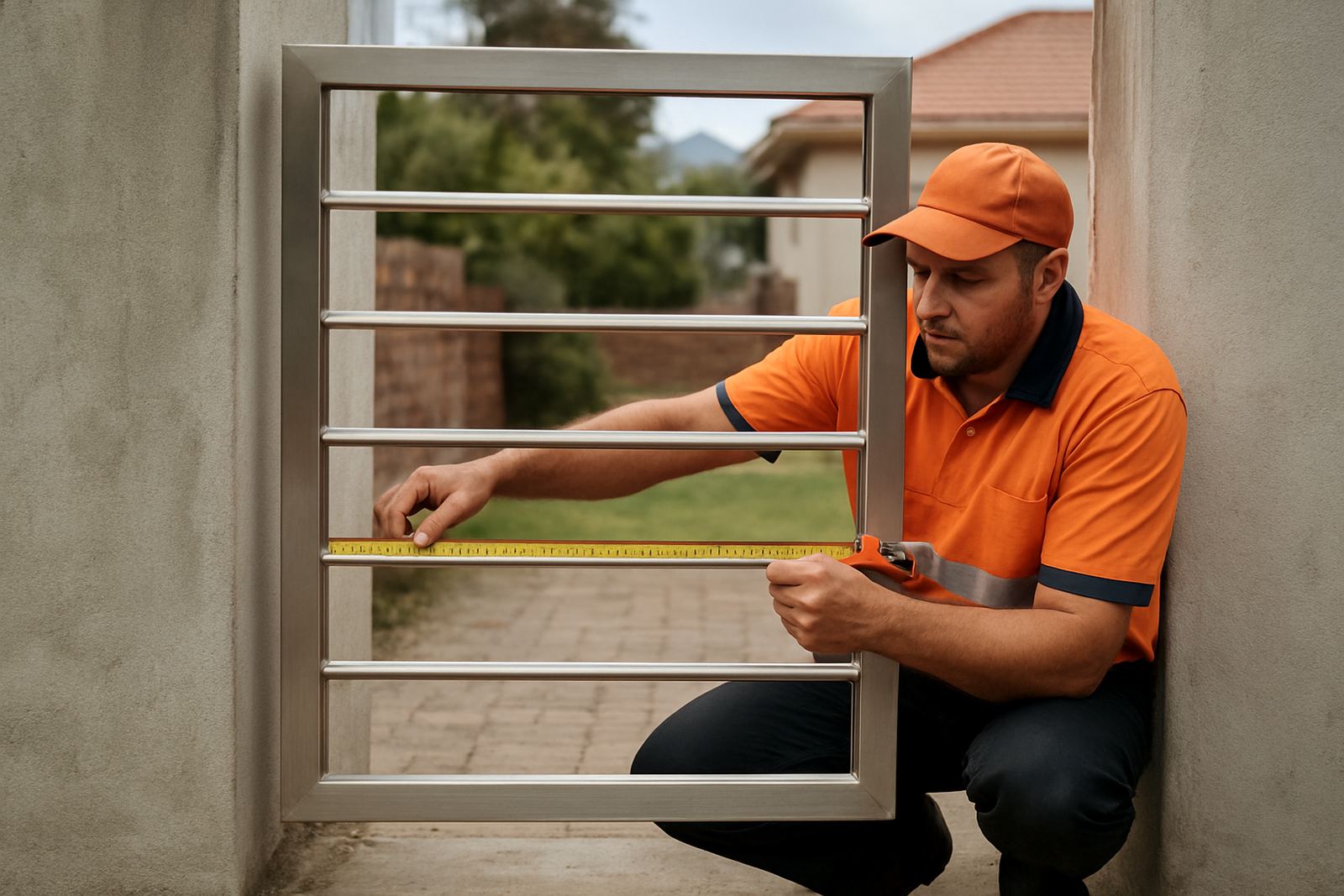
At Sisonke Stainless, the practical side matters. We measure on site, fabricate in Knysna Industria and fit across the Garden Route, so we see what happens when a finish is well prepared and what happens when it is not. Passivation basics are simple enough: clean the metal properly, protect the surface from contamination and keep an eye on it after installation.