What changes first in coastal air
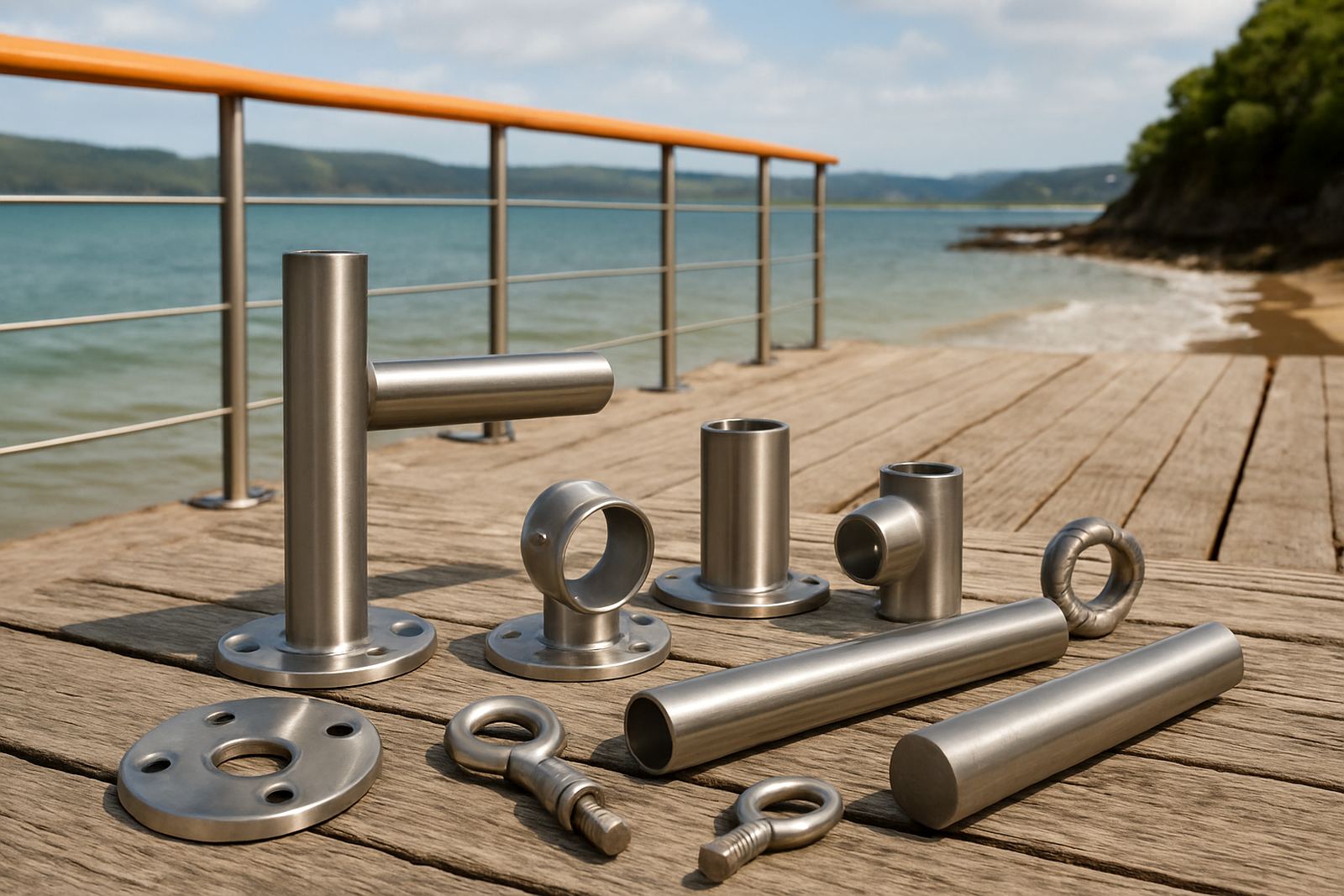
Along the Knysna lagoon, in Sedgefield, and right through to George and Mossel Bay, the air carries moisture and salt. That matters because powder coating and stainless steel handle it in very different ways. Powder coating is a protective finish over metal, so the coating itself has to stay intact. Stainless steel, on the other hand, relies on the metal’s own corrosion resistance, which is why it is often chosen for outdoor use near the coast.
Once a powder-coated item gets a chip, scratch or impact mark, water can reach the base metal underneath. Rust usually starts at that damaged point and works outward. With stainless steel, the risk is less about the whole item rusting and more about staining, surface tea-marking, or damage from poor cleaning and neglected fittings. In other words, stainless can still look tired, but it usually gives you a longer service life before the problems become structural.
Where powder coating still makes sense
Powder coating is not a bad option. For many inland jobs, and for items that do not get handled much, it can be a neat and cost-effective finish. It also gives you colour choice, which is useful when a gate or balustrade needs to match a wall colour, paving or the rest of the property. On a sheltered stoep in Wilderness or a courtyard in Plettenberg Bay, powder coating can perform well if the base metal is properly prepared and the finish is looked after.
- It can suit interior or semi-sheltered spaces.
- It gives a smoother colour finish than bare metal.
- It is often used where budget matters more than long-term corrosion resistance.
The problem comes when people expect it to behave like stainless outdoors. A powder-coated handrail on an exposed deck near the sea may need touch-ups far sooner than the owner expected, especially if children lean on it, furniture bumps into it, or the item gets regular wear from foot traffic.
Why stainless is usually the low-maintenance choice
For outdoor work in the Garden Route, stainless steel usually asks for less day-to-day attention. That does not mean zero maintenance, but it does mean fewer paint chips, fewer localised rust spots and less pressure to respray the whole item every few years. On balustrades, handrails, posts, gate frames and marine fittings, stainless is often chosen because it remains presentable with simple cleaning.
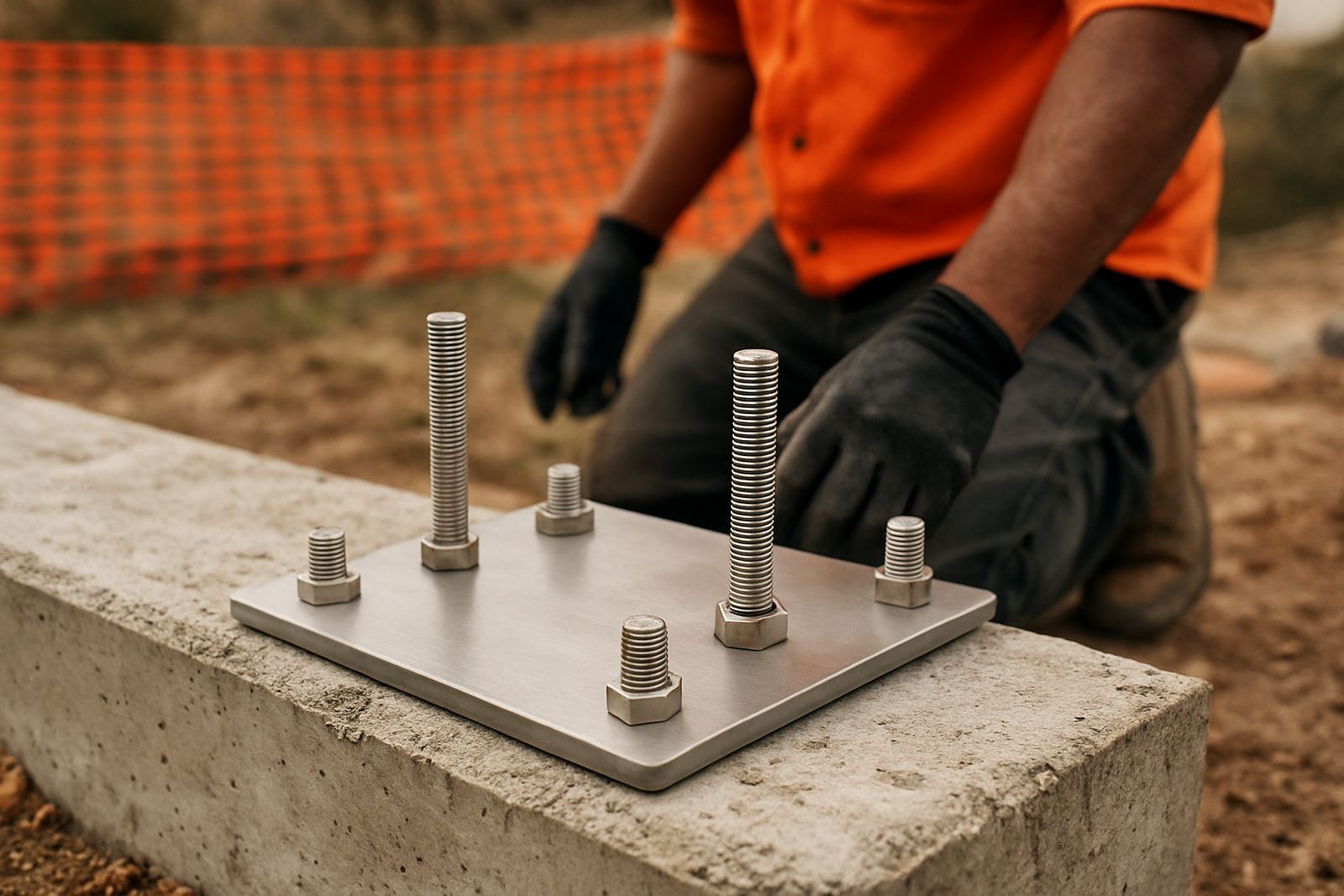
In practice, maintenance is mostly washing off salt build-up, checking fasteners, and keeping surfaces free from dirt that traps moisture. A quick wipe down with clean water can make a real difference, especially on homes facing prevailing winds. If a gate or railing is fitted with the wrong hardware or the welding was left rough, though, even stainless will show issues sooner than it should. That is why fabrication and installation matter as much as the material itself.
- Wash exposed stainless with fresh water, especially after windy weeks.
- Check hinges, brackets and fixings for staining or movement.
- Look for damage around welds, corners and drilled holes.
The maintenance gap over 3 to 5 years
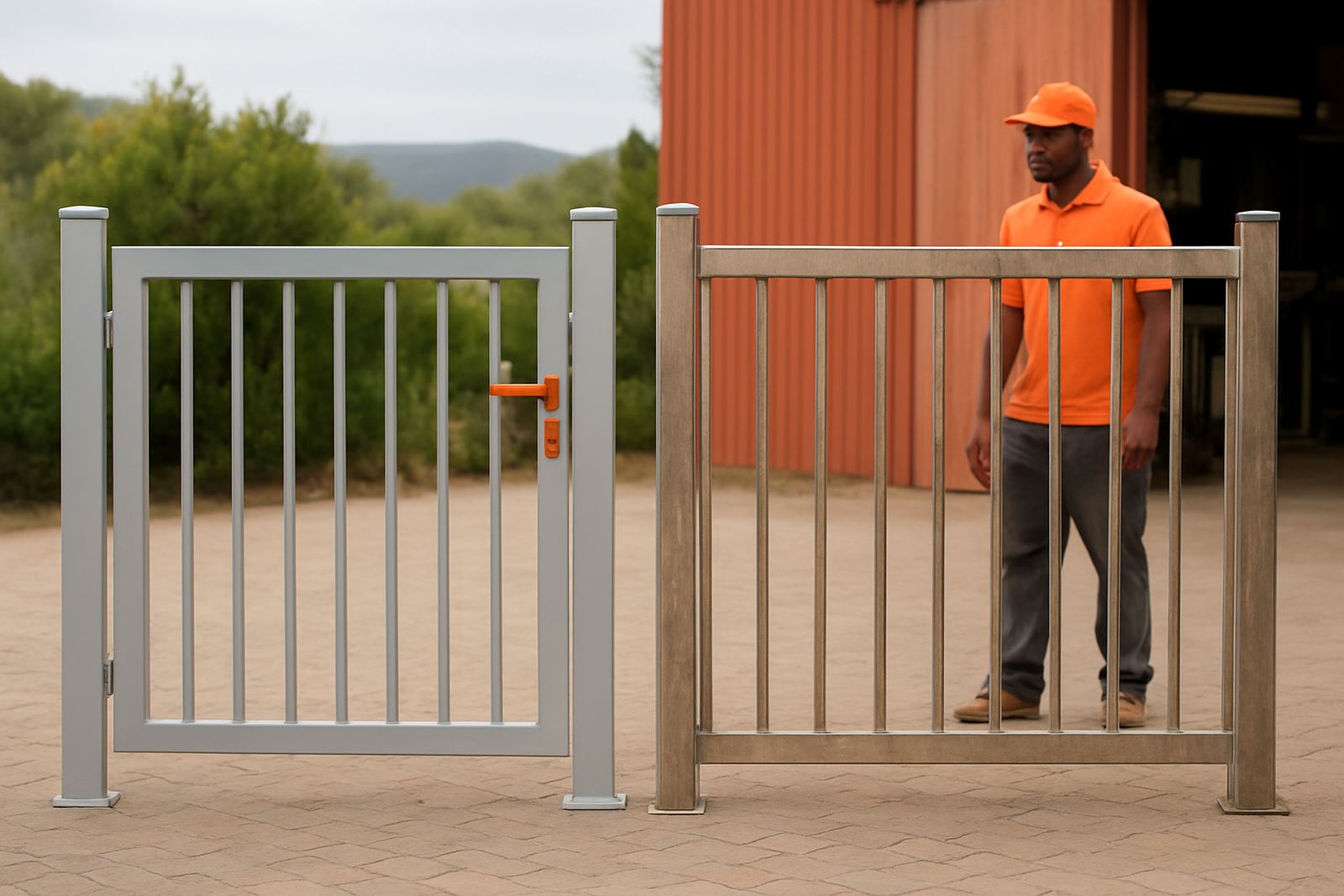
The biggest difference between these two materials becomes clear over time. In the first year, both can look good if they were made properly. By year three, powder-coated items start showing whether the surface has been scratched, whether the coating was thin in places, and whether the item sat too close to standing water. By year five, the maintenance pattern becomes obvious. Powder-coated metal may need spot repairs, sanding and repainting in exposed spots. Stainless still needs care, but usually a light clean and inspection rather than a full refinish.
If the item is in a rental property, guest house or business entrance, that maintenance gap affects more than appearance. A corroding gate hinge or flaking railing finish can turn into a safety and liability issue. Municipal inspections, body corporate rules and homeowner standards can all become stricter once visible deterioration starts. It is better to spend time choosing the right finish than pay for repeated patch work later.
A Knysna example from real use
Take a lagoon-side home in Knysna with a timber deck, glass panels and a stainless handrail, or a powder-coated one on the same property. The stainless handrail will usually cope better with daily damp air and the salt carried in from the water. The powder-coated version may still be fine if it is sheltered under a roof and cleaned regularly, but once chips appear on the deck edge or around fixing points, rust can start showing near the brackets.
We often see this after winter, when everything stays damp for longer and the owner only notices the problem once orange marks appear on the lower sections. A small issue can spread quickly if nobody checks it. That is why site measuring, proper detailing and correct hardware selection matter. A well-made stainless item with the right finish and drainage points can save a lot of maintenance later on, and it handles the local weather better than most people expect.
How to choose without overpaying
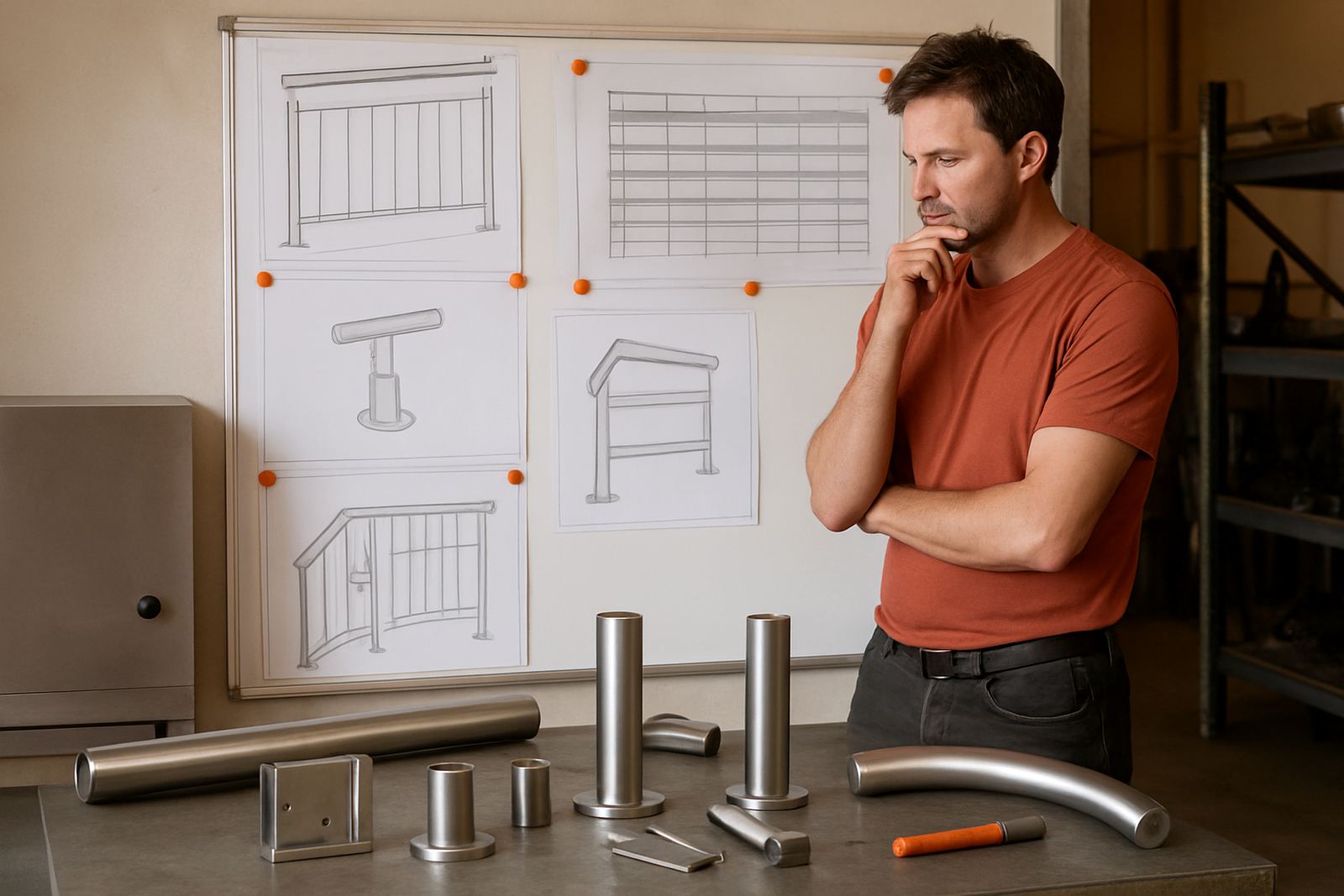
The right answer is not always stainless for everything. Some jobs are better served by powder coating, especially if the item is sheltered, colour is important, or the budget is tight. But when the item sits outside in coastal air, gets touched often, or has to keep looking decent with limited upkeep, stainless usually gives better value over time.
- Choose powder coating for colour matching and sheltered areas.
- Choose stainless for exposed railings, marine use and high-touch fittings.
- Always ask how the item will be cleaned, fixed and maintained.
If you are in Knysna, Plettenberg Bay, Sedgefield, Wilderness, George or Mossel Bay, the practical question is not only what looks good today. It is what will still look acceptable after a season of salt air, summer sun and a few hard knocks. That is the point where material choice becomes a maintenance decision, not just a finish choice.