Choose a screen that blocks sight but still lets air move
On patios facing a neighbour, a lane or a busy braai area, the best privacy screen is one that interrupts clear sight lines without turning the space into a wind trap. Solid panels can work in some spots, but in the Garden Route a fully closed screen often catches too much wind and puts strain on fixings. That is where stainless patterns, slatted panels and perforated sections make sense.
We normally look at the actual use of the patio first. If the area is used for morning coffee, you may want privacy from one side only. If it is a pool side or braai area, you may need screening at seated eye level, but not all the way to the top. The goal is simple: keep the space usable, not boxed in.
- Use vertical slats where you want a lighter look and some airflow.
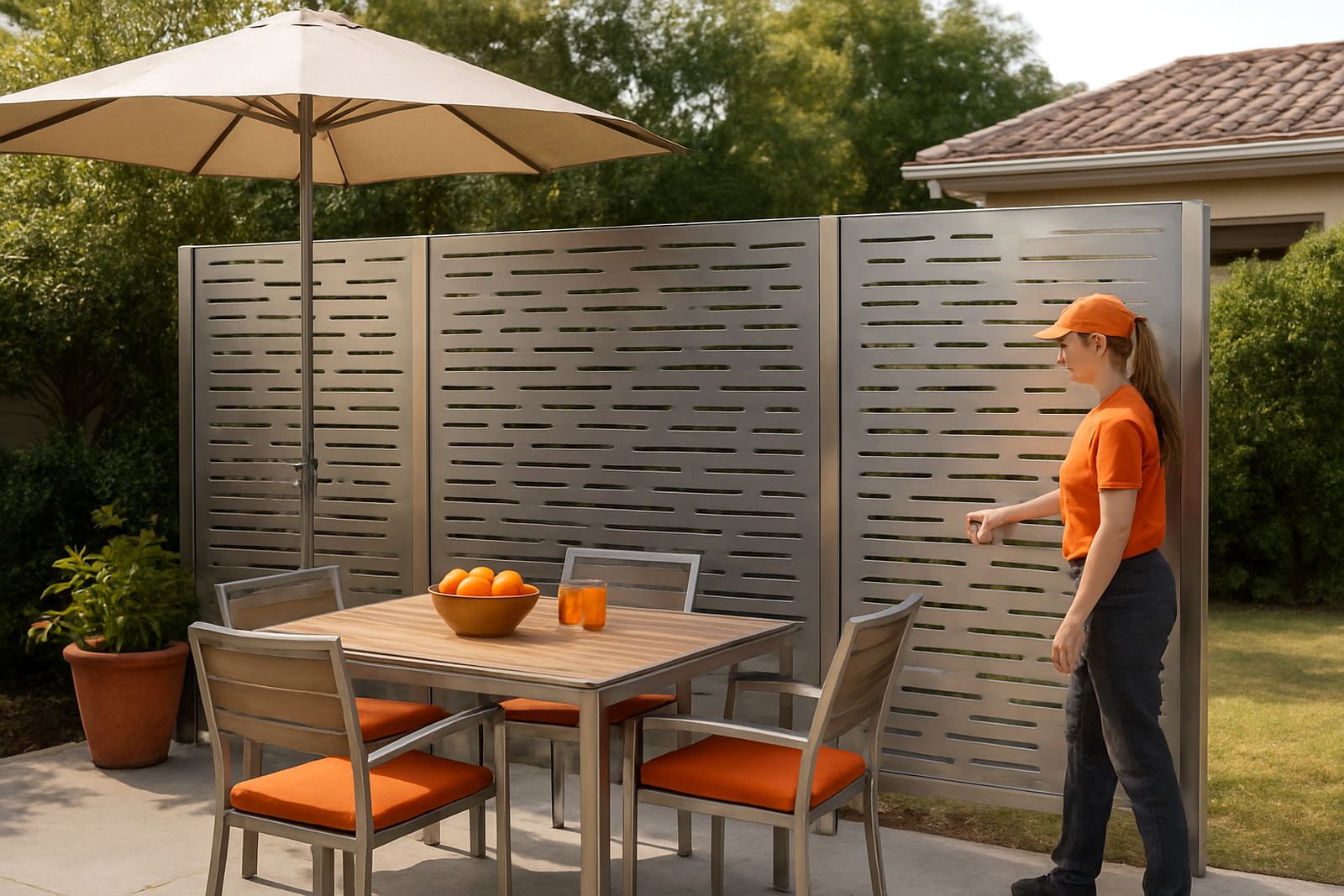
- Use laser-cut or perforated sheet where extra privacy is needed.
- Mix open and closed sections to reduce wind load.
- Keep the bottom edge raised slightly if the patio needs easy washing down.
Stainless works well in Knysna humidity and salt air
Wood can move, warp and need regular coating. Mild steel can rust if the finish gets chipped. Stainless steel is a practical choice for coastal homes because it handles humidity better and keeps its shape. Near the lagoon or in Mossel Bay and Wilderness, the material choice matters even more when screens sit close to spray, damp air and morning mist.
That does not mean every stainless screen is the same. The grade, thickness and finish must suit the position. A screen under cover in Knysna Industria has different needs from one exposed to south-easterly wind in Plettenberg Bay. A brushed finish can hide fingerprints and light marks better than a bright finish, which is useful around family patios. It also helps to plan for cleaning access, because salt dust and pollen will still settle on the surface.
Privacy screen ideas that suit real homes and guest spaces
There are a few common ways to use stainless screens, and the right one depends on the shape of the patio and how much privacy is needed. For some homes, a short return screen near a braai area is enough. For others, a full-length side screen helps when a neighbour’s upstairs window looks straight onto the seating area. On guesthouses and holiday units, screens can also help divide public and private zones without making the space feel harsh.
- Freestanding screen panels for a corner patio.
- Mounted side screens for areas with strong afternoon wind.
- Decorative privacy panels near pool seating.
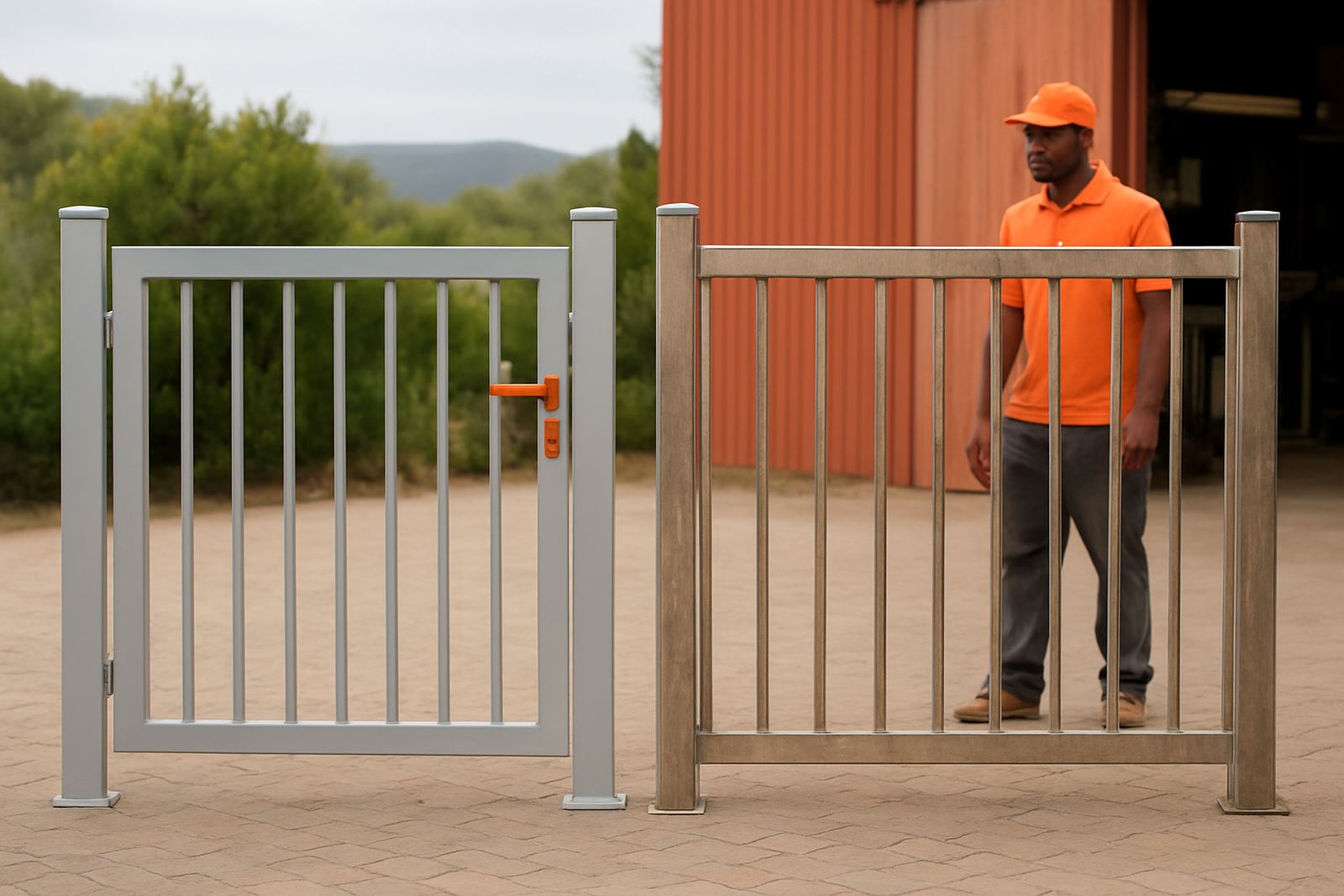
- Screen and gate combinations for courtyards and entrance stoops.
- Custom panels with plant cut-outs or simple geometric openings.
We often advise clients to keep the design plain if the house already has strong finishes. A simple panel with good proportions usually lasts longer visually than a busy pattern, and it is easier to maintain. For a coastal unit that gets holiday lets, less detailing also means less dirt sitting in tight spaces.
Measure for wind, not only for looks
One of the biggest mistakes is sizing a privacy screen only by eye. In a sheltered yard the panel can be taller and wider. In an exposed spot, the same panel might need more open area, stronger posts or a stepped layout. Around the Garden Route, wind can change fast, especially in open streets and on properties near the water. If the screen acts like a sail, the fixings will pay for it later.
We usually check the direction of the prevailing wind, the height of the patio wall, the roof overhang and where people actually sit. A screen that protects a dining table may need to be taller than one near a built-in bench. It also helps to think about rain splash, because a screen that stops wind may also trap moisture if drainage is poor.
- Allow for post depth and anchoring into concrete or slab edge.
- Check for roof eaves, gutters and opening doors before fabrication.
- Leave clearance for cleaning and repainting adjacent walls.
- Use fixings that suit the surface, not just the panel size.
Local example: a Knysna patio that needed privacy from two sides
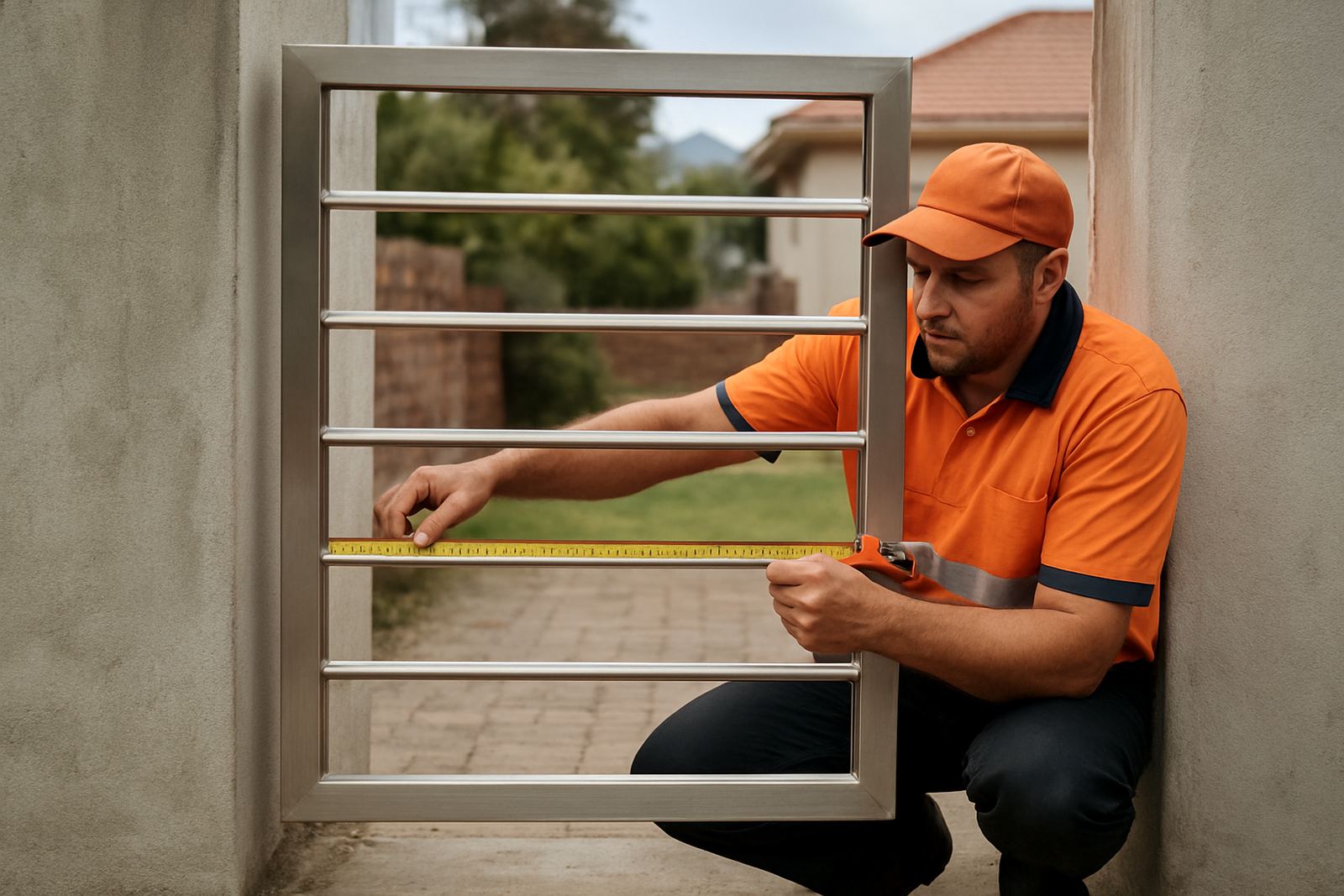
We recently worked on a patio in Knysna where the owners wanted two things at once, more privacy from an upper neighbour and less wind through the braai area. A full wall was not an option because it would have blocked too much light. The answer was a pair of stainless side screens with a denser pattern at seated height and a more open top section. The panels were measured on site, shop drawings were checked before fabrication, and the installation was done to suit the existing slab and wall finish.
The result was a space that still feels open but is far more practical for everyday use. The owners can sit outside without feeling exposed, and the screens also help reduce loose papers, napkins and ash moving around when the wind comes up. That is often the real test on a South African patio, not just whether the screen looks good on day one.
Finish details that make the screen easier to live with
Good privacy screens are about the small decisions as much as the main panel. Edges must be neat, corners should not catch clothing and fixings need to be placed where they can be checked later. If glass is being added nearby, the screen and glass line should work together so the opening does not feel awkward. Where gates are part of the same area, hardware fitment needs to be planned from the start so the clearances are right.
Maintenance matters too. A screen that can be washed with fresh water and checked once or twice a year will last better than one that is hard to reach. In coastal towns, we also suggest a proper maintenance check after heavy wind or a long wet spell. That way, small movement or loose fixings are caught early and do not become a bigger repair.
- Choose a finish that suits regular washing and light touch-ups.
- Keep the design accessible for maintenance checks.
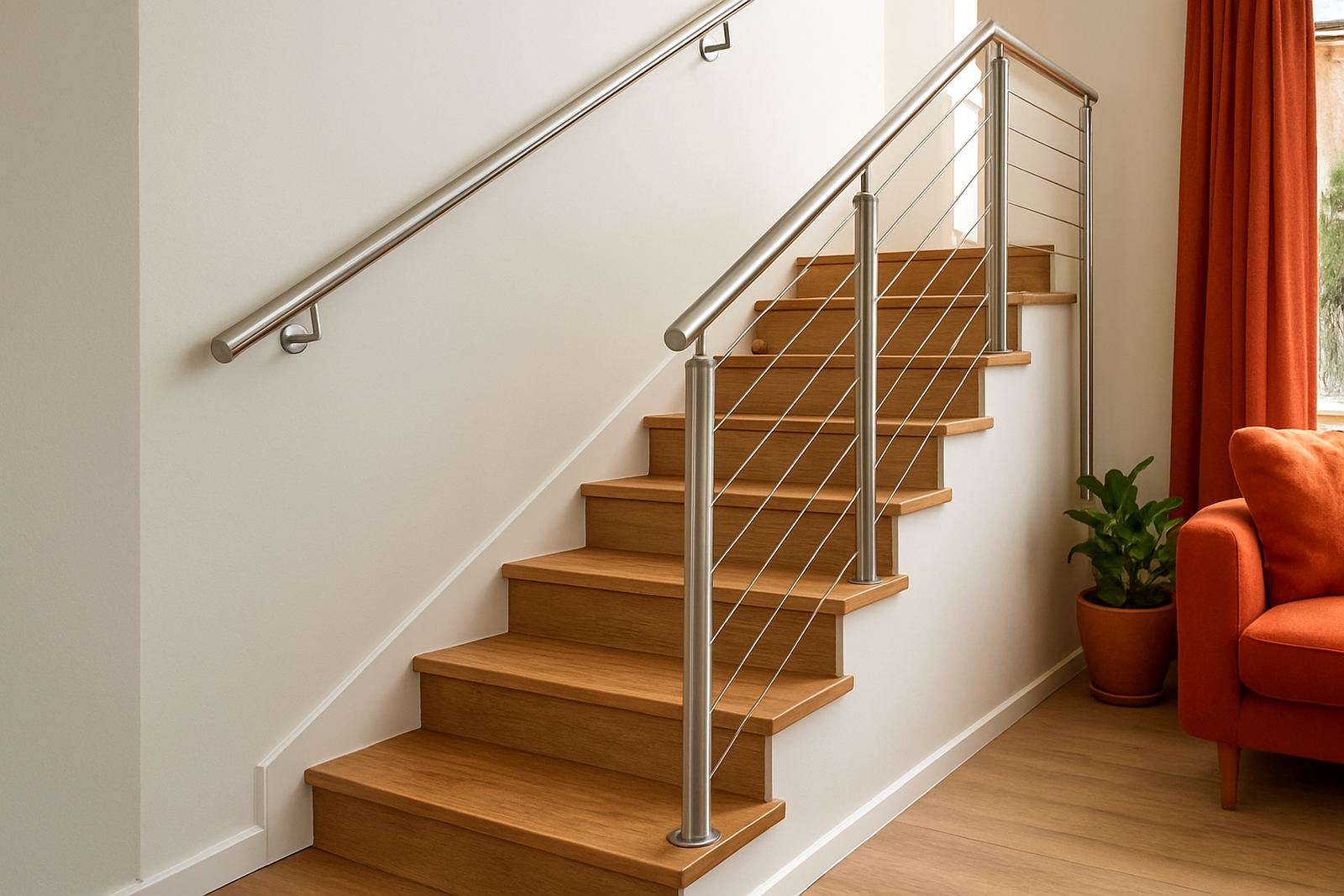
- Match the screen style to nearby handrails, gates and steps.
- Ask for stainless repairs if an existing screen has surface marks or loose joints.
Why custom making helps more than off-the-shelf panels
Patios are not standard sizes and neither are the problems that come with them. Some need privacy from neighbours, some need wind cover, and some need both. A custom screen can be made to fit a narrow side passage, a curved wall or a courtyard with uneven levels. It can also be adjusted to suit local rules or body corporate limits where height and appearance are controlled.
At our Knysna Industria base, we make screens and related stainless parts for homes and business premises across Knysna, Sedgefield, Wilderness, George, Plettenberg Bay and Mossel Bay. The best outcomes usually come from proper site measuring, clear shop drawings and careful installation on the day. When those steps are handled properly, the screen does its job without calling attention to itself.
If the aim is privacy without losing light or airflow, stainless is often the cleanest answer. It gives a patio more comfort, and in this part of the country that extra comfort gets used every day.