Why small staircases need a different approach
In many Knysna homes, especially older cottages, duplexes and compact rental units, the stairs sit close to a wall, a doorway or a landing turn. That means every millimetre matters. A bulky handrail can make the stair feel cramped, while a slim one with the right fixing points keeps movement clear and still gives a firm grip.
Stainless steel suits these spaces because it holds up well in coastal air, needs little day to day care, and stays neat even when people brush past it often. In a small home, the aim is not to fill the stair with steel. It is to give support where it counts and keep the line of the staircase open.
Before any fabrication starts, we always look at tread width, wall clearance, head height and where the hand naturally falls on the rail. A stair that feels fine on a drawing can become awkward once furniture is moved in, so the measurements need to be taken on site, not guessed from a plan.
Handrail profiles that suit tight passages
For narrow stairs, the handrail shape makes a real difference. A round tube gives a comfortable grip and works well where hands may slide along the rail from top to bottom. A slim rectangular profile can look neat in modern homes, but it needs careful sizing so it does not feel sharp or heavy in the hand.
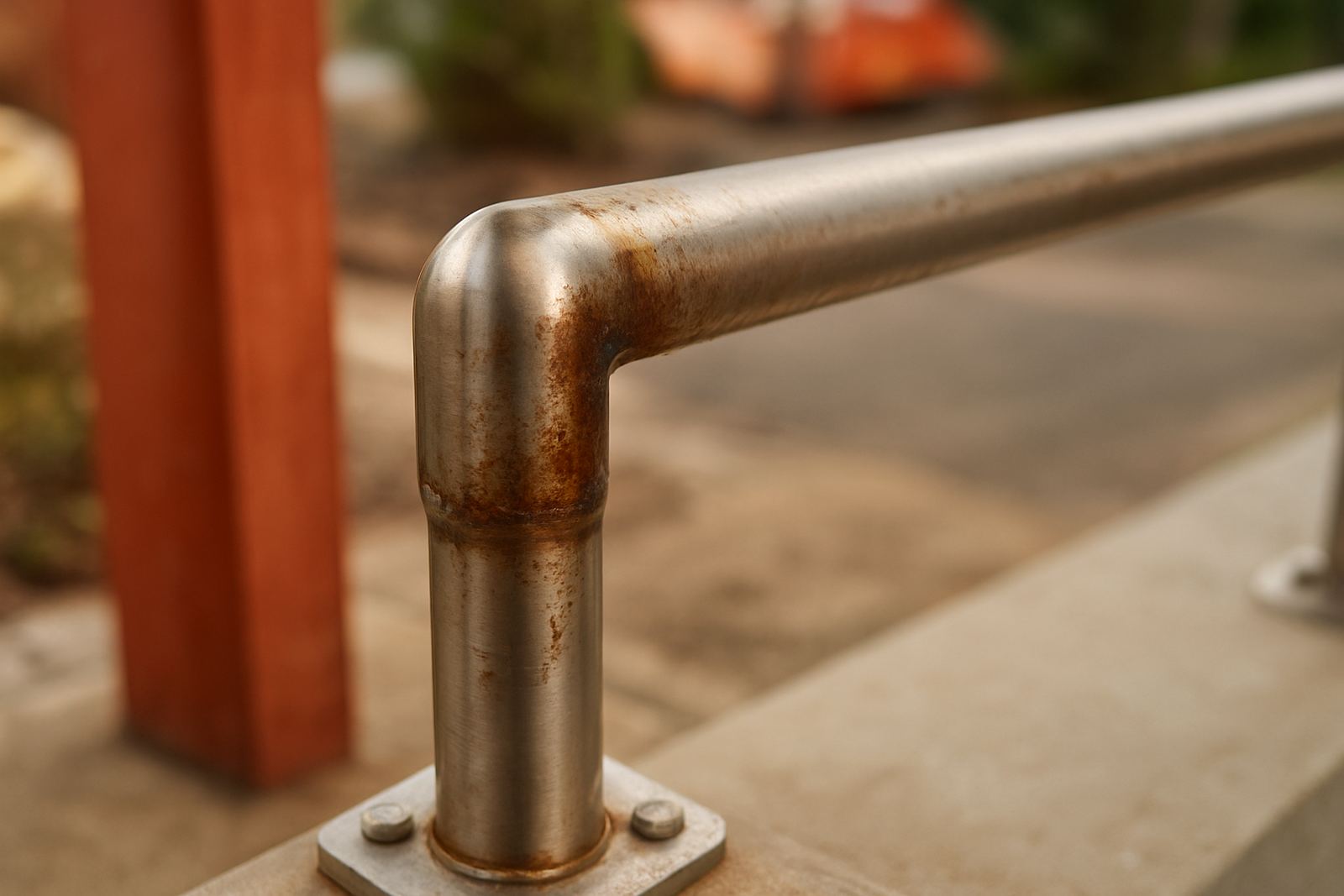
In small homes we often keep the rail line simple and continuous. Fewer joins mean easier cleaning and fewer points where moisture can collect. On coastal properties near Sedgefield or Wilderness, that small detail helps when damp air comes in off the sea.
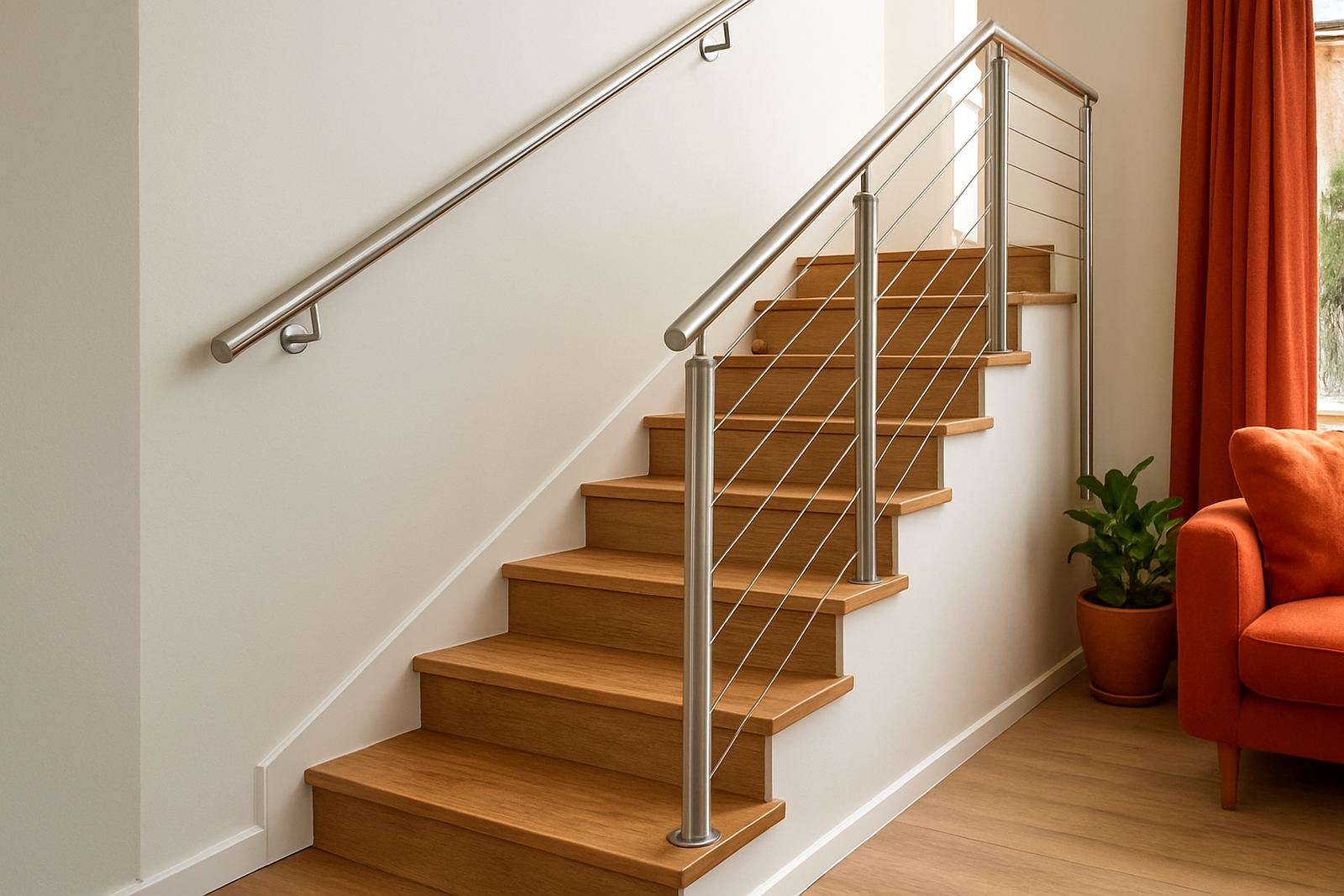
- A wall mounted handrail saves floor width and suits very narrow stairs.
- A single post on the open side can support the landing without blocking sight lines.
- A continuous return at the top and bottom gives a cleaner finish and safer end points.
- Bracket spacing should be set to stop flexing, especially on longer stair runs.
We also check how the rail meets the wall finish. Plastered walls, painted brick and tiled stair enclosures all need different fixings, and the wrong anchor can loosen over time. In a small home, a loose bracket is noticed quickly because people use the same rail every day.
Balustrade styles that keep the space open
Where a stair has an open side, the balustrade should protect without making the area feel boxed in. In smaller homes, stainless posts with simple horizontal or vertical infill lines work well because they let light through. That keeps the passage brighter, which is useful in homes where the stairs sit under a landing or beside a narrow hallway.
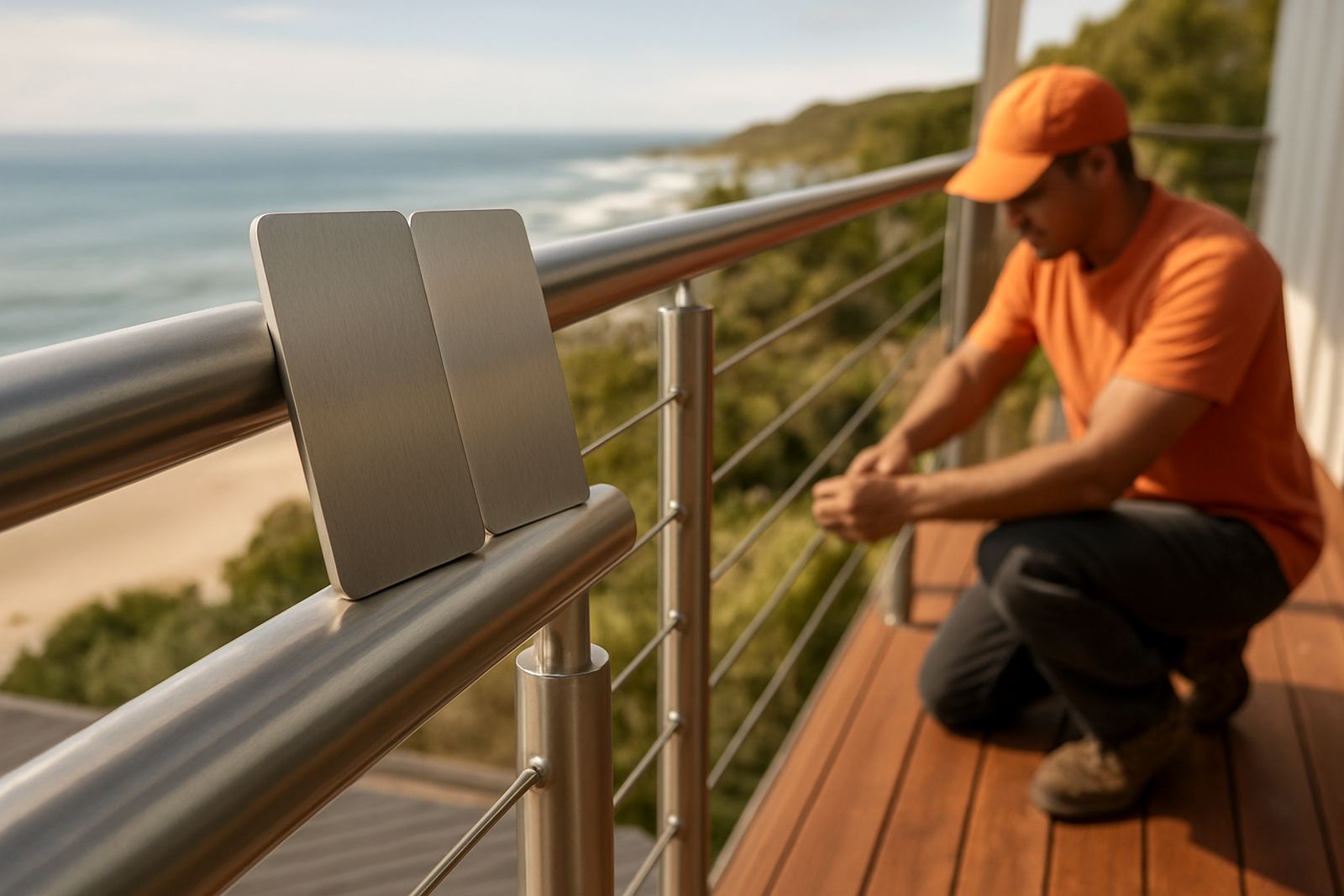
Glass can also work in some homes, especially where the owner wants a light appearance and has enough budget for regular cleaning. In coastal towns, though, we always think about fingerprints, salt marks and access for wiping down. If the stairs are used by children or pets, the spacing between elements also needs to be checked carefully.
- Use slimmer posts where possible to reduce visual bulk.
- Keep openings consistent so the balustrade reads neatly from the room.
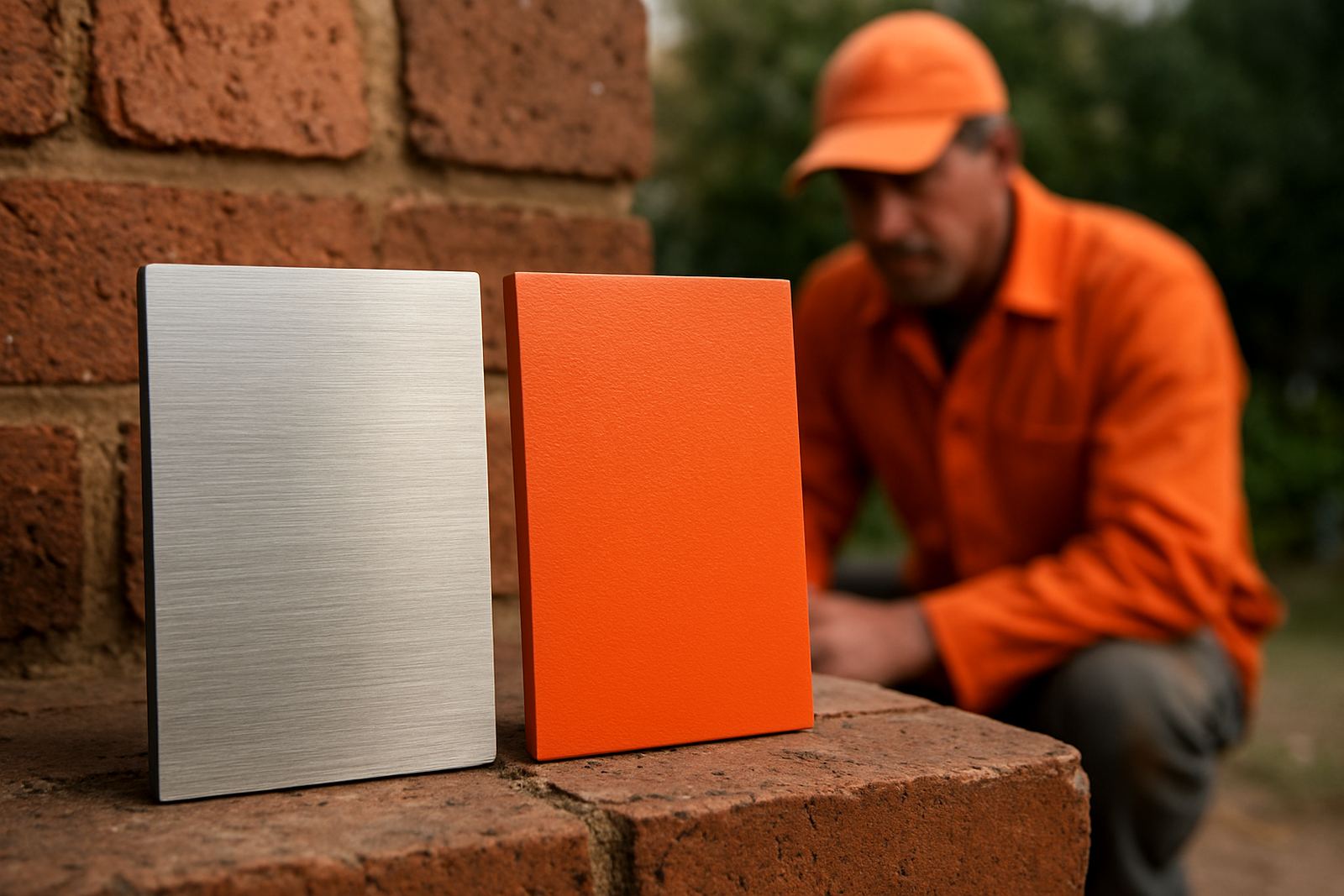
- Match the finish to other fittings in the home for a tidy look.
- Choose a top rail height that feels comfortable for daily use, not just the minimum on paper.
For many small homes, the best result is a balustrade that disappears into the background. It should do its job without becoming the first thing people notice. That is often the difference between a stair that feels cramped and one that feels well planned.
Fixing points matter more than people think
When a staircase is tight, the fixing method matters as much as the steel itself. The wall may be old brick, hollow block or a mixture of plaster and concrete, and each one needs a different anchoring method. If the fix is wrong, the rail can wobble or crack the finish around it.
Our workshop team measures the actual stair conditions before making the parts. That includes checking where pipes or electrical lines may be hidden in the wall, because a small home often has services running exactly where a bracket would normally sit. A careful site check saves trouble later and avoids unnecessary patch work.
In some homes, especially where renovations were done in stages, the stair line is not perfectly square. That is normal. We work around those differences by adjusting bracket positions and fabrication angles so the final fit looks straight, even when the building itself is not. It sounds minor but it saves a lot of frustration on installation day.
Practical choices for families, rentals and holiday homes
Small homes are used hard. A family staircase may carry children, groceries and washing baskets. A holiday flat might see guests with different habits every week. A rental unit may need something neat but low maintenance. Stainless is a sensible choice in all three cases because it is easy to clean and can take daily use without needing regular painting.
For owners who want fewer call backs, we often suggest simple details that reduce wear. Rounded ends are kinder to hands, fixed infill is easier to keep straight and fewer decorative parts mean less to loosen over time. In a home where the power goes off often, natural light becomes important too, so keeping the stair open helps a lot during load-shedding.
- Choose easy clean finishes for homes with children or pets.
- Avoid sharp projections near the stair edge where people carry items.
- Keep the rail line clear of cupboard doors and passage swing space.
- Plan for future repainting or tiling so fittings do not block access.
In a small property, maintenance should be quick. If a homeowner can wipe the rail with a damp cloth and move on, that is ideal. The more complicated the detail, the more chance there is of dirt collecting in places that are hard to reach.
A Knysna example from a narrow duplex stair
One recent Knysna Industria project involved a narrow duplex stair in a compact home not far from the town centre. The staircase turned tightly at the upper landing, and the owner wanted support without making the passage feel closed in. The solution was a wall mounted stainless handrail on the inside and a slim balustrade on the open side with carefully spaced posts.
Because the home sits in a humid area, the finish had to cope with moisture from open windows and sea air moving through the lower rooms. We measured on site, prepared the shop drawings, fabricated the parts in the workshop and returned to install everything in one visit. The result was a cleaner stair line and better movement for the family, especially when carrying items upstairs.
That project also showed how small details save space. The rail was kept close to the wall, the top return was tucked neatly out of the way, and the landing corner was shaped so no one clipped it while turning. Nothing fancy, just careful measuring and good fabrication.
What to check before you order a stair rail
If you are planning a small stair upgrade, it helps to have a few details ready before asking for a quote. Clear information makes it easier to price the work and reduces delays once fabrication starts. A quick site visit is still best, but these basics help the process along.
- Stair width, landing size and total rise.
- Whether the stair has one open side or two walls.
- Wall material and whether the surface is already finished.
- Any glass fitment, gate hardware or repair work needed at the same time.
- Access to the home for installation, including parking and working hours.
Small staircases need practical thinking, not guesswork. When the handrail is sized properly and the balustrade is planned around real movement, even a tight home can feel easier to live in. That is where a measured stainless solution pays off.