Material grade and thickness set the starting point
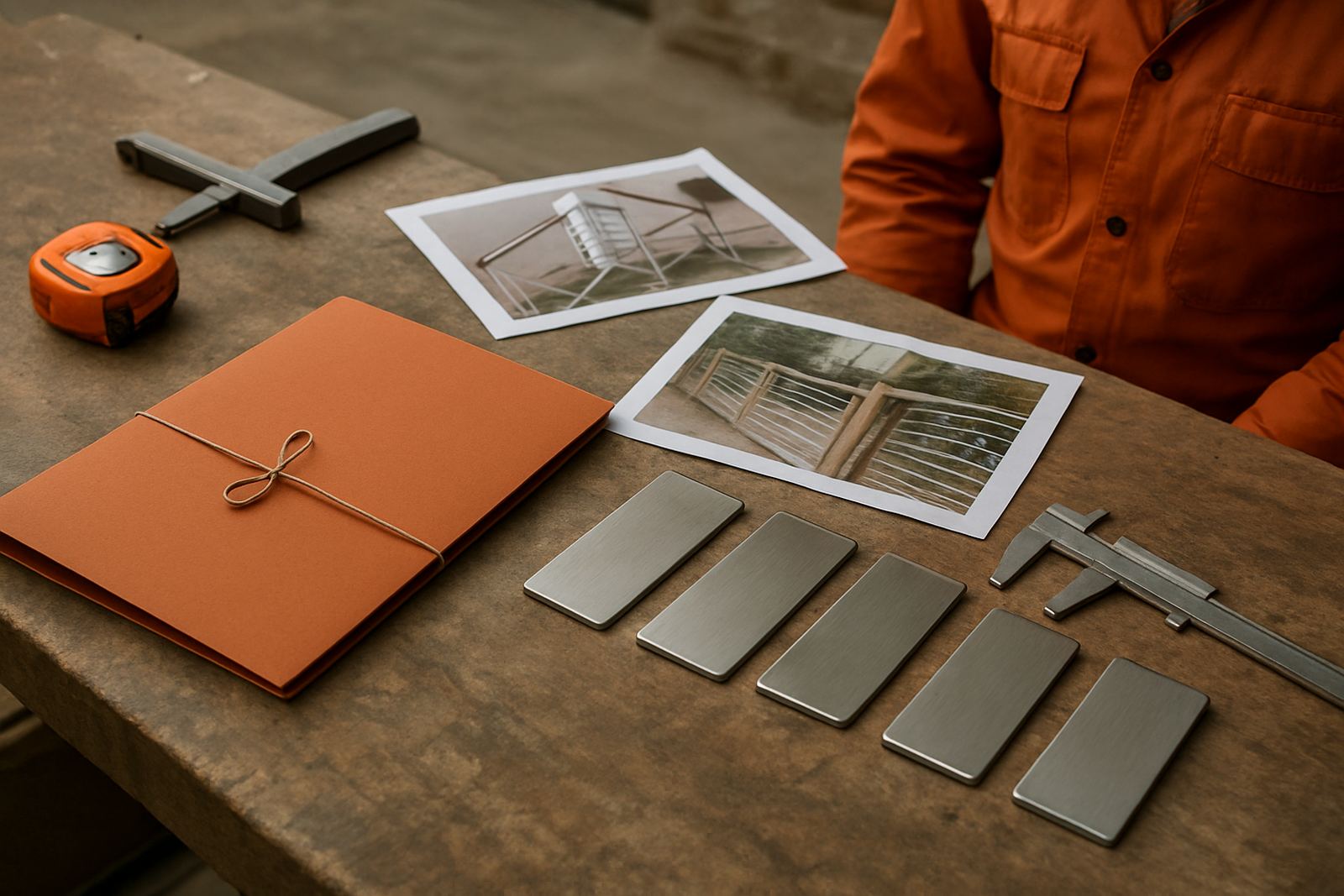
The biggest price driver is usually the stainless itself. Thicker material costs more because it uses more metal and takes longer to cut, bend and weld. The grade also matters. For a dry inland gate or handrail, a different grade may suit the job than a sea-facing balcony in Knysna or Wilderness where salt air sits on the surface for long periods.
On the Garden Route, we are often asked why one quote is much higher than another for what looks like the same item. The answer is usually hidden in the tube size, sheet thickness, wall thickness and grade selection. A light interior handrail can be far cheaper than a coastal balustrade with heavier posts and extra bracing. If the job must last in a humid, salty area, paying a bit more upfront can save a lot in repairs later.
- Tube or sheet thickness
- Grade suited to coastal or inland use
- Amount of waste from offcuts
- Whether polished or satin finish is required
Measured site conditions can change the quote quickly
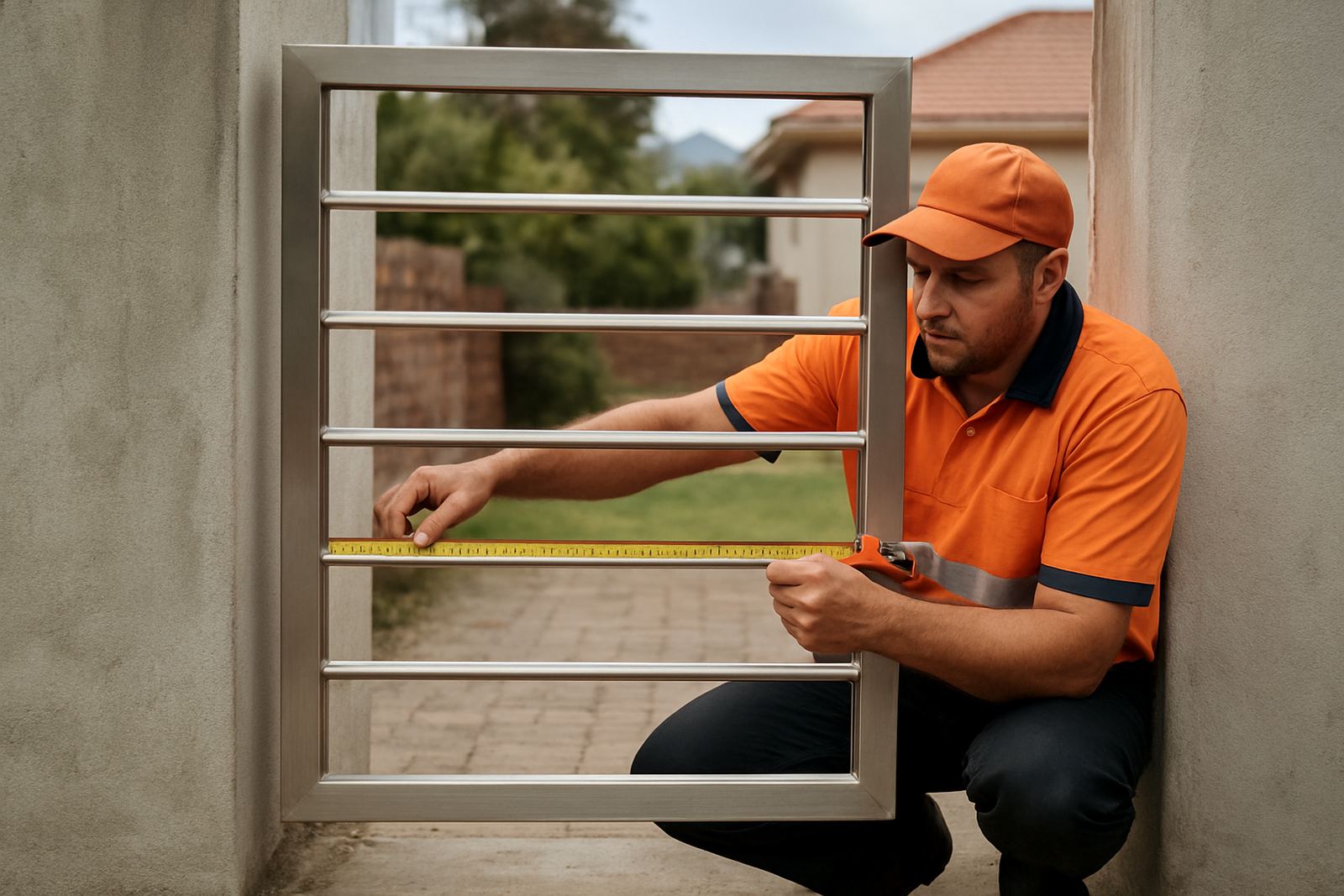
Accurate site measuring is not a box-ticking exercise. A clean, square opening in a new build is one thing. A sloping driveway, old concrete, uneven brickwork or a deck that has moved with age is something else entirely. Every extra adjustment on site adds labour and sometimes extra material.
In Knysna and Plettenberg Bay we see many homes where the structure is not perfectly plumb, especially on older coastal properties. If a balustrade needs custom returns, extra post trimming or a stepped base plate, the fabrication time goes up. Access also affects price. A first-floor balcony with limited lifting room will take longer than a ground-level handrail with open access.
- Uneven walls, floors or slab edges
- Restricted access through narrow driveways or gardens
- Height of the structure and safe working requirements
- Need for temporary supports or extra fixings
Design detail decides how many hours the workshop needs
Simple straight runs are quicker to make than pieces with curves, returns, angles and matched joints. Decorative balustrades, laser-cut panels, custom gate frames and marine fitouts all require more planning and more welding time. Even a small change in design can add several hours in the workshop.
Shop drawings are part of that process. When a client wants a neat finish with glass panels, hidden brackets or a gate that lines up with existing masonry, the drawing stage becomes important. More detail means more measuring, more checking and more time before cutting starts. It also reduces mistakes, which saves money in the long run.
- Number of corners, returns and bends
- Integration with glass, timber or masonry
- Custom features like handles, latch covers or trim plates
- Whether the item is one-off or repeated in multiple sections
Installation work is often a bigger cost than people expect
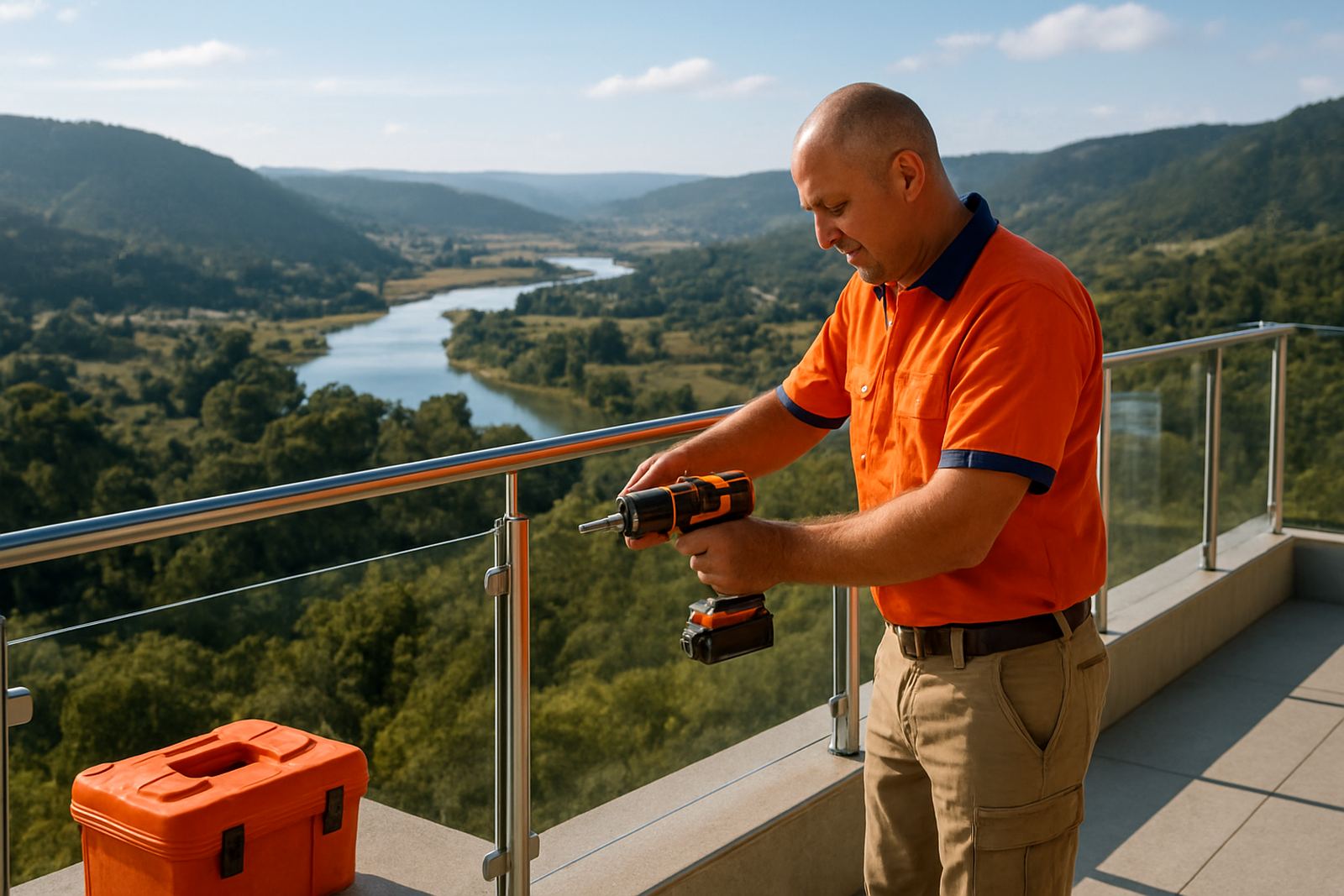
Many clients focus on the workshop price and overlook the site work. Installation can include drilling into concrete, setting anchors, levelling posts, fitting gate hardware and testing the final movement. If the job is on a slope or at height, extra time and safety measures are needed.
In George or Mossel Bay, a coastal install may also need more attention to fixings and sealing. A handrail fitted well but with weak anchors will not last. Good installation means the item is stable, neat and ready for daily use. When a gate must open smoothly after load-shedding or in wet weather, the hardware choice and fit are just as important as the fabrication.
- Travel time to site and return trips
- Drilling, anchoring and levelling
- Hardware setup for gates and access doors
- Weather delays and rescheduling
Finish level and aftercare affect the final figure
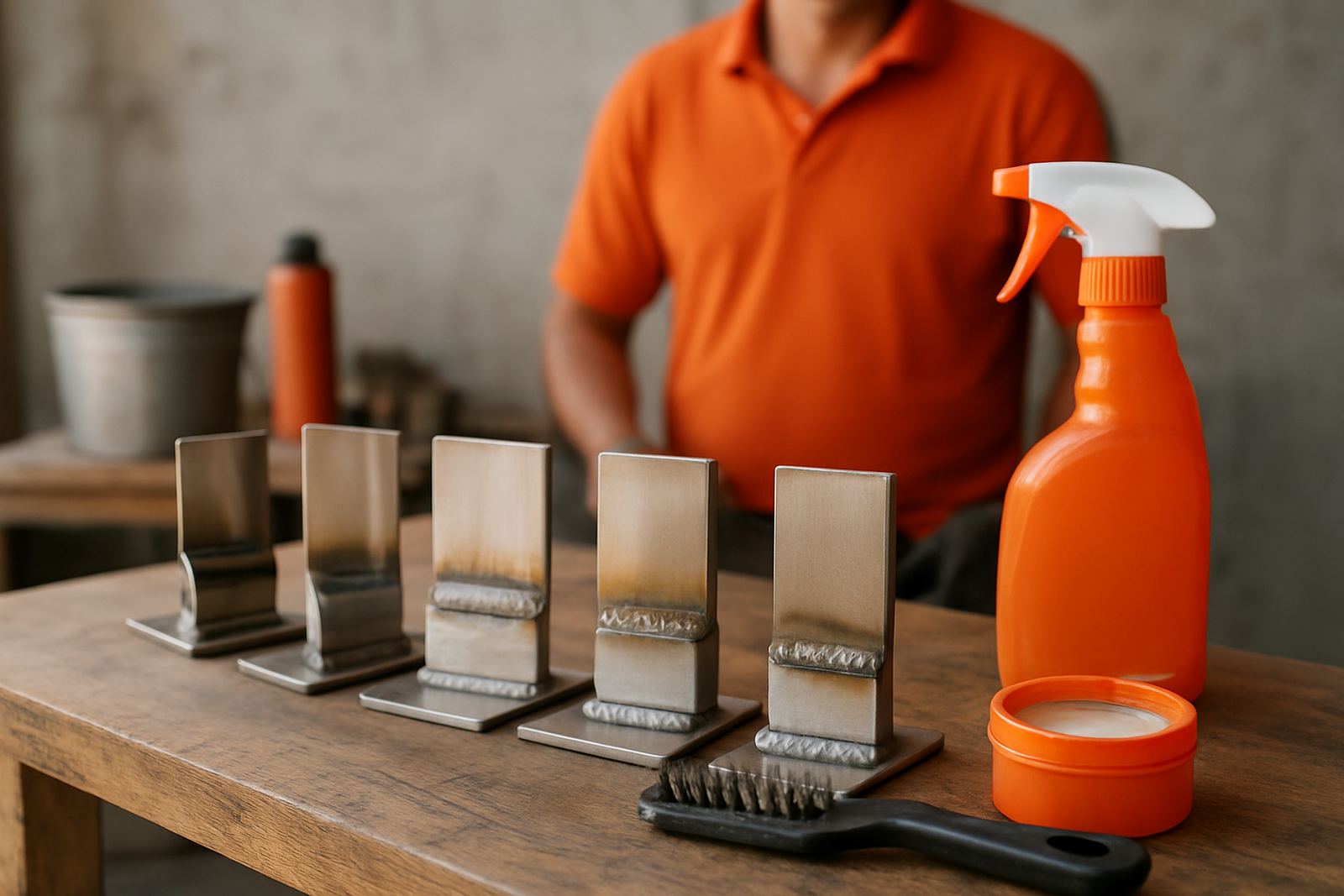
Not every stainless item leaves the workshop looking the same. Some clients want a clean brushed finish, while others want a more refined polished look for visible areas. Surface restoration, repair work and maintenance checks also change the cost because they involve cleaning, grinding and careful finishing instead of making from scratch.
If a piece has been exposed to building dust, concrete splash or coastal grime, the surface may need extra work before it looks right again. That is common on renovation jobs and marine fitouts. We often find that a small repair turns into a bigger clean-up once the item is removed and inspected. It's better to price that properly than promise a quick fix and end up with a poor result.
- Satin, brushed or polished finish
- Extra cleaning after welding and handling
- Surface restoration on older items
- Protective care for coastal installations
Repair, replacement or custom manufacture are three very different jobs
Some customers ask for a quote on what sounds like one item, but the real scope can vary a lot. A repair might mean re-welding a loose bracket. Replacement could mean remaking a whole section to match existing work. Custom manufacture means starting from measurements and drawings, then producing a new item that fits a specific opening or use.
The price gap between these three can be wide. A cracked handrail bracket is a small job. A matching replacement gate with new hinges, latch hardware and onsite fitting is much more involved. For commercial and residential properties around Sedgefield and Wilderness, knowing which category the job falls into helps avoid surprises later.
- Repair: localised fixing and reinstatement
- Replacement: remake of an existing item
- Custom fabrication: new item built to your measurements
- Maintenance: checking and tightening before damage spreads
A local example from Knysna shows where the money goes
A homeowner in Knysna Industria needed a stainless balustrade for a raised stoep facing the garden. The job looked straightforward at first, but the slab edge was uneven, the posts had to step down slightly, and the top rail had to line up with an existing gate. The property was close to the coast, so the client wanted a finish that would cope with humidity and salt air.
The final price included site measuring, shop drawings, custom fabrication, onsite installation and final adjustment of the gate hardware. The biggest cost was not the visible handrail itself. It was the time needed to measure accurately, make the sections fit the opening properly and install everything so it stayed secure in wet weather. That is often the pattern on Garden Route projects.
If you are comparing quotes, ask what is included and what is not. A lower number can look good until you see that measuring, fixings, delivery or installation have been left out. A proper quote should show where the money is going, from the first measuring visit to the final tighten-up on site.