What A Stainless Privacy Screen Does On Site
A privacy screen is a fixed or partly open panel used to block direct views into a patio, courtyard, braai area or side passage. At Sisonke Stainless we fabricate these screens in stainless steel so they can handle coastal air, regular rain and daily use without the constant upkeep that timber or painted mild steel can need.
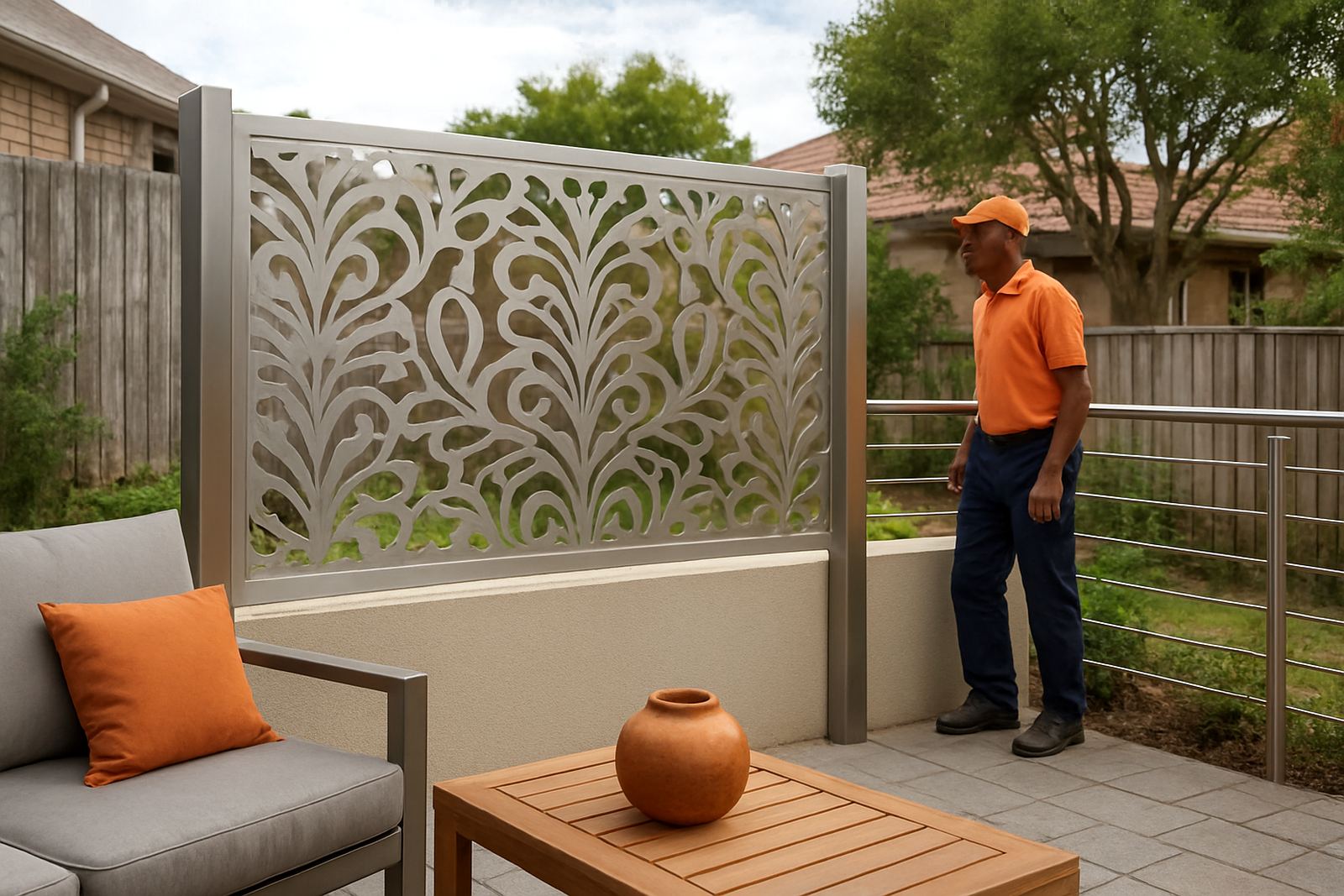
The screen can be built as a freestanding feature, fixed to a wall or used as part of a boundary run. Depending on the pattern and spacing, it can hide sight lines from a neighbour while still letting wind move through the space. That matters in Knysna and along the coast where enclosed areas can become stuffy, damp or hard to keep clean.
We make each screen to suit the opening, the fixing points and the look of the property. Some owners want a clean vertical fin style, others want a tighter louvre pattern or a simple flat panel with cut-out sections. We measure the site first so the finished work fits properly and does not leave awkward gaps.
Common Sizes, Fixing Types And Panel Options
Most privacy screens are made to order because no two openings are exactly the same. A typical panel may be 900 mm to 1 200 mm wide for a passage section, or 1 800 mm to 2 400 mm high for a boundary screen. We can also make wider spans in linked sections where the layout needs it.
Frames are usually made from stainless box section with infill chosen for the level of privacy needed. The infill can be vertical bars, horizontal slats, patterned plate, or laser-cut style openings where the design must allow some airflow. We also supply matching posts, base plates, wall brackets and top caps where needed.
- Standard heights: 1 200 mm, 1 500 mm, 1 800 mm, 2 100 mm
- Typical widths: 600 mm up to 2 400 mm per panel
- Material thickness: commonly 1.2 mm to 3 mm depending on design and exposure
- Finishes: brushed, polished or a more practical satin finish
- Mounting: wall fixed, floor fixed, post mounted or integrated into a gate line
For exposed coastal homes, we often suggest a simpler shape with fewer dirt traps. Complex cut-outs can look sharp, but they need to be detailed properly so salt and water do not sit in corners. A cleaner panel is often the better long term choice.
Where These Screens Work Best Around The Home Or Business
Privacy screens suit patios beside walkways, entertainment areas facing another property, service yards, rooftop spaces, pool sides and side boundaries that feel too open. In retail or hospitality spaces they can also hide bins, compressors, gas cages or storage areas from public view while keeping access practical.
In a Garden Route home, these screens often solve a real problem. A courtyard may need privacy from a neighbour on the next level. A patio may catch strong afternoon sun and benefit from a screen that softens glare. A narrow side boundary may need screening without blocking the breeze completely.
We also fit screens where there are municipal or body corporate rules to work with. That can include boundary height limits, visibility near driveways, and the need to keep access to drains or services clear. When the layout is known early, we can set the screen lines so the job stays neat and avoids rework.
How We Measure, Fabricate And Install
Our process starts with site measuring in Knysna, Plettenberg Bay, Sedgefield, Wilderness, George or Mossel Bay. The opening is checked for level, fall, wall strength and fixing access. If the ground is uneven or the wall is not true, we allow for that in the fabrication so the finished screen sits square and secure.
Shop drawings are prepared before cutting begins. This helps confirm heights, gaps, fixing points and any matching gate or handrail details. Once approved, we fabricate in our Knysna Industria base and then install on site with the correct brackets, anchors and final alignment.
- No gas or electricity is needed for the screen itself after installation
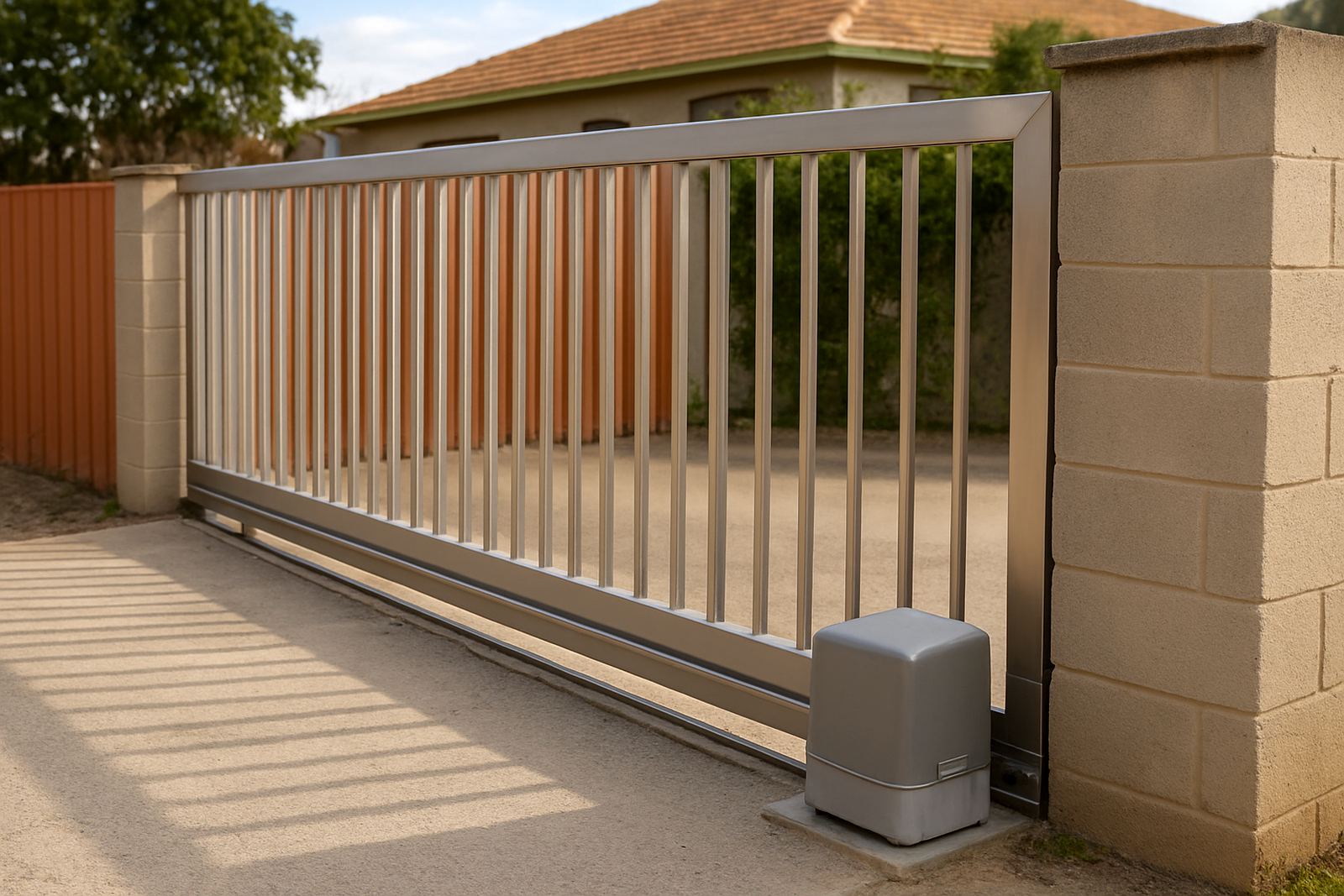
- If a screen is paired with a sliding or swing gate, hardware may be fitted at the same time
- For glass or solid infill sections, the weight and fixings are planned before fabrication
- Where welding is required on site, we plan around power availability and load-shedding windows
Because stainless work needs clean handling, we protect the finish during transport and fitting. Final cleaning is done after installation so the screen arrives looking right, not with grinder marks or patchy finish left behind.
Care In Coastal Air And What To Expect Over Time
Stainless privacy screens need less upkeep than painted steel, but they are not no-maintenance. In coastal areas salt build-up should be rinsed off now and then, especially if the screen faces sea air or road spray. A quick wash with clean water and a soft cloth usually keeps the finish in good shape.
If the screen has a brushed finish, the grain should be wiped in the same direction where possible. Avoid harsh abrasives and strong acid cleaners. These can mark the surface and shorten the life of the finish. If the screen is near a pool or braai area, grease and chlorine should be cleaned off promptly.
We also offer maintenance checks, stainless repairs and surface restoration when a screen has been bumped, scratched or loosened over time. That is useful for rental units, guest houses and commercial sites where the screen gets regular use. A small repair now is usually cheaper than replacing a full panel later.
What To Check Before You Place An Order
Before we quote, it helps to know exactly where the screen must go and what problem it needs to solve. A side boundary screen is not the same as a patio privacy panel, and a screened storage area may need easier access than a decorative courtyard feature. The more detail we have, the better the fit.
- Openings sizes and finished height required
- Whether the screen must be fixed to a wall, floor or posts
- How much privacy you need, full screening or partial screening
- Whether wind flow, sea air or rain exposure is a concern
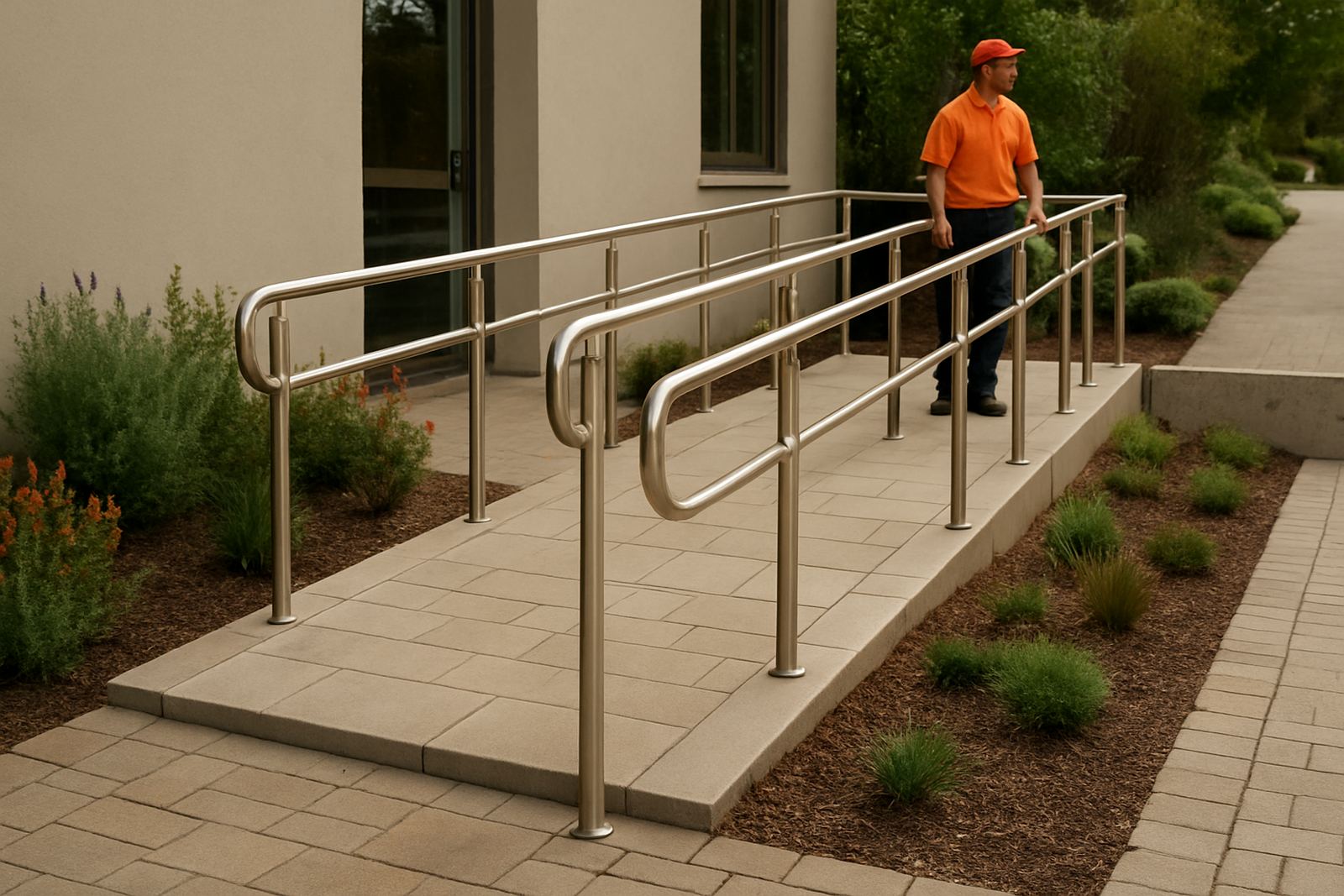
- Any matching gate, handrail or balustrade on the same property
- Whether the site has low voltage lighting, water lines or service pipes nearby
If you are unsure about the layout, we can assist with site measuring and practical advice on what will work best. A screen that looks good on paper but blocks movement or creates a cleaning problem is not a good result. The right answer is usually the one that suits daily use first, then appearance second.
Key facts
| Product type | Custom stainless privacy screens |
|---|---|
| Common uses | Patios, courtyards, side boundaries, service areas |
| Typical heights | 1 200 mm to 2 100 mm |
| Typical widths | 600 mm to 2 400 mm per panel |
| Materials | Stainless steel frames with patterned, slat or bar infill |
| Service area | Knysna, Plettenberg Bay, Sedgefield, Wilderness, George, Mossel Bay |