What ramp handrails are and why they matter
Ramp handrails are the side rails fitted alongside a ramp to give users a steady handhold while walking, pushing a trolley, guiding a wheelchair, or helping an older person keep balance. On a slope, even a short one, the handrail does more than look tidy. It gives support where it is needed most and helps the ramp feel safer in wet weather, coastal wind and busy foot traffic.
We make ramp handrails in stainless steel because it handles the Garden Route climate well. In Knysna, Sedgefield and Wilderness, salt in the air can shorten the life of painted mild steel. Stainless is easier to keep clean and does not need constant repainting. For entrances that face the road or carry daily use, that matters. It keeps maintenance down and helps the installation stay neat for years.
Sizes, tube types and finish options
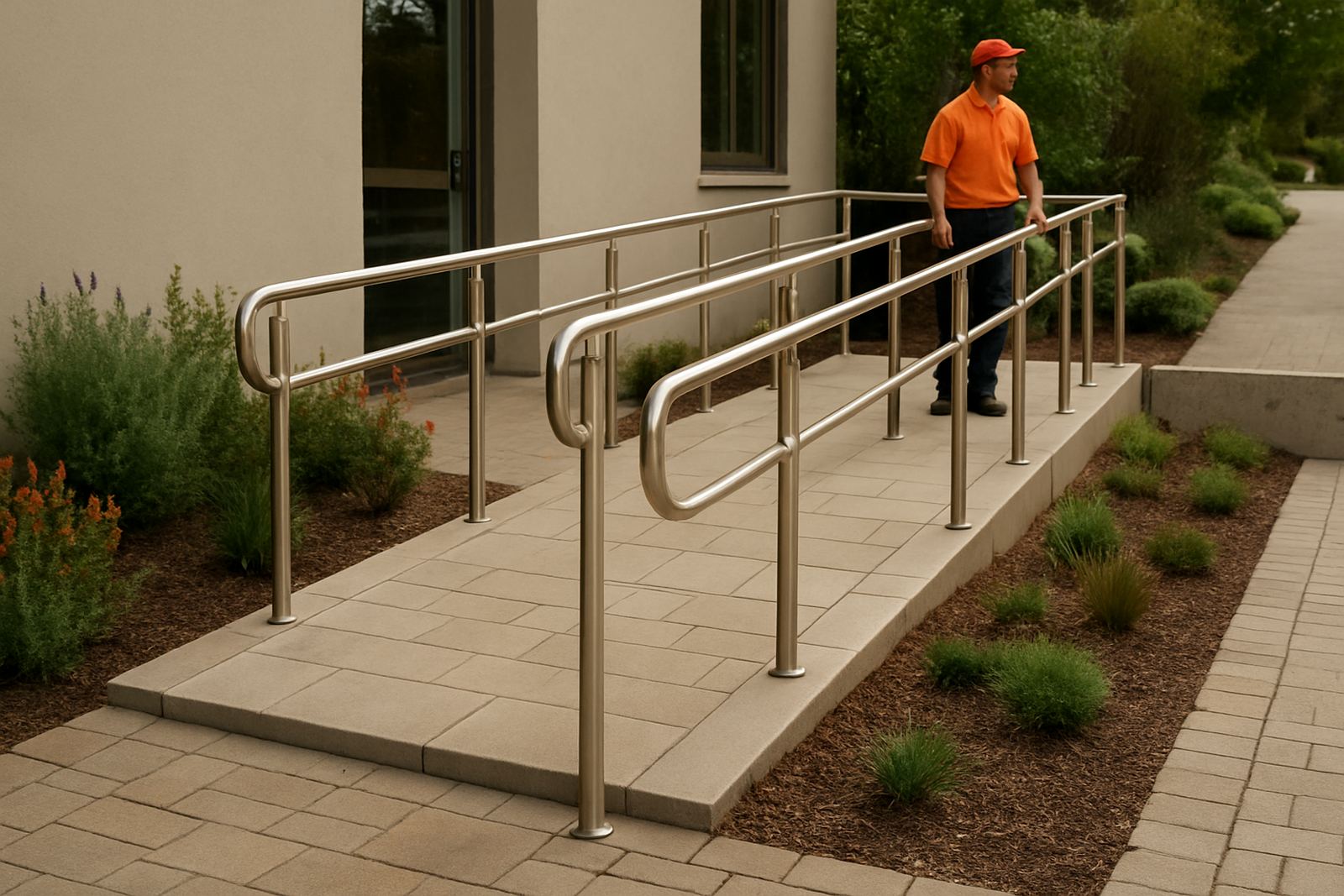
Every ramp is different, so the handrail is measured to suit the slope, width and landing space. Most projects use round stainless tube because it is comfortable to grip and easy to wipe down. We can make single rails on each side or a paired set with returns at the top and bottom. For longer ramps, intermediate posts may be added for support and to keep the line straight.
- Tube diameters commonly used: 38 mm or 50.8 mm, depending on grip preference and site needs
- Standard rail height: usually about 900 mm to 1 000 mm above the ramp surface
- Wall clearance: enough space for a full hand grip and cleaning access
- Post spacing: set to suit span, loading and the ramp layout
- Finish options: brushed stainless, polished stainless, or a practical satin finish for lower glare
For access ramps at clinics or public entrances, we often keep the top rail continuous and include smooth returns so clothing and bags do not snag. Where children or elderly visitors use the ramp, a second lower rail can be added on request.
Where ramp handrails suit best
Ramp handrails suit a wide range of properties across the Garden Route. We install them for private homes, guest houses, schools, medical rooms, retirement units and small business entrances. In George and Mossel Bay, they are often ordered for front steps converted into access ramps. In Knysna and Plettenberg Bay, they are also used on raised decks, garden paths and entrances near parking bays.
They are especially useful where the surface can become slippery, such as tiled thresholds, exposed concrete, timber ramps or outdoor landings that get morning dew. A good handrail helps people keep balance when carrying a bag or when the ramp is damp after rain. For public facing sites, a properly set handrail also makes the entrance look orderly and cared for, which matters for first impressions and day to day use.
- Homes and garden cottages
- Doctors rooms and clinics
- Schools and crèches
- Restaurants and retail entrances
- Retirement villages and assisted living units
How we measure, make and install the rail
We start with site measuring so the handrail follows the actual ramp, not just the drawing. The slope, landings, side clearances and fixing points are checked before fabrication begins. Shop drawings can be prepared where the job needs approval, or where the ramp is part of a bigger alteration. Our workshop in Knysna Industria then cuts, bends, welds and finishes the parts before site installation.
Installation is usually straightforward, but the fixing method must suit the surface. Concrete, brick, timber and steel each need different anchors and spacing. On a coastal property, we also keep the fixing points neat so water does not sit in pockets around the base plates. If the site is busy, we plan the work to limit disruption to the entrance. For some ramps, a half day is enough, while larger public access projects may need a full day or more.
We do not need gas or power from the client for the finished handrail to work, but fabrication in our workshop uses workshop power and welding equipment. On site, we only need practical access to the ramp area and a safe place to work. If the entrance is being used during the install, we can often stage the job so the property still operates normally.
Care, cleaning and long term service
Stainless handrails are simple to look after, but they still benefit from regular cleaning. In coastal towns, salt spray and dust can settle on the surface and dull the finish over time. A wipe with clean water and a soft cloth is usually enough for routine care. For dirt build-up, a mild soap solution works well. Avoid harsh abrasives and steel wool, as these can mark the surface.
We also offer maintenance checks, especially for public entrances and clinics where the handrail gets regular use. A loose fixing, damaged base plate or worn gasket should be dealt with early before it becomes a safety issue. If the rail has minor marks or staining, surface restoration can bring it back to a cleaner finish. For a site that gets heavy foot traffic, a quick annual check is a practical habit and saves trouble later.
- Wash with clean water and mild soap
- Check fixings after heavy use or bad weather
- Inspect for movement at posts and joints
- Keep drainage open around base plates
- Book maintenance checks for public sites and shared entrances
What to check before ordering your ramp handrail
Before you order, it helps to know the ramp width, total length, slope and what the rail will fix into. If the ramp already exists, send a few clear photos and rough dimensions. We can then advise whether a single side rail, both sides, or a rail with extra posts will suit the site. If a wheelchair user is the main concern, we will also look at comfortable reach and safe clearance at the ends.
It is also worth checking whether the property has any body corporate, municipal or access requirements that affect the entrance. Some public and commercial sites need a particular clearance, return detail or gate position so the handrail works with the rest of the access route. When ordering, make sure you know:
- The ramp length and width
- Whether one side or both sides need handrails
- The fixing surface, such as concrete, timber or steel
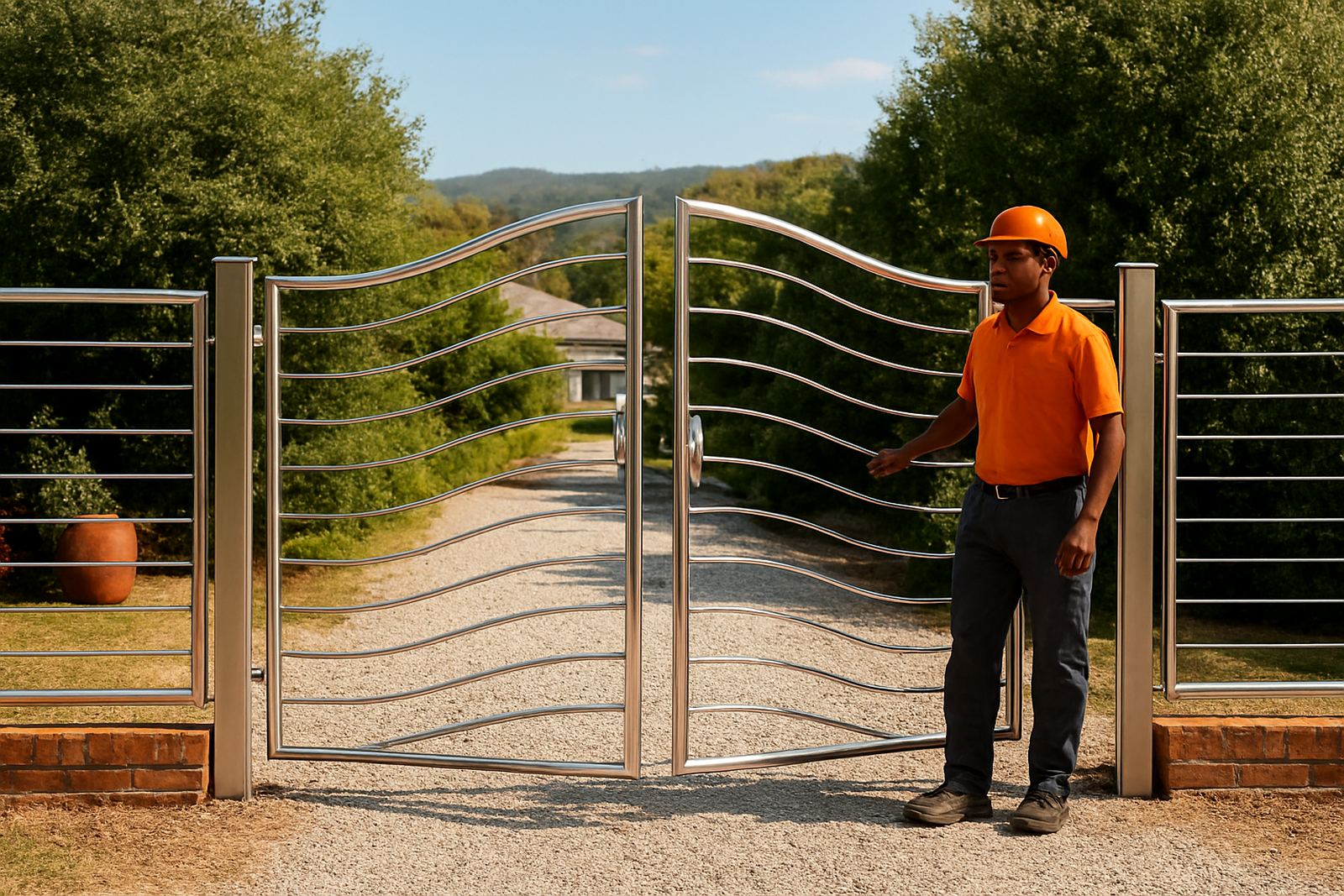
- Any need for glass fitment or gate hardware near the ramp
- Whether the site is exposed to salt air or strong wind
- The preferred finish and the time frame for installation
If you are not sure, we can visit the site, measure it properly and advise on the best layout. That usually saves time, and it avoids changes after fabrication has started.
Garden Route supply and installation from Knysna
Sisonke Stainless works from Knysna Industria and serves Knysna, Plettenberg Bay, Sedgefield, Wilderness, George and Mossel Bay. Our team handles site measuring, custom fabrication and onsite installation, so the same job stays coordinated from start to finish. For ramp handrails, that means fewer handovers and a cleaner fit at the end.
Whether the ramp is for a home entrance or a public facility, we make the rail to suit the site and the people using it. If you need a simple handrail or a more detailed access setup, we can talk through the options and quote from real measurements, not guesses. In the Garden Route, that practical approach matters, because no two sites are the same and the weather can change the way a rail must be fixed.
Key facts
| Material | Stainless steel for coastal use and easy cleaning |
|---|---|
| Common tube sizes | 38 mm or 50.8 mm round tube |
| Typical height | About 900 mm to 1 000 mm above ramp level |
| Fixing options | Base plates, side fixings or wall mounted brackets |
| Finish | Brushed, polished or satin |
| Service area | Knysna, Plettenberg Bay, Sedgefield, Wilderness, George and Mossel Bay |