A good weld is part of the product, not just the join
When stainless steel is installed in plain view, people notice the weld before they notice the frame. A neat weld means the metal has been joined properly, with enough penetration and no weak spots that can crack later. It also means less grinding after the fact, which helps keep the material thickness where it should be.
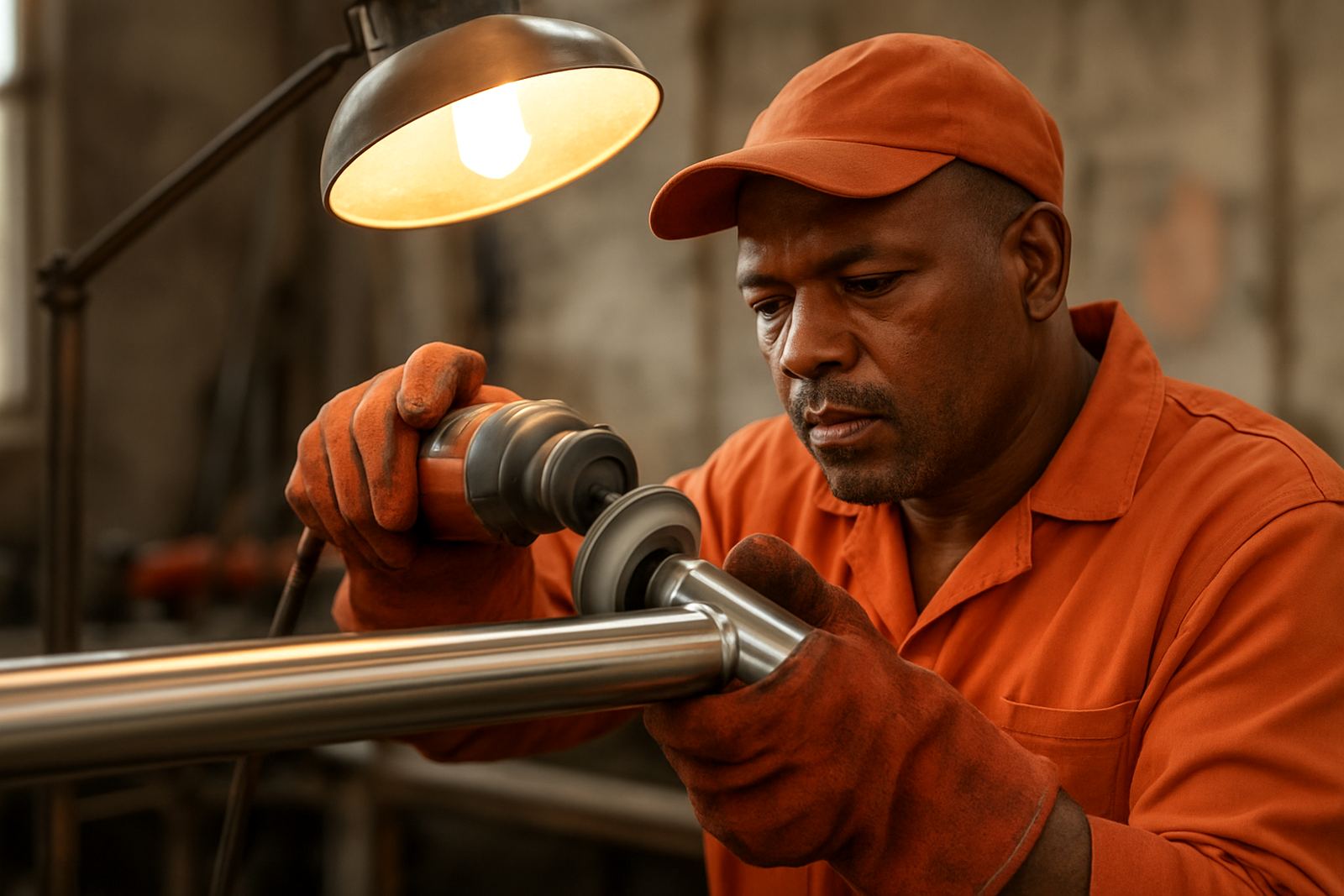
In a balustrade, handrail or gate, the weld line should support the design, not distract from it. If the weld is rough, the whole job can look hurried, even if the measurements were correct. That is why experienced fabricators spend time setting up the joint, cleaning the edge and choosing the right process for the part in front of them.
Poor finishing shows up fast on the Garden Route
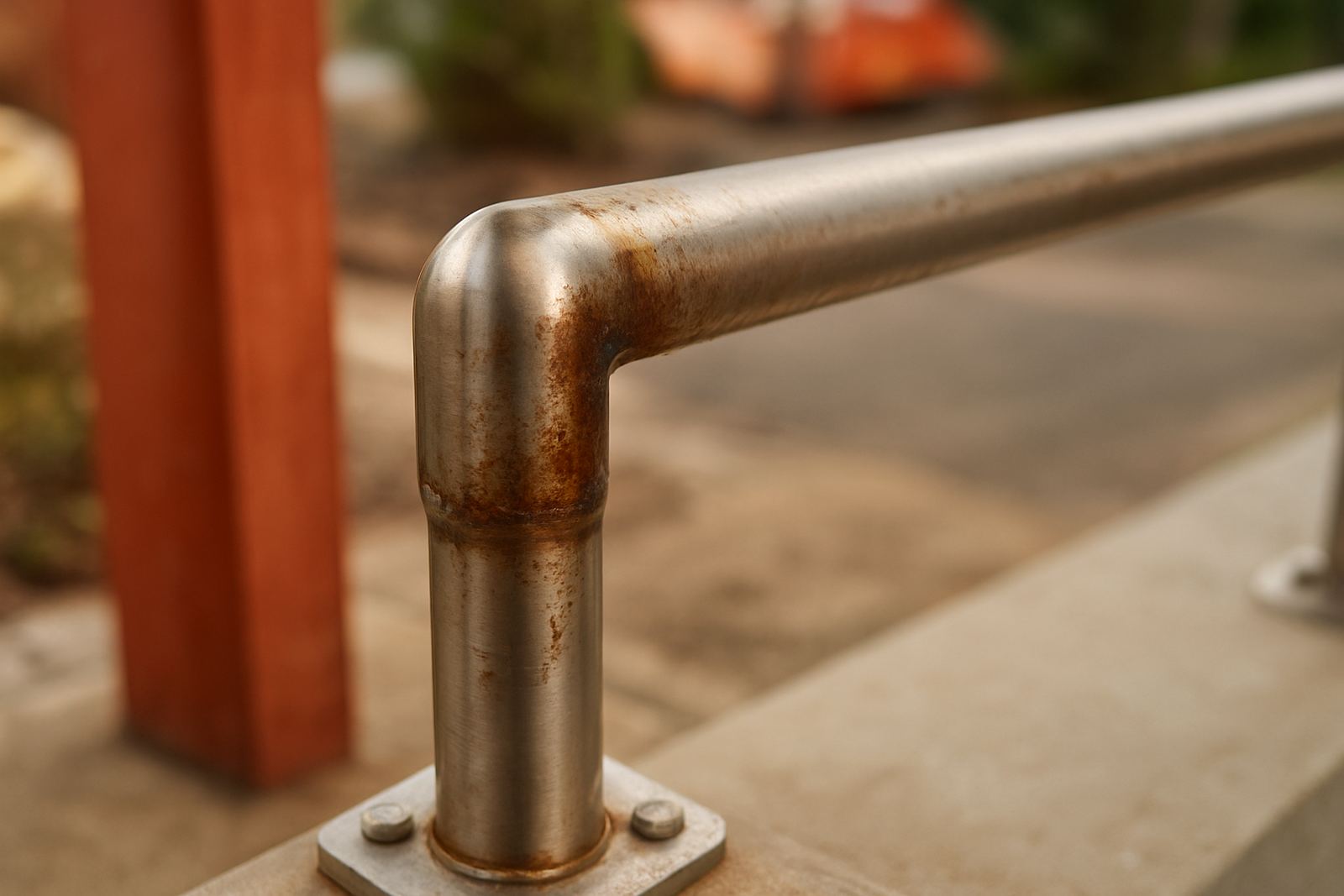
Along the coast, stainless work faces salt in the air, wind-driven moisture and regular cleaning. In Knysna, Sedgefield and Wilderness, a badly finished weld can start showing tea staining around the joint long before the rest of the item looks tired. Once that happens, owners often blame the metal, when the real issue was surface contamination or rushed finishing.
Proper finishing removes sharp edges, weld spatter and heat marks. It also keeps water from sitting in pockets where grime collects. On a gate or stair handrail, a clean finish is not only about appearance. It is about reducing places where corrosion can begin and making maintenance simpler over the years.
- Remove grinding dust and iron contamination after fabrication
- Keep welds consistent so water does not sit in low points
- Use the right polishing sequence for a brushed or mirror finish
- Check cut edges and corners for burrs before installation
Visible stainless needs a different standard
Not every stainless job is meant to be seen, but when it is visible, the standard changes. A concealed bracket can be functional with a plain finish. A handrail beside a staircase, a glass balustrade at a guest lodge or a stainless gate facing the road needs cleaner lines because people will inspect it at eye level. That is where fabrication discipline really counts.
In visible work, the weld profile should be even and the heat affected area should be controlled. Over-grinding can thin the part and leave flat spots that catch the light in the wrong way. Under-grinding leaves ridges and shadows. The aim is to match the finish to the surrounding surface so the join blends in without looking fake or overworked.
Local example: a seaside gate that needed more than paint
We recently saw a gate at a coastal property near Knysna where the frame looked acceptable from a distance, but the corners had been over-ground and left open to moisture. The owner had already done two rounds of maintenance in less than a year. The problem was not the gate design, it was the finish on the welded joints and the lack of proper sealing around the hardware points.
After stripping back the weak areas, reworking the welds and restoring the surface correctly, the gate became easier to clean and held up better in the damp air. That kind of result matters in the Garden Route, where sea air and afternoon rain can expose shortcuts quickly. A tidy finish is not a luxury, it is part of making the job last.
- Check for moisture traps around hinge plates and latch areas
- Make sure fasteners and hardware are suited to outdoor use
- Leave enough clearance so the gate swings without scraping
- Inspect welds after installation, not only before delivery
The best fabrication starts at the measuring stage
Good weld quality begins long before the torch is switched on. Site measuring, clear shop drawings and proper preparation help the workshop cut accurate parts and reduce correction work later. When the measurements are right, welds can be placed in sensible positions rather than forced into awkward corners. That improves both strength and appearance.
For stainless balustrades, custom parts and marine fitouts, it helps to know where the item will live. A sheltered courtyard in George is not the same as an exposed walkway in Mossel Bay. A workshop that understands the site conditions can plan joints, support points and finish levels so the final installation suits the place it serves.
How to judge workmanship before you approve the job
Homeowners, body corporates and builders do not need to be metalworkers to spot quality. A quick visual check can tell you a lot about whether the finishing was done properly. If the item looks clean, feels safe and is easy to wipe down, there is a good chance the fabrication was handled with care.
Before sign-off, look at the welds, the edges and the areas where the piece meets walls, floors or glass. Small flaws become big complaints once the item is in daily use. A handrail that snags clothing or a gate that scrapes the paving will keep causing hassle long after the installer has left.
- Run your hand along the rail to feel for sharp edges
- Check that welds are even and not heavily pitted
- Look for heat marks, stains or sanding lines that were left behind
- Open and close gates fully to test alignment and clearances
Why repair and maintenance should be handled early
Stainless steel can last a long time, but it still needs proper care. Small damage, scratched surfaces or a poor repair can undo the benefit of good fabrication. If a balustrade joint loosens or a handrail develops surface marks, quick attention is usually cheaper than waiting for the problem to spread. That is especially true in humid coastal areas where dirt and salt build up fast.
Maintenance checks, surface restoration and stainless repairs are part of keeping visible work in good condition. The sooner a workshop looks at the issue, the more likely the original finish can be matched and the piece brought back into line. It saves time, avoids repeated call-outs and helps the installation stay presentable for longer.