Why tube rail works so well on the coast
On the Garden Route, salt in the air changes the picture. A balustrade that looks fine inland can pick up tea staining, rust marks, or patchy fittings much faster near Knysna, Sedgefield, Wilderness, and Mossel Bay. Tube rail gives you a practical middle ground. It uses stainless tubing in a clean, direct format that stands up well to daily use and coastal weather when it is specified and installed properly.
For many clients, the main benefit is simple: you get a strong barrier without overcomplicating the job. Fewer decorative details means fewer places for dirt to sit, and less time spent on polishing or repairs. That matters on a rental unit, a holiday home, a guest house, or a shopfront where people want something neat that stays presentable between maintenance visits.
Where tube rail makes the most financial sense
Tube rail is usually the better choice when the brief is durability first, with a sensible budget. It is not the most ornate option, but it often gives the best value over the life of the balustrade. The material is straightforward to source, the fabrication process is cleaner, and installation can move faster when site access is decent and measurements are accurate.
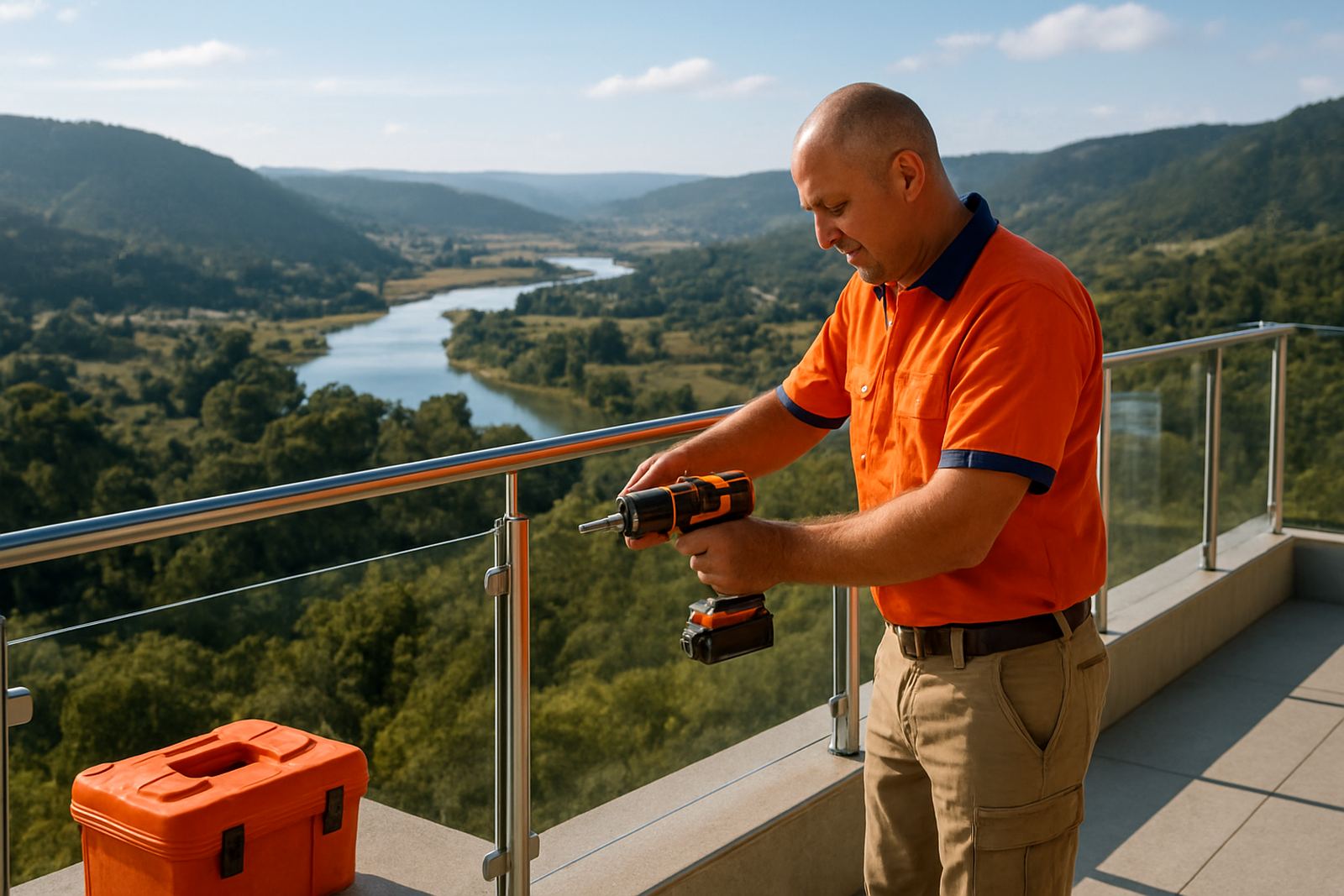
That can make a real difference on a project with a fixed spend. If you are fitting a staircase in Knysna Industria, a balcony in Plettenberg Bay, or a walkway at a coastal office in George, a well-made tube rail system can keep costs under control without dropping the standard. For many property owners, the saving is not only in the upfront price but in fewer call-backs and less upkeep later.
- Good for stairs, balconies, decks, passage landings, and raised platforms
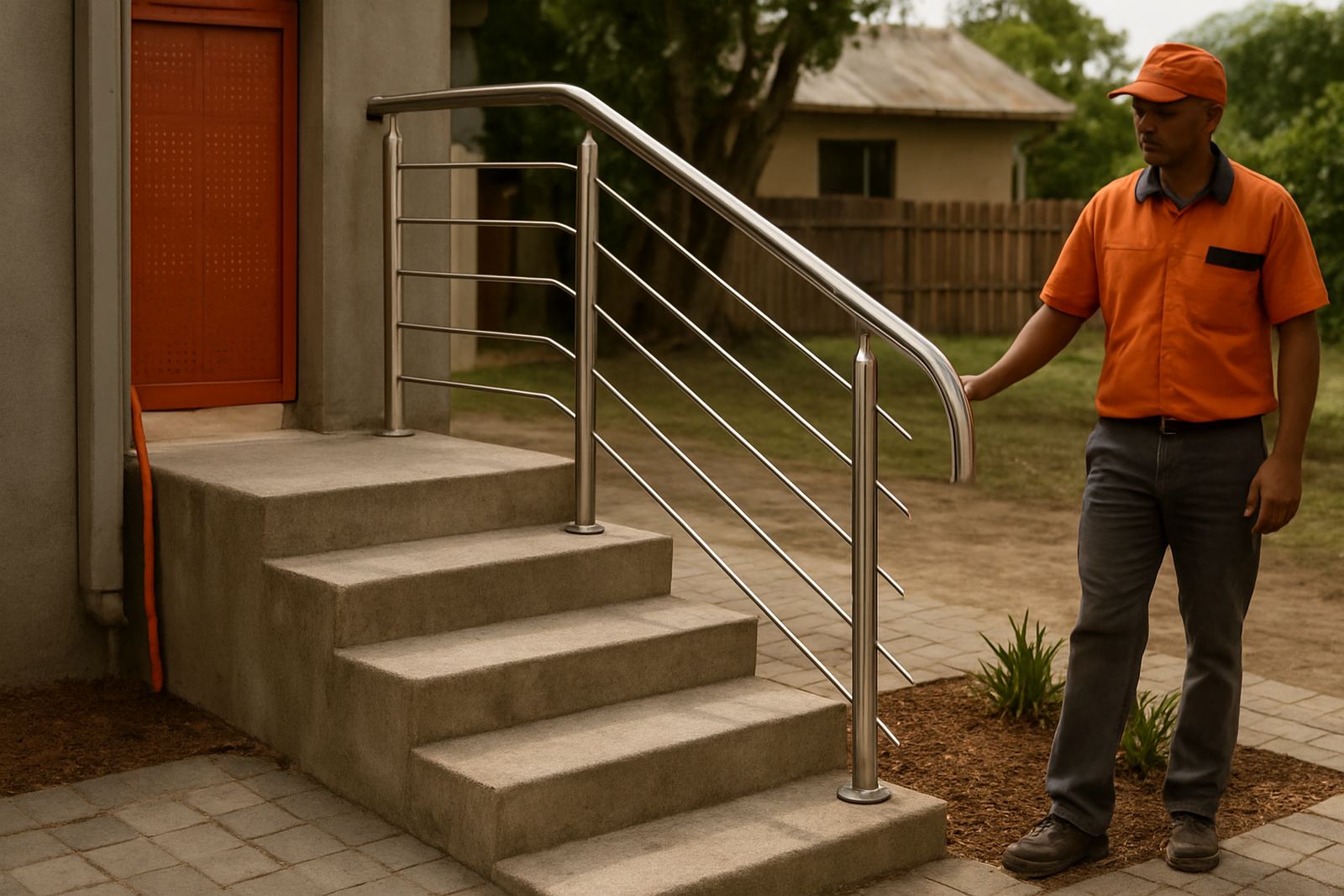
- Suitable for homes, lodges, offices, retail entrances, and marine areas
- Can be combined with glass panels where extra wind protection is needed
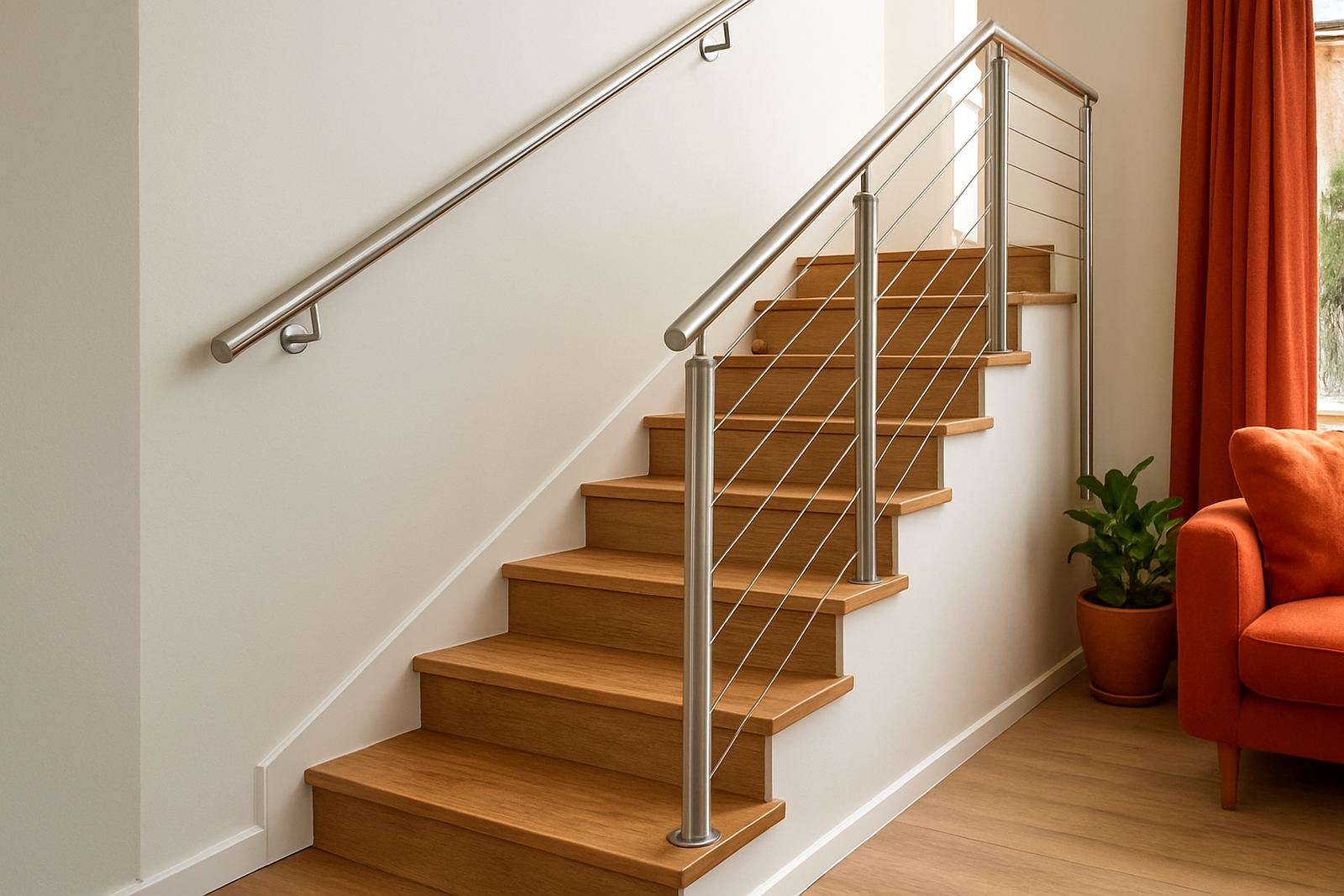
- Works well where a simple, compliant handhold is the main requirement
What makes a good tubular balustrade system
Not every tube rail is the same. The difference is in the wall thickness, fixing method, weld quality, and how the system is anchored into the structure. A balustrade can look tidy on day one and still give trouble later if the posts are too light, the footings are not sound, or the fittings are not suited to the environment. That is why proper site measuring and shop drawings matter before fabrication starts.
In practice, a good system should feel solid when someone leans on it, sit straight along the full run, and suit the building lines instead of fighting them. At Sisonke Stainless, the workshop and site teams work from the same set of measurements so the finished rail fits correctly the first time. That helps on older homes too, where floors are not always level and walls may be out by a few millimetres.
- Accurate site measurements before material is cut
- Clean welds and consistent spacing between rails
- Fixings selected for coastal humidity and daily wear
- Careful alignment at corners, stairs, and landings
Tube rail versus more decorative balustrades
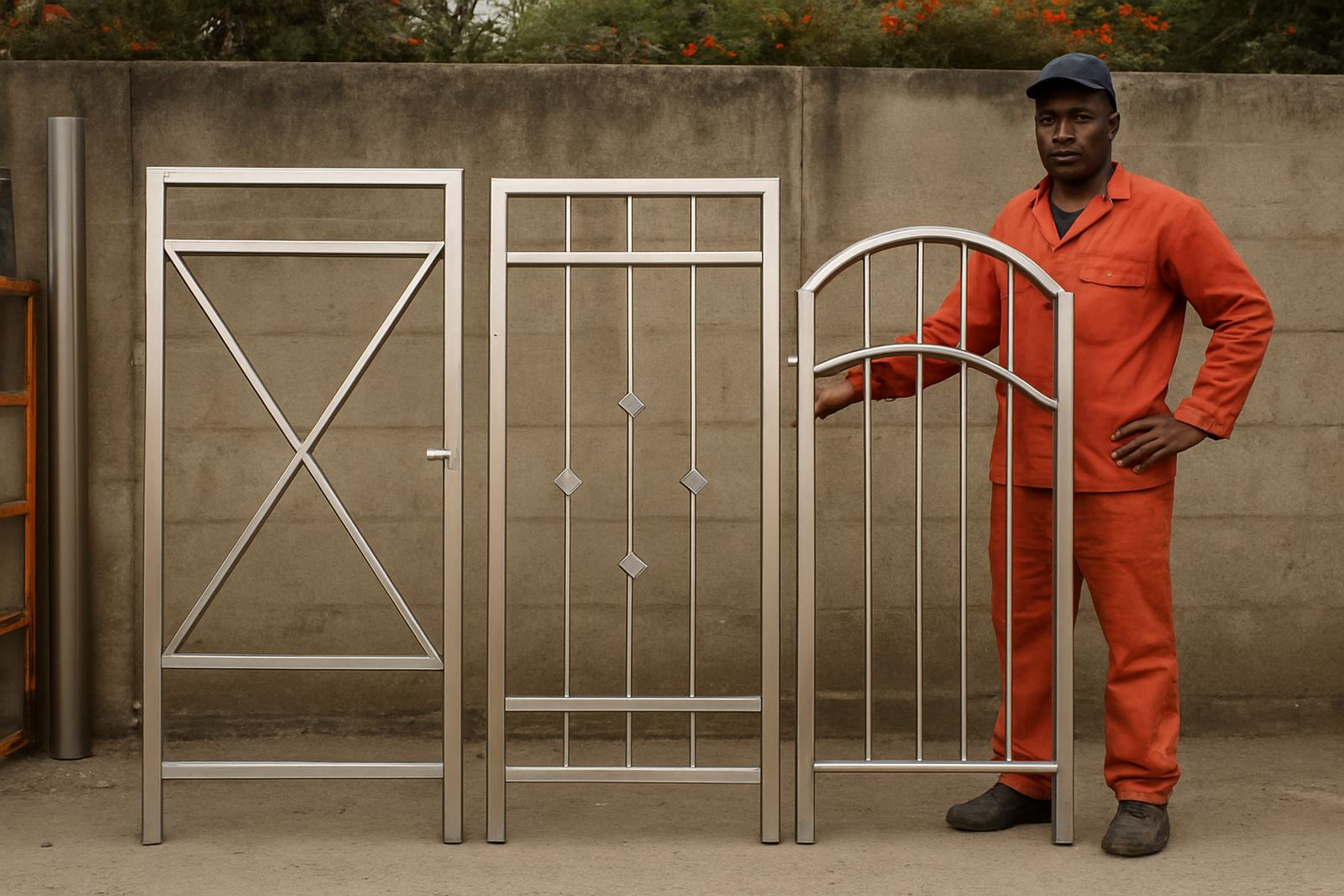
Some property owners start with a design that is visually busy, then realise they are paying for features they do not really need. Decorative balustrades can look good, but they often take longer to fabricate and more time to keep clean. Tube rail is calmer visually. It suits modern houses, holiday accommodation, and commercial properties where the aim is to keep things neat and unfussy.
It also helps where maintenance access is limited. On a balcony above a parking area or a stairwell with little space around it, fewer fittings can make repairs easier later. If a section needs replacing after impact damage, a tubular setup is often simpler to work with. That can be useful for landlords and body corporates who want lower downtime and fewer headaches.
In a few jobs, decorative detail is still the right choice. But if the brief is “strong, tidy, and not too expensive”, tube rail is often the smarter answer. It gives you a clean line without sending the project budget off course.
Local example: a Knysna balcony with sea air and school traffic
A recent type of project in Knysna is a good example. A family home on a slight slope needed a balcony balustrade that could handle sea air, regular use, and the odd knock from moving furniture. The owners wanted something presentable from the garden side, but they also needed the price to stay within budget because they were finishing other parts of the house at the same time.
A tubular stainless balustrade was the right fit. After site measuring, the team prepared the fabrication in the Knysna Industria workshop, then arranged installation around the family’s schedule so access stayed manageable. The result was a neat railing that suited the house, held up to daily use, and did not need complicated upkeep. That kind of job shows why tube rail is often chosen across the Garden Route: it is practical, clean, and less likely to become a maintenance problem later.
How to keep stainless tube rail looking good
Even stainless steel needs care in coastal towns. Regular rinsing with fresh water helps remove salt build-up, especially after windy weather or winter rain that brings grime onto exposed surfaces. If the rail is near a swimming pool, roadway, or harbour area, it is worth checking the surface every few months so small stains do not settle in. A simple maintenance plan is usually enough.
For owners in places like Wilderness, Sedgefield, and Mossel Bay, this matters more than people often expect. Good installation reduces the risk of water traps and staining, but upkeep still helps the finish last. If a surface starts to dull, restoration can often bring it back without replacing the whole system. We also advise clients to keep an eye on loose fixings after building work, since vibration and paint dust can affect nearby metal parts.
- Rinse with fresh water after salt spray or heavy coastal wind
- Avoid harsh cleaners and abrasive pads
- Check fixings after building alterations or storm damage
- Book periodic maintenance checks on exposed installations
When tube rail is the better call
Tube rail is the better call when you want a balustrade that is straightforward, long lasting, and practical to maintain. It suits staircases, balconies, decks, and entrances where function matters just as much as appearance. For many Garden Route properties, it gives the right balance between cost and durability, especially where coastal conditions would punish cheaper materials.
If you are planning a new build, adding a stair rail, or replacing an older system that has started to corrode, it pays to choose a team that measures carefully, fabricates locally, and installs with the site conditions in mind. That is how you get a finish that lasts in Knysna weather, not just something that looks fine on the day. A proper tube rail job should feel like part of the building, not an afterthought.