Why the coast changes the grade you should choose
Inland stainless and coastal stainless are not the same conversation. A handrail in George under a covered stoep will face different conditions to a balustrade on a Knysna lagoon-facing deck, and a gate near the surf in Plettenberg Bay gets even more exposure to salt, wind and damp air. If the wrong grade is used, you start seeing tea staining, spot corrosion and pitting much sooner than expected.
The Garden Route also has long wet spells, cool mornings and plenty of humid air. That means moisture can sit on fittings for hours, especially where dirt, garden spray or mortar dust has not been washed away. For homes close to the coast, material choice matters just as much as workmanship and fixing details.
What the common stainless grades mean in plain terms
For residential work, the two grades most often considered are 304 and 316. Both can work well, but they suit different environments. 304 is commonly used for general indoor and sheltered external work. 316 has better resistance to chlorides, which are found in sea air, coastal spray and some pool environments. That makes 316 a better option when a fitting is exposed to the elements or is close to the ocean.
As a rule, if the item is outside, sees regular rain and is within a few kilometres of the shoreline, 316 is usually the safer choice. If the piece is under roof and well protected, 304 may be suitable. The final decision should also factor in cleaning access, the type of finish, and whether the item has welds, cut edges or crevices where moisture can sit.
- 304: better for sheltered areas, indoor features and lower exposure sites
- 316: better for salt air, open coastal sites and poolside applications
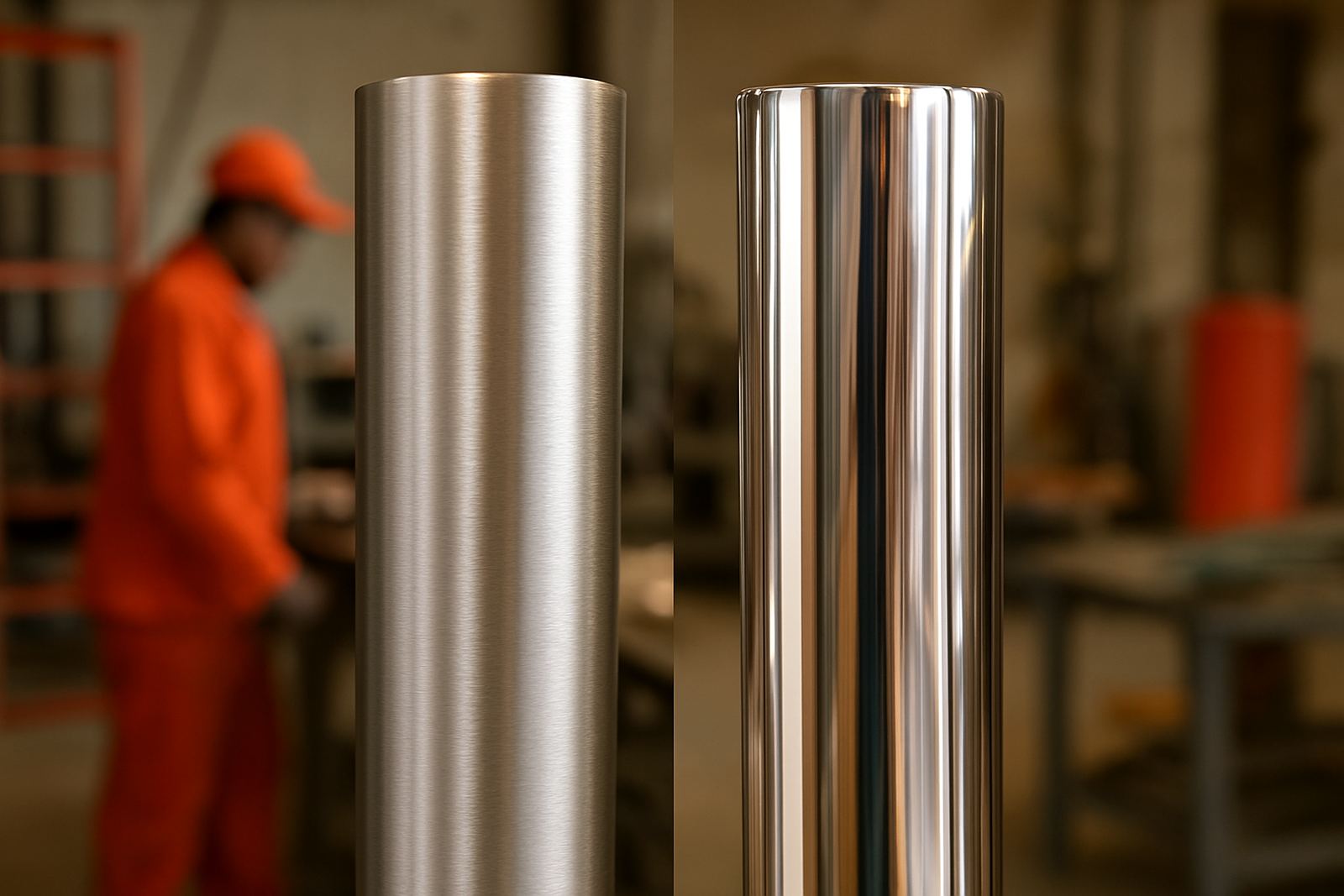
- Brushed finishes hide marks better than mirror finishes in busy family homes
- Good fabrication and sealing are as important as the grade itself
Balustrades and handrails need more than a good finish
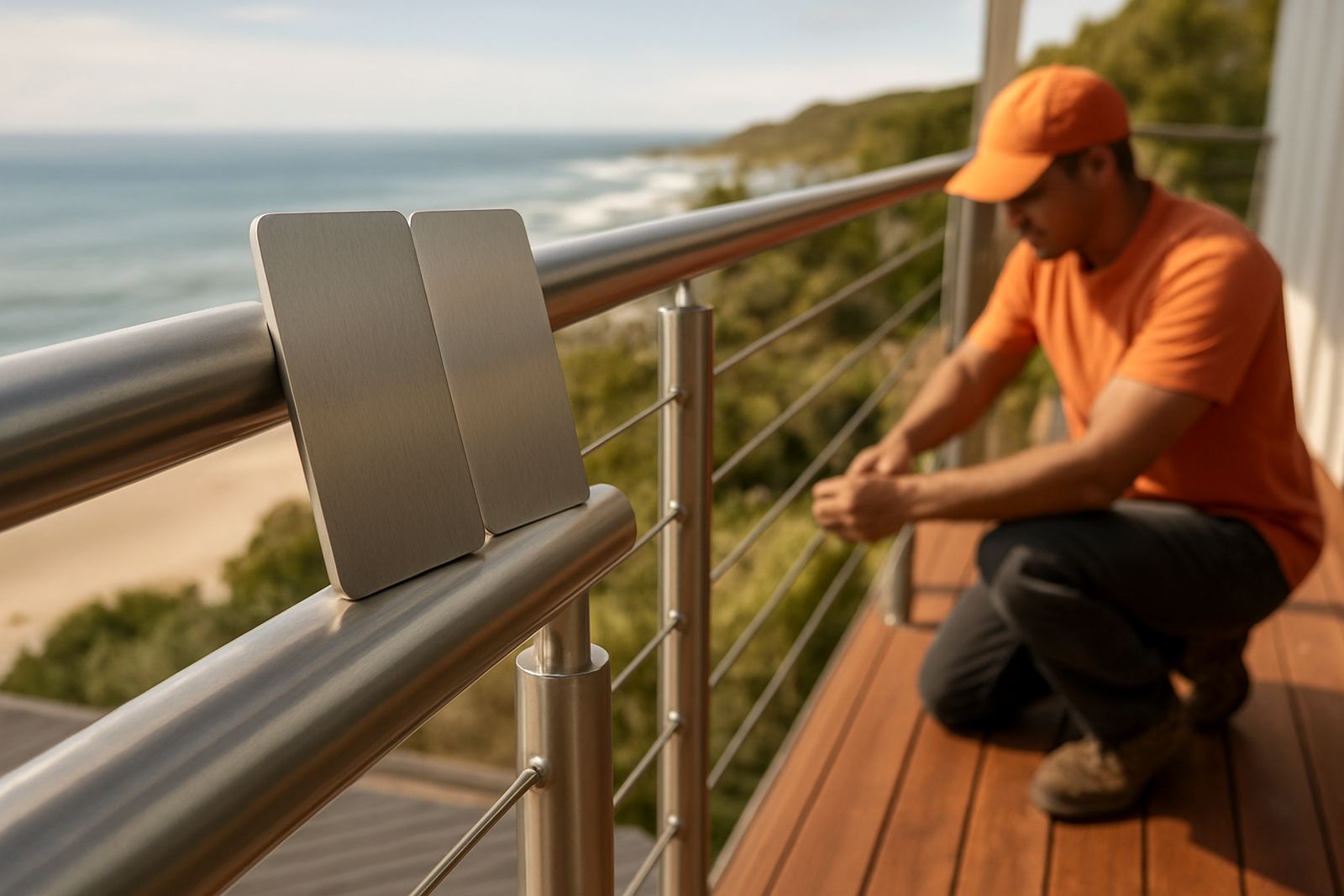
Balustrades are often the first place people notice a material issue, because they sit in plain view and get touched every day. For a Knysna home with a timber deck, glass panels and stainless posts, the wrong grade can show early staining around fasteners and welds. If the area faces prevailing wind or is open to sea spray, 316 is generally the better buy over the life of the project.
Handrails on steps and walkways should be checked for water traps, especially where the rail returns into a wall or meets a post. Small design details matter. Drainage gaps, neat weld finishing and proper separation from dissimilar metals all help reduce corrosion. If the installation uses glass fitment, the clips and shoes must be chosen with the same care as the rail itself.
- Use 316 for exposed decks, seaside balconies and open walkways
- Keep fixings and brackets compatible with the main grade
- Avoid pockets where salty water can stand after rain
- Plan cleaning access before fabrication starts
When gates and hardware need extra attention
Stainless gates are popular across the Garden Route because they handle weather better than many painted steels, but the hardware can be the weak point. Hinges, latches, locks and floor stops all live under movement and moisture. If a gate is close to the coast, those smaller parts should be selected carefully and checked during installation.
A practical example is a property in Sedgefield where a driveway gate sits in open wind, with the garden hose used often on the nearby paving. A lower-grade material might look fine at first, but the repeated wetting and drying cycle can leave marks at welds and fittings. In that kind of setting, the gate leaf, the frame and the hardware should all be considered together, not as separate items.
Where security and salt exposure both matter, we usually advise owners to ask how the gate will be used day to day, who will maintain it, and whether the finish will be washed down after the winter rains. A small amount of upkeep goes a long way, and it saves money later on.
Marine fitouts and coastal repair work are a different standard
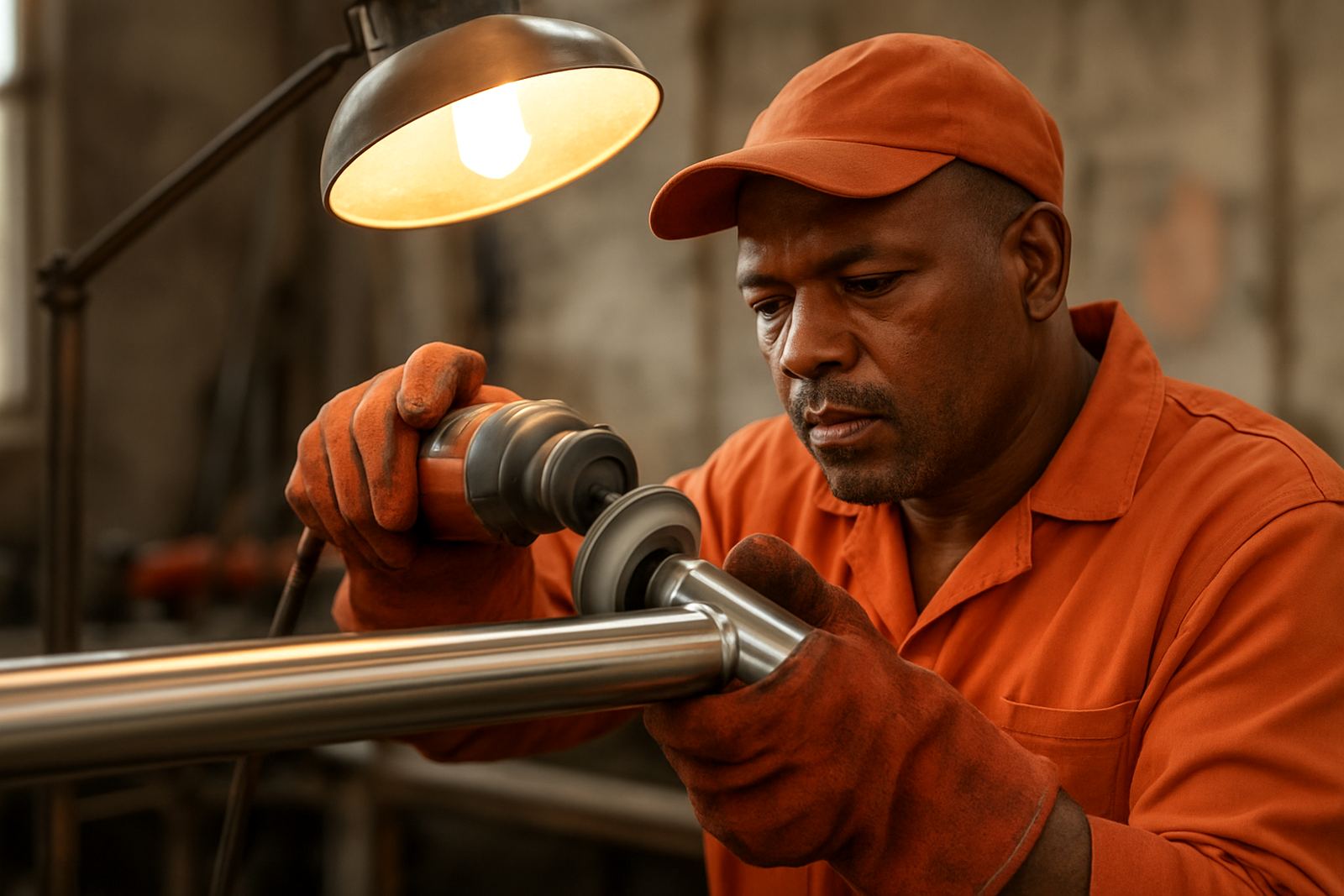
Boats, jetty fittings and marine hardware live in one of the toughest environments for metal. The combination of salt water, constant wetting and tight spaces means grade choice is only part of the job. For these jobs, we look closely at access, fastener choice, weld quality and how the item will be cleaned after use.
Stainless repairs can also be a better option than replacing the whole item. A damaged handrail, corroded foot plate or worn gate bracket can often be restored if the surrounding metal is still sound. That said, repair work on the coast must be honest. If the metal is too far gone, patching it may only hide the problem for a short while.
- Inspect for pitting around welds and mounting points
- Check for crevice corrosion under clips, seals and covers
- Use the right grade for the site, not just the lowest cost
- Schedule maintenance checks before summer and after winter
How to choose the right grade for your own property
The simplest way to decide is to start with location, then look at exposure. A covered stoep in Wilderness is not the same as a beachfront property in Plettenberg Bay. If you are unsure, ask whether the item will face direct sea air, rainwater pooling, pool chemicals or strong afternoon wind. Those factors often point straight to 316, even for smaller parts.
Another point is appearance over time. Some owners want a bright new look and are fine with extra cleaning. Others want a finish that hides fingerprints and minor marks better. That can influence whether you choose a brushed finish, how the edges are detailed, and how visible the welds will be once installed. A well planned stainless item should suit the house, the climate and the way the family actually lives.
At Sisonke Stainless in Knysna Industria, we handle site measuring, shop drawings, fabrication and onsite installation across Knysna, Plettenberg Bay, Sedgefield, Wilderness, George and Mossel Bay. For coastal homes, that local knowledge helps avoid common problems before they start, especially where load-shedding affects workshop timing or where access on site is tight and needs careful planning.