Where stainless earns its keep in a busy kitchen
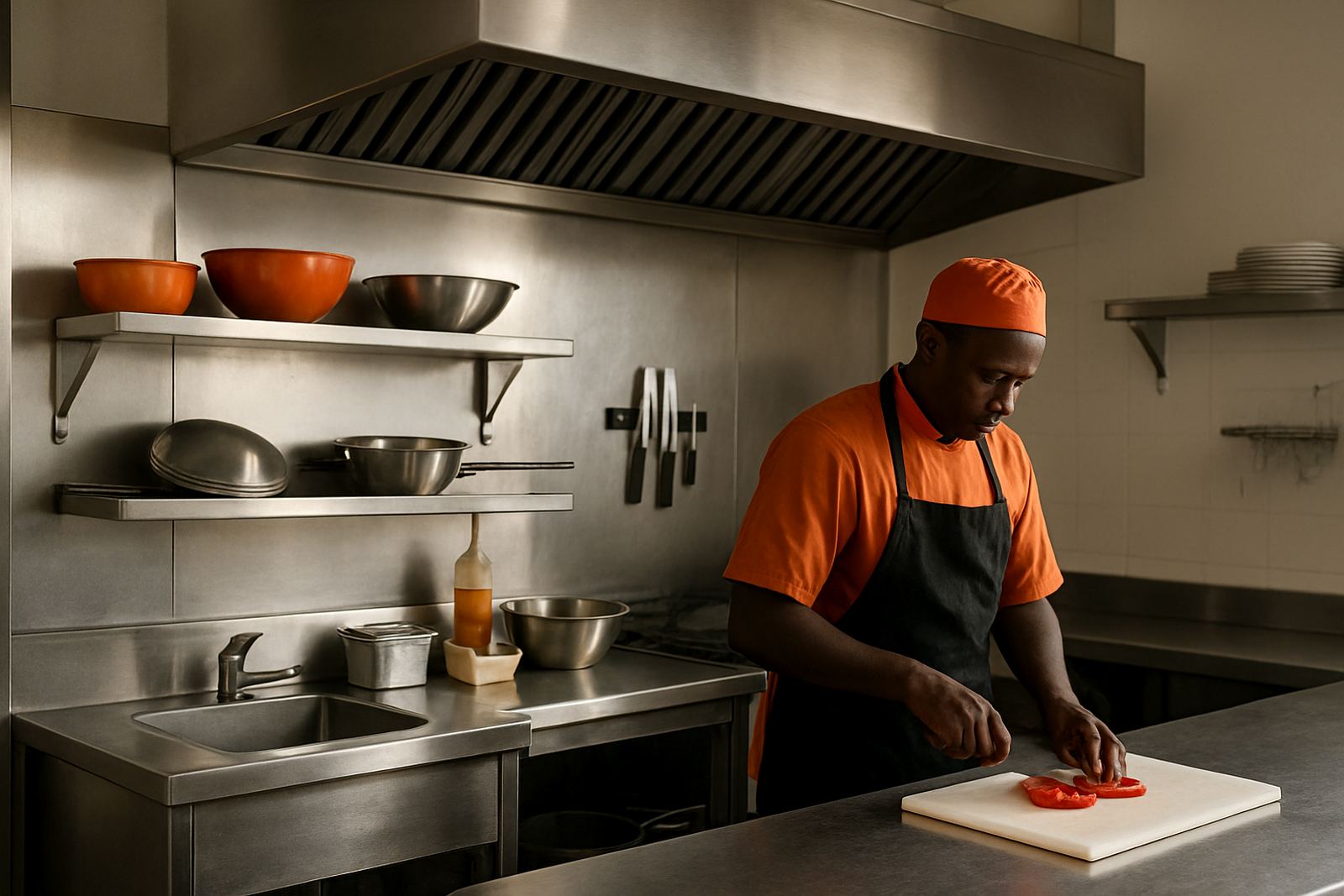
In a restaurant kitchen, stainless is usually chosen for surfaces that get washed down often, take knocks from pots and trays, or sit close to steam and grease. The most common items are prep tables, splashbacks, shelves, sink surrounds and wall cladding behind cooking lines. In a coastal town like Knysna, there is also the added issue of salty air, so the material finish and edge details matter just as much as the thickness.
For food areas, the cleanability of stainless is the main benefit. Smooth surfaces with proper returns and sealed joints are easier to wipe down, which helps with hygiene routines and inspectors. If a kitchen is short on storage, wall-mounted shelves and undercounter frames can free up floor space without getting in the way of cleaning crews.
- Prep tables and worktops for plating and chopping
- Sink surrounds and drain sections for wash-up areas
- Splashbacks behind cooking lines and bain-marie stations
- Open shelving for dry goods, trays and small equipment
- Wall cladding in high-splatter zones
Bar counters and service points that must handle pressure
Bars and front-of-house service points need stainless for a different reason: they see constant contact from staff, glassware, drinks spills and quick clean-downs between shifts. A well-made stainless counter top can take wet glasses, ice buckets and bottle movement without swelling or staining. It also gives a neat finish when matched with timber, stone or glass.
At service counters, details matter. Rounded corners are safer for staff, welded joints are easier to clean, and drip edges can stop liquid tracking onto cupboards below. If the venue serves cocktails or coffee, it helps to plan stainless around ice bins, sink bowls and waste openings from the start so the work flow stays practical rather than cramped.
- Bar tops with drip control and easy-clean edges
- Ice bin surrounds and bottle preparation areas
- Service pass counters for hot plates and plated food
- Underbar shelves for glass racks and stock storage
- Back-bar trim pieces that stand up to daily wiping
Gates, rails and hand contact areas for entrances and patios
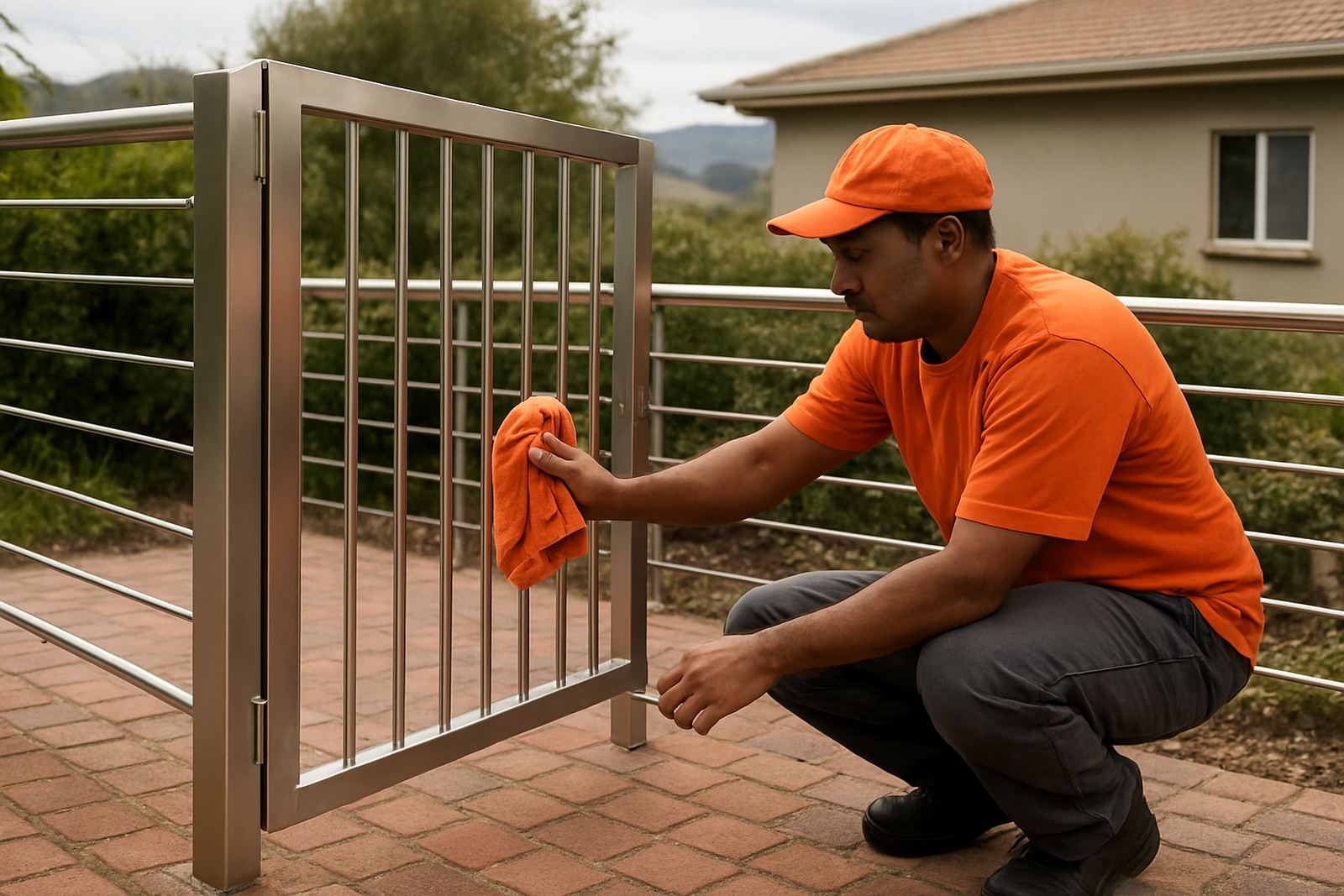
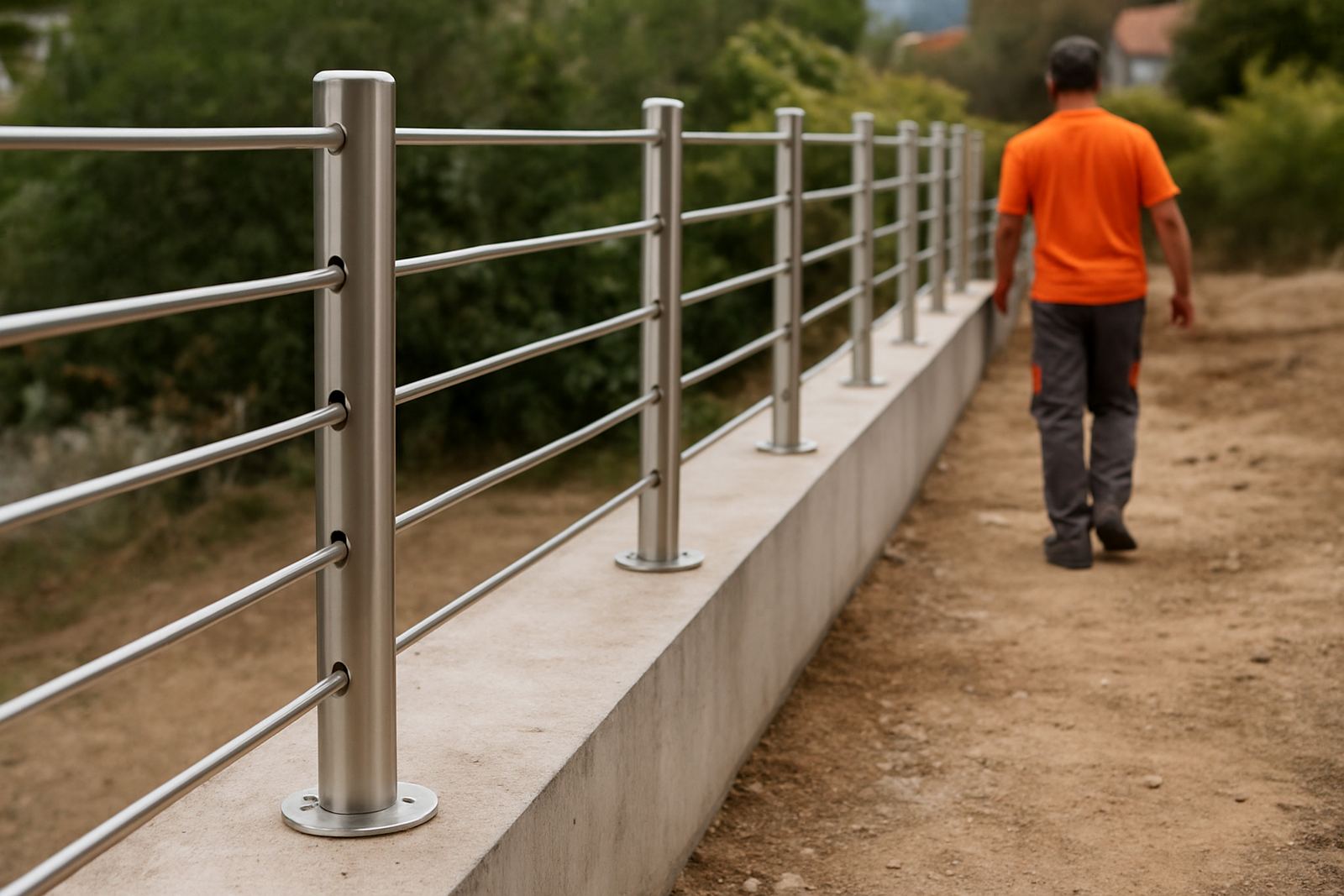
Many restaurants in the Garden Route have outdoor seating, courtyard entries or side access for deliveries. Stainless is useful here too, especially for handrails, gate frames and protective rails around steps. These parts get touched all day, so a neat finish and proper fixing are important. In wet weather, a poorly detailed rail can start showing marks early, while a correctly made one stays presentable for much longer.
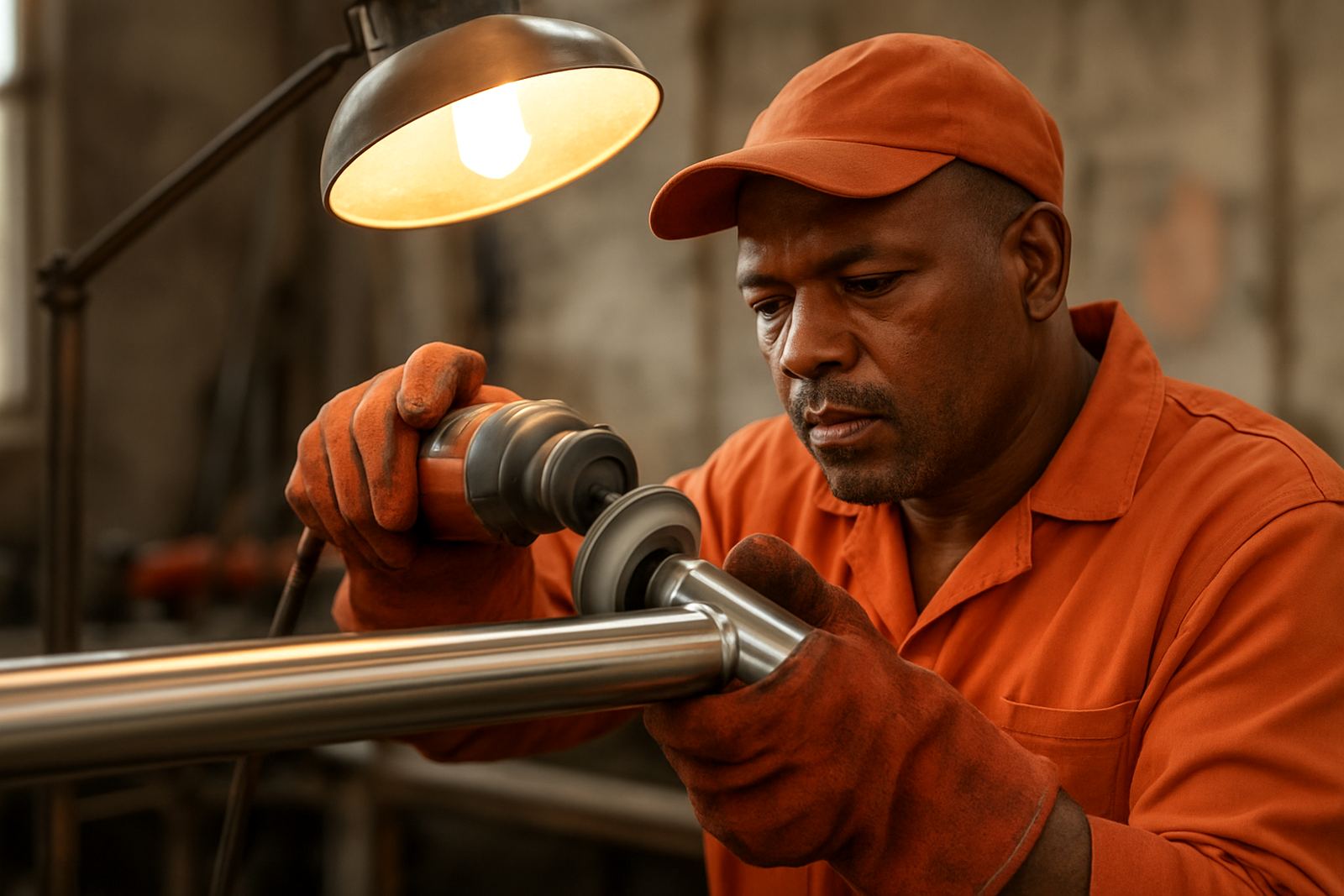
For customer areas, handrails should be comfortable to grip and set at the right height. Gates used for staff access need hardware that can handle repeated use, and in windy sites the latch and hinge layout must be planned properly. If a restaurant is close to the sea, we often recommend checking fixings and weld areas more often, because corrosion starts at small points and then spreads if nobody catches it in time.
- Entrance handrails and step rails
- Patio gate frames and access control gates
- Guard rails for raised serving decks
- Delivery area barriers and trolley guides
- Hardware fitment for latches, hinges and catches
How custom fabrication helps with awkward restaurant spaces
Every restaurant has at least one awkward corner, low beam or uneven wall. That is where custom fabrication makes the difference. Instead of forcing a standard unit into a space that does not suit it, measurements can be taken on site and the piece built to fit the actual room. This saves time on installation and usually gives a better finish too.
At Sisonke Stainless, we often start with site measuring and shop drawings so the owner can see how the item will sit before fabrication begins. That process is useful when the space must work around fridges, extractors, existing plumbing or municipal fire safety rules. It also helps when the restaurant is trading already and the team can only close off a section for a short period.
Custom work is not only for large projects. Small items like shelf brackets, capping strips, drain covers and stainless trims can make a kitchen easier to clean and less likely to chip or rust at the edges.
Local conditions that change the stainless choice
Restaurants in Knysna, Sedgefield, Wilderness, Plettenberg Bay, George and Mossel Bay do not all face the same wear. A kitchen near the coast may need better corrosion control than one further inland. Add load-shedding, extractor downtime and extra generator use, and the equipment has to be practical as well as neat. If a venue uses chilled storage or outdoor service points, condensation can also create trouble around fixings and joints.
For that reason, it helps to choose the right finish and thickness for the job, then keep to a regular maintenance plan. Even stainless needs inspection, especially around welds, cut edges and places where cleaning chemicals are left standing. A quick wipe is usually fine, but harsh pads or the wrong cleaners can dull the finish and leave marks.
- Check for tea staining near the coast and clean early
- Inspect joints, screws and welds after busy seasons
- Avoid leaving chlorine-based cleaners on the surface
- Make sure water does not sit in corners or around fixings
- Schedule maintenance checks before winter and holiday trading
A practical example from a Knysna kitchen fit-out
A recent style of project we see often is a compact restaurant kitchen in Knysna Industria that needs more prep space without blocking the pass. In that kind of setup, one stainless prep table, a wall shelf set and a splashback behind the cooking line can change the whole flow of the room. If the bar is nearby, a fitted counter top and underbar shelf help staff move faster during lunch and dinner service.
The point is not to use stainless everywhere. It is to use it where it earns its place. When the layout is planned properly, the kitchen cleans faster, staff have fewer awkward reaches, and the venue looks tidier to customers and inspectors alike. That practical approach matters more than a shiny finish.
For restaurant owners, the best result usually comes from a site visit, clear measurements and a fabrication plan that matches the actual way the space is used. That is the sort of work that keeps a kitchen going through summer trade, wet weather and the pressure of a full service.