Why Coastal Stainless Needs Regular Attention
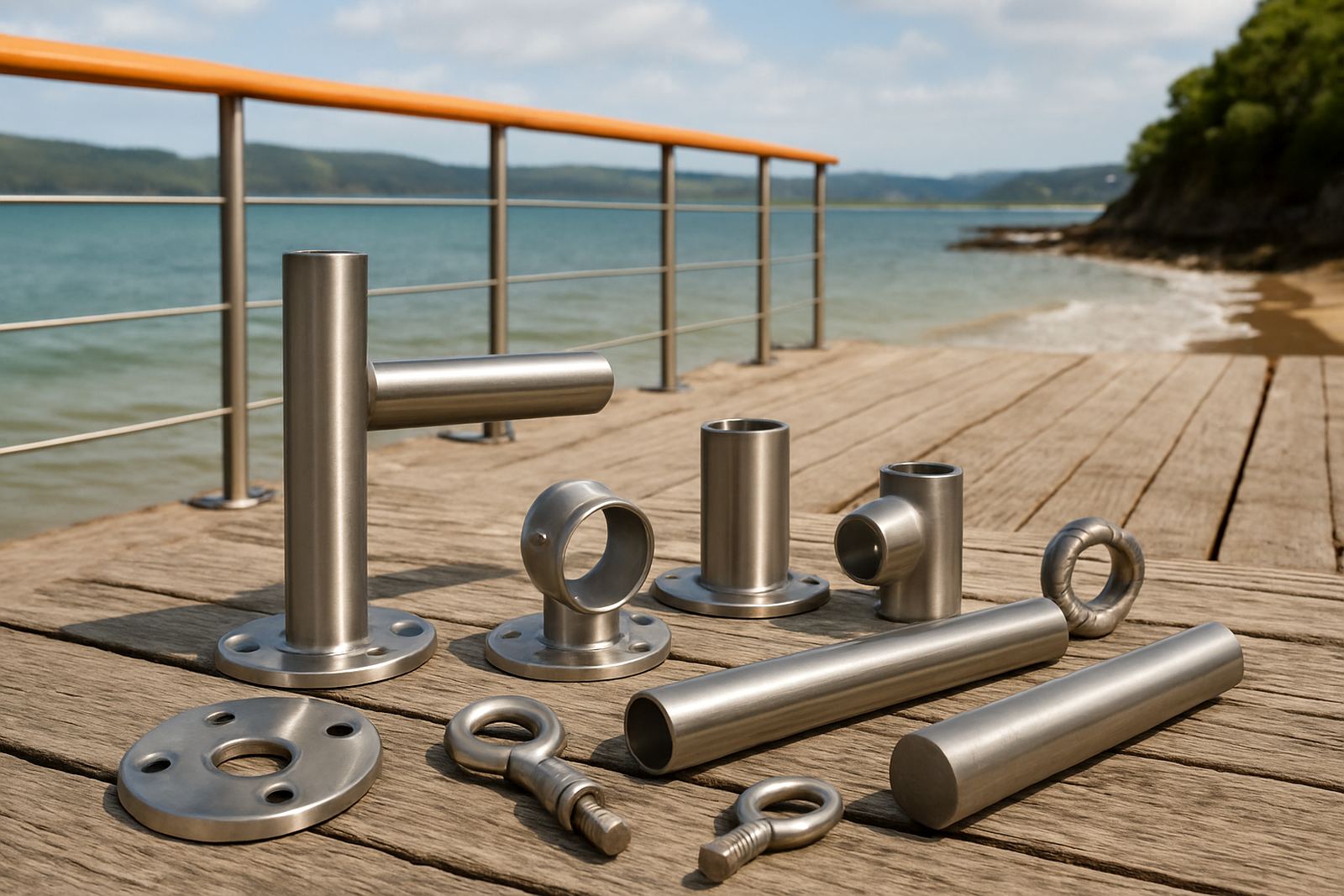
Along the coast, stainless steel faces salt spray, damp mornings and fine grit carried by wind. In places like Knysna, Sedgefield and Wilderness, that mix can settle on railings, gate frames and outdoor fittings, then sit there if no one wipes it down. Over time, the surface can lose its even finish and show tea staining or light surface marks.
The good news is that most of this is preventable. If stainless is rinsed and wiped often, especially after windy weather or a week of sea mist, it stays easier to clean and better looking. This matters on homes, guest houses and small marine installations where appearance and upkeep both count.
The Simple Wash Routine That Works Best
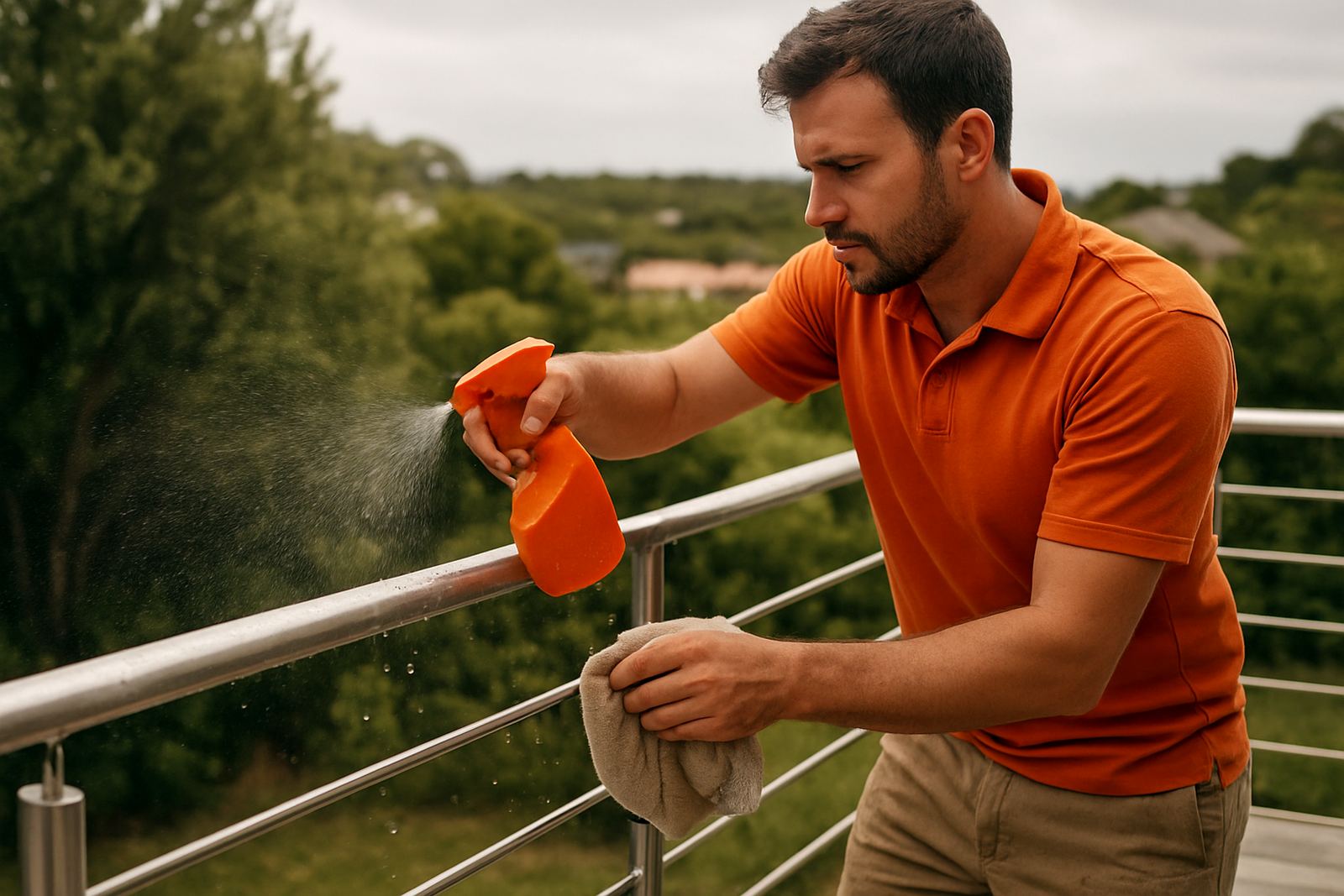
You do not need strong chemicals for everyday care. In most cases, warm water, a soft cloth and a mild soap are enough. Wash the surface from top to bottom so dirty water does not run back over cleaned areas. Rinse well and dry with a clean cloth to stop water spots from forming.
- Wipe handrails and balustrades at least once a month near the coast, and more often if they are exposed to wind and spray.
- Clean after heavy rain if mud or salt marks are visible.
- Use a soft microfibre cloth, not steel wool or rough pads.
- Dry edges, joints and hidden corners where moisture can sit.
If you only remember one rule, make it this one: remove salt before it has time to sit. That small step does more for coastal stainless than occasional deep cleaning.
What to Avoid When Cleaning Stainless Steel
Some cleaning habits do more harm than good. Harsh bleach, abrasive powders and wire brushes can scratch the finish or leave behind deposits that cause more marking later. Strong acid cleaners should also be avoided unless a qualified stainless technician has advised them for a specific problem.
It also helps to check the rest of the fitting, not just the visible face. Fixings, welds and brackets can hold dampness or trap dirt. If a gate or balustrade is fitted against a painted wall or masonry, that joint needs a quick look now and then too because salt and grime often gather there first. A small stain left too long can become a bigger job later, and the extra work is rarely worth it.
- Do not use steel wool or sanding discs for routine cleaning.
- Avoid bleach based products on a regular basis.
- Do not leave wet cloths or cleaning chemicals on the metal.
- Never scrub in a circular pattern with a rough pad, as it can leave visible marks.
Spotting Early Signs Before They Spread
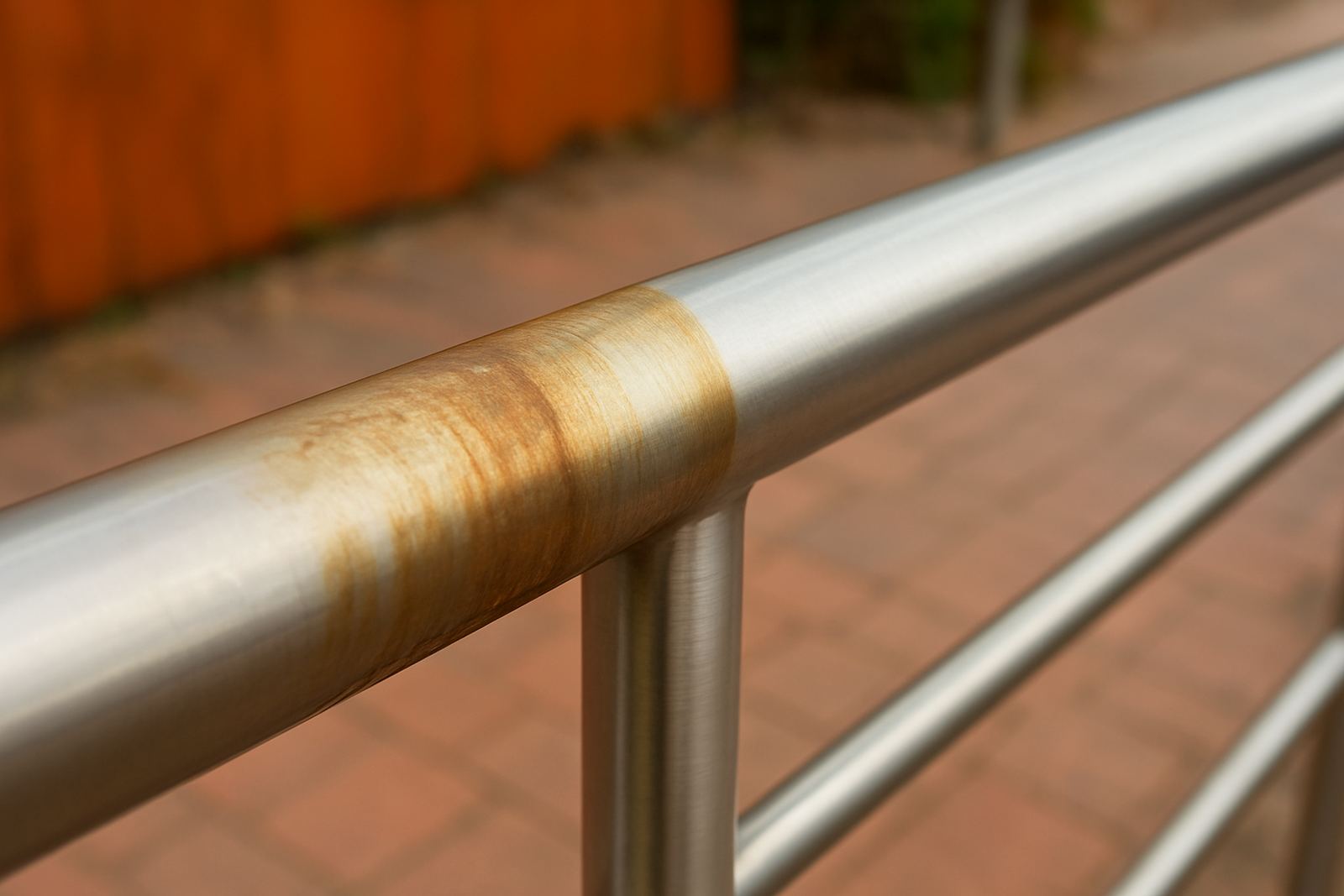
Early attention is the easiest way to keep maintenance affordable. Look out for a dull patch, orange-brown marks, white residue near fixings or a rough feel when you run a hand over the metal. These signs do not always mean the stainless has failed, but they do mean moisture and contamination are sitting on the surface.
In Garden Route conditions, a quick check every few weeks is a sensible habit for homes, lodges and body corporate properties. Pay particular attention after winter rain or during busy holiday periods when more salt, sand and fingerprints are left behind. A basic inspection takes only a few minutes, and it can stop a small problem from turning into a repair call.
- Check the lower parts of balustrades where spray collects.
- Inspect gate hinges, handles and latch points.
- Look at shaded areas that stay damp for longer.
- Watch for dissimilar metal contact, which can cause staining.
Extra Care For Gates, Handrails And Marine Fitouts
Different fittings need slightly different attention. Gates collect dust, finger marks and often a build-up of grime around moving parts. Handrails need regular wiping because they are touched every day. Marine fitouts or fittings close to jetties need more frequent rinsing because salt and moisture are constant.
For moving parts, a light maintenance check can save a lot of trouble. Make sure hinges move freely, fasteners are tight and gate hardware is not binding. If there is glass fitted alongside stainless, clean the metal first and the glass last so dirty water does not run back onto the finished panels. This kind of routine helps the whole installation last better, especially in coastal suburbs where the air stays damp for long stretches.
- Rinse gate hardware after dusty or salty conditions.
- Check for loose screws, worn hinges or rattling parts.
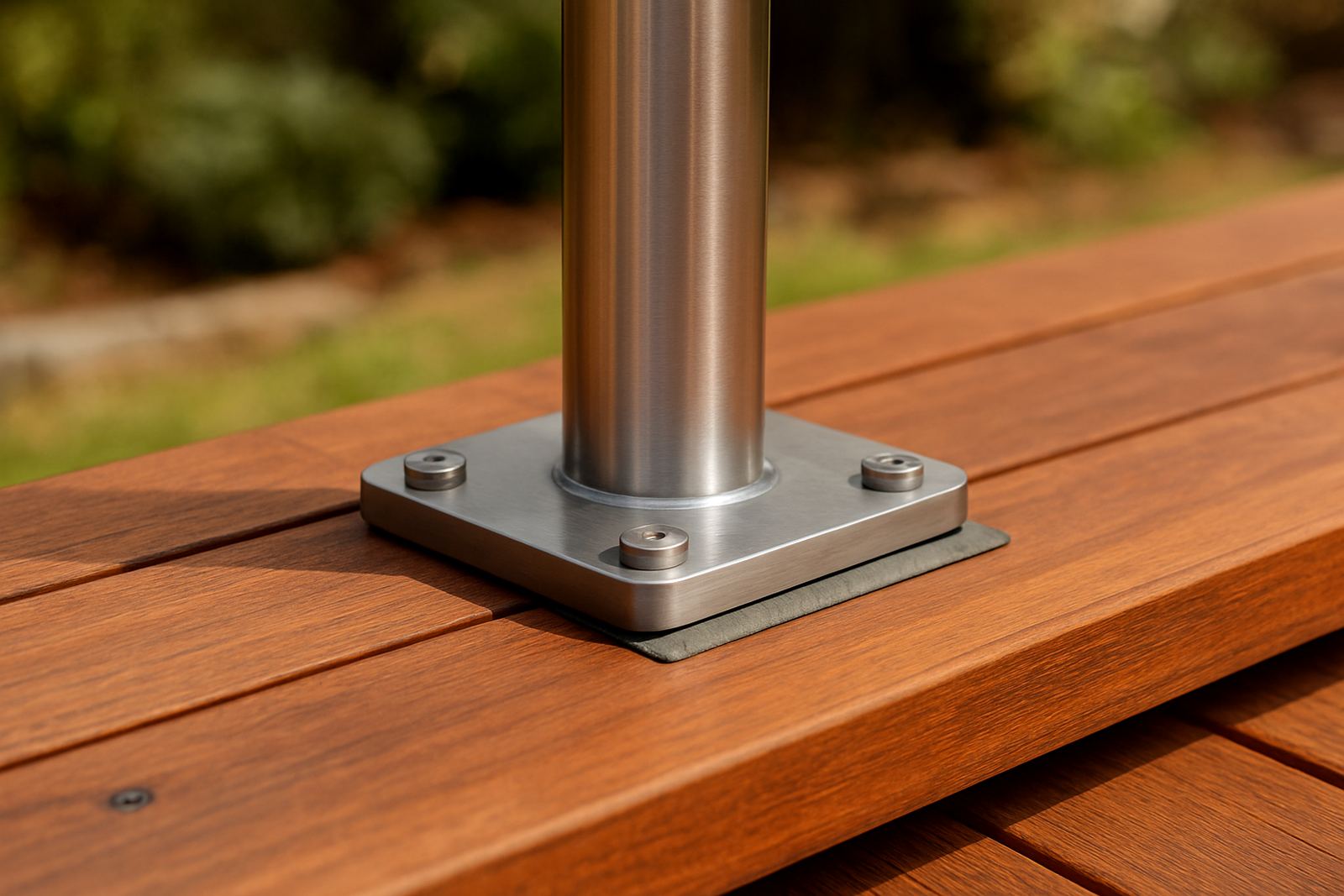
- Keep drainage clear around posts and base plates.
- For marine areas, increase cleaning frequency during windy weeks.
When A Service Visit Makes Sense
Some marks need more than a wash. If staining keeps returning, if the finish has become patchy or if a fitting has started to loosen, it is time to have it assessed. Surface restoration can improve the look of affected stainless, while repairs may be needed where corrosion has started around fixings or welds. In coastal towns, a planned maintenance visit is often cheaper than waiting for a failure.
A local example is a guest house in Knysna that had balcony railings exposed to salt from one side and sprinkler overspray from the other. Regular washing helped for a while, but the lower sections still marked up. After the fittings were checked, the cleaning routine was adjusted and the problem slowed right down. That kind of practical approach usually works better than guesswork.
A Basic Coastal Care Routine For Property Owners
For most homes and small businesses, a simple routine is enough. Set a calendar reminder, keep a soft cloth and mild cleaner nearby and give the stainless a quick look after windy weather. If you manage a property in George, Mossel Bay or along the coast towards Plettenberg Bay, this habit is especially useful for common areas that many people touch.
The aim is not perfection, just steady care. Stainless steel is a practical material, but near the sea it benefits from regular washing, drying and inspection. That small bit of attention keeps the finish looking better and helps fittings last longer before they need repairs or replacement.