Start With The Real Damage, Not The Visible Mark
Stainless steel can look worse than it is. A surface stain, a loose bracket, or a split weld may be a quick repair, while a twisted frame or badly pitted section can point to a full remake. The first step is to work out whether the problem is cosmetic, structural, or caused by the way the item was installed.
On the coast, salt air and constant moisture often attack fittings around pools, patios, gates and marine areas. If the item was made from the correct grade and only the finish has been affected, surface restoration may be enough. If the metal has been contaminated by ordinary steel, or the item was under-specified for the job, repairs can become short term fixes.
In Knysna Industria we often see the same pattern: one end of a handrail starts to stain because a fixing was left open, then water sits inside the tube and the problem spreads. At that point the question is not just can it be repaired, but will the repair actually last through another wet season.
When A Repair Makes Better Sense
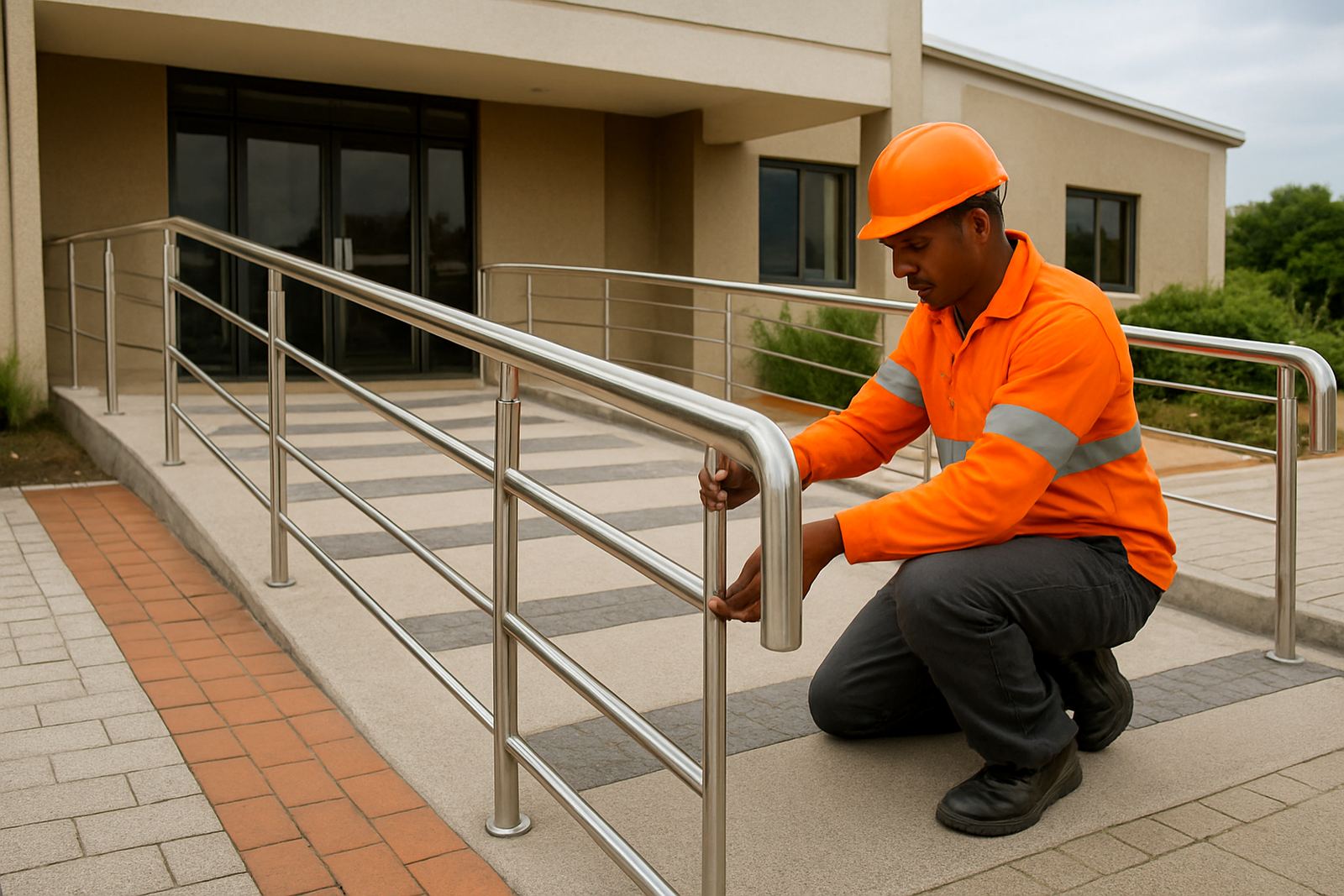
Repair is usually the better option when the item still has a sound base, the damage is localised, and the original shape can be held without forcing the metal. A rail with one damaged section, a gate with a worn hinge area, or a balustrade with a failed weld can often be restored on site or back at the workshop.
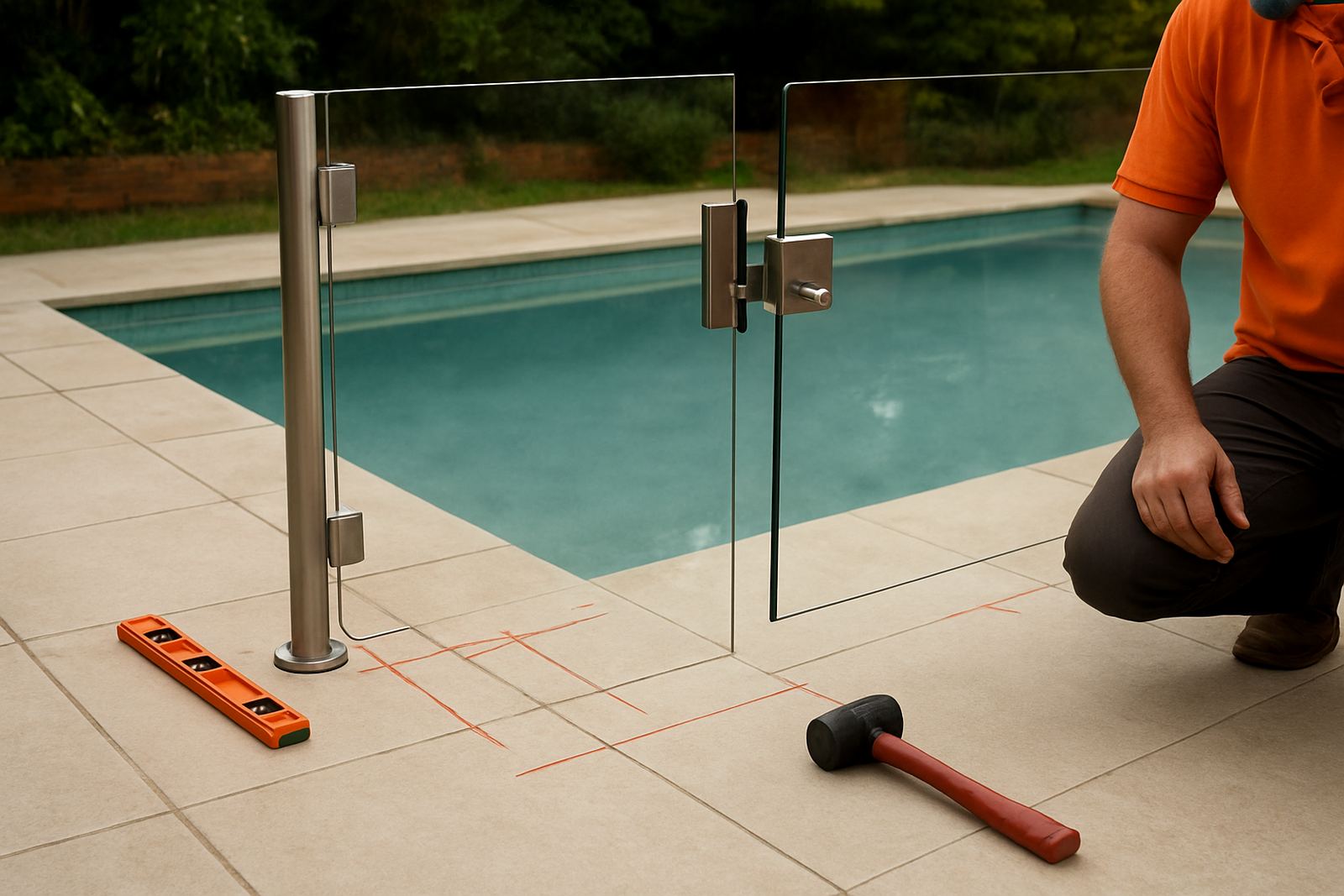
Repairs also make sense when access is tight. In places like Sedgefield and Wilderness, many homes have finished paving, timber decking or glass panels that would be costly to disturb. If the affected part can be removed, fixed and refitted without major breakage, that saves time and money.
- Minor weld failure on a handrail or support leg
- Loose hardware on a gate or access panel
- Surface scratching or tea staining from coastal exposure
- Single bracket replacement where the main frame is sound
- Light distortion that can be straightened without weakening the item
A proper repair should be finished with the right cleaning and passivation steps where needed, otherwise the same spot will keep marking again. That is where a quick patch can become an expensive repeat call-out.
Signs That Point To A Full Remake
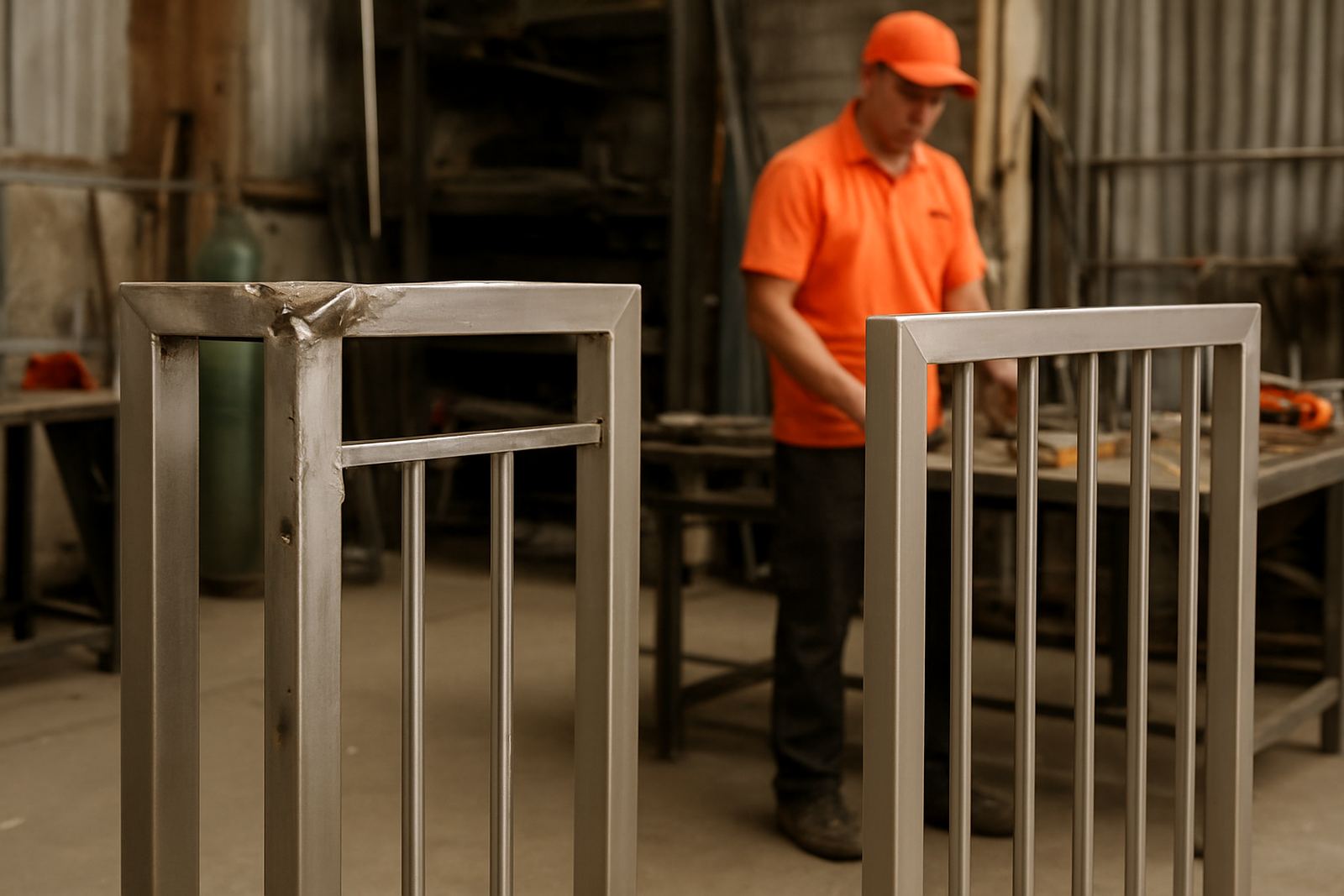
Some items are simply too far gone. If a balustrade has bent after impact, if a gate frame has dropped badly on one side, or if corrosion has moved through several sections, the safest choice is usually a remake. Once the structure has lost its shape, any repair has to fight against that distortion.
We also look closely at hidden damage. A handrail may appear fine from the outside, but if water has entered the tube and sat there for months, the inside can be badly affected. The same goes for old marine fitouts where fittings have been exposed to spray, cleaning chemicals and constant movement. A part can still look acceptable yet fail sooner than expected.
Another warning sign is repeated repair history. If a gate has been welded, adjusted and re-welded over a few years, it may be cheaper in the end to remake it to the right size, with better hardware and proper drainage. The same applies to parts that no longer meet current site needs, such as a handrail that must now suit a new floor level or a broader opening.
- Visible twisting in the frame or posts
- Deep corrosion around welds or fixings
- Repeated movement at the same joint
- Water trapped inside tubes or profiles
- Parts that no longer match the opening or use pattern
How Coastal Conditions Change The Decision
Along the Garden Route, the environment matters as much as the damage itself. In George or Mossel Bay, a site close to the sea will age differently to an inland courtyard in Knysna. Wind-driven salt, morning mist and unshaded exposure can shorten the life of poorly detailed items very quickly.
If a fitting has failed because of coastal conditions, we check whether the original design allowed for drainage, cleaning access and proper isolation from other metals. Stainless can perform well here, but only if it is made and fitted with those conditions in mind. If not, the same issue often returns after the next winter.
We also consider maintenance access. A balustrade at a holiday unit in Plettenberg Bay may be left unattended for months, so a repair should be simple to inspect and keep clean. Where regular care is unlikely, a stronger remake can be the better value even if the initial spend is higher.
Load-shedding can affect how some repairs are scheduled too, especially when a site needs cutting, grinding or power tools after hours. That is one reason we assess whether the job should be taken off site or completed in one planned visit.
The Cost Question Is Not Just The Invoice
People often compare repair and replacement by the first price only. That misses the bigger picture. A cheap repair that fails in six months costs more than a proper remake that lasts for years. The same is true when a quick fix leads to extra damage on tiles, glass, paintwork or nearby timber.
A better comparison is total value: labour, access, removal, transport, downtime and the risk of future failure. If a gate has to be removed twice, or a balustrade needs repeated site visits, replacement can be the cleaner option. If only one part is affected and the rest is good, repair usually wins.
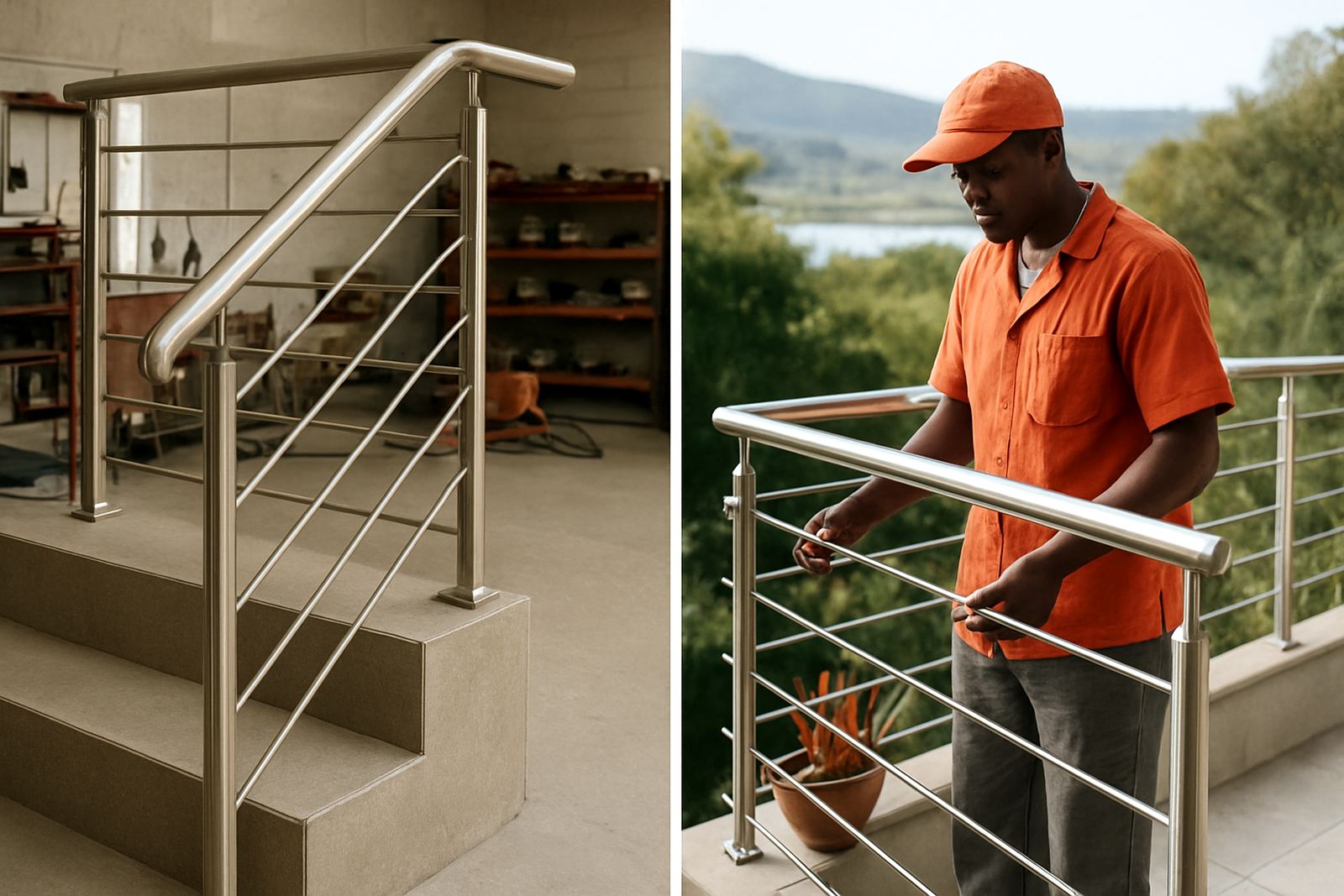
We also factor in matching. On some properties the stainless work is part of the overall look, especially on stairways, balconies and entrances. A remake can be used to improve the detail, but it should still suit the property and not jar with the rest of the finish. That balance matters on occupied homes and guest properties alike.
- Will the repair need more than one visit?
- Will the item still be safe after fixing?
- Will the finish match the rest of the installation?
- Is there hidden damage that might return later?
- Would remaking save money over the next 2 to 5 years?
A Local Knysna Example From The Workshop Floor
We recently looked at a coastal property near Knysna where a stainless gate and matching handrail had both started staining after years of exposure. The owner first asked for a simple polish, but the inspection showed more than surface marks. One hinge plate had worn oval, the lower tube had trapped water, and the handrail had a weld crack near a support point.
In that case, part of the installation could be repaired and restored, but the gate leaf itself had moved out of square. Rather than keep forcing it back into shape, we remade the affected section and refitted the good hardware. That gave the client a proper result, not a temporary fix that would sag again after the next wet spell.
This is the kind of judgement that saves money over time. A careful site measurement, clear shop drawings and a good workshop check make the answer much easier. Sometimes the right call is repair. Sometimes it is remake. The point is to choose based on what the item is doing now, not only what it looks like from a distance.
If you are unsure, a site assessment is usually the fastest way to decide. Once the damage, exposure and use pattern are clear, the next step becomes simple.