What custom brackets are used for
Custom brackets are the small parts that hold larger work in place. In stainless steel, they are often used where a wall plate, angle support, standoff, cleat or fixing lug has to suit a specific opening, pipe size, frame depth or mounting point. They are common on balustrades, handrails, gates, marine fitouts, equipment mounts and repair work where no off the shelf part lines up properly.
At Sisonke Stainless, we make these brackets for practical use in the Garden Route climate. That means the part must carry the load, fit the space and stand up to coastal humidity, salt air and daily cleaning. For many jobs a small bracket does a lot of work, so getting the thickness, hole pattern and finish right matters. A bracket that is 5 mm out can throw the whole installation off.
We work from our Knysna Industria base and supply site measured brackets for homes and businesses in Knysna, Plettenberg Bay, Sedgefield, Wilderness, George and Mossel Bay. If the job needs a one off shape, we can make it. If the fixing is exposed outdoors, we will advise on stainless grade, drainage and access for future servicing.
Sizes, thicknesses and bracket options
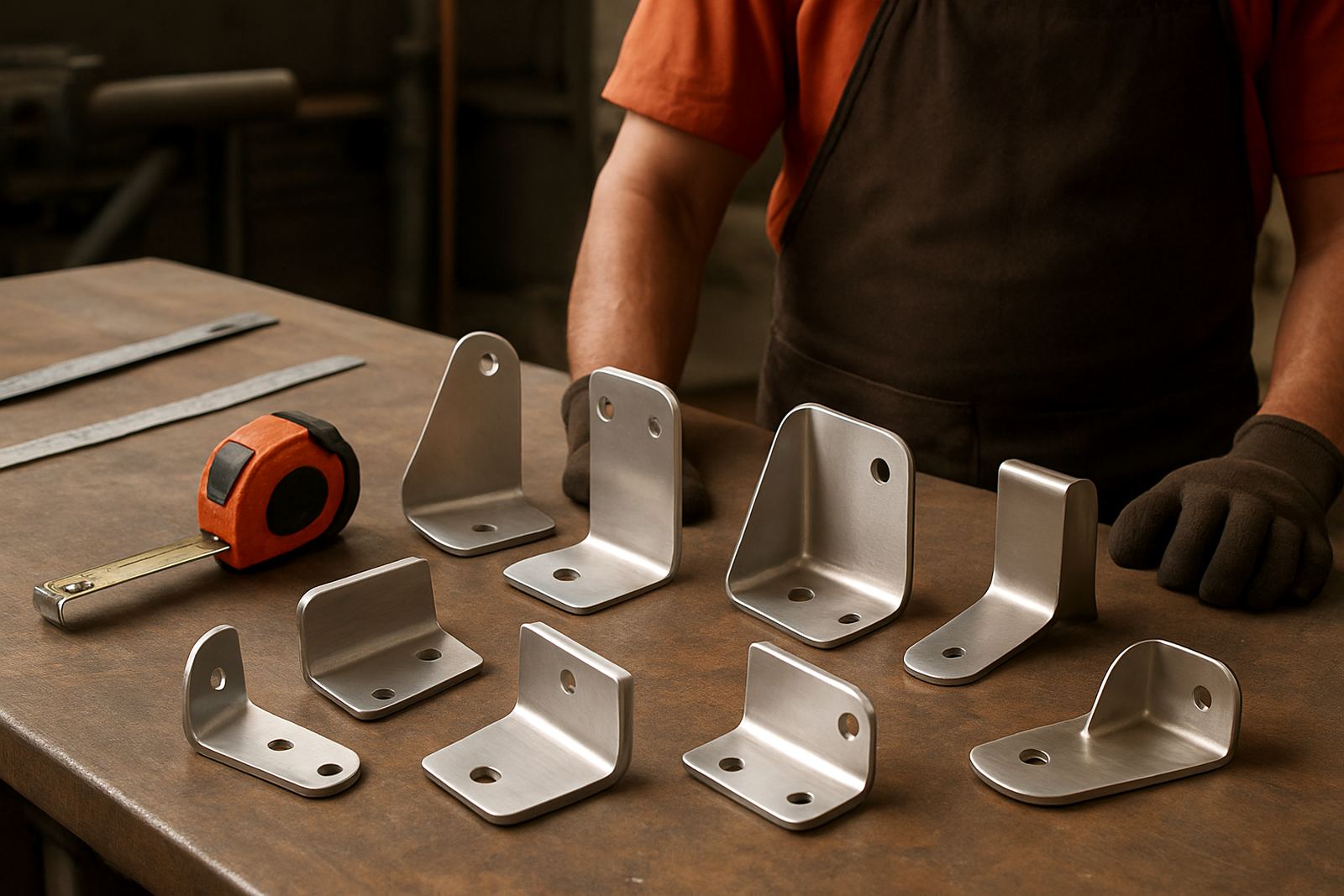
Custom brackets are made to suit the fixing, not the other way around. Common thicknesses range from 3 mm to 10 mm depending on the load, span and how much movement the bracket must handle. Smaller support brackets for cladding or light fittings may use lighter plate, while handrail supports, gate fittings and marine mounting pieces often need heavier material and better reinforcement.
- Wall plates, angle brackets and stand off brackets
- Channel supports, cleats and base plates
- Slotted hole brackets for adjustment on site
- Welded bracket assemblies for heavier loads
- Drilled and countersunk fixing plates
- Brackets with rubber isolation or packer spacing where needed
We can make brackets in common stainless finishes such as brushed or polished, depending on where they will be seen and how easy they need to be to keep clean. For outside use near the sea, a neat finish is only part of the job, because water traps, sharp corners and poor drainage can shorten the life of the part. We shape and weld with that in mind. The fit must look correct and stay put.
Where custom stainless brackets suit best
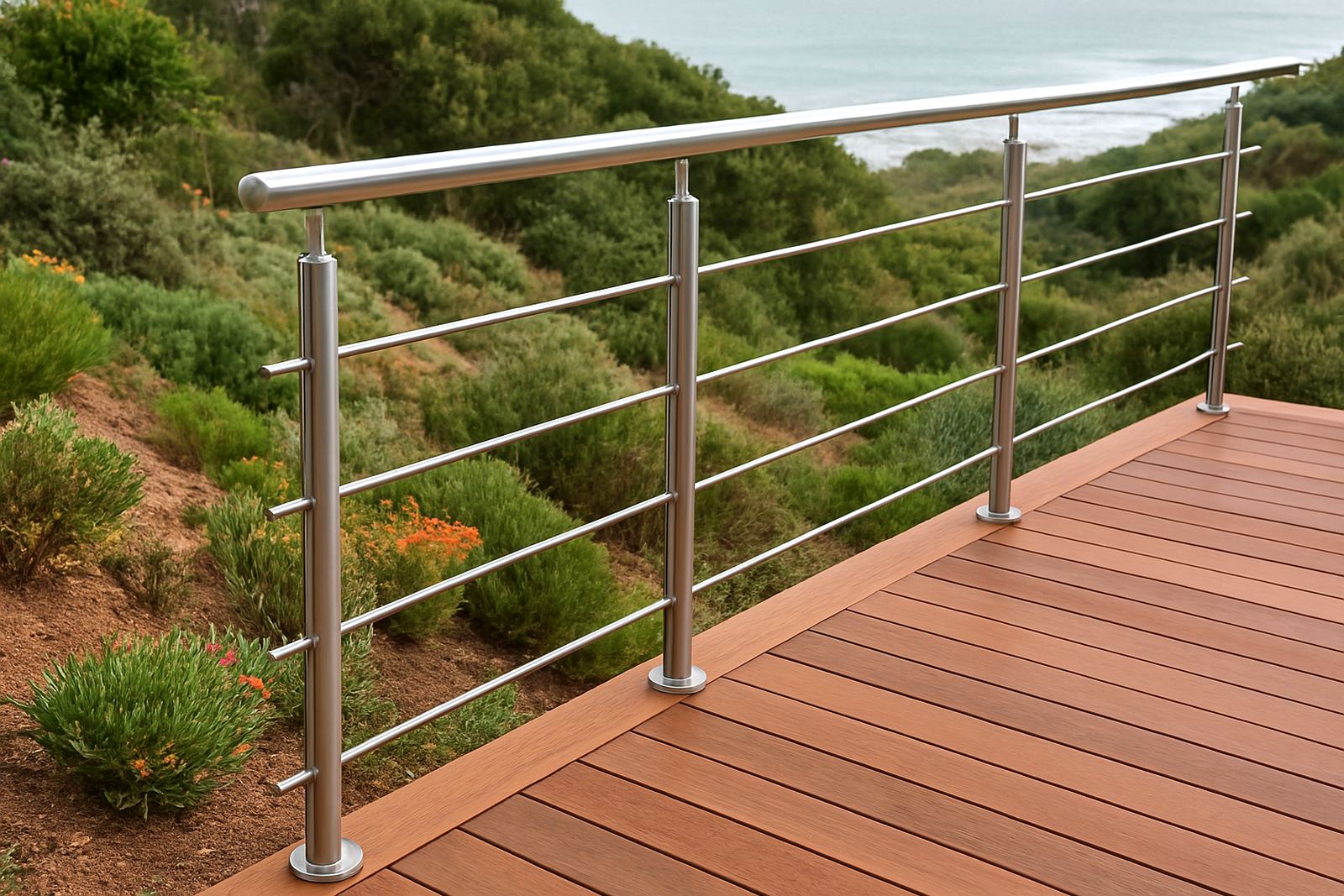
These parts suit any fixing job where the dimensions are not standard or where the existing structure is uneven. We often make brackets for balustrades, glass support points, gate hinges, gate stops, sign supports, shade structures, pump mounts and marine items. They also help when you are repairing older steel work and need a replacement that matches the original hole centres or offset.
Custom brackets are especially useful in coastal areas where mild steel starts rusting too quickly. Stainless gives better resistance to corrosion, but the part still has to be designed for the environment. On the coast, trapped moisture, crevices and dissimilar metals can cause trouble, so we check the full fixing detail and not only the visible face.
- Homes with balustrades, stair rails and patio supports
- Boats, jetties and marine interiors with limited fixing space
- Shops and offices needing neat visible supports
- Workshops and small plants with vibration or repeated movement
- Repairs where a discontinued bracket needs a replacement
How we measure and install brackets on site
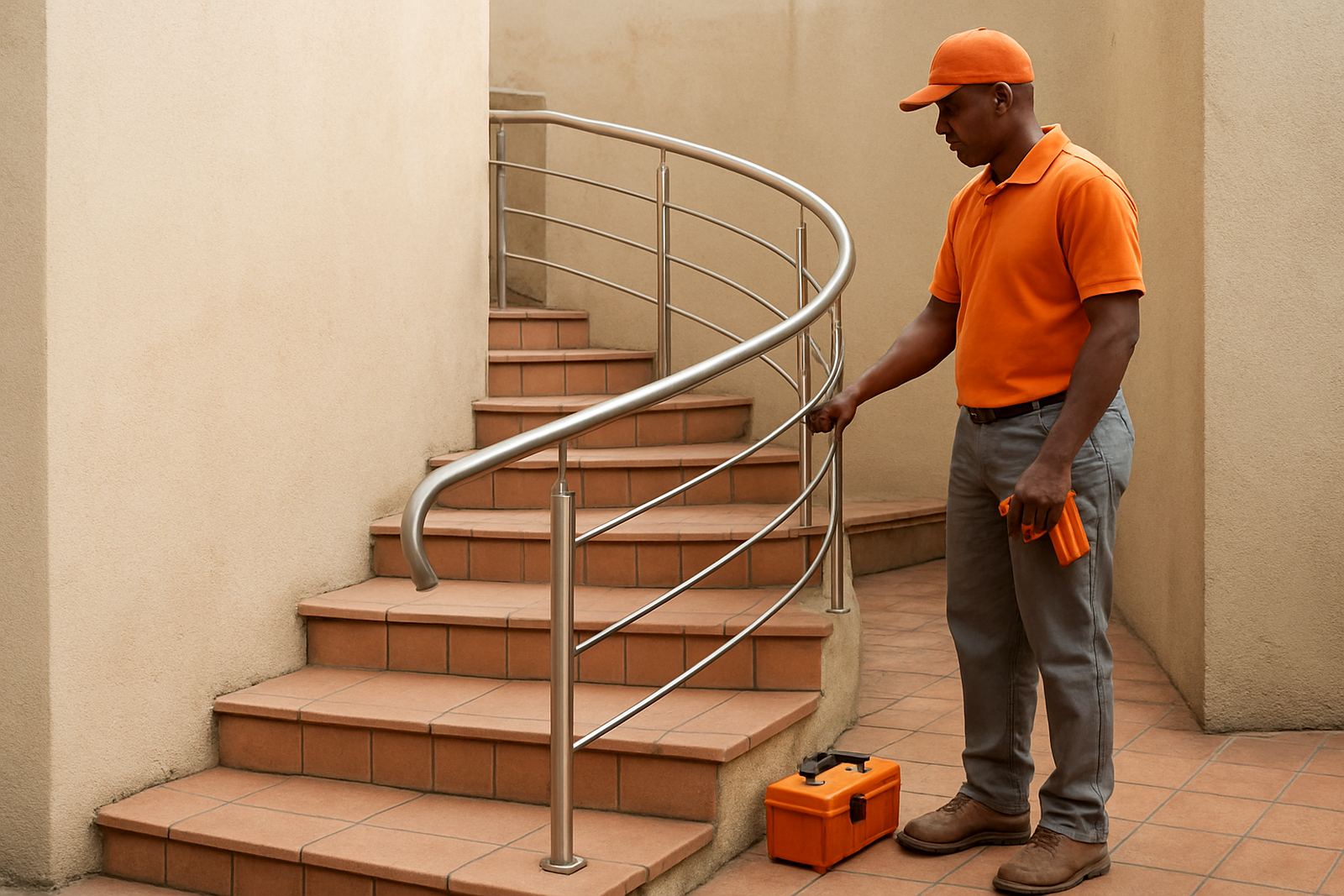
Many bracket jobs start with a site measure. We check the actual opening, the fixing surface, the load direction and whether the part must allow for movement, expansion or uneven masonry. In older buildings around Knysna and George, walls are not always square and concrete edges can vary, so we measure carefully before cutting metal. That saves rework and helps the final piece sit flush.
Installation depends on the job. Some brackets are welded in our workshop and then bolted on site, while others are fitted directly with stainless fasteners, chemical anchors or coach screws into suitable timber or masonry. For glass fitments and balustrade work, we also check alignment with the glass contractor or the existing frame so holes and packers line up properly.
- Site measuring and hole centre checks
- Shop drawings for approval on shaped brackets
- Onsite fitment with stainless fixings where required
- Checking for movement, level and clearances before handover
We bring our own practical kit for installation, but some jobs need access gear or isolations arranged by the client. If a bracket is part of a gate or mechanical support, we will tell you what needs to be ready before we arrive. It keeps the site tidy and reduces down time.
Power, gas and workshop requirements
Custom brackets do not need special power or gas from the client, but the fabrication process in our workshop may include cutting, drilling, welding and finishing equipment. For site work, we can usually fit brackets with standard tools and stainless fasteners. If a job involves welding on site, we will assess access, fire risk and whether the area is suitable for hot work.
For most bracket installs, no permanent power supply is needed on the client side. Where we do need power for testing or temporary tools, a standard 220 V supply is usually enough, though load-shedding can affect timing. On busy sites in the Garden Route, we plan around outages and confirm when we can complete fitting without delays. For marine or outdoor jobs, we keep welding and grinding controlled so the finish stays clean.
Gas use is only relevant where welding is part of the fabrication or repair. We use suitable shielding and finishing methods for stainless so the weld area stays neat and the bracket does not pick up unnecessary heat marks. That helps with appearance and future maintenance.
Care, servicing and replacement checks
Stainless brackets are low maintenance, but they are not maintenance free. Dirt, salt and cleaning chemicals can sit in corners and around fasteners, especially near the sea. A quick fresh water wash now and then helps, and a mild detergent can be used for stubborn marks. Avoid harsh steel wool and aggressive cleaners that can damage the finish.
It is worth checking brackets every few months on exposed work. Look for loose fixings, movement, rust staining from other metals, cracked welds or water traps. On gates and moving parts, check that the bracket has not been pulled out of alignment by repeated use. If the bracket supports glass or a handrail, any movement should be dealt with early.
- Rinse off salt build-up on coastal installs
- Check fixings after heavy use or strong wind
- Keep drain paths clear so water does not sit in the bracket
- Book a maintenance check if the bracket carries a safety critical load
We also do stainless repairs and surface restoration where a part has been bent, marked or damaged. If replacement is better than repair, we can remake the bracket to the same dimensions or improve the detail where the old design caused trouble. That saves time on site and avoids repeat faults.
What to check when ordering a custom bracket
Before you order, gather the measurements that affect the fit and load. A clear photo, a sketch and the fixing points are usually enough to start. If the bracket is replacing an old part, send the old piece or measure it carefully, including hole centres, leg lengths, thickness and offset. It also helps to know whether the part is for inside, outside or marine use.
- Overall size in mm, including leg lengths and offset
- Material thickness needed and whether it carries weight
- Number of holes, hole diameters and spacing
- Finish required, for example brushed or polished
- Mounting surface, such as brick, concrete, timber or steel
- Exposure to salt air, splash water, heat or vibration
If you are not sure, send the details to projects@sisonkemanufacturing.co.za and we will talk through the fixing. A good order does not have to be fancy, it just needs the right measurements and the right use. That is what keeps the bracket straight, secure and easy to service later on.
Key facts
| Material | Stainless steel, selected to suit indoor, outdoor or coastal use |
|---|---|
| Typical thickness | 3 mm to 10 mm depending on load and span |
| Finish options | Brushed, polished or site prepared for fitting |
| Fixing methods | Drilled, slotted, welded or bolted |
| Application range | Balustrades, gates, marine work, repairs and supports |
| Service area | Knysna, Plettenberg Bay, Sedgefield, Wilderness, George and Mossel Bay |