Start With the Right Location and Use
Before you pick a style, look at where the balustrade will go and how people will use it. A balcony in Knysna facing salt air has different needs to a stair rail inside a holiday home in George. Think about who will use it most, whether it is for children, older family members, guests, or staff moving in and out with trays, laundry or tools.
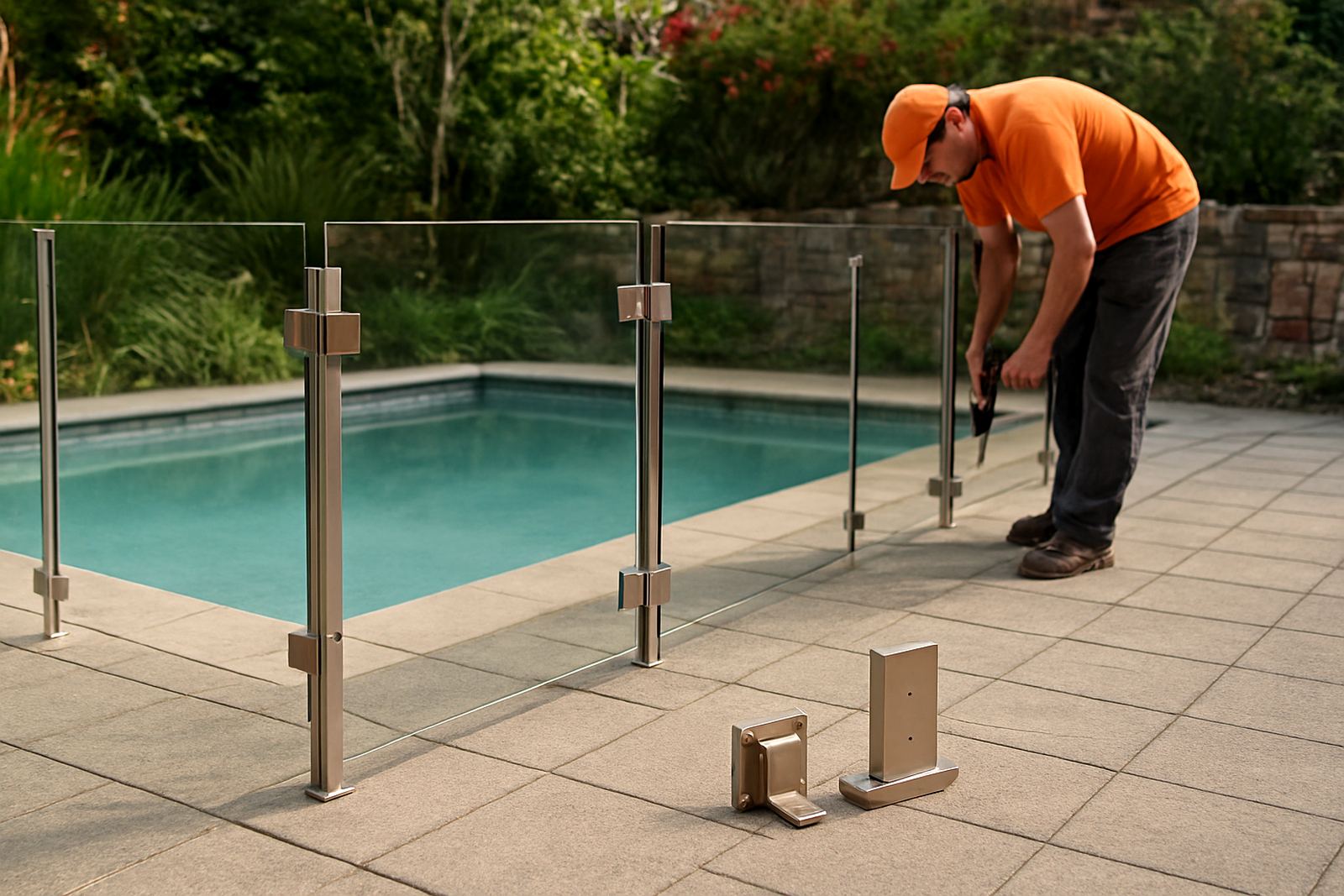
On Garden Route sites, we often find the best result comes from planning around weather, slope and traffic flow first. If the area gets coastal moisture, wind or direct spray, the fixing method and the grade of stainless matter just as much as the look. A good balustrade should support safe movement and still fit the building line, without making the space feel closed in.
- Measure the full run, including turns, landings and return ends.
- Note if the area is indoors, outdoors, covered or fully exposed.
- Check whether the balustrade will need to carry glass panels or only bars and rails.
- Write down any steep steps, uneven slabs or low walls that affect fixing points.
Choose a Style That Matches the Building
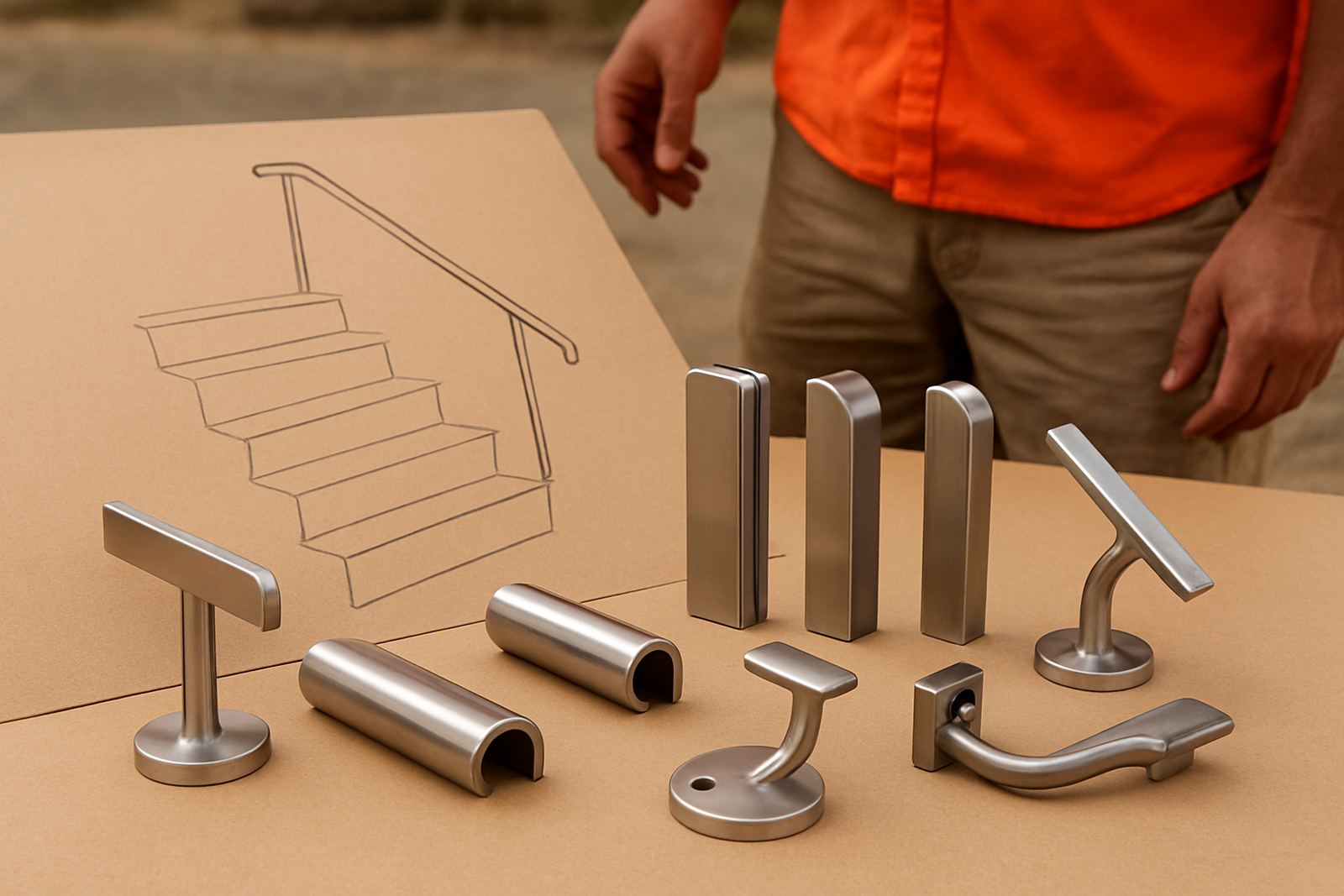
Stainless balustrades can be made to suit modern homes, guest lodges, commercial spaces and coastal properties. Straight vertical or horizontal layouts are common, while combinations with glass are often used where you want light and a clear view. In Plettenberg Bay and Wilderness, many owners prefer a cleaner line for sea-facing decks, while older homes in Knysna may need a shape that sits neatly with existing verandahs and brickwork.
The main question is whether you want the balustrade to stand out or stay quiet in the background. A busy pattern can distract from a view, while a simple rail can make stairs and balconies feel open. The right choice usually depends on how much maintenance you want, how private the space must be, and whether the balustrade needs to match other metalwork on the property.
- For views: consider glass infill with stainless posts and rails.
- For privacy: choose tighter spacing or solid sections where allowed.
- For low maintenance: keep the design simple and easy to clean.
- For public spaces: use a layout that is easier to inspect and maintain.
Pick the Correct Stainless Grade and Finish
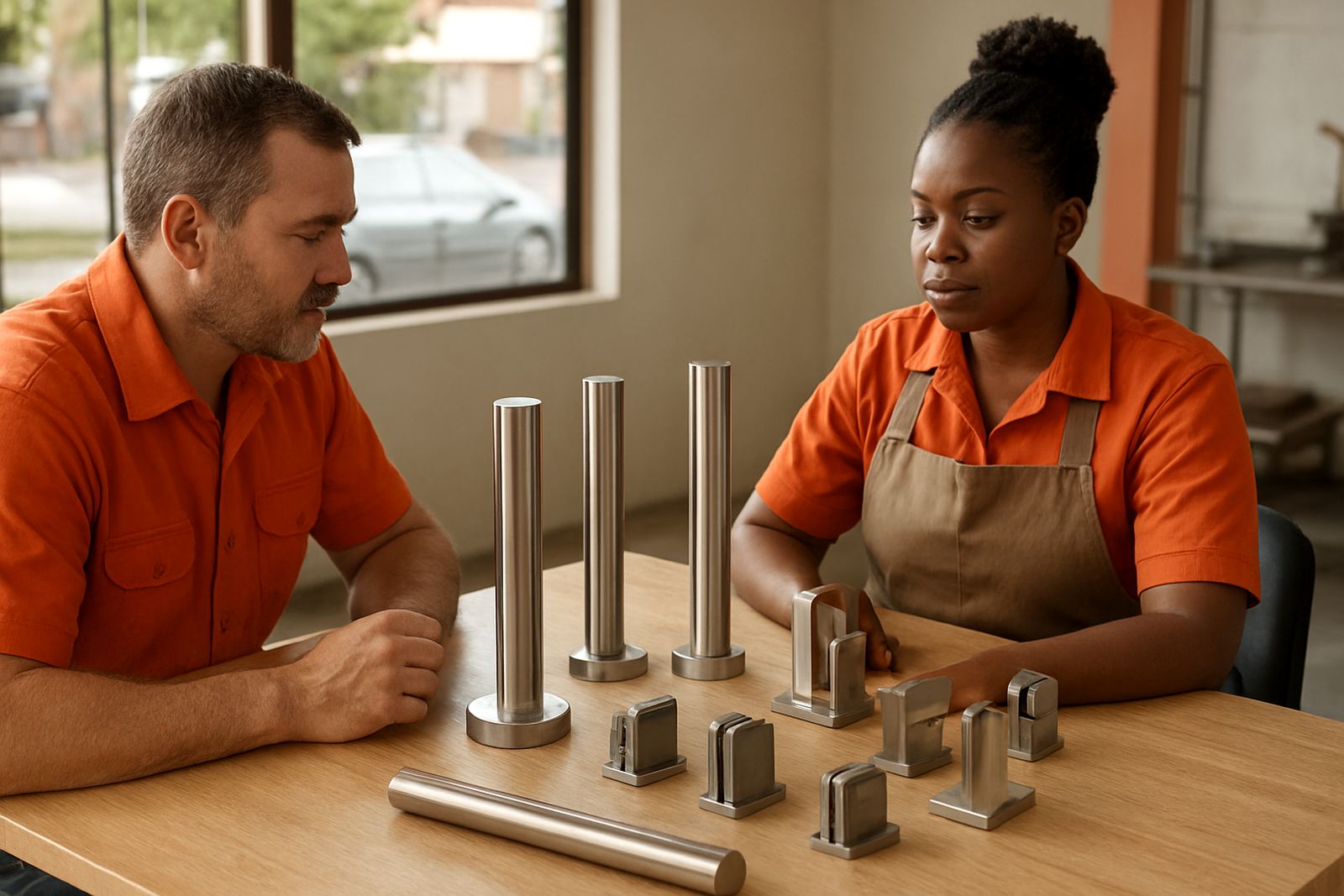
The right stainless grade is important in the Garden Route, especially near the sea. Coastal humidity, salt in the air and regular rain can mark poorly chosen materials over time. For homes and businesses in Mossel Bay, Sedgefield and other coastal areas, it is worth asking what grade is being used for the posts, rails, brackets and fixings, not just the visible parts.
The finish also changes how the balustrade will look and how often it will need cleaning. A polished finish shows fingerprints and water marks more easily, but it can suit formal entrances and interior stairs. A brushed finish hides everyday wear better and is usually a practical choice for busy homes or rental properties. If the balustrade will sit near pools or exposed decks, ask about drainage and water traps so moisture does not sit in corners. That small detail can save trouble later, especialy where maintenance is irregular.
- Ask what stainless grade is used for indoor and outdoor areas.
- Check whether fixings, bolts and brackets are the same quality as the rail.
- Choose a finish that suits your cleaning routine and level of exposure.
- Confirm how welded areas will be treated after fabrication.
Check Safety Rules Before You Order
Balustrades are safety fittings, so height, spacing and fixing method matter. The exact requirements can depend on the type of building and where the balustrade is installed. A stair rail, landing barrier and balcony edge may each need different handling. If the job is for a guest house, business premises or a body corporate property, there may also be site rules that affect design and approval.
It is worth checking these points before fabrication starts, not after. That way the balustrade can be made to the correct height and spacing, and the installation can proceed without rework. A proper site measure helps identify where the floor falls away, where the wall is not square and where anchors need extra support. In practice, those small details matter more than most people expect.
- Confirm the required height for stairs, landings and open edges.
- Check spacing so children cannot pass through dangerous gaps.
- Make sure fixing points are suitable for the base material.
- Ask whether any municipal or body corporate approvals are needed.
What a Proper Site Measure Should Cover
A balustrade can only fit properly if the site measure is accurate. At Sisonke Stainless, we treat this as a key step because it affects the drawings, fabrication and final installation. A good measure should capture the length of each run, the height changes, wall returns, stair pitch and any obstacles such as door frames, columns, gutters or existing floor finishes.
For properties in Knysna Industria, Plettenberg Bay or George, we also look at access for delivery and installation. If there is limited parking, narrow stairs or a second-storey carry, that needs to be planned. Load-shedding can affect site timing too, so it helps when the work sequence is mapped out clearly from the start. The cleaner the measure, the fewer surprises on site and the quicker the fit.
- Photograph the area from different angles.
- Mark any electrical points, drainage lines or waterproofing zones.
- Record floor levels and slope direction.
- Note access restrictions, gate codes or working-hour limits.
Compare Cost, Lead Time and Maintenance Over Time
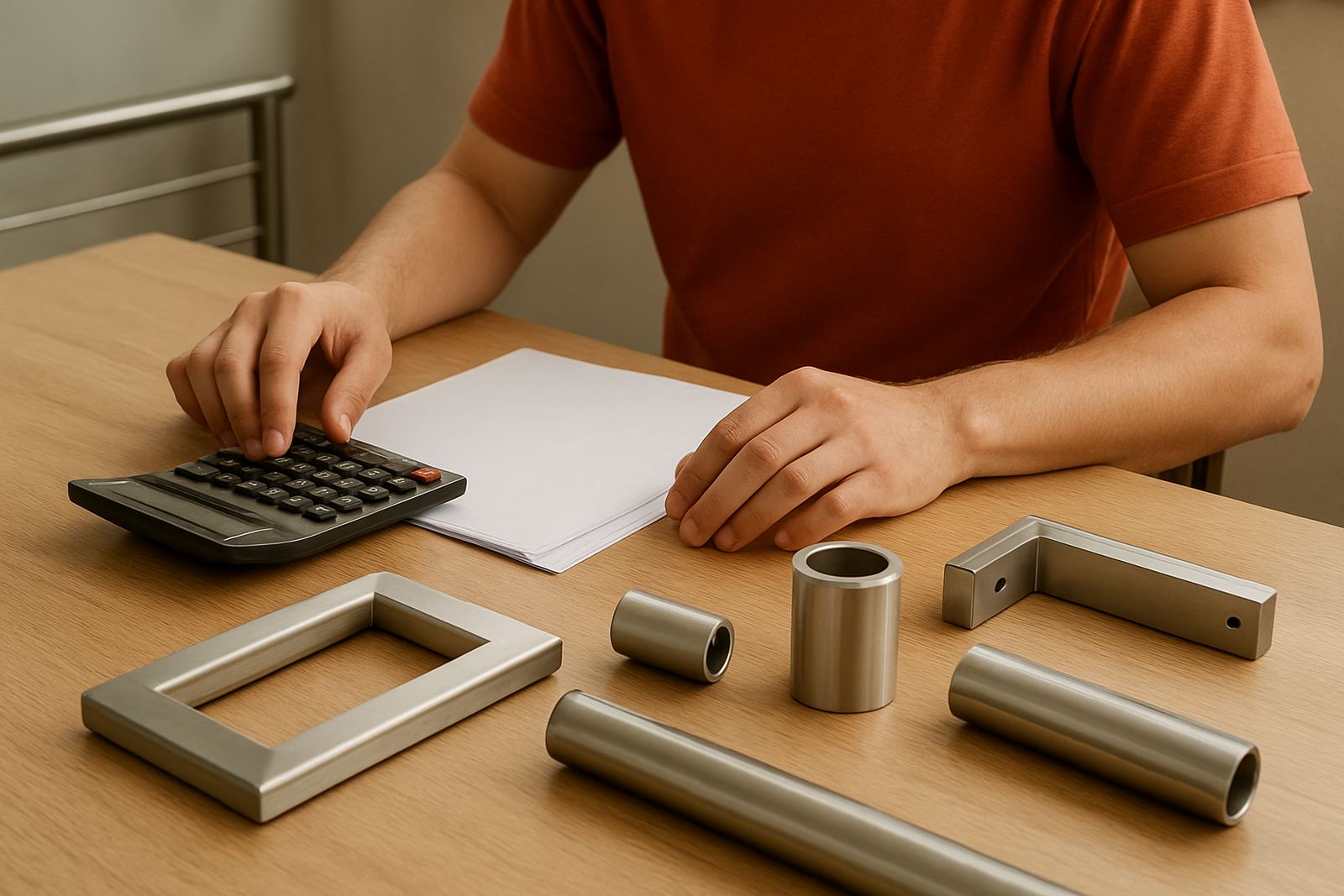
The cheapest quote is not always the best value. A balustrade that needs constant polishing, repair or re-alignment can cost more over a few years than a well-built one made for the site. Ask what is included in the price: measuring, drawings, fabrication, transport, installation, glass fitment if needed, and any gate hardware or repairs if those are part of the job.
Lead time matters too. Holiday homes and guest properties often have narrow windows for work, especially when guests are coming and going. It helps to know when fabrication will start, how long installation will take, and whether the site needs to be prepared first. A proper maintenance plan can also keep the balustrade in good shape, particularly in sea air. If you want less ongoing work, choose a design with fewer dirt traps and simpler cleaning access.
- Ask for a clear scope so you know what is included.
- Compare durability, not only upfront price.
- Check whether future maintenance or repair support is available.
- Plan installation around weather, access and occupancy.