Start With the Full Scope, Not Just the Item Price
The biggest budgeting mistake is pricing only the visible stainless part and forgetting the work around it. A balustrade line at a family home in Knysna can look simple on paper, but the final amount depends on site measuring, post spacing, handrail length, glass fitment, access, fixing type and the finish you want.
For a realistic figure, list every part of the job separately. That way you can compare quotes on the same basis and avoid surprises later. If the project includes installation on a coastal property, allow for extra prep and cleaning because salt air is harder on fittings and fasteners.
- Measure the full run in metres, not just the opening width
- Note whether the job is new build, repair or replacement
- Include all gates, latches, hinges and floor fixings
- State if glass panels, mesh or other infills are part of the scope
Know What Drives the Cost Up or Down
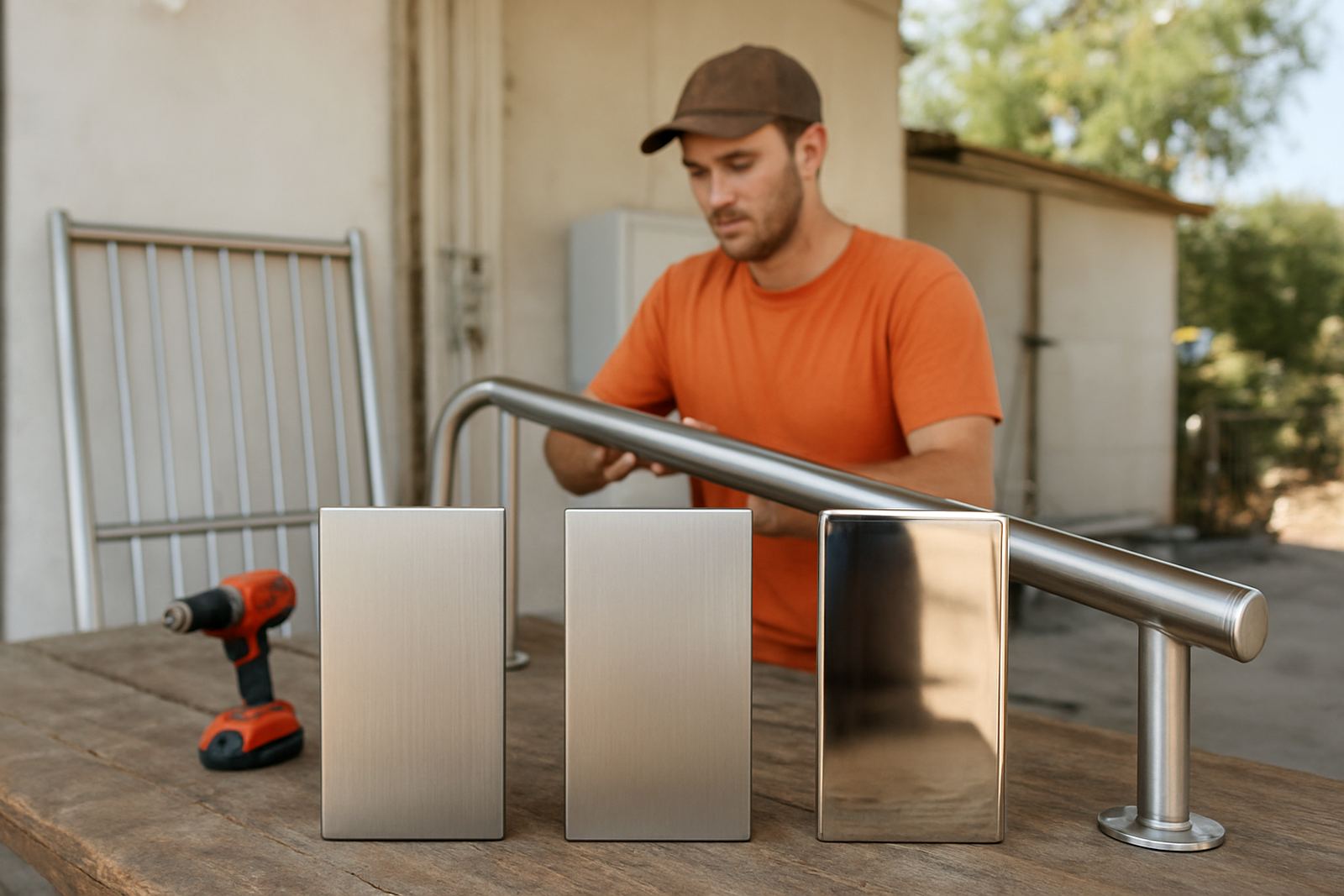
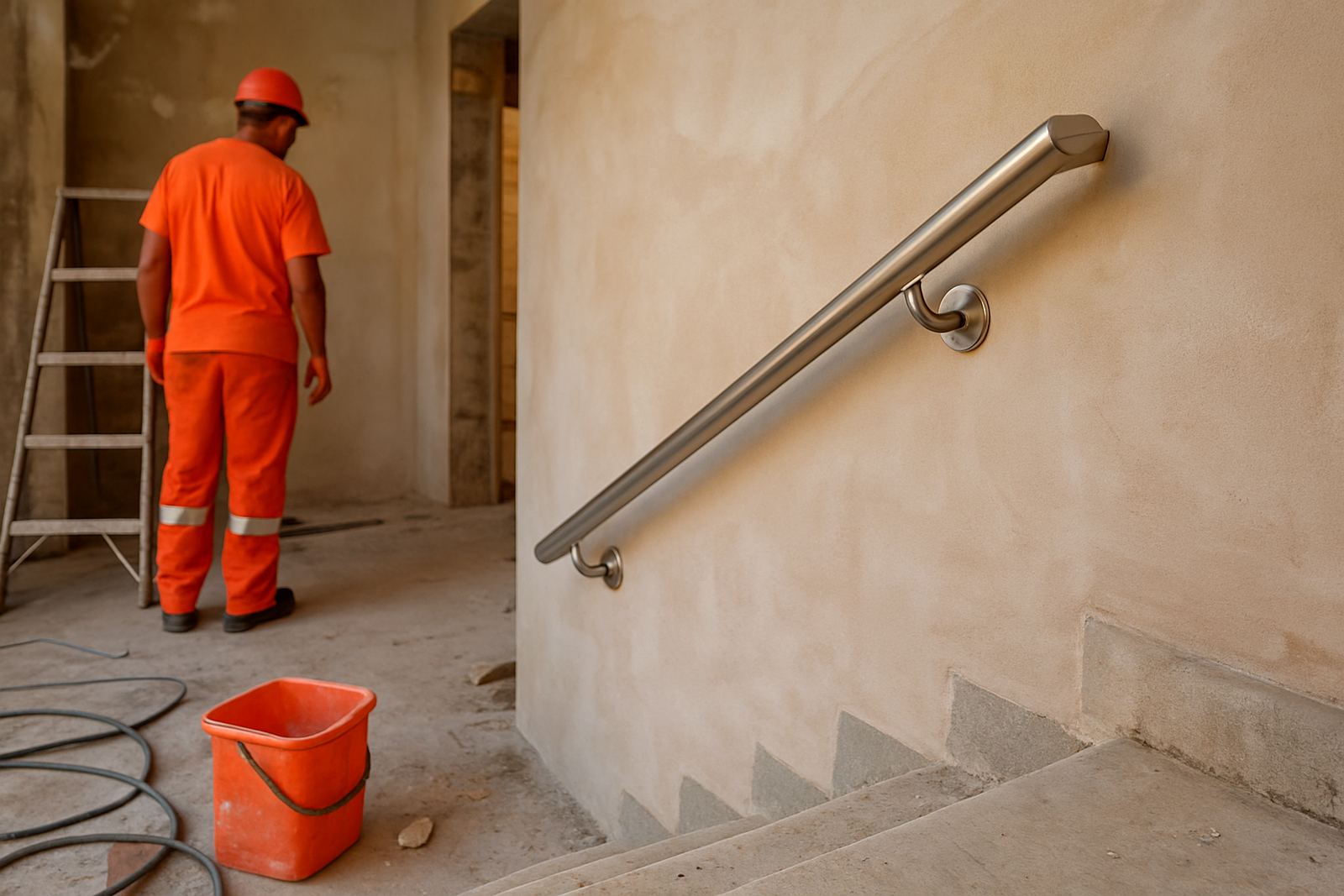
Stainless fabrication costs move with material grade, thickness, labour time and site complexity. A straight handrail for a flat stoep is usually simpler than a custom staircase railing with multiple angles, returns and wall brackets. If the site is in Wilderness, George or Mossel Bay, travel and access can also affect the final total.
Grade matters as well. Some locations near the sea need a better corrosion plan than a sheltered inland property. If the area sees heavy moisture or wind, the quotation should allow for suitable fittings, stronger fixings and proper surface finishing. Cheap stainless can cost more later if it stains, pits or needs early repairs.
- Material grade and section size
- Number of bends, corners and welds
- Height of the balustrade or gate
- Coastal exposure and maintenance expectations
- Site access, lifting and carrying distance
Use a Step by Step Budget Checklist
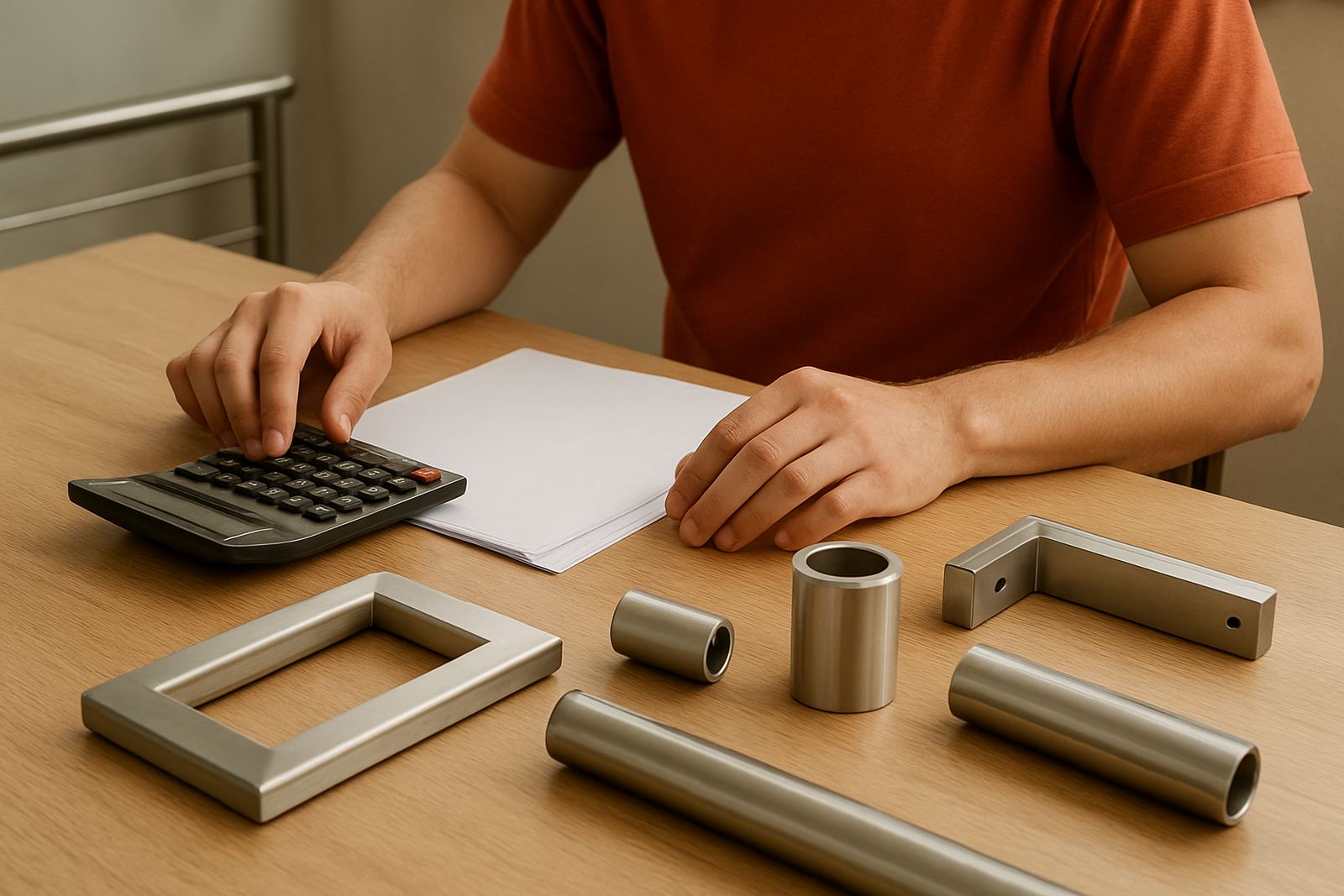
A proper budget works best when it is broken into parts. This helps you set aside money before fabrication starts and it also shows where you can save without cutting quality. For example, you may choose a simpler handrail profile, but still keep the same fixing method and safety standard.
Use this checklist when planning the spend:
- Site measuring and photos
- Shop drawings or approval sketches
- Fabrication in the workshop
- Surface finishing and clean-up
- Delivery and transport to site
- Onsite installation and final alignment
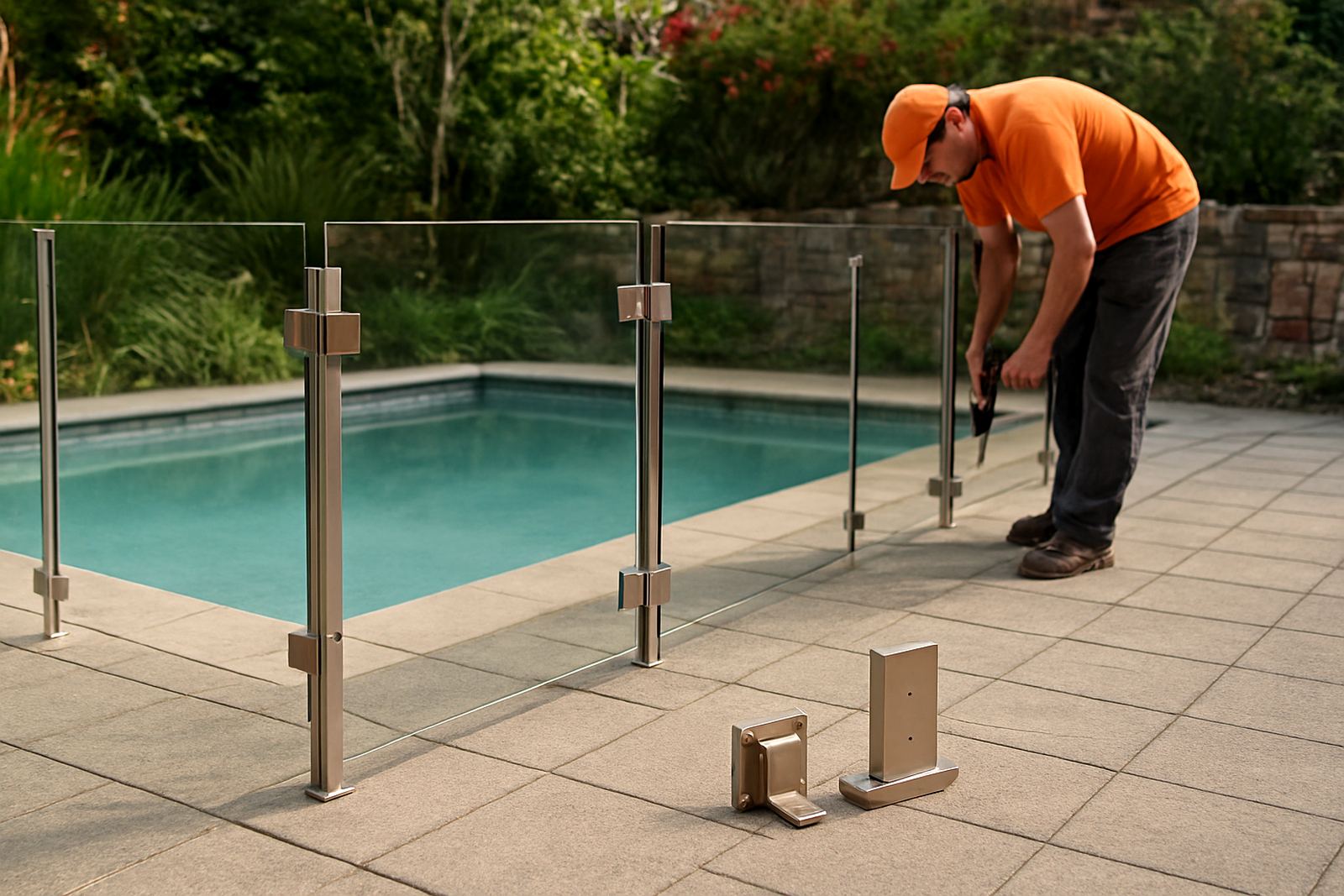
- Glass fitment or hardware fitment if needed
- Any touch-up work or minor site adjustments
When all eight items are costed, it becomes much easier to see where the money goes and where a separte line item may be needed for extra work.
Plan for Site Conditions in the Garden Route
Local conditions change the budget more than many people expect. In Knysna, Sedgefield and Plettenberg Bay, moisture and salt in the air can affect both the material choice and how the work is finished. In winter, wet surfaces and load-shedding can also slow site work, especially where power tools or welding equipment are needed.
Site access can catch people out, especially on steep erven, narrow driveways or upper balconies. If the team has to carry long lengths of stainless by hand, or work around finished flooring and garden features, budget for extra labour time and protection of the surrounding area.
If the job is for a marina, holiday home or rental unit, ask for a maintenance plan too. A small allowance for regular checks is often cheaper than replacing fittings after a season of neglect.
Ask for a Quote That Breaks Out Labour and Materials
A clean quotation should show what is included and what is excluded. That makes it easier to compare a full supply-and-install price against a supply-only option. It also helps when a body corporate, architect or building manager wants to see where the money is going.
Ask each supplier to break out the main items in Rand values where possible. If a quote only gives one lump sum, it can hide extra charges for fasteners, welding consumables, site callouts or minor after-hours work. Clear pricing is especially useful on municipal projects or where the work needs sign-off before installation.
- Material supply
- Fabrication labour
- Installation labour
- Transport and callout costs
- Hardware, glass and finishes
- Maintenance or repair allowance
Build in a Practical Contingency Before Work Starts
Even well planned jobs need a buffer. A fair contingency protects you from hidden wall defects, uneven slabs, old anchors that fail on removal, or changes once the existing structure is opened up. For most custom stainless work, a small reserve is sensible so the project does not stall halfway through.
As a rule, keep some money aside for the things you only find once site work starts. That might include extra brackets, concrete repair, adjusted heights, or extra polishing after installation. If the budget is tight, say so early. The team can often suggest a simpler detail that still gives a clean result and meets the use case.
For home owners, contractors and small business owners in Knysna and the wider Garden Route, the best budget is the one that covers the real job, not the hoped-for version. A realistic figure gives you fewer shocks and a better finish at the end.