Start With The Area It Must Serve
Before you ask for prices, be clear on where the handrail will go and how it will be used. A staircase in a guest house, a sloped driveway ramp, and a narrow passage outside offices all need different detailing. In Knysna and along the coast, salt in the air, moisture and regular rain can affect how fittings age, so the location matters as much as the size.
We usually begin with a site measure and a quick look at the route people will take. That helps to confirm if the rail is for one side or both sides, whether there is a landing, and if it needs to work around walls, columns, steps or glass panels. If the handrail is for public use, it should also suit steady traffic and be easy to clean.
- Stairs: check rise, going and landing widths
- Ramps: confirm slope, turning points and edge protection
- Passages: measure clear walking space and wall fixing points
- Outdoor areas: note weather exposure and splash zones
Measure Height, Reach And Clear Space
Good handrails are easy to grip without crowding the walkway. If they sit too close to a wall, hands knock against the surface and the rail becomes uncomfortable. If they sit too far out, they can catch bags, sleeves or trolley handles. Height matters too, because a rail that is too low gives poor support, while one that is too high feels awkward on steps.
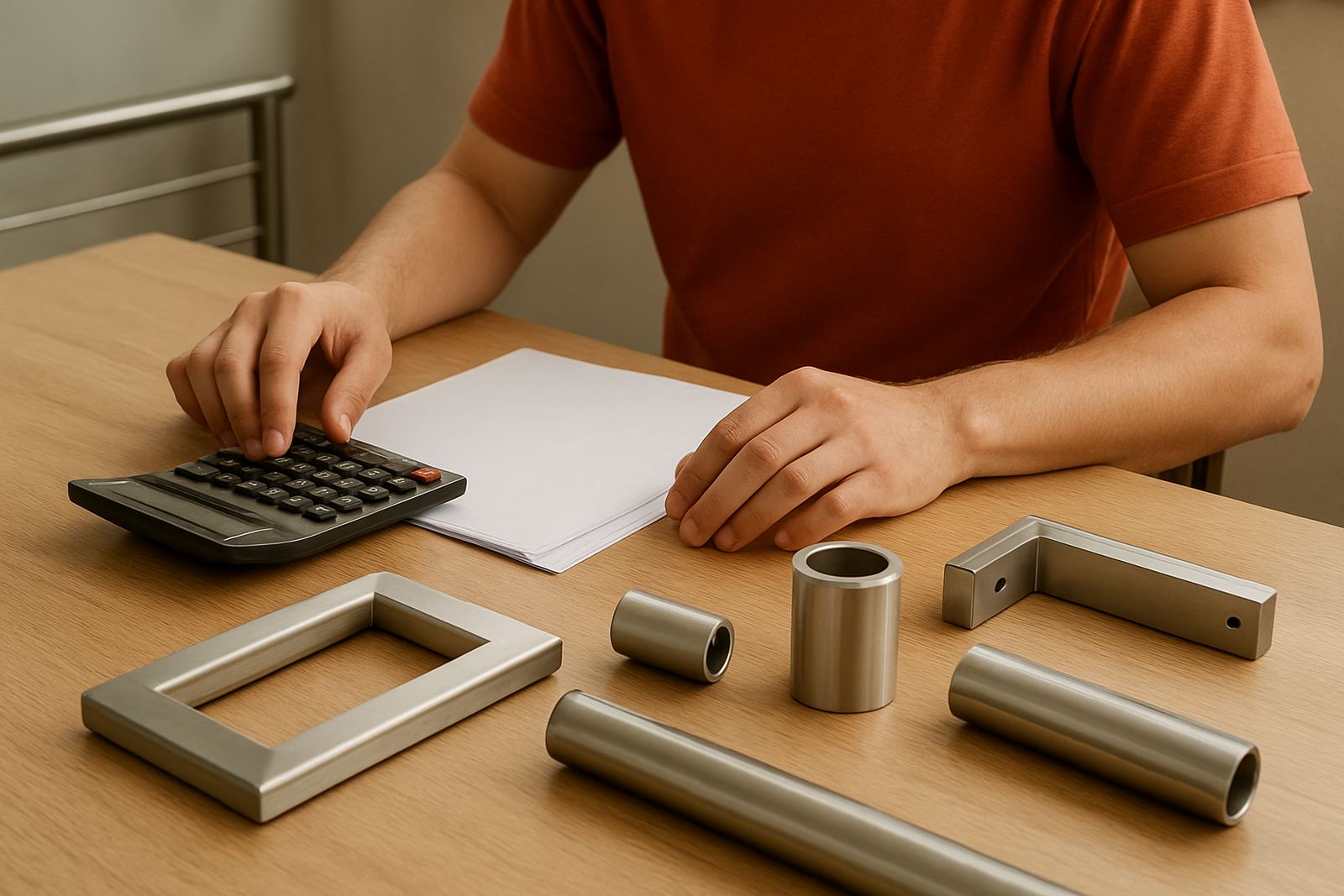
For stairs and ramps, the line of the rail should follow the route cleanly and remain consistent from start to finish. Where there are turns or landings, the handrail should continue in a way that feels natural. Ask for a proper shop drawing before fabrication so you can confirm the positions, post centres and returns. That saves time later and avoids site changes.
- Check the finished height at the start and end of the run
- Allow enough gap from the wall for a firm grip
- Confirm post spacing so the rail does not flex
- Look at the full route, not only the straight section
Choose The Right Stainless Grade And Finish
Not all stainless steel performs the same way. For coastal work in places like Knysna, Sedgefield, Wilderness and Plettenberg Bay, the finish and grade need proper attention because humidity and salt can mark untreated surfaces over time. A handrail near the sea, pool or marine area should be specified with care so it stays presentable and easier to maintain.
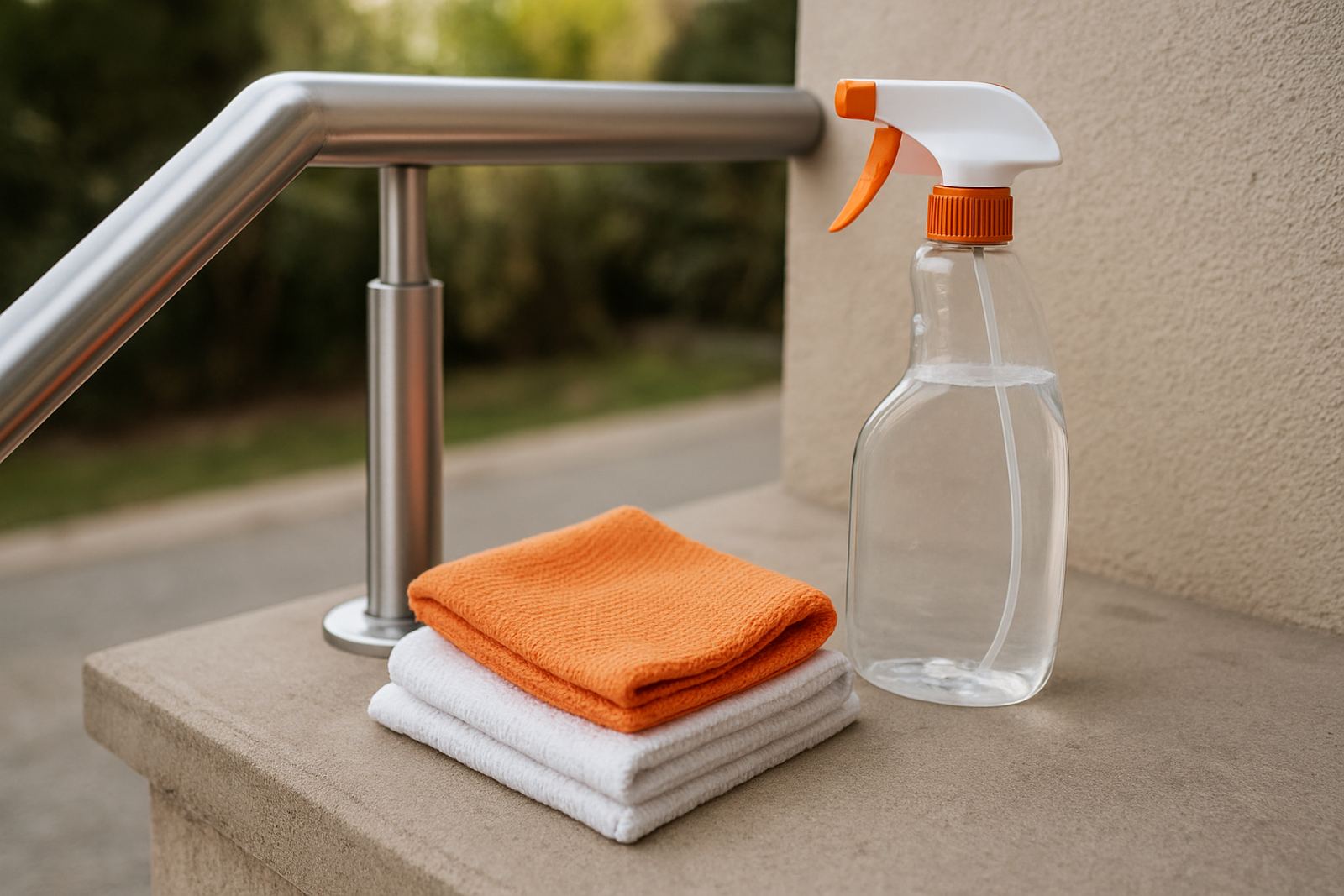
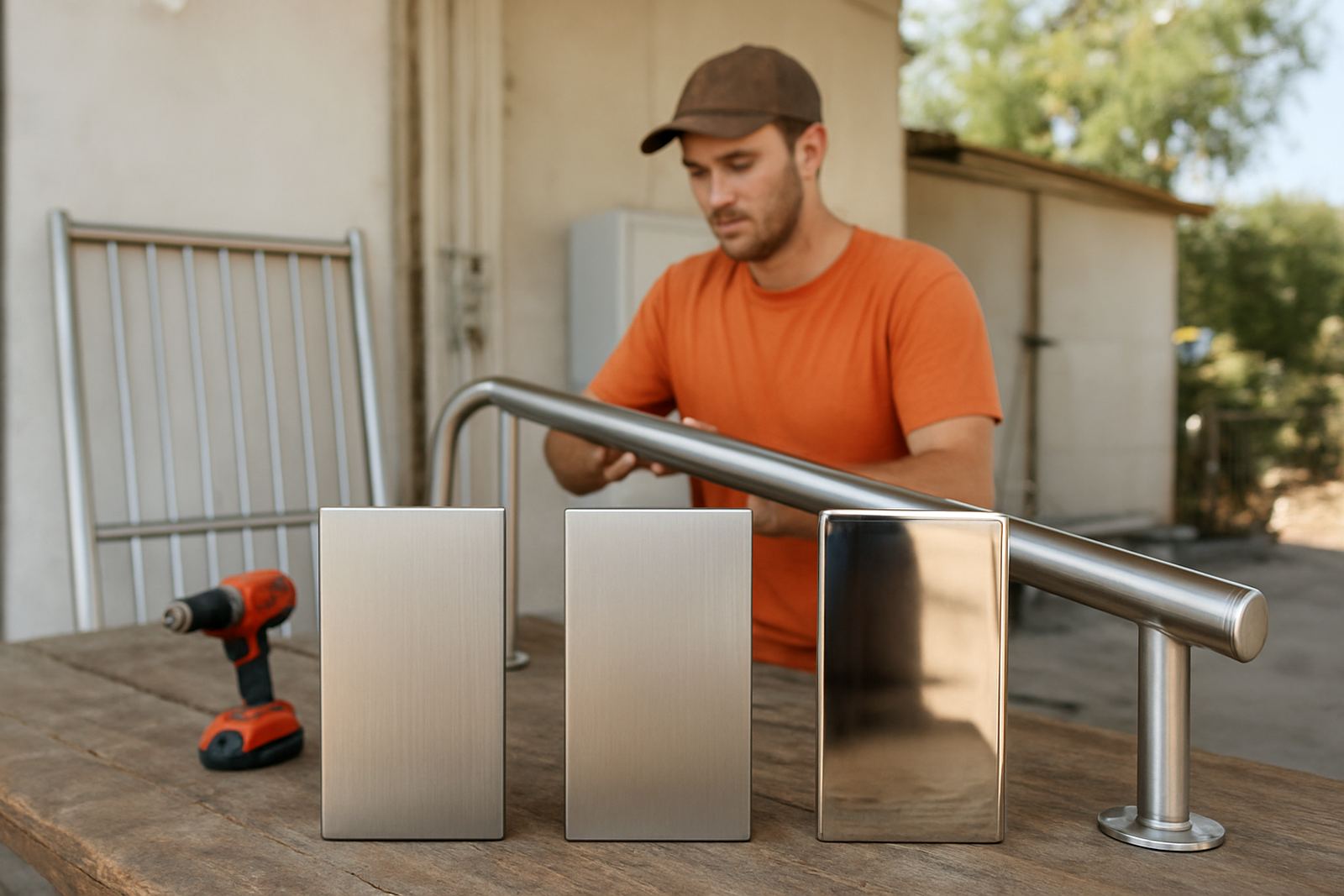
The finish also changes how the rail feels and how often it needs cleaning. A polished surface can suit a feature staircase, while a brushed finish can be more forgiving in busy areas because it shows fingerprints less. If the handrail will be handled by many people, practical upkeep should be part of the decision, not an afterthought.
- Ask which grade suits coastal conditions
- Choose a finish that matches cleaning effort
- Consider whether the rail will face direct rain or salt spray
- Match the finish to nearby doors, balustrades or fittings
Compare Fixing Methods And Support Details
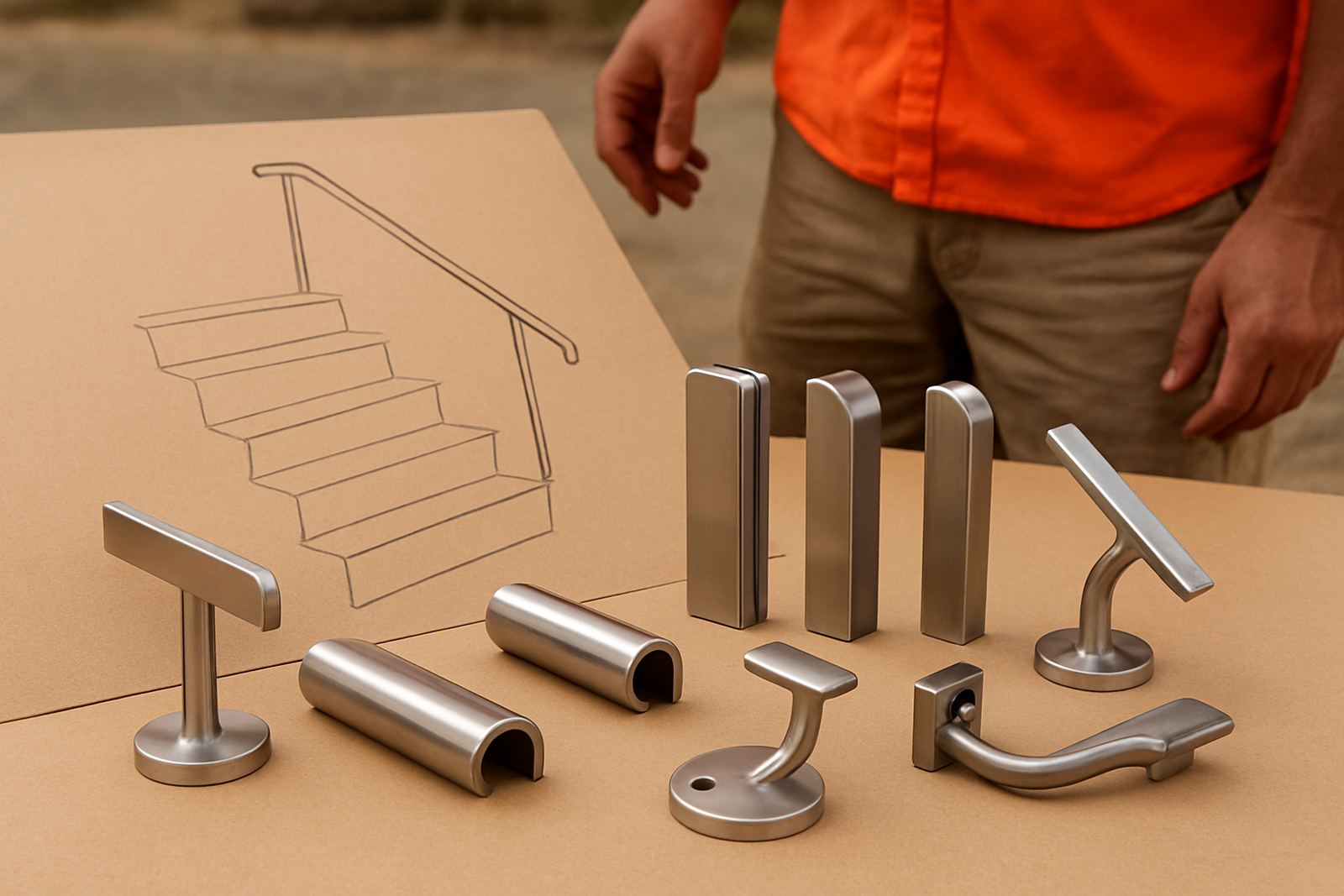
A handrail is only as sound as the way it is fixed. On concrete stairs, the supports may be anchored directly into the slab. On tiled steps or existing structures, the fixing method has to protect the surface and still hold securely. If there is a hollow wall, weak edge or uneven substrate, the solution may need extra backing or a different post layout.
When comparing quotes, ask what is included in the fixing detail. Some suppliers price the rail but leave out the anchor material, end returns, wall brackets or patching after installation. It is better to compare the full scope so the final cost is clear. A proper installer should also check for hidden services, cracks or movement before drilling.
- Ask if fixing material is included
- Confirm whether the rail is wall-mounted, post-mounted or both
- Check how corners, ends and joins are handled
- Make sure the installer can work around tiles, waterproofing and finishes
Decide What Extras You Need Now And Later
Some handrails are simple support rails, while others need added details. For example, stairs may need a second rail on the opposite side, while ramps may need a continuous run with no awkward breaks. In some buildings, the handrail forms part of a larger stainless package with gates, balustrades or glass panels, so the look and fixing pattern should stay consistent.
It is worth deciding early if you want gate hardware fitment, glass fitment, or custom brackets included in the same job. Doing the work together often saves time because the site only needs one measuring visit and one installation schedule. It also helps when the building is occupied and access must be managed carefully. If the job is phased, make sure future additions will still line up with the first stage.
- Single rail or double rail
- Wall-mounted or free-standing
- Plain support rail or decorative feature rail
- Integrated with balustrades, gates or glass
Ask For A Clear Process From Measure To Hand-Over
A good handrail job should follow a simple process: site measuring, shop drawings, fabrication, installation and final checks. If any of these steps are skipped, small errors can show up later in uneven returns, poor alignment or loose fittings. That is why it helps to deal with a workshop that can measure, fabricate and install rather than passing the job between different teams.
At hand-over, the installer should check that the rail is level where it should be, fixed tight, and free of sharp edges. You should also get advice on cleaning and maintenance, especially for homes or businesses close to the coast. If you are ordering multiple sections, label them clearly so repairs or future extensions are easier. A little planning now avoids call-backs later, especially during load-shedding when site time is often tighter than expected.
When comparing suppliers, ask who is responsible if a section does not fit first time. It is a fair question and one that can save a lot of frustration.
Use This Short Ordering Checklist
Before you approve a handrail quote, make sure the basics are covered. If the supplier can answer these points clearly, you are more likely to get a rail that fits well and lasts.
- Exact site address and access details
- Length of each run and number of bends
- Stair, ramp or passage measurements
- Preferred finish and cleaning expectations
- Fixing surface type, such as concrete, brick or tile
- Any nearby glass, gates, posts or walls
- Installation date and whether the area must stay open
If you are unsure about any of these items, ask for a site visit first. That small step can prevent delays and rework, and it makes the final handrail better suited to the building it serves.