Start with the renovation sequence, not the last fitting
When a home or lodge is being upgraded, stainless work should be planned early. That means before tilers finish steps, before balcony edges are sealed, and before a gate opening is plastered closed or widened. If the railing position or gate swing is decided too late, the job usually needs extra cutting, patching or rework.
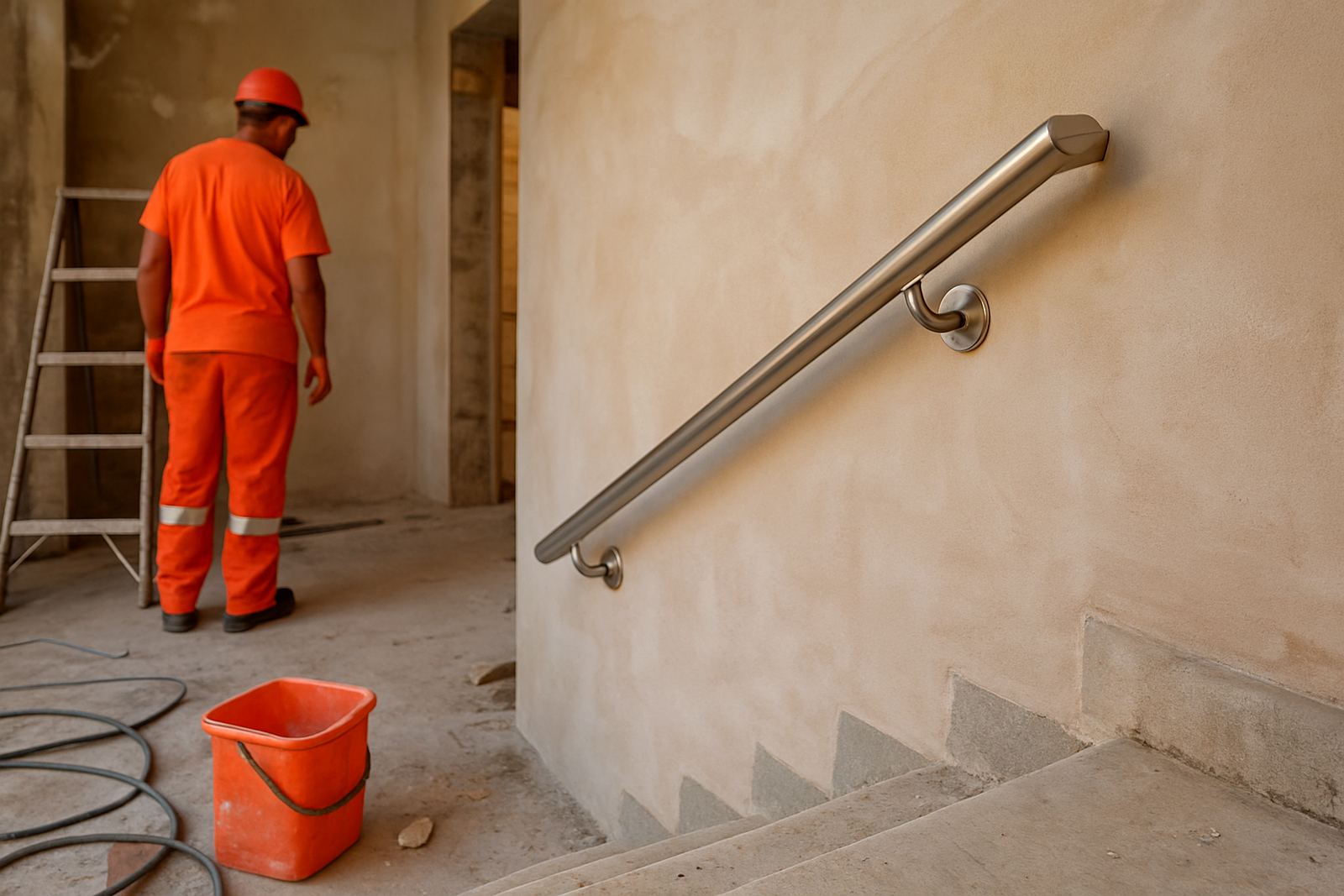
For a normal renovation, we first look at the structure, the fall of the ground, and how people will move through the space. A front stair rail at a holiday home in Sedgefield is not the same as a pool safety rail in Wilderness or a service gate at a guest house in Plettenberg Bay. The fixing points, height and access all need to suit the actual use.
- Mark where floors, stairs and walls will finish, not where they sit during building work.
- Leave access for drilling, welding and final tightening after paint and paving.
- Check if the gate must clear vehicle mirrors, wheelie bins or a narrow passage.
- Allow time for measuring before the last coat of paint or final sealant goes on.
Choose the right stainless for Knysna conditions
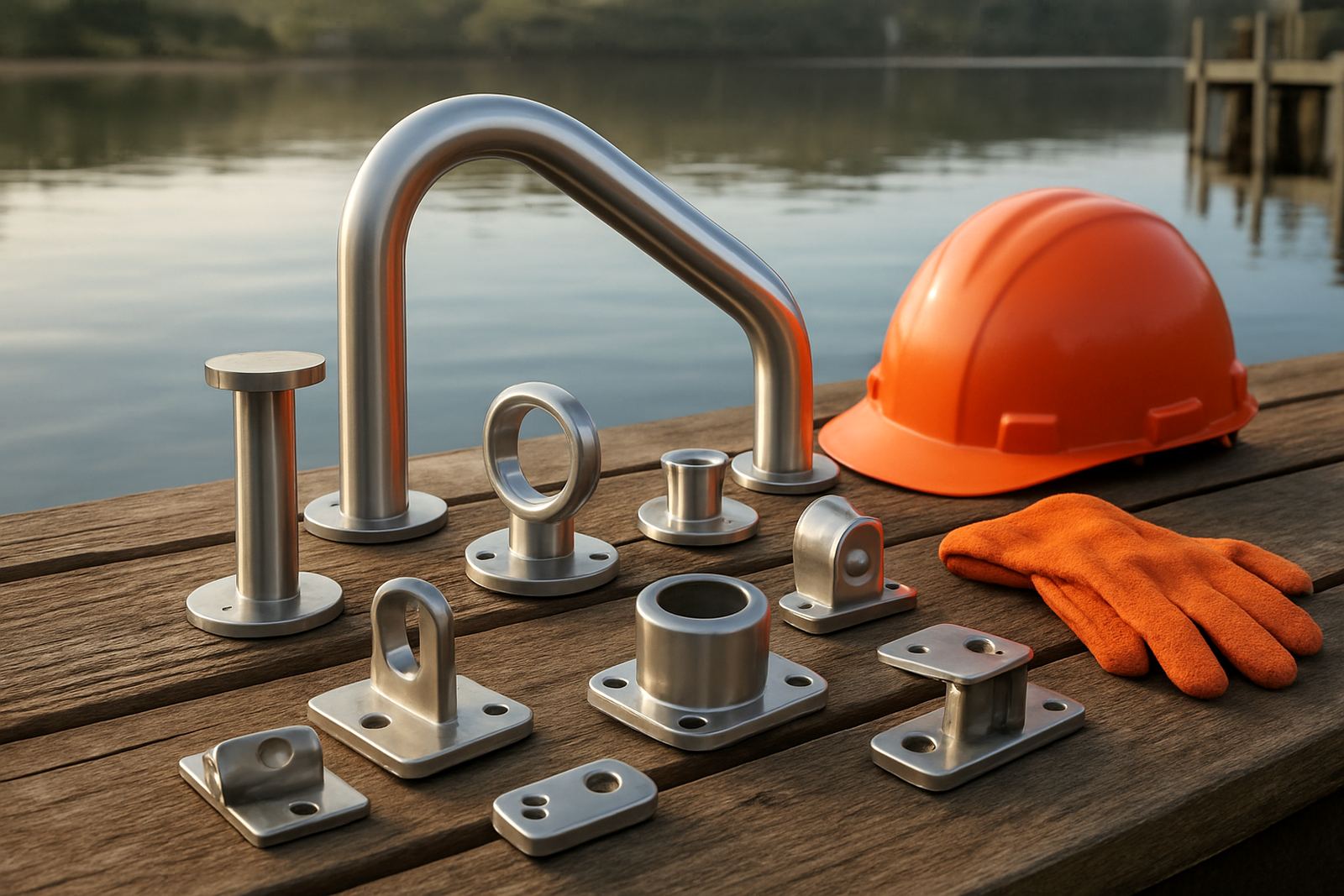
In coastal towns like Knysna, George and Mossel Bay, the environment matters. Salt air, rain and damp shade can mark lower-grade fittings over time, especially on exposed balconies, pool areas and external gates. For that reason, the grade of stainless, the tube thickness and the fixings all need to match the site.
For covered patios or inside staircases, a neat rail system with good finish may be enough. For sea-facing homes, lodges near the lagoon, or properties that get regular holiday use, we look more closely at corrosion resistance, drainage around the base plates, and whether the design will trap water. A good layout should be simple to clean too, because dust and salt build up fast here.
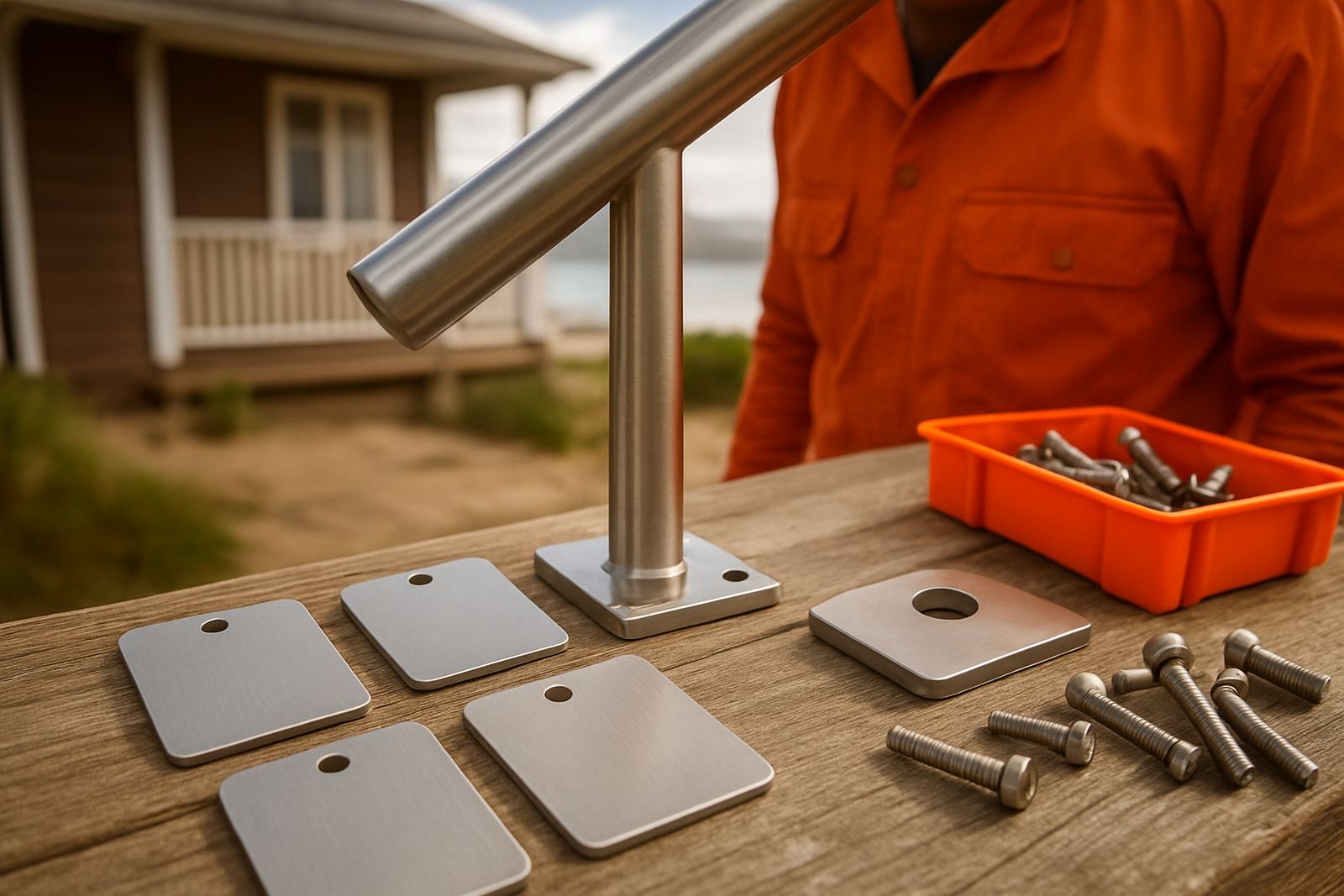
- Use quality fasteners that suit the same exposure level as the rail or gate.
- Avoid deep pockets and flat ledges where water can sit after rain.
- Plan for cleaning access around posts, hinges and wall returns.
- For lodge work, choose details that can handle frequent use and guest turnover.
Measure properly before cutting or drilling
Correct measuring saves time and keeps the renovation moving. We measure the opening, wall thickness, floor levels, landing edges and any nearby services before fabrication starts. That includes checking if a gate must be made to fit an uneven driveway, or if a handrail must follow old brickwork that is not perfectly straight.
This stage is also where we confirm the practical details. Where will the latch sit? Will a balustrade need a glass panel section? Does the client want a top rail for children or a cleaner open look? These choices affect both safety and appearance. If the house is occupied during the work, we also plan for safe temporary access so the family or lodge staff can keep using the space.
- Measure at more than one point, especially on old buildings.
- Check levels for steps, ramps and slopes before shop drawings are approved.
- Confirm opening direction on gates and whether a lockset is required.
- Note nearby power points, cables and plumbing before drilling begins.
Match the design to the use of the property
A family home, guest house and holiday lodge do not need the same solution. A front gate for a private home may be mainly about security and neat street appeal. A guest lodge may need controlled access, stronger hinges, a wider swing and a finish that keeps looking good with high foot traffic. Pool rails, stair rails and balcony balustrades also need to suit the way the space is used every day.
For commercial or visitor properties, we often keep the design practical so maintenance stays low. Straight lines are easier to clean and easier to inspect. Where children will use the area, the spacing and height need careful attention. If the renovation includes glass, the frame and clips must be set out correctly from the start so there is no adjustment later. This is where a clear shop drawing helps everyone understand the final result.
- Decide whether the priority is security, safety, privacy or appearance.
- For lodges, ask how many people will use the gate or rail in a busy week.
- Keep cleaning and maintenance in mind, especially near pools and sea air.
- Allow for future access if another renovation stage is planned later.
Allow time for fabrication, fitment and finishing
Once measurements are approved, the workshop side can begin. Fabrication time depends on the number of posts, infill panels, bends, hinges and any custom parts needed. A simple stair rail is quicker than a full set of balcony balustrades with a matching gate, but both still need accurate setting out and careful finishing. If the renovation has a tight schedule, it helps to book the work early rather than leaving it for the last week.
Onsite installation needs a clear run of access, especially on properties with narrow side passages, shared driveways or guest movement. In some cases, the work is split into stages so one team can measure, another can fabricate, and the installation crew can return once the building work is ready. That keeps the renovation on track and reduces delays from trades stepping on one anothers work. It also helps when load-shedding affects site timing, because the plan can be adjusted around power availability.
- Book measuring before plaster repairs are final.
- Keep one contact person on site to answer fitment questions.
- Allow extra time if the opening needs structural correction first.
- Confirm final finishing, clean-up and handover before the last phase of renovation closes out.
Use a simple checklist before handover
Before the renovation is signed off, walk through the work carefully. Open and close every gate. Check that handrails feel firm and sit at the right height. Look for sharp edges, loose fixings, rubbing points and places where water may collect. On coastal properties, it is worth checking the installation again after the first heavy rain, because small movement can show up once the site settles.
For homeowners and lodge managers, a short maintenance routine is enough to keep the work in good shape. Wash salt and dust off exposed areas, inspect hinges and locks now and then, and report any movement early. A small repair handled quickly is usually easier than waiting until a panel is bent or a latch has failed.
- Check alignment, fixing strength and gate swing.
- Make sure glass fitment, if used, is secure and clean.
- Confirm the finish is even and there are no sharp edges.
- Record the installer contact and the date for future maintenance checks.