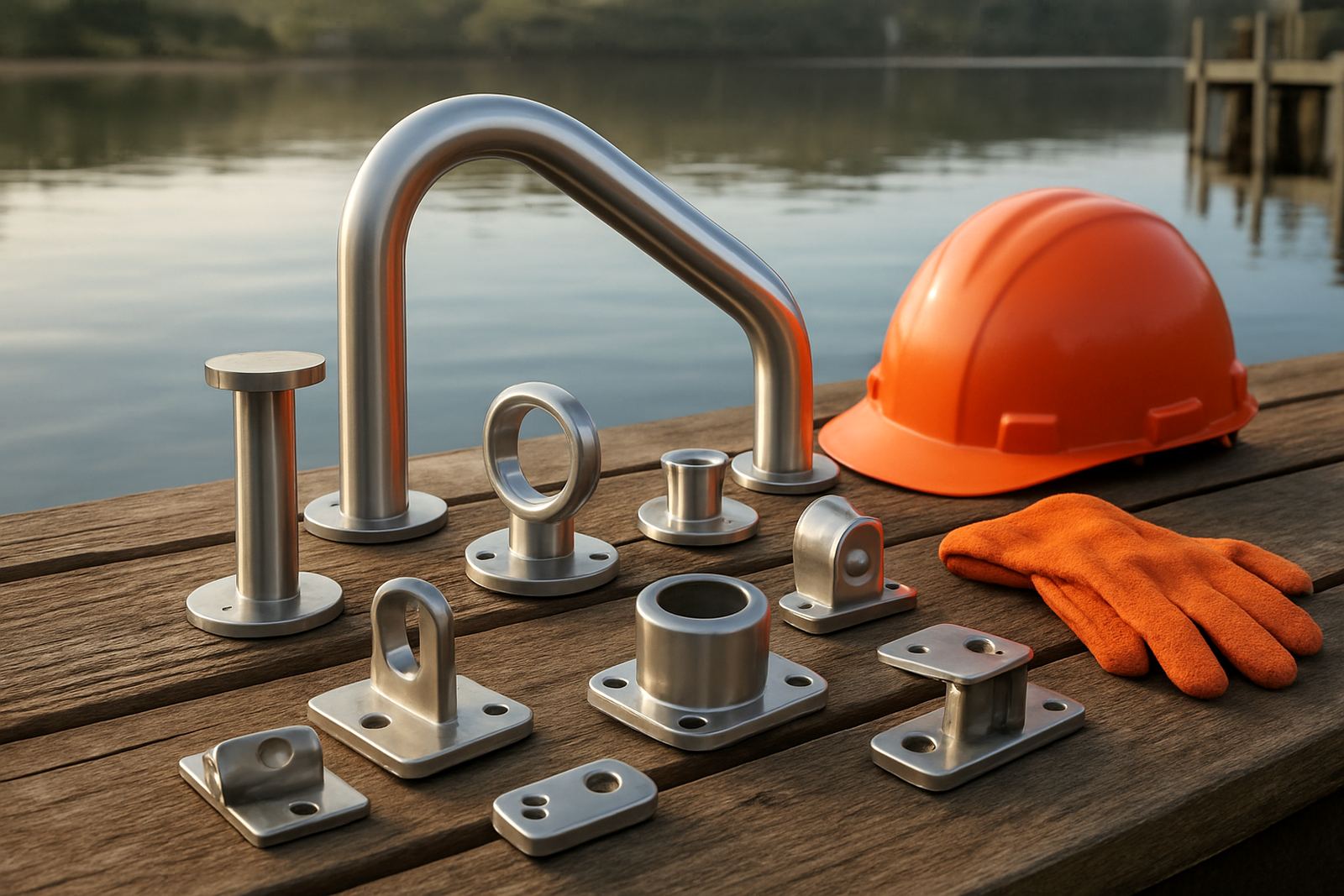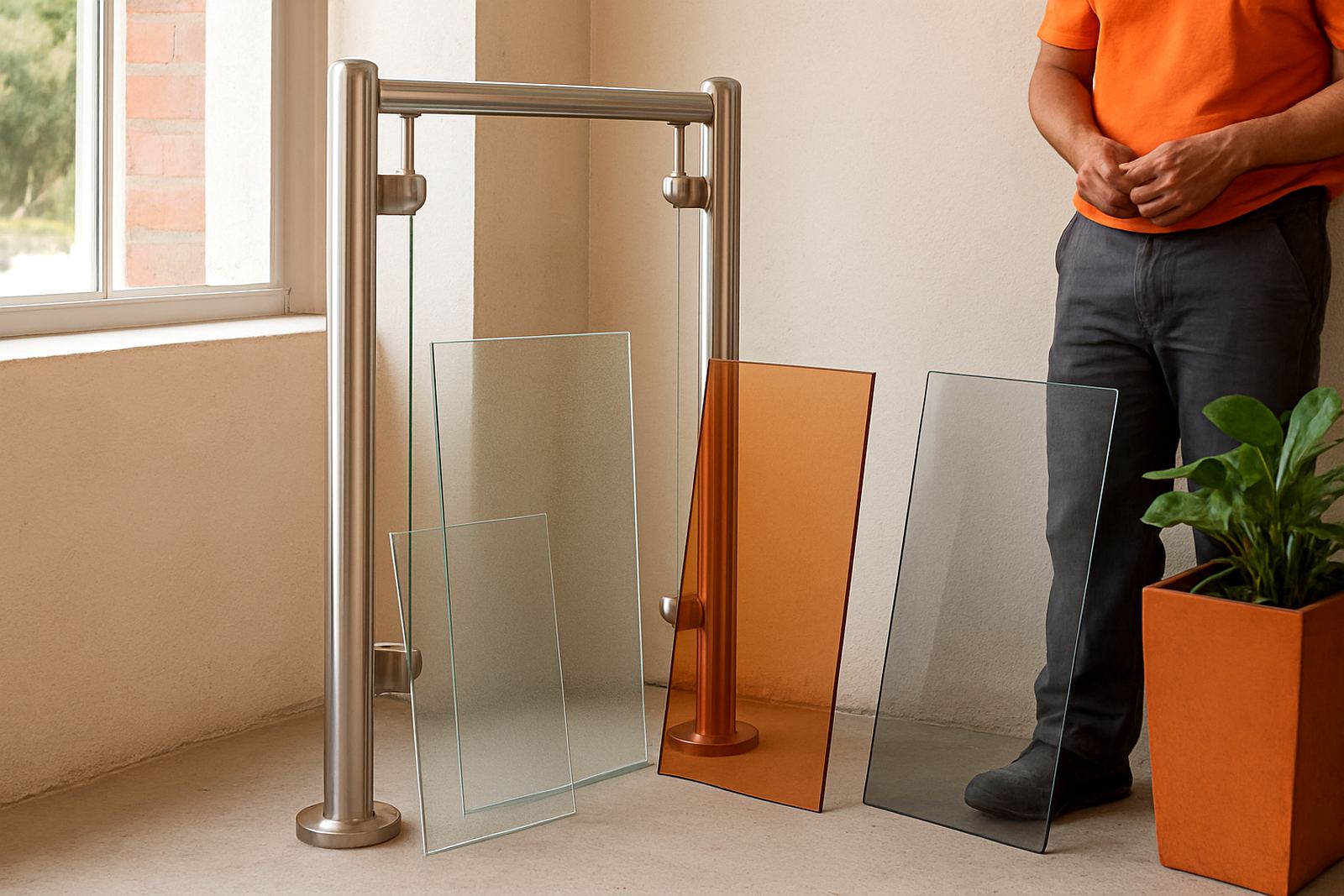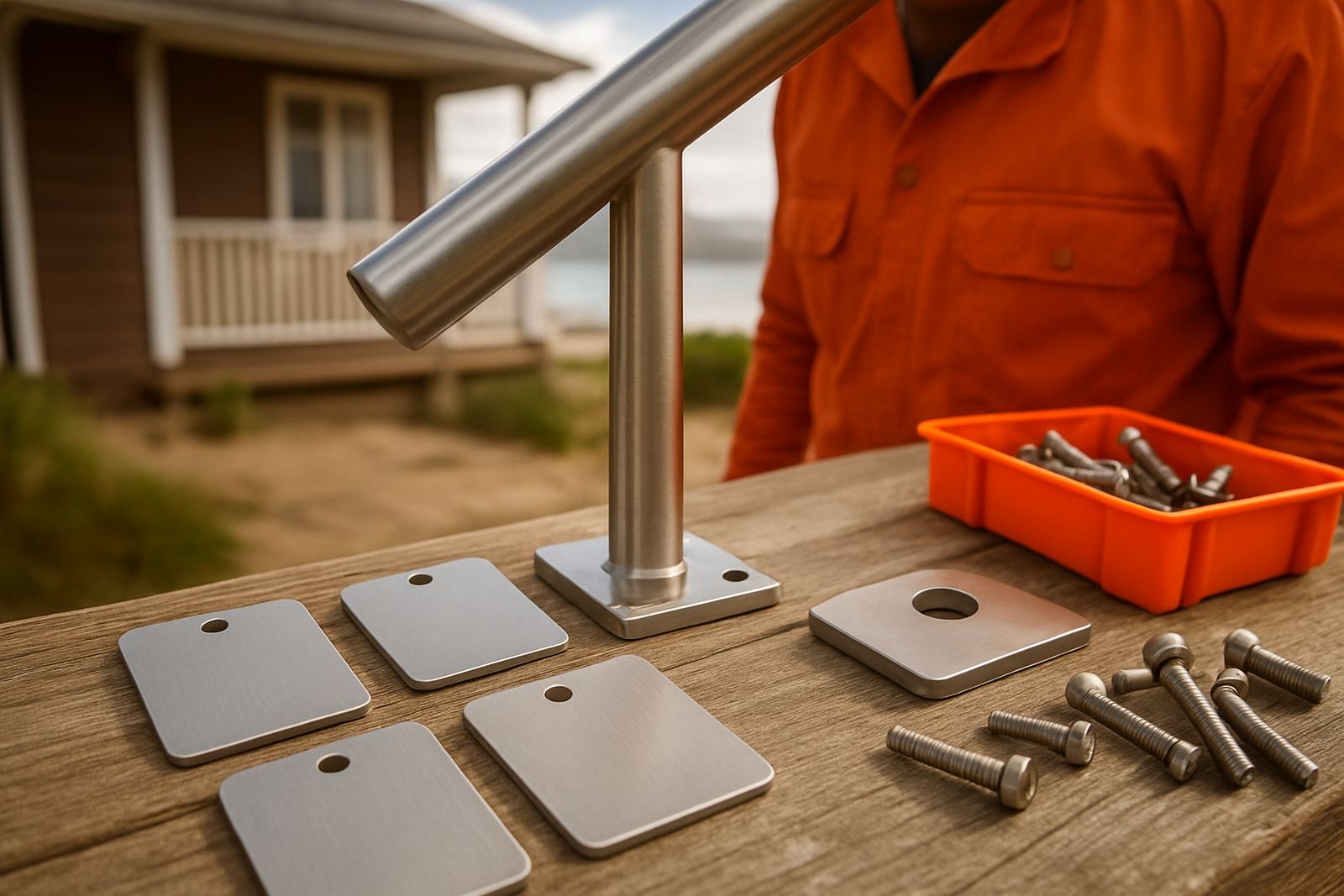
Start with the setting before you choose a finish
The right finish depends first on where the item will live. A balustrade inside a protected stairwell in Knysna needs a different approach from a gate facing salt air in Sedgefield or a handrail exposed to wind and spray near the coast. Sun, rain, fingerprints and regular cleaning all play a part.
We usually ask three questions at the start: will it be handled often, will it see direct weather, and does it need to match other fittings already on site? A finish that looks good in a showroom can look tired quickly if it is installed near the sea and left without a sensible maintenance plan.
- High-traffic areas: choose a finish that hides marks well.
- Coastal sites: allow for more cleaning and inspection.
- Mixed-material projects: check how the finish sits beside glass, timber or powder coated steel.
Brushed finish for practical everyday use
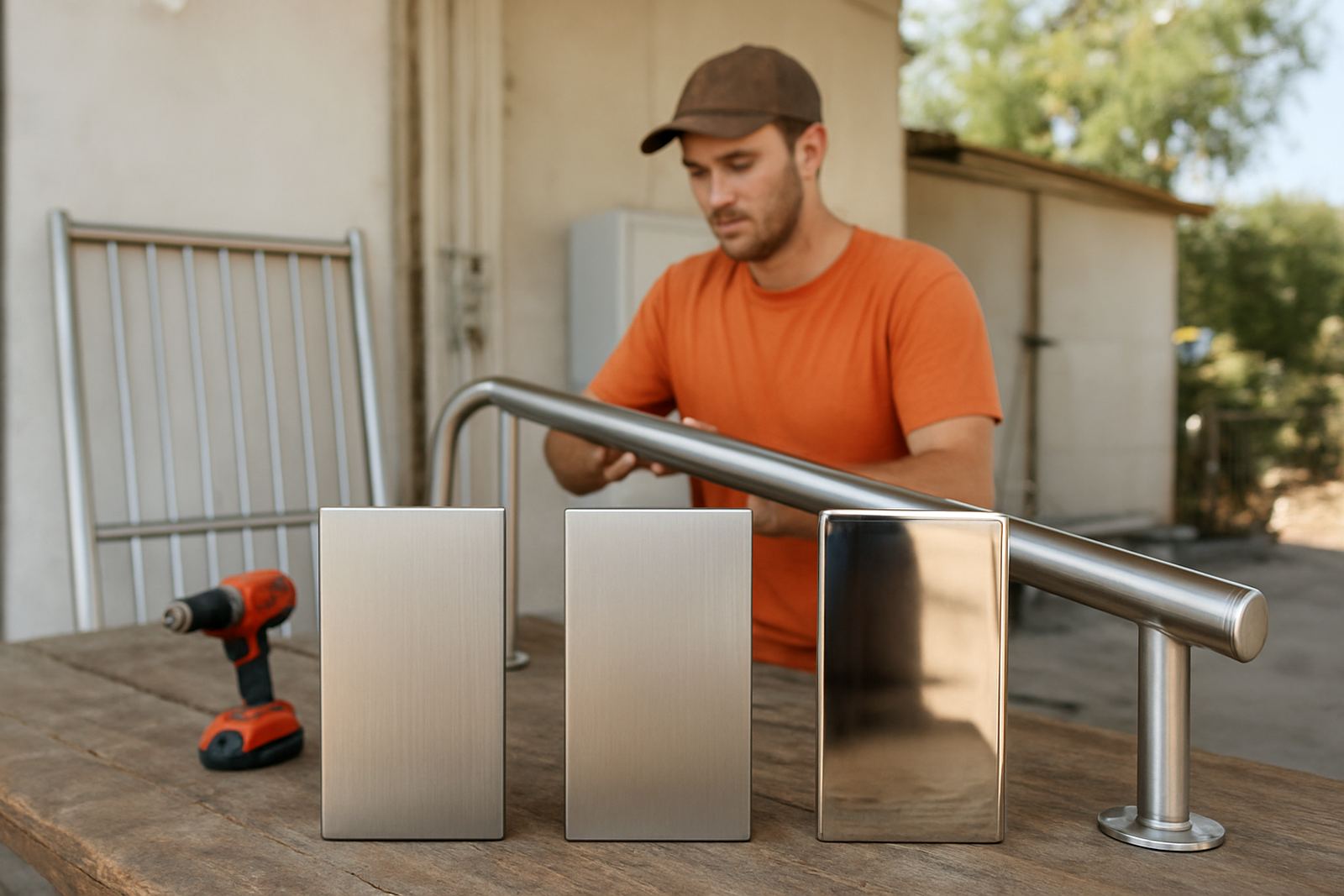
Brushed stainless has a linear grain that softens reflections and is usually the safer choice for handrails, balustrades and gate frames that get touched often. It suits busy homes, guest houses and commercial entrances where you want a clean look without showing every fingerprint.
It is also easier to live with in bright sunlight because it does not throw back as much glare. On the Garden Route this matters on west-facing verandas and staircases with strong afternoon light. Brushed finishes can however show scratches if they are cleaned with harsh pads or handled with dirty tools, so the maintenance team should know what to avoid.
- Good for handrails, balustrades and public access points.
- Better at hiding small marks and daily wear.
- Needs gentle cleaning with non-abrasive cloths.
Polished finish when appearance comes first
Polished stainless gives a brighter, more reflective appearance. It is often chosen for feature pieces, marine fitouts, decorative trim and projects where the client wants a cleaner, sharper visual effect. It can look excellent when paired with glass and well finished hardware.
There is a trade-off. Polished surfaces show fingerprints, water spots and salt residue more readily than brushed surfaces, so they work best where regular wiping is part of the routine. On a coastal property in Plettenberg Bay or Wilderness, a polished finish should be selected with realistic expectations about cleaning. If the item is going into a space with low maintenance access, think twice before going fully polished.
- Best for decorative parts and feature installations.
- Shows fingerprints and water spots more easily.
- Needs a consistent cleaning routine to keep its shine.
Mixed finishes for better function and better value
Mixed finishes are common on custom projects because not every part of the item needs the same treatment. A gate may have brushed structural members with polished detail strips, or a balustrade may use polished top rails and brushed posts. This approach can balance appearance, grip and maintenance.
It also helps with cost control. You can reserve the higher finish for the parts people notice most and use the more practical finish where there is constant handling or where dirt tends to collect. For many Garden Route homes and businesses this is the most sensible option, especially when the project must stay within a set budget but still look finished.
- Use polished where it catches the eye.
- Use brushed where hands, dust and weather do the most damage.
- Keep the whole design consistent so it does not look pieced together.
A simple selection checklist before fabrication starts
Before any stainless is cut or welded, the finish should be agreed in writing and matched to the use of the item. That avoids confusion later when a client expects a bright polished look but receives a satin brushed surface. Clear decisions also help with quoting, because different finishes can affect labour time and final detailing.
We normally confirm site conditions, cleaning access and how the finished item will be fixed in place. If the project includes glass fitment, gate hardware or marine fittings, the finish must be considered alongside the other materials so that the final result looks balanced.
- Confirm the exact area of installation.
- Decide who will clean and maintain the item.
- Check whether the item is exposed to salt air or standing moisture.
- Agree on finish samples before fabrication if the project is visible or high value.
- Make sure the finish suits the surrounding timber, glass or paint colours.
Cleaning and maintenance for coastal conditions
In coastal towns like Knysna, George and Mossel Bay, finish choice and maintenance go together. Even the best stainless work benefits from regular cleaning, especially where sea air leaves a fine film on the surface. A simple wipe-down with clean water and a soft cloth often makes the biggest difference.
Avoid steel wool, abrasive powders and rough scouring pads. They can mark the surface and spoil the finish. For gates and handrails near paving or garden irrigation, rinse off dirt and fertiliser splashes before they sit on the metal. If a project is neglected for months at a time, even good stainless can start looking dull or patchy.
- Wash with clean water and a mild detergent when needed.
- Dry the surface after cleaning to reduce spotting.
- Check fasteners, welds and corners during routine maintenance checks.
- For repairs or surface restoration, deal with small issues before they become staining or pitting.
How we help you choose the right finish on site
Our team measures on site, prepares shop drawings and talks through finish options before fabrication starts. That helps make sure the item suits the property, the climate and the way it will be used. Whether the job is a balustrade in Knysna Industria, a handrail in Sedgefield or a gate installation in Plettenberg Bay, the aim is the same: a finish that looks right and holds up in use.
If you are unsure, we often recommend viewing a sample in the actual light where the item will be installed. Morning shade, afternoon sun and sea glare can all change how stainless looks. A finish that seemed bright in the workshop may feel too reflective at the final location, so it is worth checking before approval.
- Need help deciding? Ask for site measuring and finish advice together.
- For urgent projects, keep the choice simple and practical.
- For long term value, choose the finish you can maintain properly.