Start With A Simple Monthly Rinse
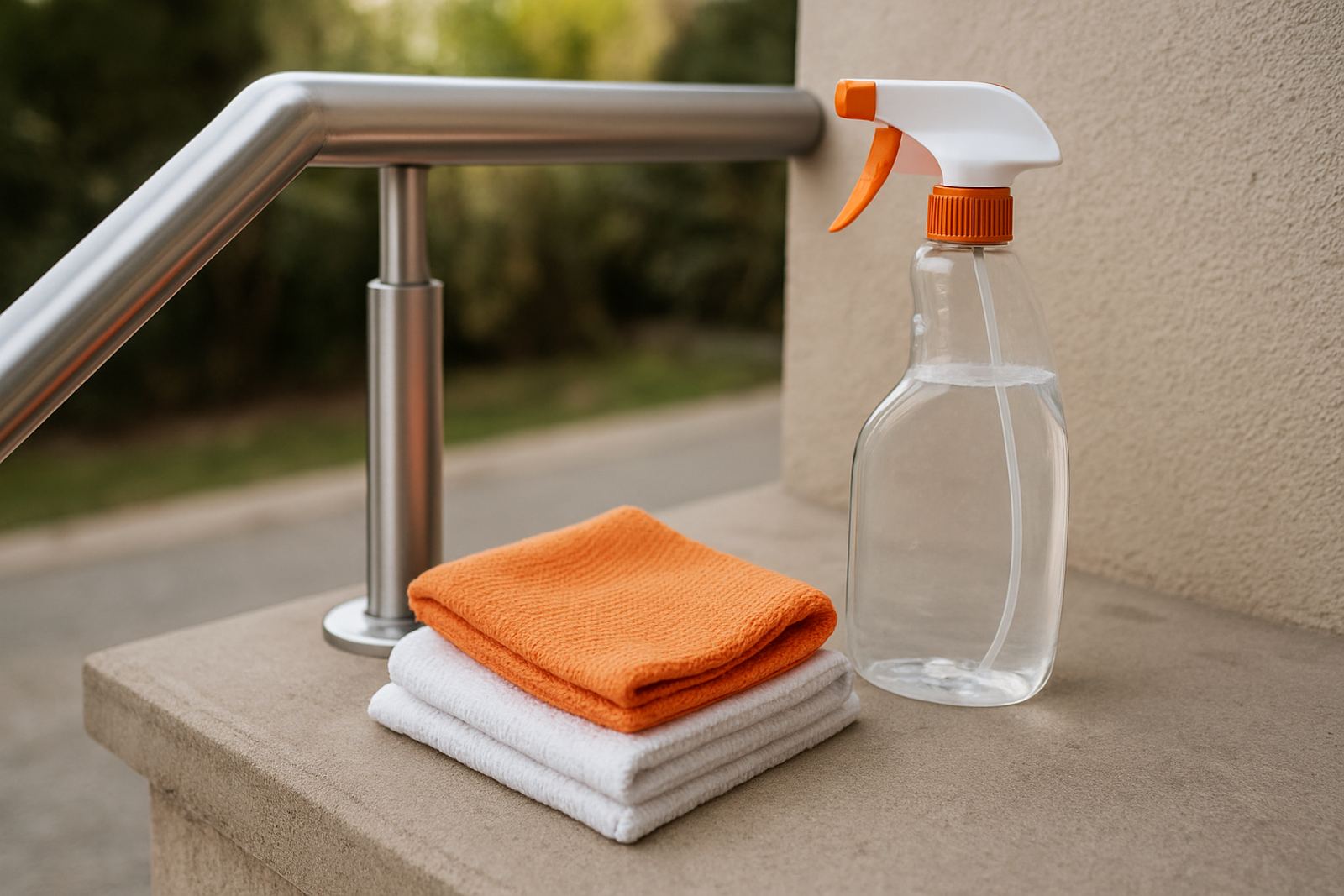
For most homes and businesses, a light wash once a month is enough to keep stainless in good condition. Use clean water, a soft cloth or sponge, and mild dish soap if there is grime on the surface. On coastal sites, especially near the lagoon or the sea, rinse more often because salt can sit on the metal and leave marks if it is left too long.
Always rinse from top to bottom so dirty water does not run across areas you have already cleaned. Dry the surface with a clean cloth if possible, especially on visible handrails, gates and balustrades. That small step helps stop water spots and streaking, and it is worth the extra few minutes.
What To Use And What To Avoid
Stainless does not need harsh chemicals. In fact, strong cleaners can damage the finish or leave a dull patch that is hard to fix later. For normal cleaning, keep it basic and use products that are safe for metal surfaces. If you are unsure, test a small hidden area first.
- Use warm water and mild soap for general cleaning.
- Use a soft microfibre cloth or non scratch sponge.
- Rinse well after cleaning so no soap film remains.
- Avoid steel wool, abrasive powders and hard scouring pads.
- Avoid pool chemicals, bleach and strong acids on exposed stainless.
If you are cleaning near a pool, braai area, or workshop where chemicals and dust collect, take extra care. A quick rinse after exposure can prevent staining before it starts.
Keep An Eye On Joints, Fixings And Welds
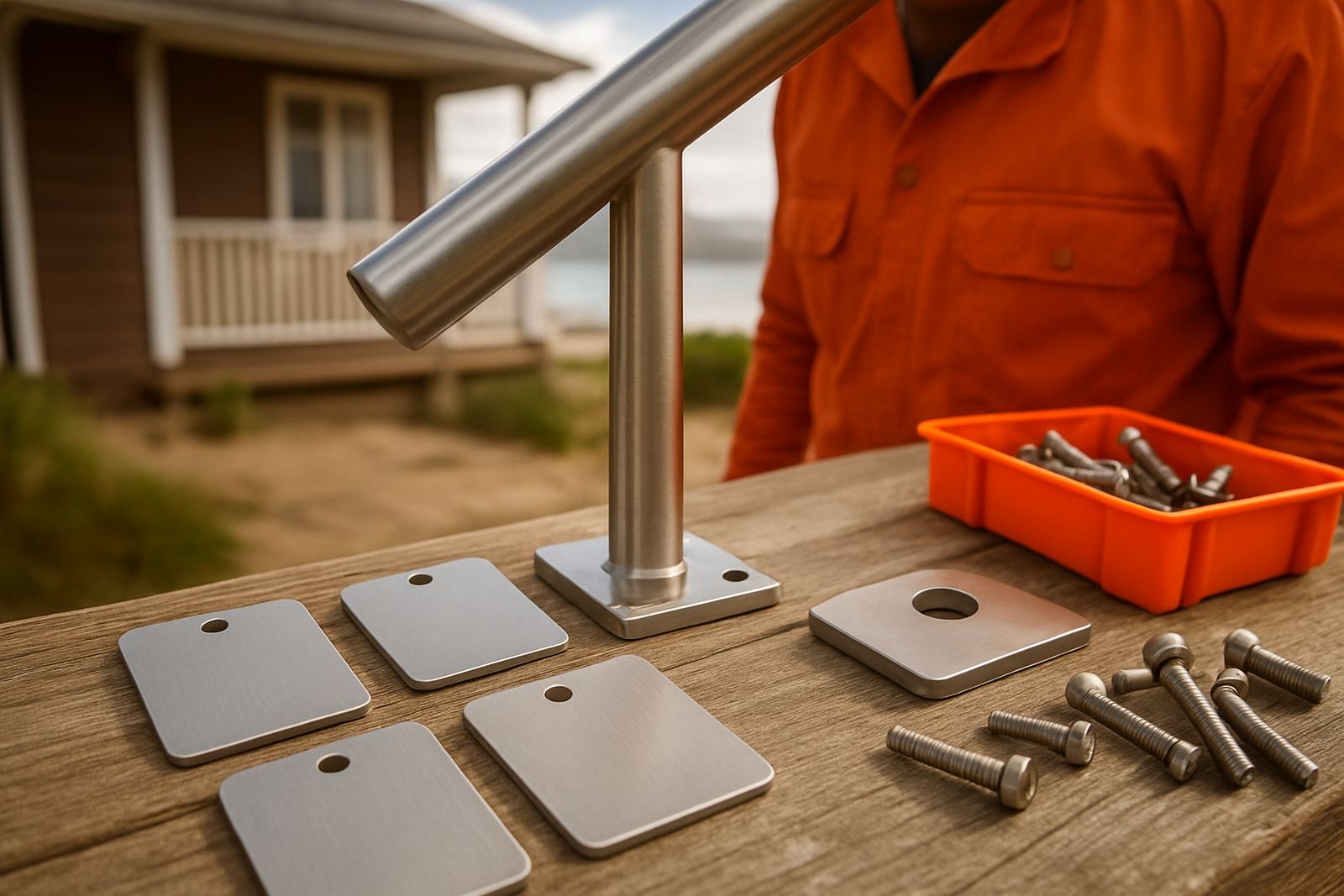
Cleaning is also a good time to inspect the installation. Check brackets, screws, gate hinges and welded joints for movement, rust from nearby mild steel parts, or marks that were not there before. Stainless parts can last well, but fittings around them may wear faster, especially where there is vibration from gates or traffic.
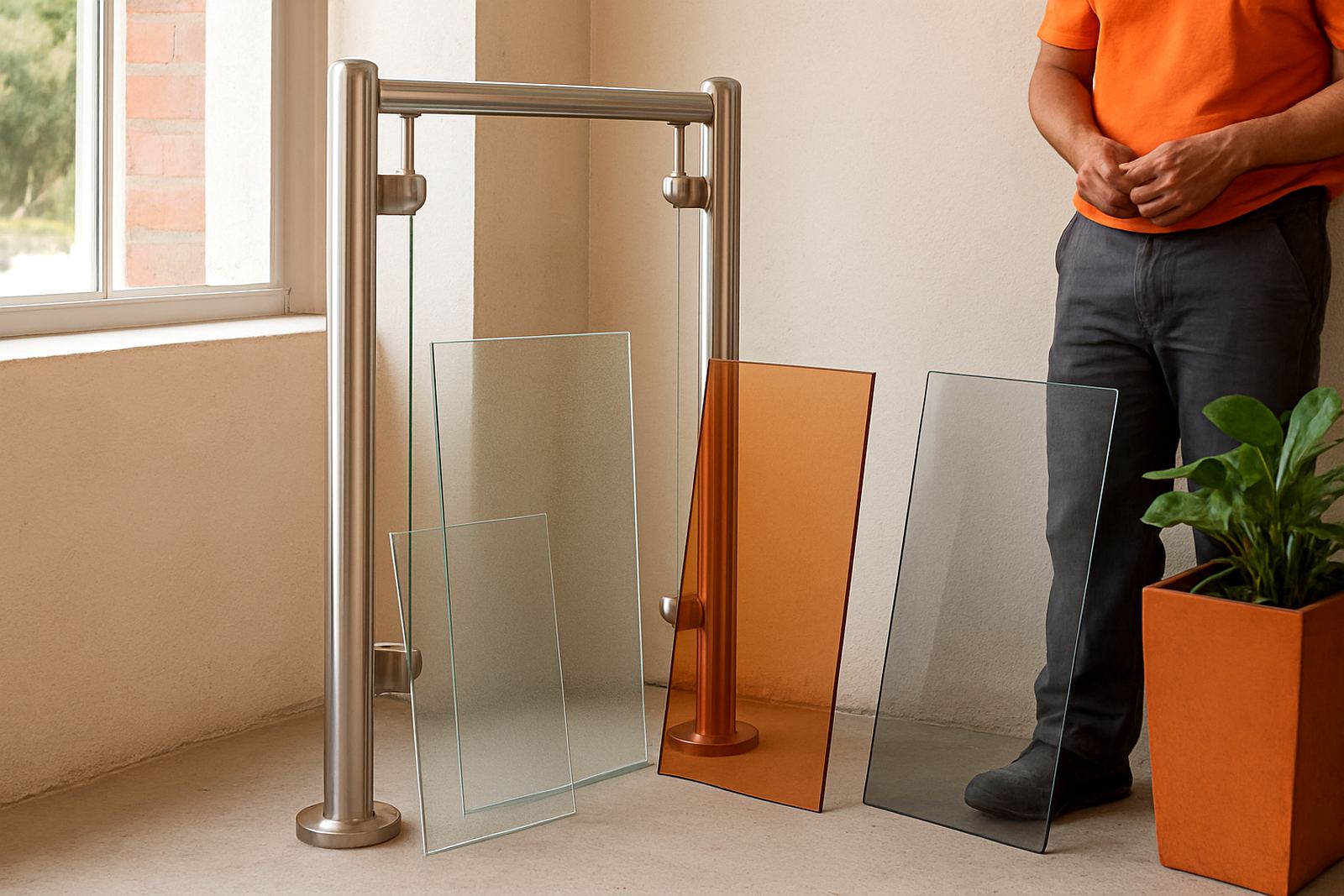
Look for loose glass clamps, worn gate stops and any small gaps where dirt can build up. If you see movement, do not wait for it to get worse. A loose handrail or gate part can become a safety issue, and in public areas or rental properties it can lead to extra repair costs later on.
Deal With Tea Staining Before It Settles In
In coastal air, stainless can pick up brownish marks known as tea staining. It is mostly surface discolouration, not deep rust, but it should still be cleaned promptly. The earlier you deal with it, the easier it is to remove.
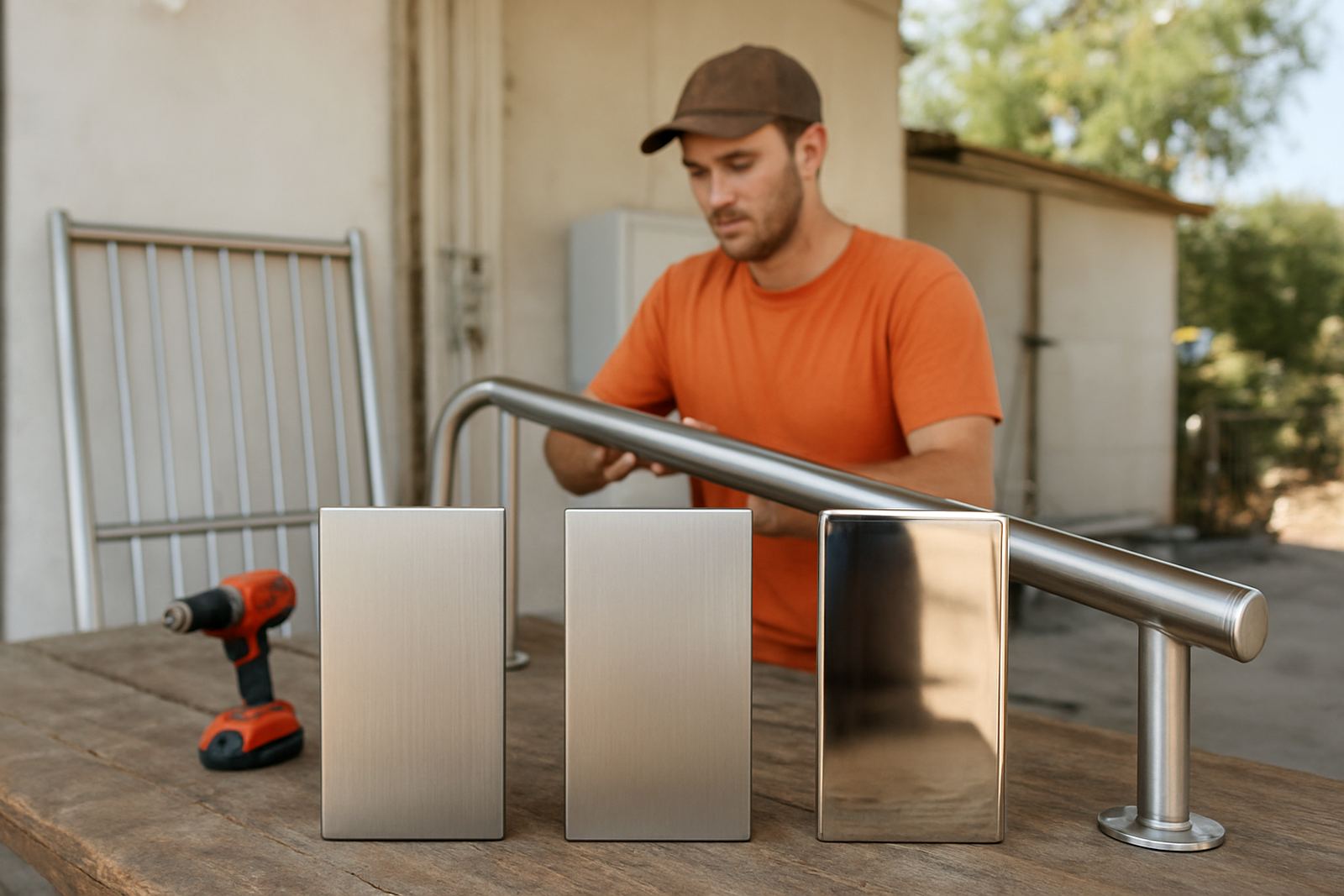
Use mild soap and water first. If the mark stays, apply a stainless-safe cleaner with a soft cloth and rub in the direction of the grain. Do not scrub in circles. If the finish is brushed, straight strokes will help keep the surface looking even, not patchy.
For properties in Sedgefield, Wilderness, Mossel Bay and other salt-air areas, it is a good idea to rinse stainless after long windy spells or after heavy sea spray. That simple habit can make a big difference over time.
Gate Hardware And Moving Parts Need Extra Attention
Gates and access points take more wear than fixed railings. Hinges, latches, drop bolts and locks collect dust, sand and old grease, especially on driveways and business entrances. During load-shedding or busy power times, people also use gates more manually, which adds to wear on moving parts.
Check that gate hardware is clean, aligned and not dragging on the ground. A bit of silicone-safe lubricant on approved moving parts can help, but do not overdo it. Excess grease catches dirt. If a gate starts scraping or closing unevenly, it is better to get it adjusted before the hinge or frame is damaged.
- Open and close the gate fully to check for noise or stiffness.
- Wipe hinges and latch points clear of sand and dust.
- Look for loose bolts or worn screws.
- Test locks and catches after cleaning.
When Repairs, Restoration Or A Service Call Make Sense
Some marks can be cleaned at home, but dents, deep scratches, corrosion from other metals or loose fittings usually need a proper repair. If you notice a finish going rough, pitting on exposed edges, or staining that keeps coming back after cleaning, it may need surface restoration or a maintenance check.
At Sisonke Stainless in Knysna Industria, we handle site measuring, custom fabrication, stainless repairs, surface restoration and onsite installation across the Garden Route. If a balustrade, handrail or gate needs more than routine care, send details and photos to projects@sisonkemanufacturing.co.za and we can advise on the next step. It is often cheaper to fix a small problem early than to replace a section later.
For rentals, guest houses and body corporate properties, a planned check every few months is practical. It keeps the place safe and saves time when tenants, visitors or contractors are moving through the property.