Start With Where the Job Will Live
Before you choose a grade, look at the actual setting. A handrail in Knysna town is under different pressure from a gate in Sedgefield or a balustrade facing the surf in Plettenberg Bay. Inland conditions are usually kinder, but moisture, fertiliser, pool chemicals and shaded walls can still trigger staining if the wrong material is used.
For homes and businesses in the Garden Route, the first question is simple: will the item sit in dry air, damp air, or direct salt spray? That answer shapes the stainless grade, the fasteners, the weld finish and how often you should plan maintenance.
- Inland and sheltered sites: lower corrosion risk, but still check for standing water and poor drainage.
- Coastal sites: choose better corrosion resistance and avoid trapped water points.
- Marine edges and exposed decks: use the highest practical protection, especially on fixings and joins.
Know The Main Stainless Grades Before You Order
Most people hear “stainless” and assume all types behave the same. They do not. One grade may work well for an indoor stair rail in George, while another is a better choice for a gate close to the sea wall in Mossel Bay. The grade must suit the exposure, not just the budget.
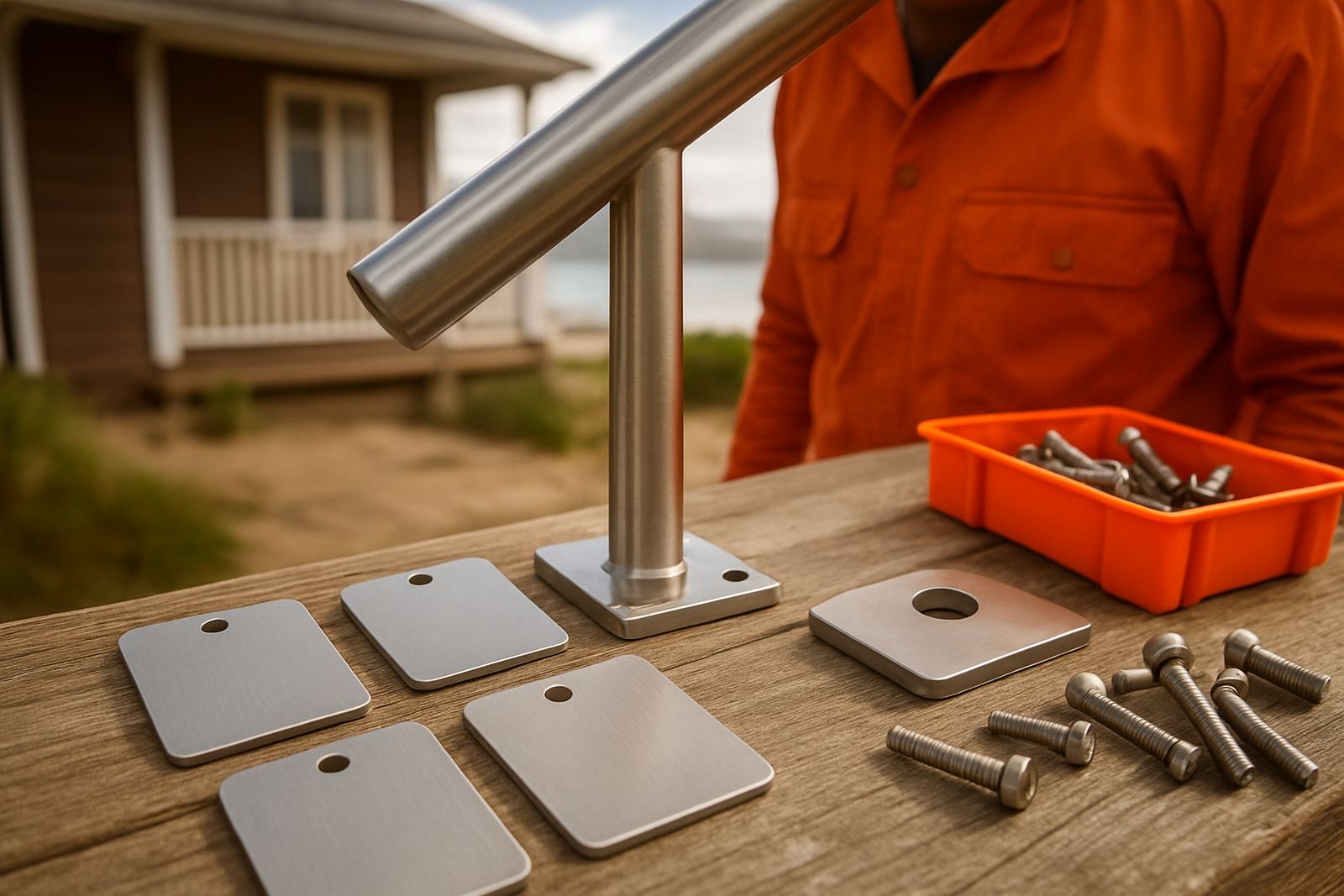
For light inland use, a general-purpose grade can be suitable if it is properly fabricated and kept clean. For coastal work, especially where wind carries fine salt, a higher corrosion-resistant grade is usually the safer call. In wet or marine settings, ask for the grade to be named on the quote and on the drawings, then make sure all bolts, screws and brackets match it. Mixed metals can cause rust marks faster than many people expect, and once staining starts it is harder to clear.
- Ask for the grade in writing, not just “stainless”.
- Check whether hidden fittings, hinges and brackets are the same grade.
- Confirm if the item will be welded, bolted, or a mix of both.
Pick The Right Finish For Salt, Sun And Cleaning
The surface finish matters nearly as much as the grade. A smooth finish is easier to wash down and it holds less dirt, bird droppings and salt film. A rougher finish can trap grime in corners, which is a problem on balconies and staircase railings where rain does not rinse everything evenly. In humid coastal air, small dirt pockets become staining points quicker than expected.
For outdoor work, think about maintenance access too. If the balustrade is on a narrow stoep or high second floor, you need a finish that can be wiped down quickly with fresh water and a soft cloth. Harsh chemicals are not the answer. They can damage the surface and leave patchy marks. A tidy finish also helps when municipal inspections or body corporate rules require a clean, consistent look. On busy homes and guest properties, that saves time during the season.
- Choose a finish that is easy to wash with fresh water.
- Avoid unnecessary crevices where salt and dirt can collect.
- Keep cleaners mild and rinse properly after use.
Check The Design Details That Stop Early Rust
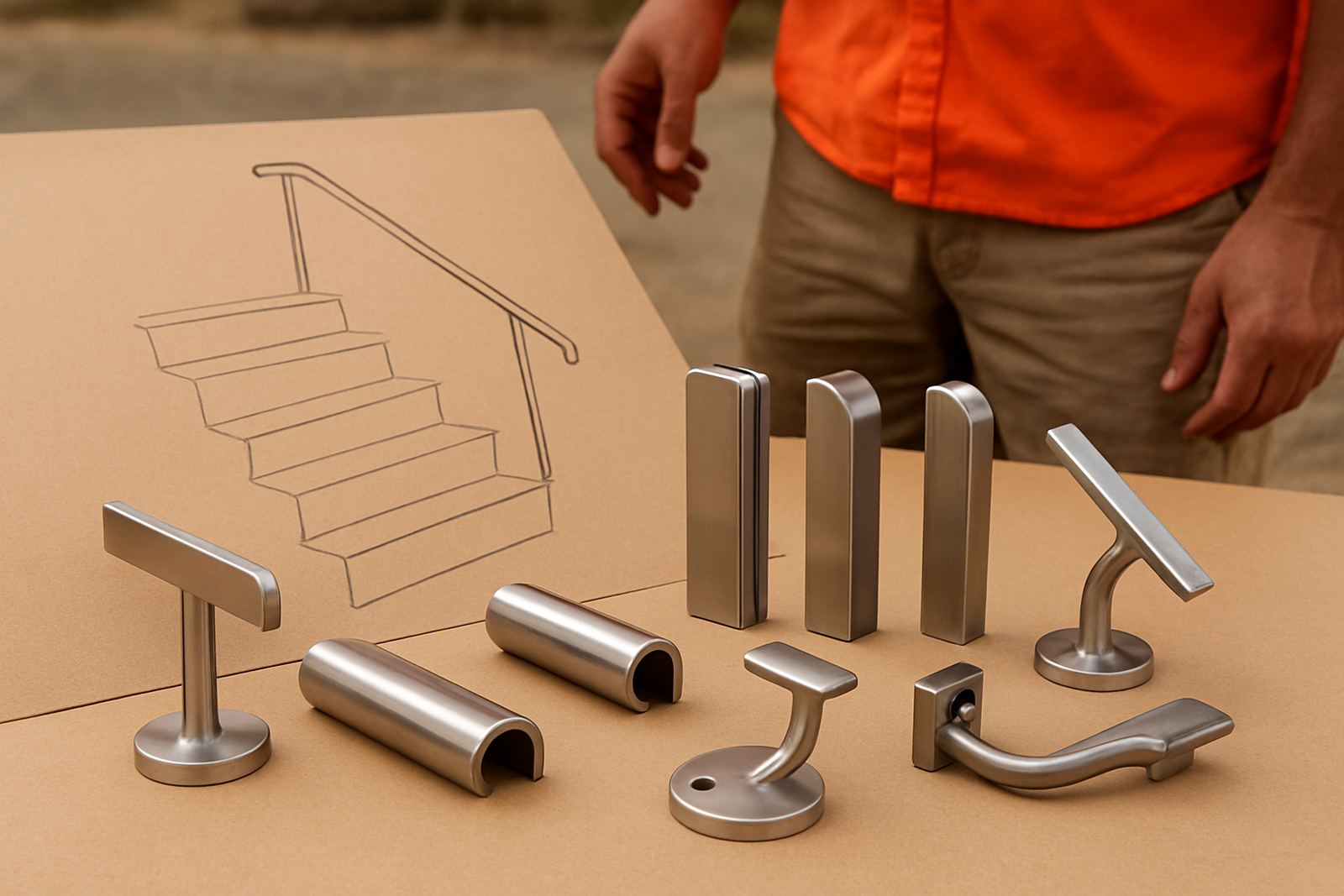
Even good stainless can fail early if the design traps moisture. Water sitting inside a post, under a base plate, or behind a glass clamp will work on the metal over time. This is why site measuring and proper shop drawings matter. A neat drawing shows where drainage, sealing and fixing points must go so the installation lasts longer.
At the workshop stage, small details make a big difference. Welds should be cleaned up properly, cut edges should not be left rough, and end caps or drain points should be planned from the start. On gates and moving parts, the hinges and latches must be checked for alignment so they do not bind and scrape. If the gate hardware is installed badly, even the best material will give trouble. Small mistakes here become expensive on site, nogal.
- Make sure posts can drain and do not hold standing water.
- Ask how welds, cut edges and join lines will be finished.
- Check that moving parts clear properly and do not rub metal on metal.
Match The Fabrication To The Site Conditions
Garden Route projects often involve mixed conditions. A property may have a sheltered courtyard, an exposed driveway and a stair landing near the sea breeze, all in one job. That means the fabrication method must suit more than one zone. A good workshop will separate indoor parts from exposed external parts and may recommend different fixings for each area.
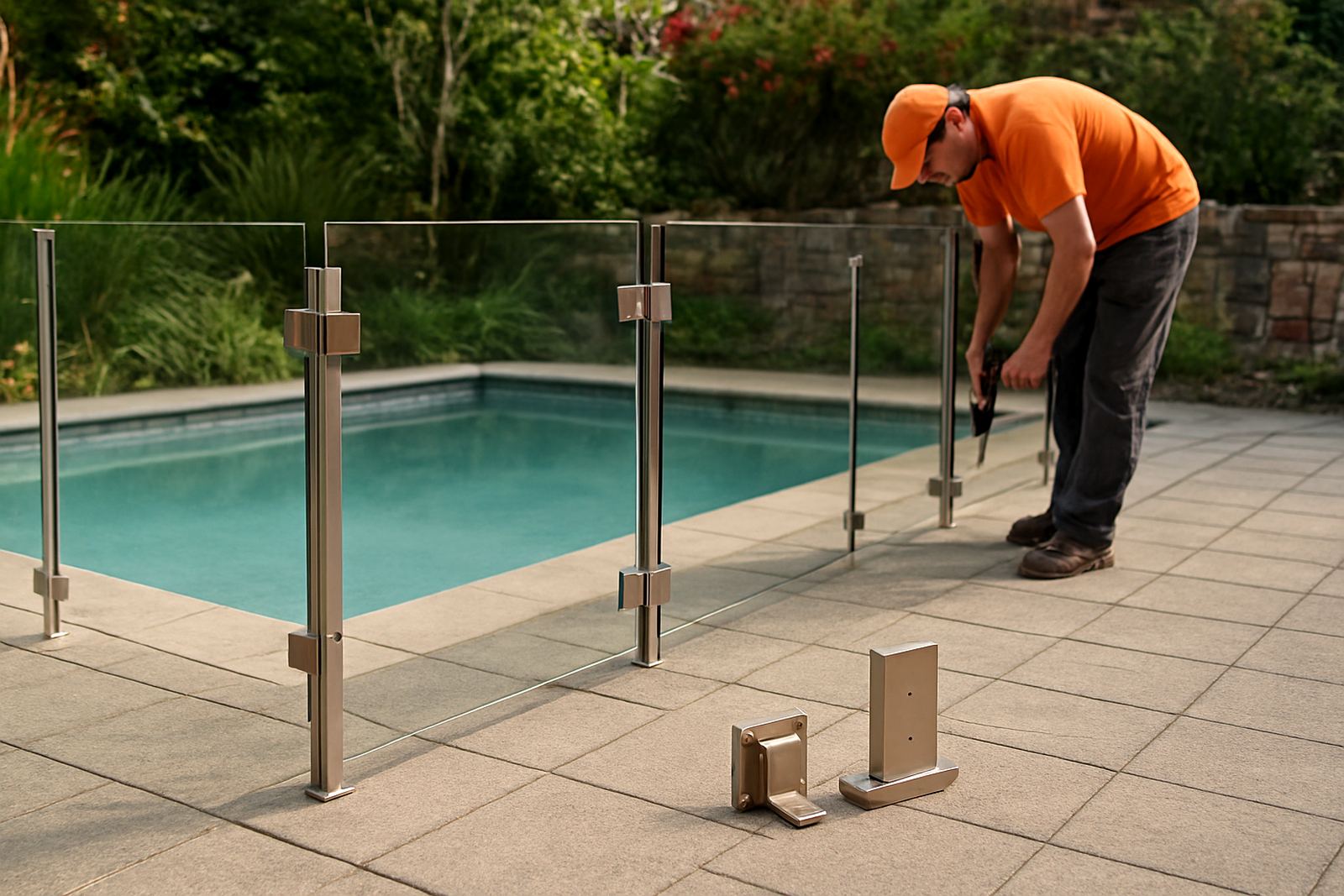
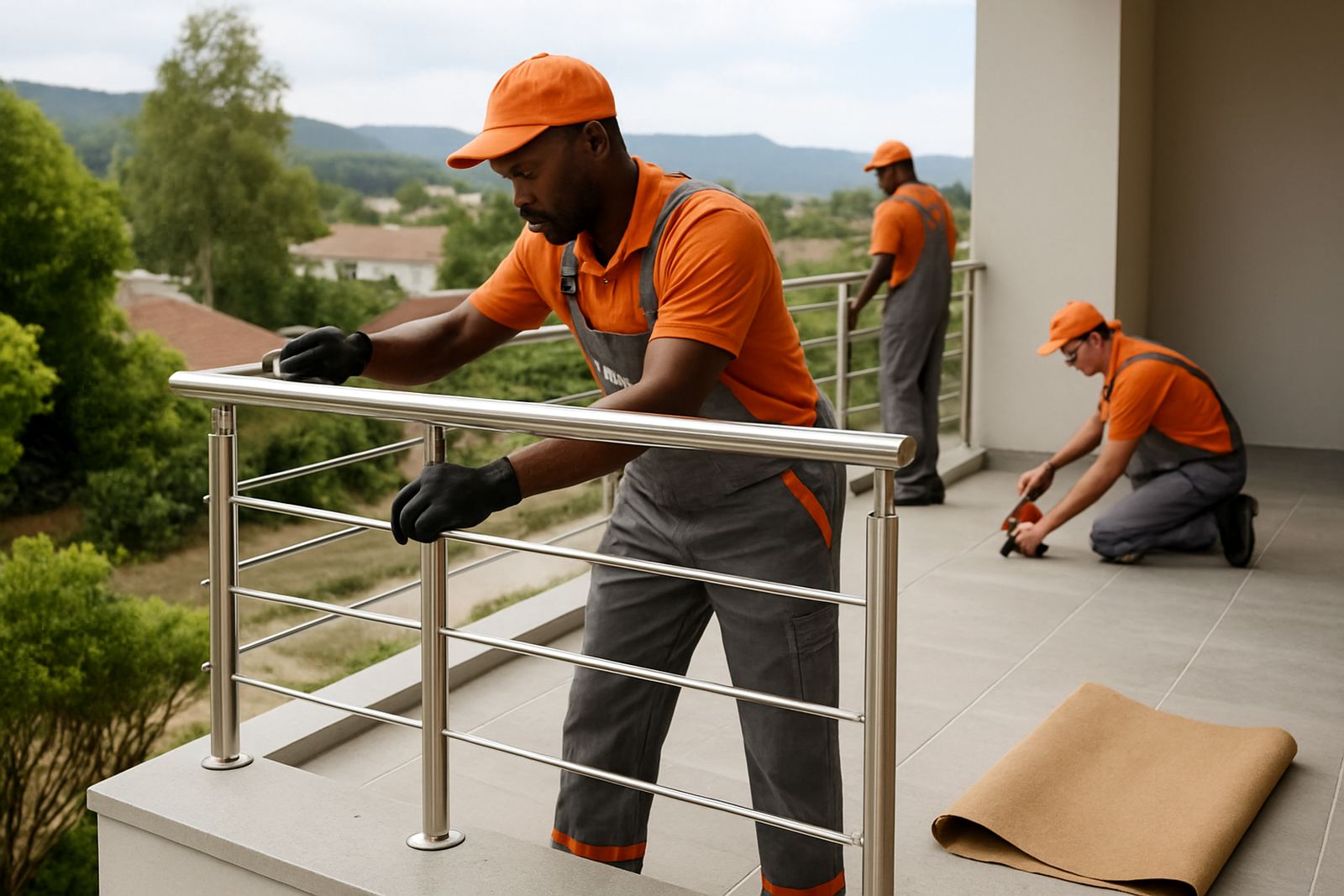
For marine fitouts, coastal balconies and exposed handrails, ask how the item will be fixed to the substrate. Concrete, timber, steel and aluminium all behave differently. The wrong anchor can loosen, stain or crack the surrounding material. Good site installation also considers wind load, vibration from gates, and whether the item will be used by children, guests or staff every day. If there is glass fitment involved, the stainless frame must be set accurately so the panels sit level and safe.
- Tell the fabricator whether the job is inland, coastal or marine edge.
- Confirm the base material before selecting anchors and brackets.
- Check if the installation must meet estate, body corporate or municipal rules.
Keep It Working With A Simple Care Plan
Stainless is low maintenance, not no maintenance. The difference matters, especially on the coast where salt film builds up after wind, rain and hot afternoons. A proper care plan keeps the finish presentable and extends the working life of the product. For homes, guesthouses and commercial sites, this is usually easier than repairing pitting or replacing hardware later.
Start with a basic cleaning routine. Rinse exposed items with fresh water, wipe them dry where possible, and check hidden corners after heavy rain or windy weekends. Gates should be checked for smooth movement, loose fixings and scrape marks. If you see tea staining or surface discolouration, deal with it early before it turns into a bigger problem. We often advise a maintenance check after the first season, especially on coastal jobs around Knysna, Wilderness and Mossel Bay.
- Wash exposed items regularly with fresh water.
- Inspect fixings, hinges and welds after storms or high wind.
- Book maintenance before staining becomes permanent.