1. Clear the work area before we arrive
The first job is simple: give the team clear access to the exact area where measuring, fabrication fitting or installation will happen. Move loose furniture, bins, planters, pool covers, tools and building material out of the way. If the site is still active, please keep other trades informed so they do not work across the same area while we are on site.
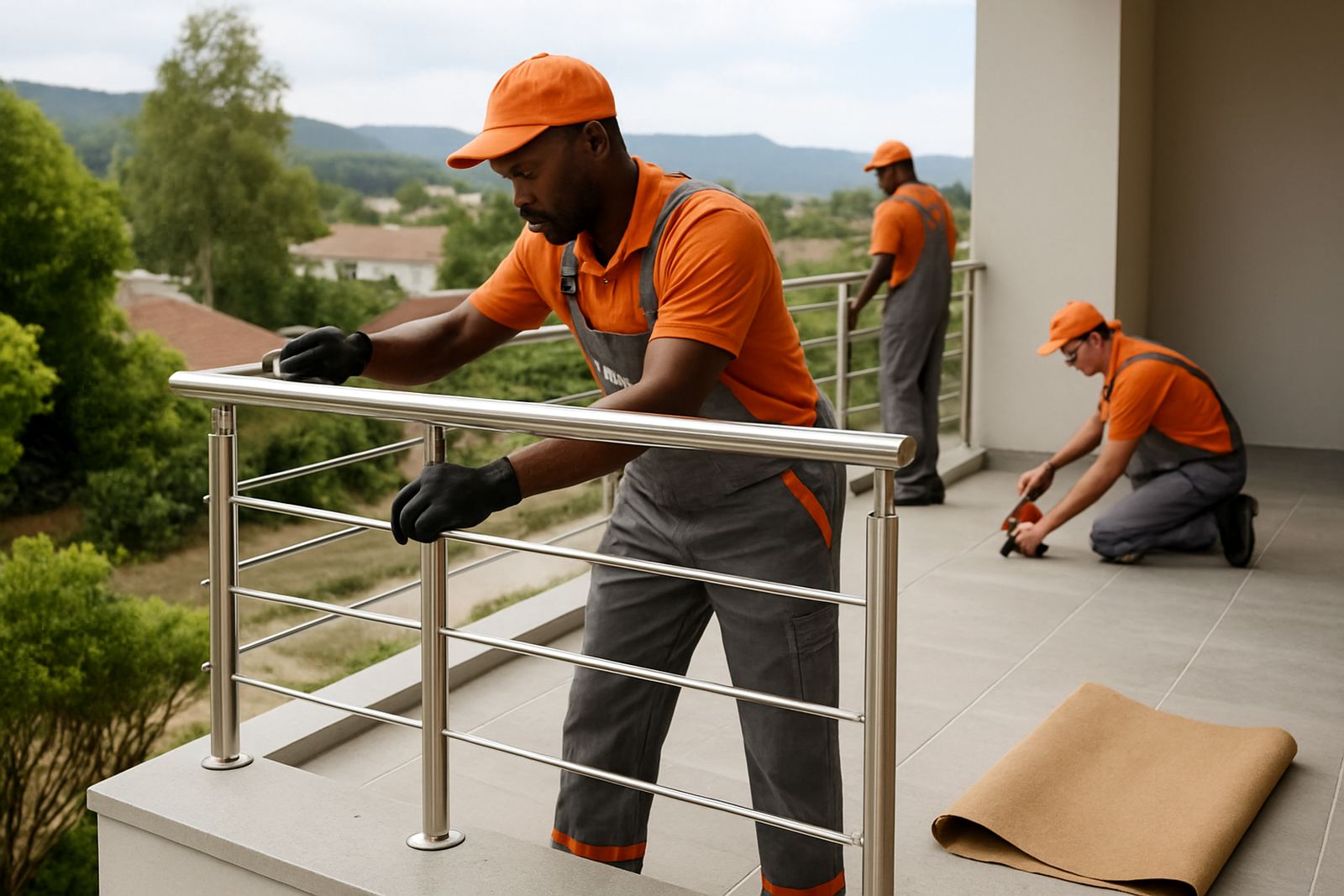
For balustrades and handrails, we need the full line exposed from start to finish. For gates, make sure the opening is free and the ground is level enough for accurate checks. If there is old steel, rotten timber or cracked concrete in the way, leave it visible so we can assess it properly.
- Clear at least 1 metre around the work zone where possible
- Remove fragile items from nearby walls and windows
- Keep children and pets away from the area during the visit
- Tell us about any hidden pipes, cables or water lines near fixing points
2. Make the fixing points easy to inspect
Accurate measuring starts with good access to the fixing points. If the team cannot see the top of the slab, wall edge, stair stringer, post position or gate opening, the numbers can be wrong. That leads to delays and extra site work.
Please clean off heavy dust, loose plaster, sea sand or paint flakes where brackets, base plates or posts may be fixed. Coastal homes in Knysna, Sedgefield and Wilderness often carry salt and surface corrosion, so it helps to show us the full condition of the substrate. If a wall is weak, hollow or recently repaired, tell us before the team starts drilling.
- Brush away loose debris from the line of install
- Expose the full edge of steps, slabs and parapets
- Show us any cracks, rust, damp patches or movement in the structure
- Have a ladder ready if access to upper fixing points is needed
3. Check power, water and safe access
Some installations need power tools, drilling, grinding or welding, so it helps to know what services are available on site. In the Garden Route, load-shedding can affect timing, and we may need to plan around it. If there is no reliable power, let us know in advance so we can bring the right equipment and schedule the work properly.
We also need safe access for our vehicle, materials and team. Make sure gates are unlocked, driveways are not blocked and there is a clear path from the parking area to the work site. If the property is on a steep erf or has stairs, send us a note before the visit so we can plan the lifting and handling.
- Confirm if there is working power on site
- Tell us about any recent outages or generator arrangements
- Keep access roads and driveways clear for loading and offloading
- Advise if there are height restrictions, narrow passages or tight corners
4. Have drawings, approvals and measurements ready
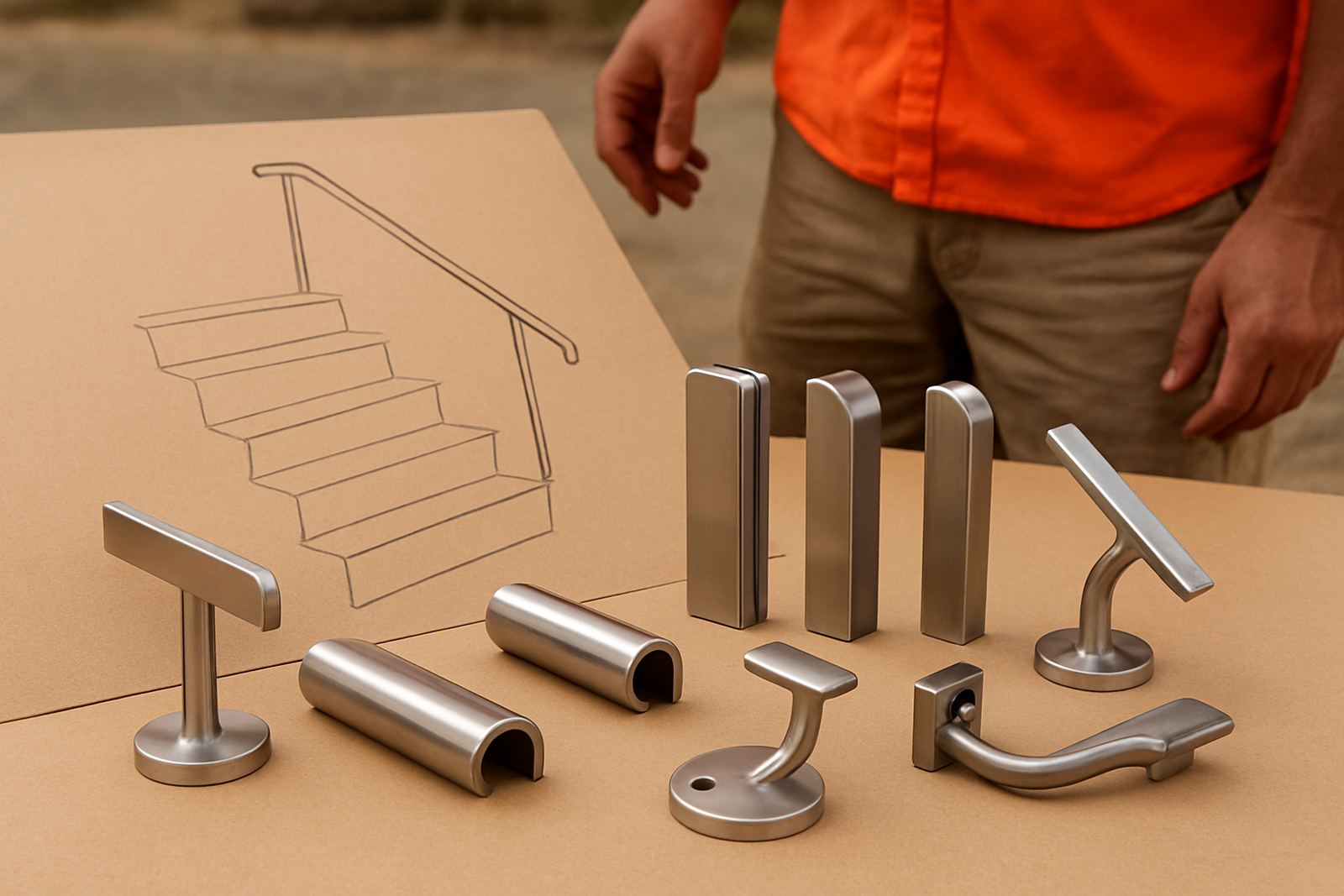
If you already have plans, sketches or municipality-related requirements, please have them on hand. This is especially useful for balcony balustrades, staircase rails, gate installations and marine fitouts where spacing, heights and fixing positions must line up with the structure. In some areas, homeowners associations or body corporates may also have rules on appearance, height or safety clearances.
Bring anything that helps confirm the job scope: architect drawings, photos, previous quotes, or notes from the builder. If the opening was measured by someone else before, we still need to check it ourselves. Small differences can matter, especially on older homes where walls are not square and floors have settled a bit.
- Keep approved plans or sketch drawings ready
- Share any body corporate or estate requirements
- Have gate motor details or latch preferences available
- Show us any previous stainless repairs or alterations on the same structure
5. Protect finished surfaces and nearby fittings
Stainless work usually happens near painted walls, timber decking, glass, paving and finished tiles, so a bit of protection goes a long way. Please cover sensitive surfaces if the area is already complete. We work carefully, but drilling and fabrication dust can travel further than expected.
If the property has new paving, polished concrete or fresh paint, point this out before we begin. That lets us plan how to move equipment and where to set down materials. On coastal properties, surface restoration and maintenance checks may also reveal hidden corrosion, so we need room to inspect properly without damaging the finish.
- Cover furniture and finished floors nearby
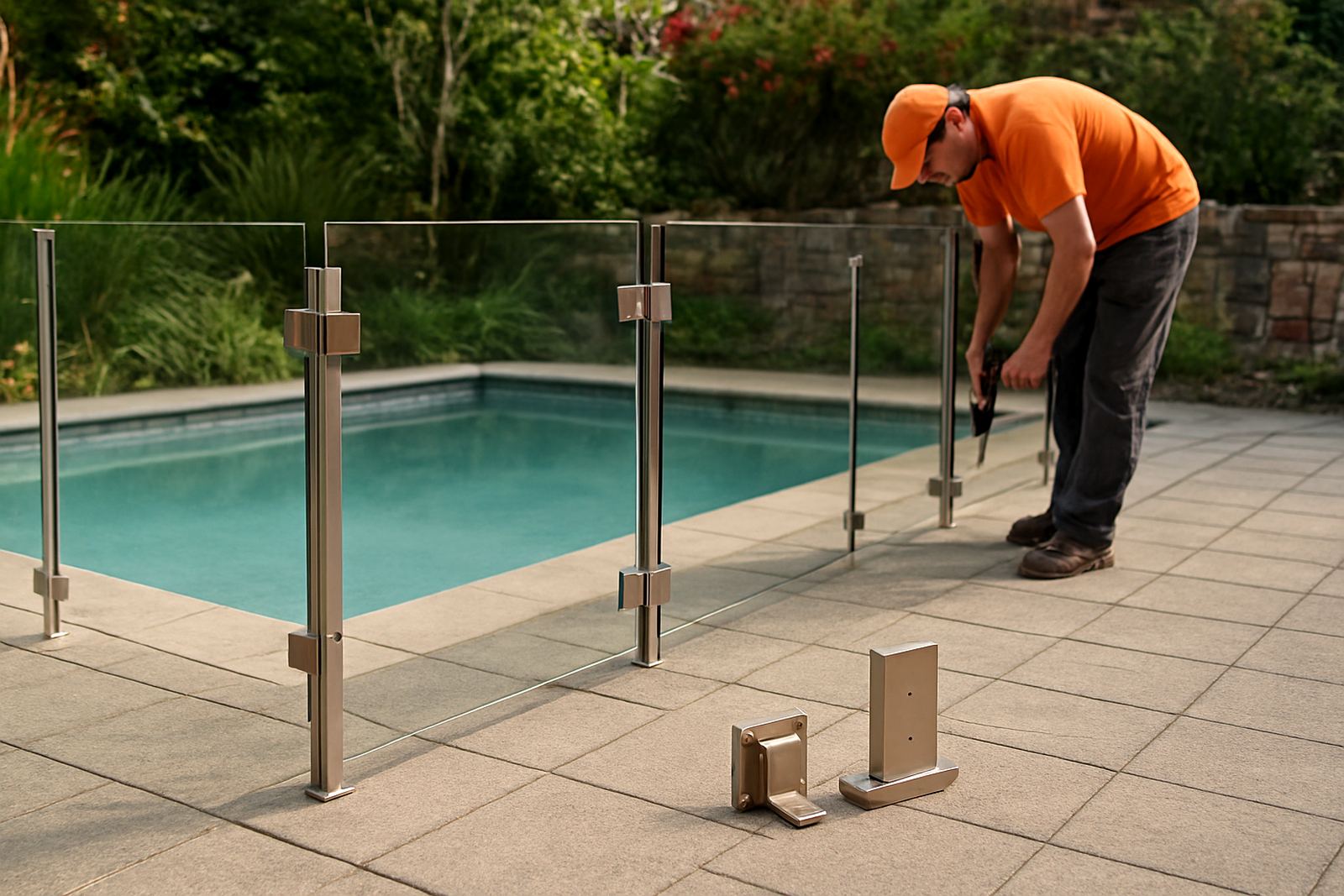
- Keep glass panels, pool edges and timber decking protected where possible
- Let us know about recent painting, tiling or paving work
- Remove loose rugs, mats and electrical leads from the area
6. Quick homeowner checklist for the day of visit
Use this short list on the morning of the appointment so nothing important is missed. It helps the team get straight to work and keeps the visit efficient. If someone else is meeting us on site, make sure they can answer basic questions about the job and access.
For properties in Plettenberg Bay, Mossel Bay, George and the surrounding areas, weather can change fast. If rain, wind or high humidity is likely, let us know if there is a sheltered place to measure or stage materials. Some jobs can still proceed, but conditions may affect installation timing.
- Site access is open and the team can get in without delay
- The work area is cleared and visible
- Plans, approvals and contact details are ready
- Power, water and special site conditions have been mentioned
- Someone responsible is available to sign off decisions on site
If you are unsure about any of these items, send us a quick message before the appointment. It is better to sort it out early than to find it out after the team has travelled out.