Start With the Site, Not the Part
Marine parts should be specified from the site outward. A handrail on a private jetty in Knysna Lagoon faces different conditions to a ladder on an exposed Mossel Bay slipway or a small access platform in Wilderness. Salt spray, standing water, wind-driven grit and regular foot traffic all change the material choice and the way a fitting should be made.
Before ordering, note where the part sits, how often it gets wet, whether it is shaded or in full sun, and whether it will be touched by people with wet hands or salt on their skin. If the part will sit near timber, treated planks or concrete, also check for contact points that can trap moisture. That is where corrosion starts most often, not on the open face.
Measure the Space the Right Way
Exact site measuring saves time and rework. For marine jobs, a difference of 5 mm can matter if a ladder is landing between cleats or a handrail has to clear a gate, cable or edge beam. Measure width, height, centre lines, fixing distances and any slope in the deck or wall. If the site is on a tidal edge, measure at low tide and high tide if access conditions change.
- Measure all opening sizes in millimetres
- Check vertical plumb and floor level, not just overall length
- Record clearance around hatches, mooring gear and moving gates
- Photograph the fixing surface from both sides if possible
If the structure is still under construction, ask for the latest drawing set or builder's mark-up. A jetty that is 100 mm wider on paper than on site can throw out the whole installation. We often find the best approach is to measure twice, then confirm the fit before fabrication starts.
Choose the Right Stainless for Salt and Splash
For waterside use, grade choice matters. Parts exposed to regular salt spray, damp air or wash-down conditions usually need a higher corrosion resistance than a dry inland job. In practical terms, marine parts should be specified with the environment in mind, not just the look of the finish. A bright polish may look good on day one, but if the part sits in constant moisture it still needs the correct base material and thickness.
Also think about mixed materials. Stainless fittings that connect to mild steel, aluminium or treated timber can be affected by galvanic action and trapped moisture. The fix is usually in the detail, such as isolating washers, correct fasteners, drainage points and keeping dissimilar metals apart where possible. In coastal towns like Knysna, Plettenberg Bay and Sedgefield, that detail can decide whether a part lasts years or months.
Ask for Shop Drawings Before Fabrication
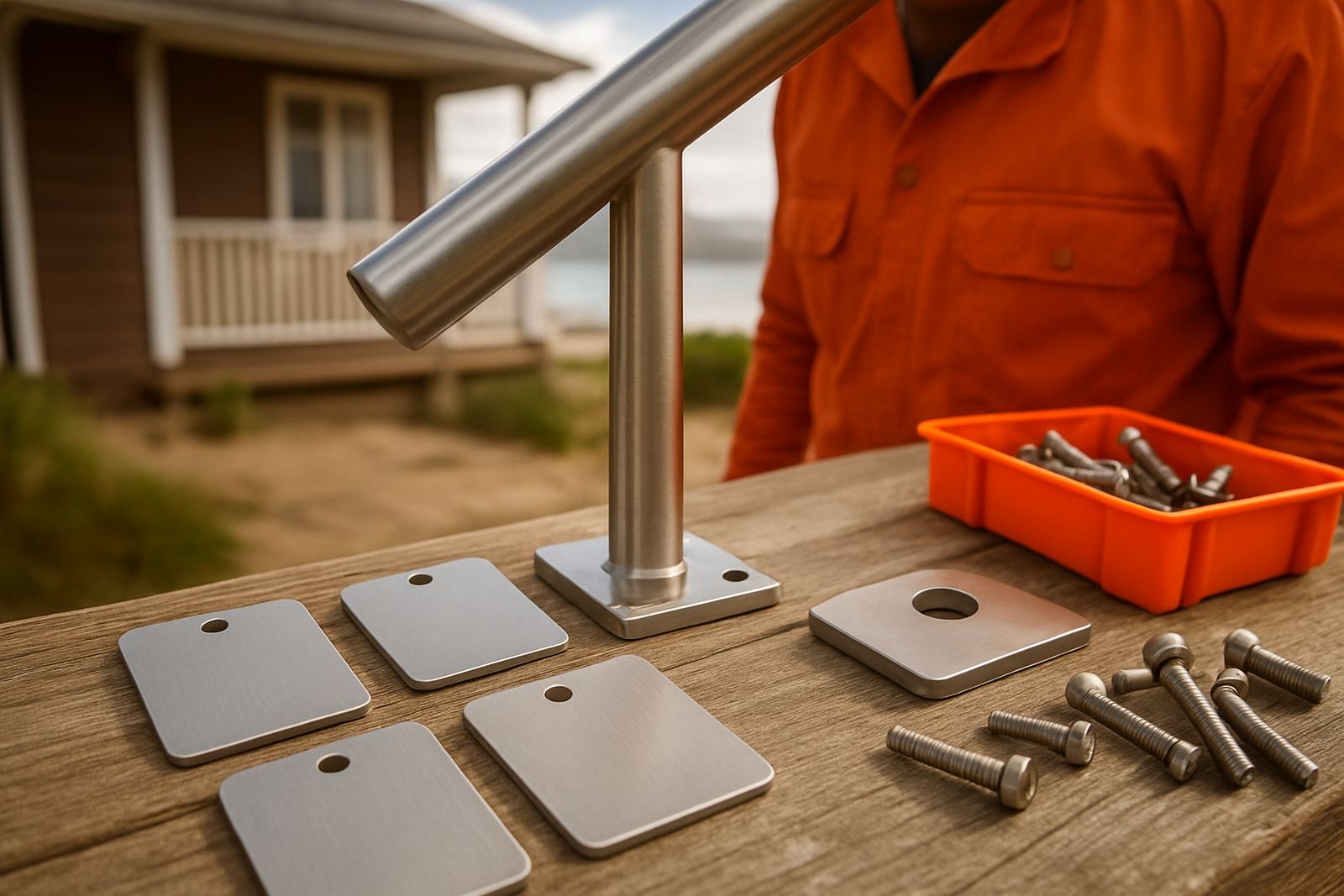
Shop drawings are the working plan for the part. They show the finished size, fixing method, hole positions, hand grip height, bracket locations and how the item will be assembled. For jetties, ladders and marine fittings, this step is useful because small changes on paper are far cheaper than changes on site. It also helps when the part needs to fit around glass, timber trim, gate hardware or existing anchors.
When checking drawings, look for the following:
- Overall dimensions and fixing centres
- Material type and finish
- How the part will be anchored to concrete, timber or steel
- Any removable sections for maintenance access
- Clear note of left-hand or right-hand orientation
We recommend confirming who signs off the drawing and who is responsible for site access. If the schedule is tight and load shedding is affecting site work, the order of fabrication and installation should be agreed in advance so the team can plan around the available working hours.
Plan Installation Around Access, Tide and Safety
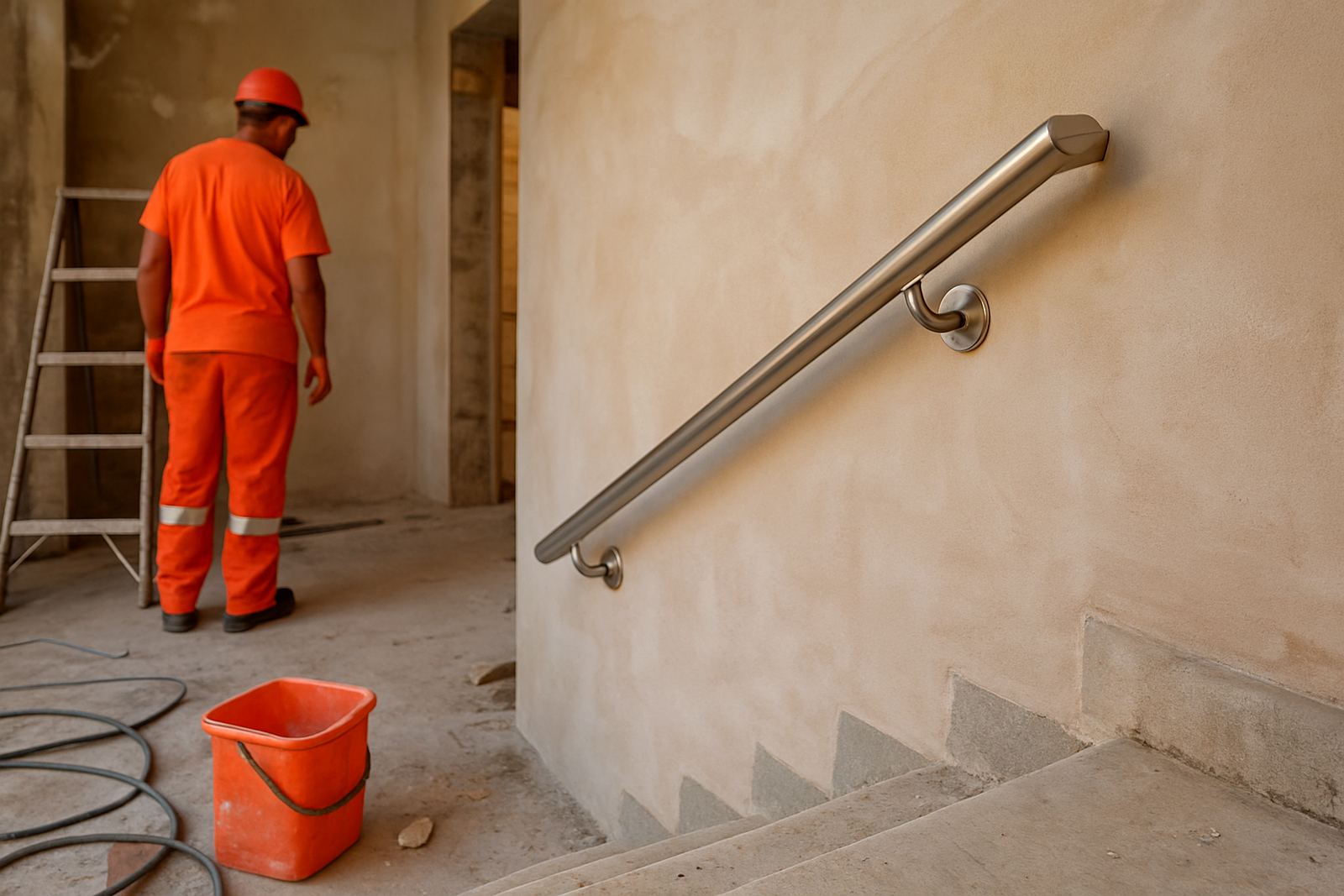
Installation on water-facing sites needs planning. A safe, steady work area is essential, especially where surfaces are wet or uneven. If the jetty or ladder is near water, check access routes for tools, lifting gear and the actual path the team will use. In some cases the best result comes from assembling sections in the workshop and doing only the final fit on site.
Before installation day, confirm the fixings are ready, the surface is clean and any old material has been removed. If the part is being installed near public access or within municipal sight lines, make sure the work meets local by-law requirements and does not block walkways or emergency access. If drilling into existing concrete or masonry, check for hidden services first. That part gets missed more often than people think.
For coastal work we also recommend checking the weather window. Wind, spray and heavy rain can slow fitment and affect surface finishing. A planned install in George may move quickly, while a damp morning in Knysna can delay the final tightening and sealing if the conditions are not right.
Finish, Fixings and Maintenance Matter
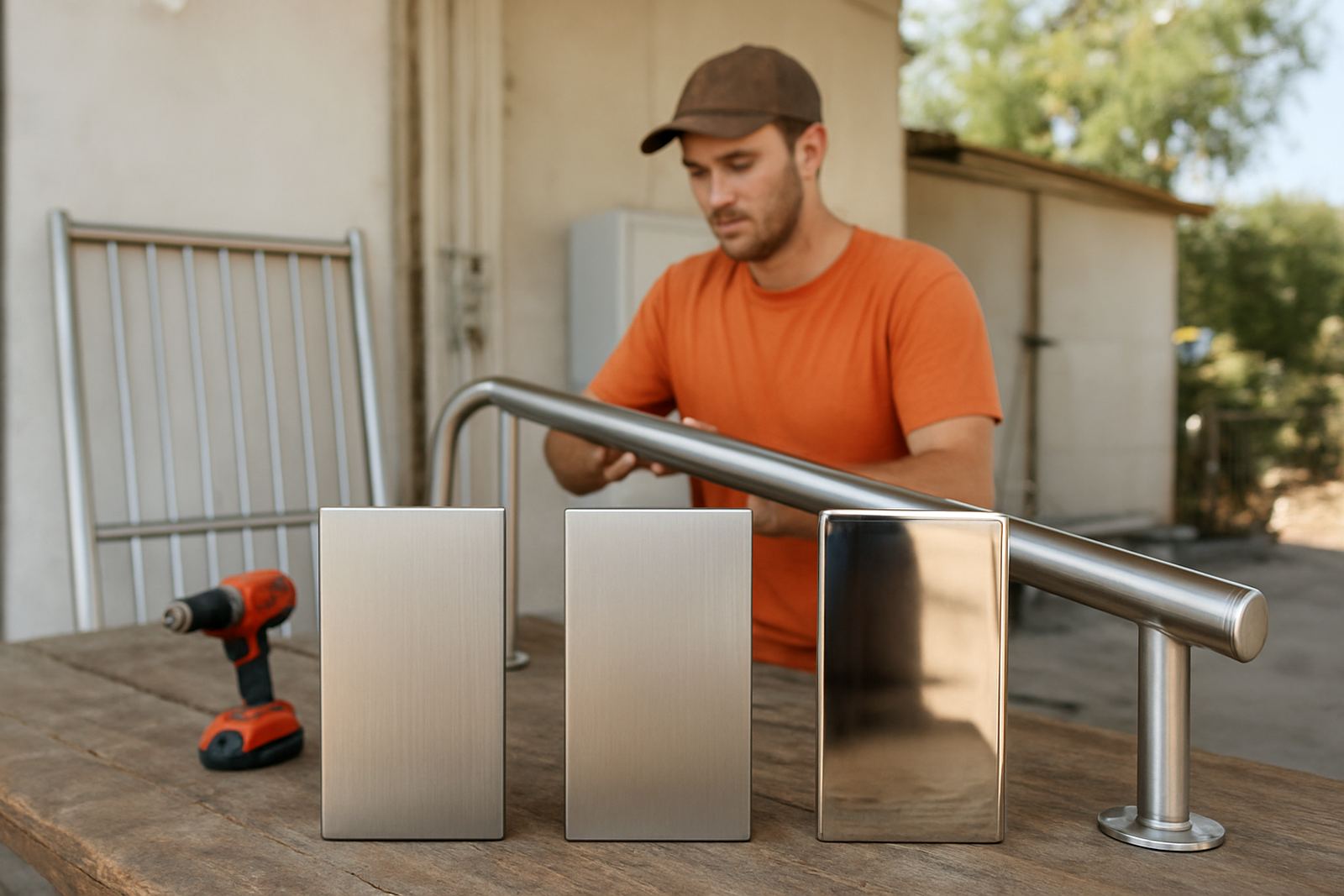
The final finish should match the use. A marine handrail may need a brushed finish for grip and easier maintenance, while a decorative part may be polished. Either way, the edges must be dressed properly, welds cleaned, and the fixing points protected so water does not sit in the joints. Small water traps are a common cause of staining.
Use fixings that suit the same environment as the part itself, and keep a record of what was installed. That helps later when spares are needed or when a repair is requested after seasonal wear. We also suggest a simple maintenance plan:
- Rinse salt exposure regularly, especially after strong onshore wind
- Check for loose fasteners every few months
- Look for tea staining, pitting or worn sealant
- Book a surface restoration or repair early, before damage spreads
For commercial jetties, guest lodges, marinas and private waterside homes, a quick maintenance check before summer can save a lot of trouble. It is better to replace one worn fitting than wait until the whole section needs rework.
What to Send When Requesting a Quote
To quote correctly, send the site address, clear photos, rough measurements and a short note on how the part will be used. Let us know whether it is for a jetty, ladder, handrail, gate, stair, or a custom marine fitting. If there is existing damage, include close-up photos and tell us if the repair must happen while the site remains in use.
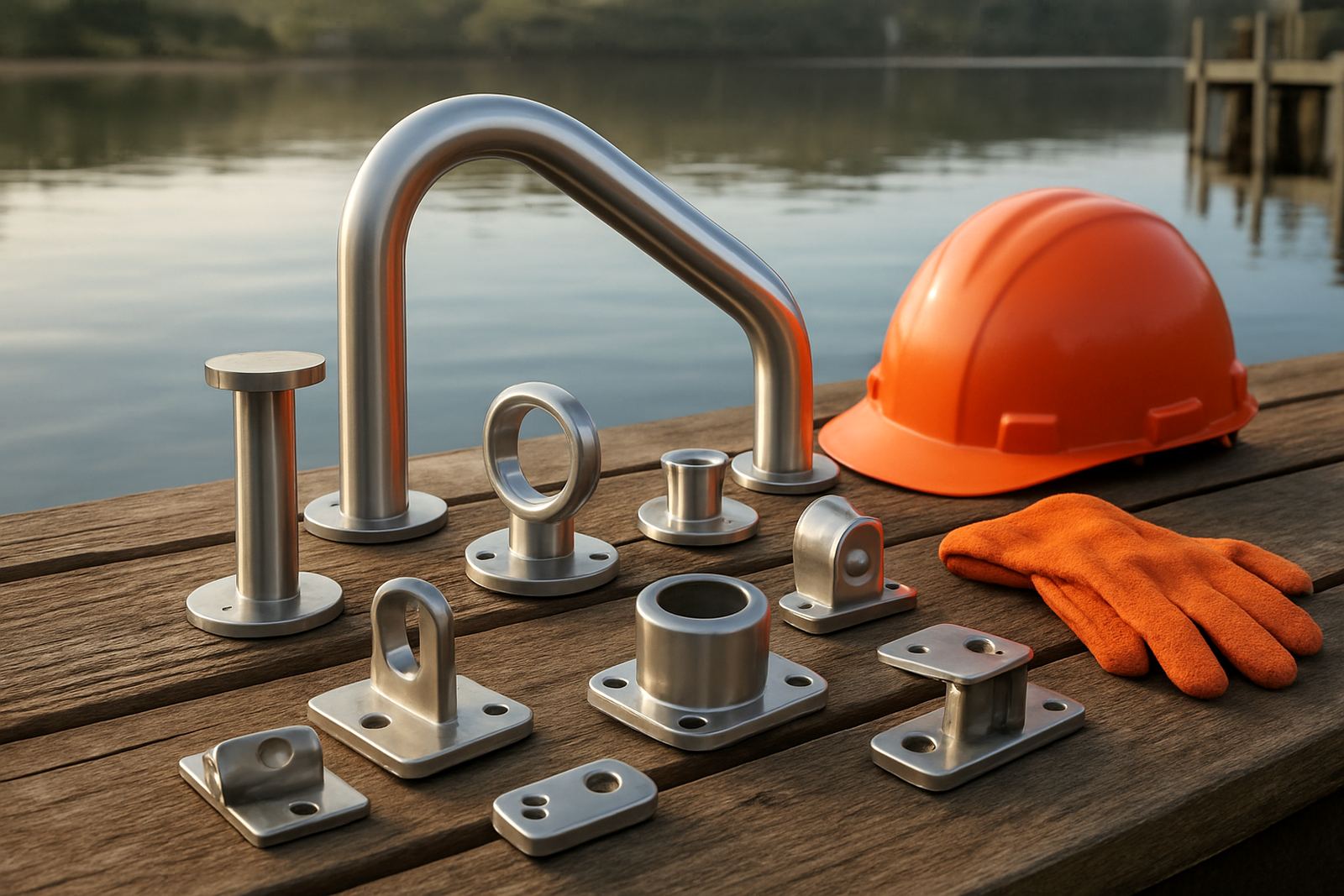
Useful details include the preferred finish, whether glass is involved, if the part needs to be removable, and who will handle access on the day. For Garden Route projects, that might mean a small private landing in Sedgefield, a guest lodge in Wilderness, or a working coastal property near Mossel Bay. The clearer the brief, the cleaner the outcome.
When you are ready, send the details to projects@sisonkemanufacturing.co.za and we will help assess the part, the fixing method and the most practical way to fabricate and install it.