1. Start with a Simple Wash Down Routine
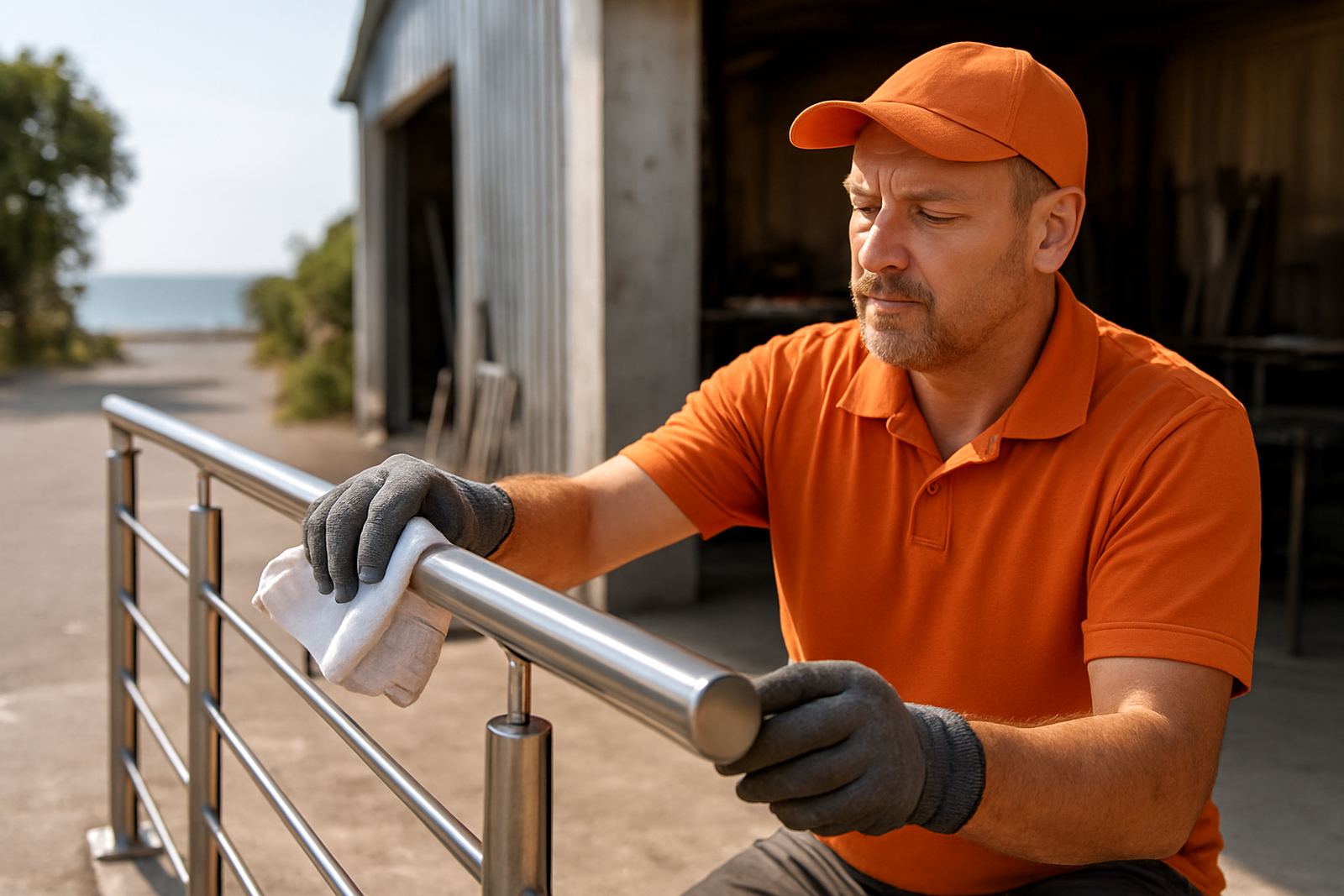
In coastal areas, salt sits on the surface and can mark stainless if it is left for too long. A quick wash with clean water every 2 to 4 weeks is often enough for homes and businesses close to the sea, especially in Knysna, Sedgefield and Plettenberg Bay.
Use a soft cloth or sponge with mild soapy water, then rinse with fresh water and dry the surface. Do not leave soap to air-dry on the metal, because that can leave streaks. If there is heavy spray or wind-blown sand, wash more often. It takes less time than dealing with build-up later.
2. Use the Right Cleaner for the Job
Most stainless parts only need mild dish soap and water. If you need a stronger cleaner, choose one made for stainless and use it lightly. Always test on a small hidden area first, especially on brushed finishes or near glass fitment points.
- Use soft microfibre cloths, not steel wool or coarse scouring pads
- Wipe in the direction of the grain where there is a brushed finish
- Rinse fully after cleaning so no residue stays behind
- Dry with a clean cloth to reduce water marks
Avoid bleach, harsh acids and strong chlorine cleaners. Those products can stain or pit stainless, even if the damage is not visible straight away.
3. Watch the Fixings, Hinges and Welds
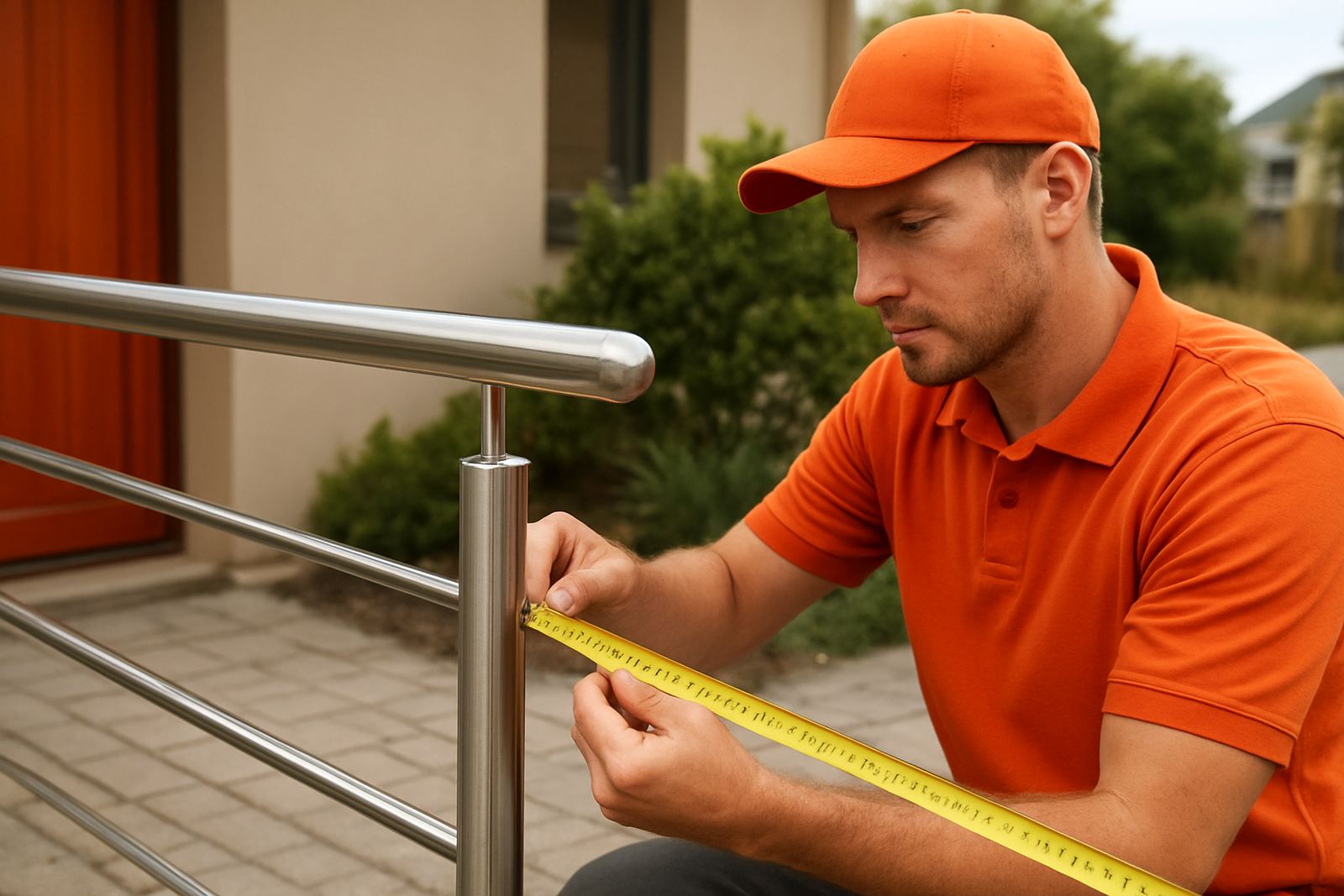
Stainless parts do not only need surface care. Hinges, gate hardware, brackets and welds should be checked from time to time, because moving parts collect dust, salt and moisture. On gates and handrails, look for loose screws, squeaks, rubbing and any sign of wear around the joints.
If a handrail feels a bit loose or a gate starts to drop, deal with it early. A small adjustment is far cheaper than replacing worn parts or repairing damage caused by movement. For marine fitouts and coastal homes, a maintenance check every 6 to 12 months is sensible.
4. Stop Tea Staining Before It Spreads
Brown spots or a light rust-like film on stainless is often tea staining, not deep rust. It is common near the coast and usually shows up on exposed fittings, edges and areas where salty water collects. It does not always mean the part is failing, but it should be cleaned sooner rather than later.
- Rinse the area with clean water first
- Wash with mild soap and a soft cloth
- Use a suitable stainless cleaner if the marks remain
- Dry the surface and check nearby joints for trapped dirt
If the staining keeps coming back, there may be poor drainage, trapped moisture or a finish that needs surface restoration. That is worth having assessed on site.
5. Look After Gates and Moving Hardware
Gate frames, locks and catches need a bit of attention because they carry weight and move every day. If a gate is hard to close, do not force it. Check whether the hinges are tight, whether there is sand in the track or whether the hardware has shifted after wind or settlement.
For stainless gates in George, Mossel Bay and other windy areas, a proper clean and inspection can prevent early wear. If there are glass panels or mixed materials, keep the joints clean and dry. Different materials react differently in salty air, so regular checking helps avoid problems.
6. When to Call for Repairs or a Site Check
Some jobs are simple enough to handle with normal cleaning, but repairs are better left to a workshop that works with stainless every day. Call for help if you see deep pitting, cracked welds, a loose balustrade post, damaged mounting points or corrosion around fasteners. These are signs that more than cleaning is needed.
We handle stainless repairs, maintenance checks, surface restoration and on site installation across Knysna, the Garden Route and nearby coastal towns. If you are not sure whether a fitting needs repair or just a clean, send a clear photo and a short note to projects@sisonkemanufacturing.co.za. It saves time and helps us advise you properly.